Why do some communities seem remarkably united, while others grow comfortable, divided, and fragile? One influential answer came from Ibn Khaldun, the 14th-century Arab thinker who offered a striking way to understand society: what looks random on the surface may actually reflect deeper social forces.
His ideas are especially memorable in the contrast he drew between nomadic life and sedentary life. In his view, nomadic groups often possessed stronger social cohesion, while settled societies tended over time toward lower cohesion, greater interest in luxury, and a more secular way of life. That contrast still feels provocative today.
Watch the story on DeepSwipe
A society is more than just people in one place
A society is not simply a crowd or a population on a map. It is a web of persistent social interaction, shared culture, and institutions. People in a society are connected by social relations, expectations, and roles. These patterns help explain why human groups can cooperate on a large scale.
Humans are highly social animals, and human societies are marked by intense cooperation. People divide labor, take on social roles, and follow norms, which are shared standards of acceptable behavior. These norms can be informal habits or formal rules and laws. Together, they shape how people live with one another.
That broader picture helps make Ibn Khaldun’s insight more powerful. He was not just comparing tents with cities. He was analyzing how different forms of social life produce different kinds of human bonds.

What is asabijja?
A key term in Ibn Khaldun’s thought is asabijja. It refers to strong social cohesion: the sense of solidarity that binds a group together and gives its members the willingness to act collectively.
He linked this cohesion to three main sources:
- kinship
- shared customs
- a shared need for defense
In simple terms, people stick together more tightly when they see themselves as bound by family ties, common habits, and common danger. If survival depends on trust, loyalty, and mutual support, then solidarity becomes one of the group’s greatest strengths.
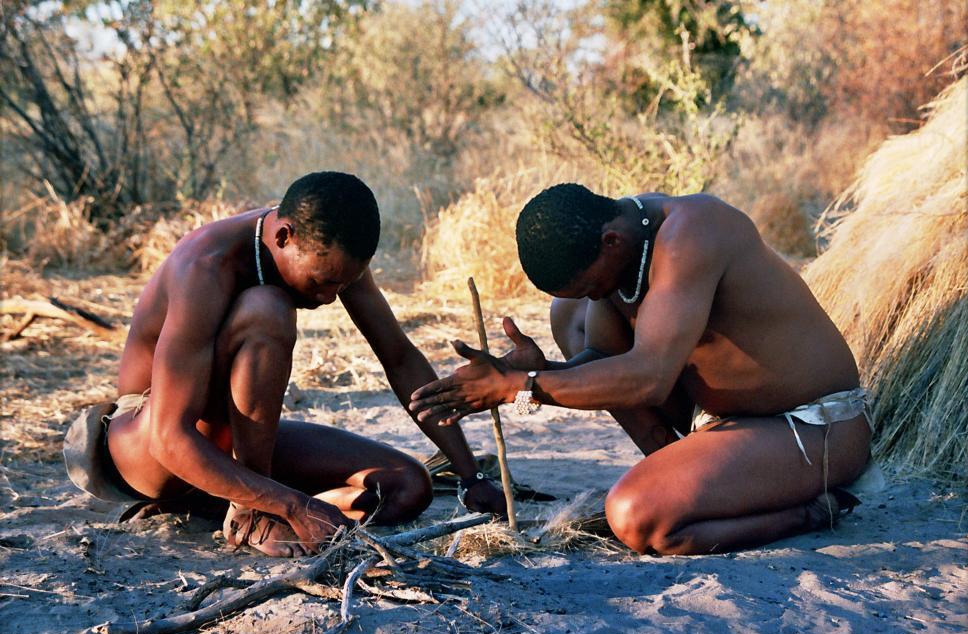
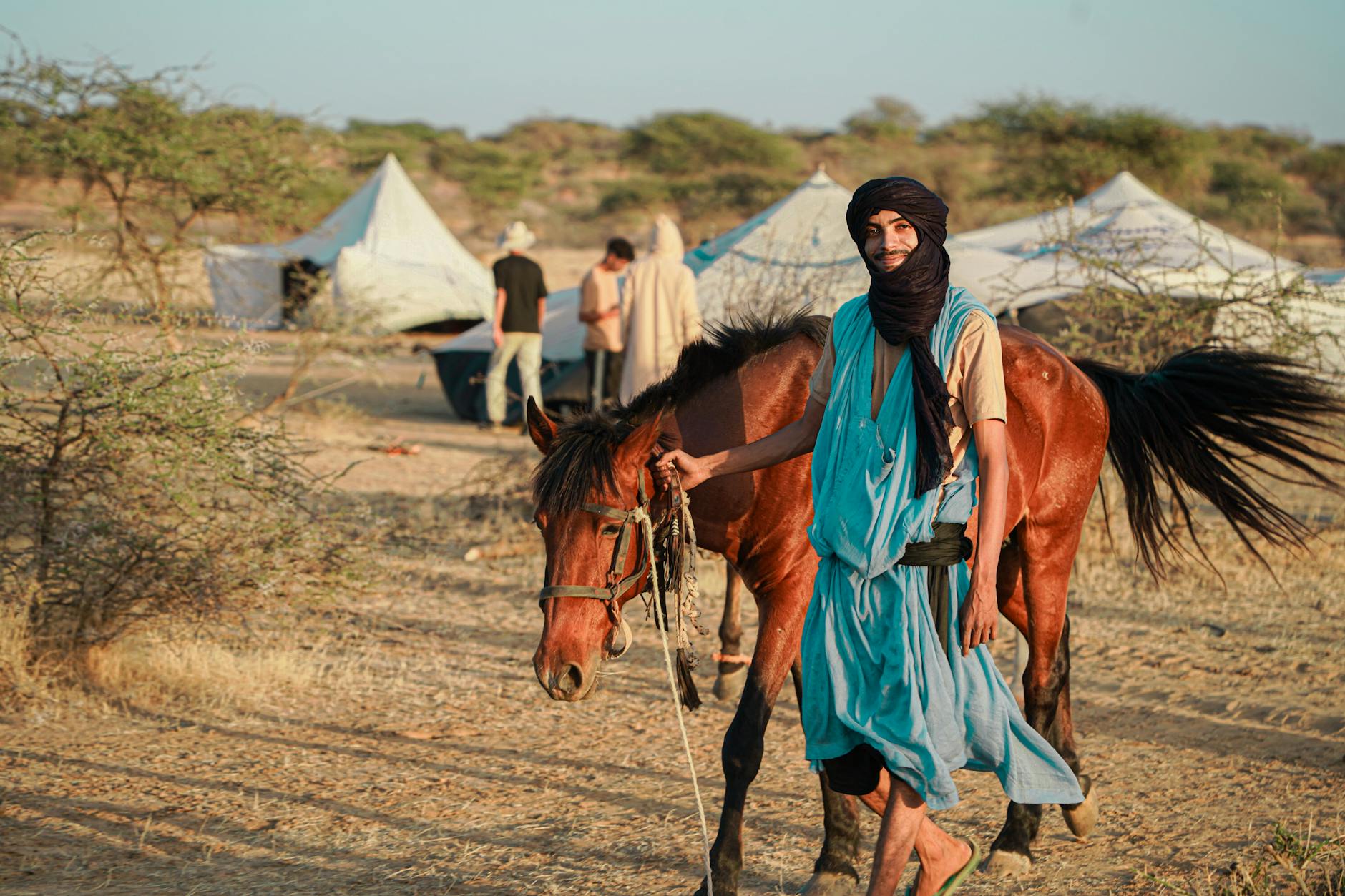
This is part of why nomadic life mattered so much in Khaldun’s framework. Nomadic groups, in his view, lived under conditions that encouraged close unity. Their social world demanded cooperation.
Nomadic life and strong cohesion
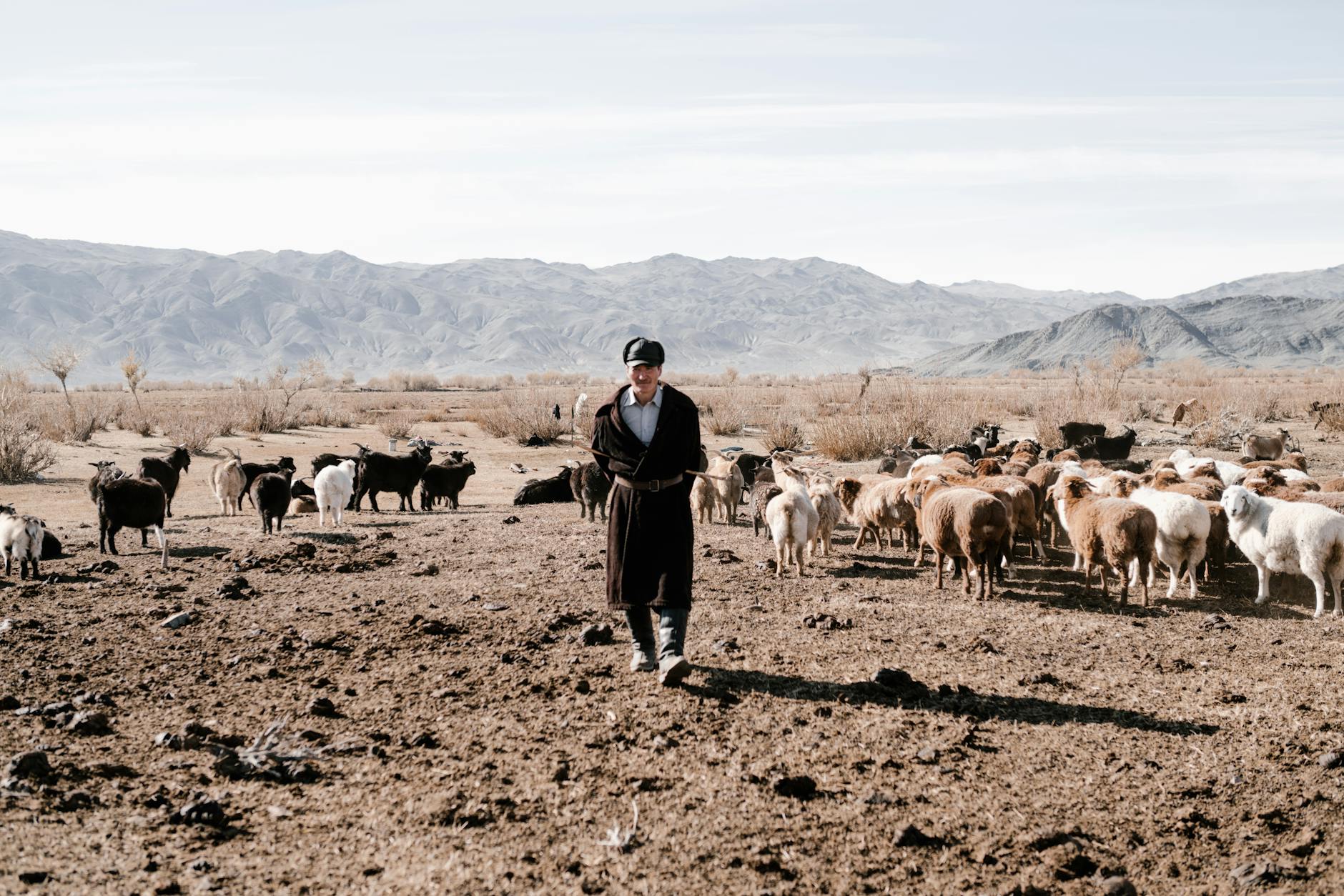
Khaldun saw nomadic society as one of the two fundamental forms of social structure. In his account, nomadic life produced especially high social cohesion.
That does not mean nomadic life was easy. Quite the opposite: harsh conditions and the need for defense helped create unity. When people rely heavily on one another, group loyalty can become unusually strong. Shared customs also matter, because customs give a group a common way of acting and understanding the world.
This fits a broader point about societies: human beings benefit from collaboration in ways that would be difficult to achieve individually. In some settings, that collaboration becomes especially intense. Khaldun believed nomadic life was one of those settings.
His argument is compelling because it focuses less on material wealth and more on social strength. A poorer group can still be powerful if its members trust one another, act together, and share a strong identity.
Sedentary life: stability, but also drift
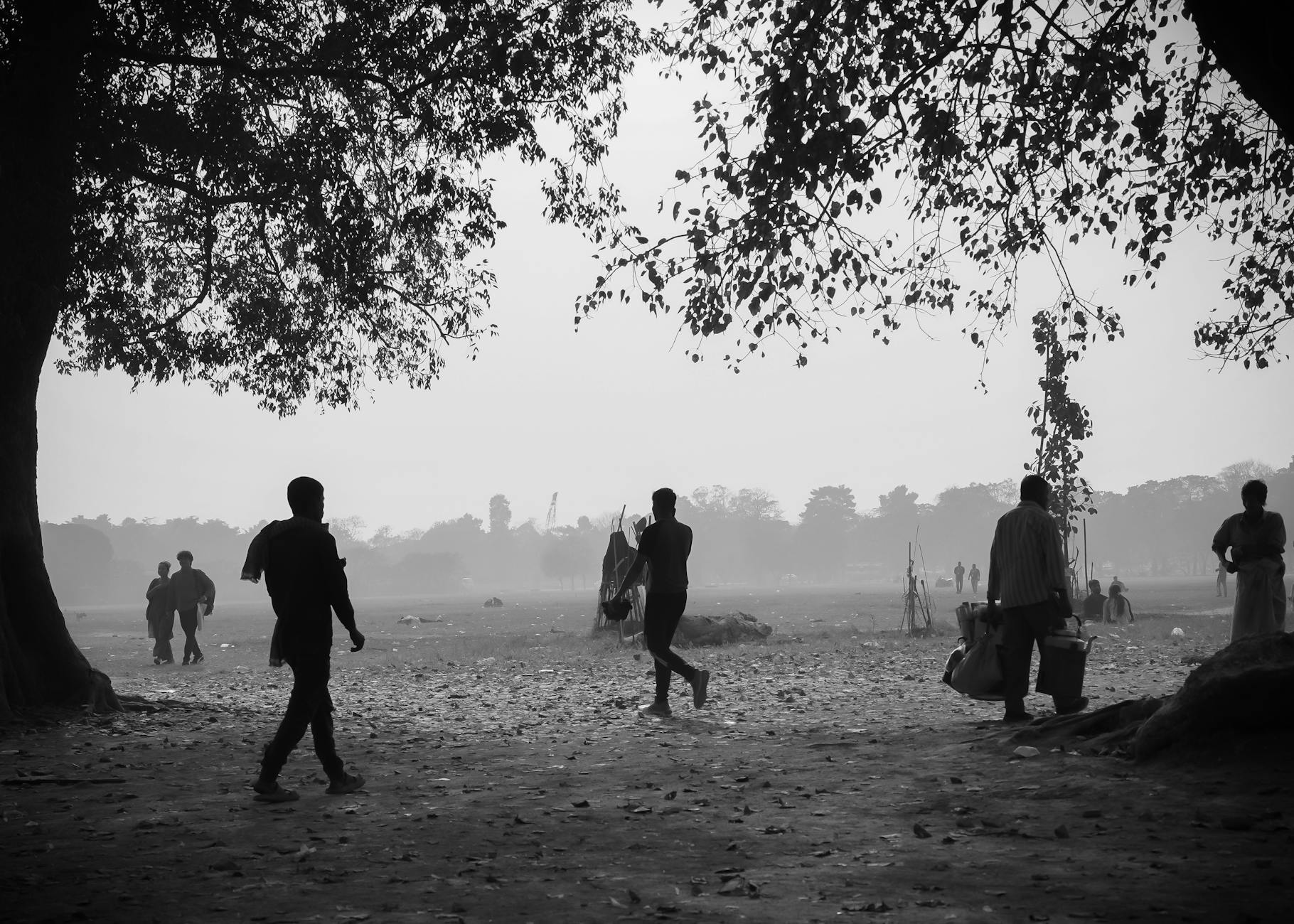
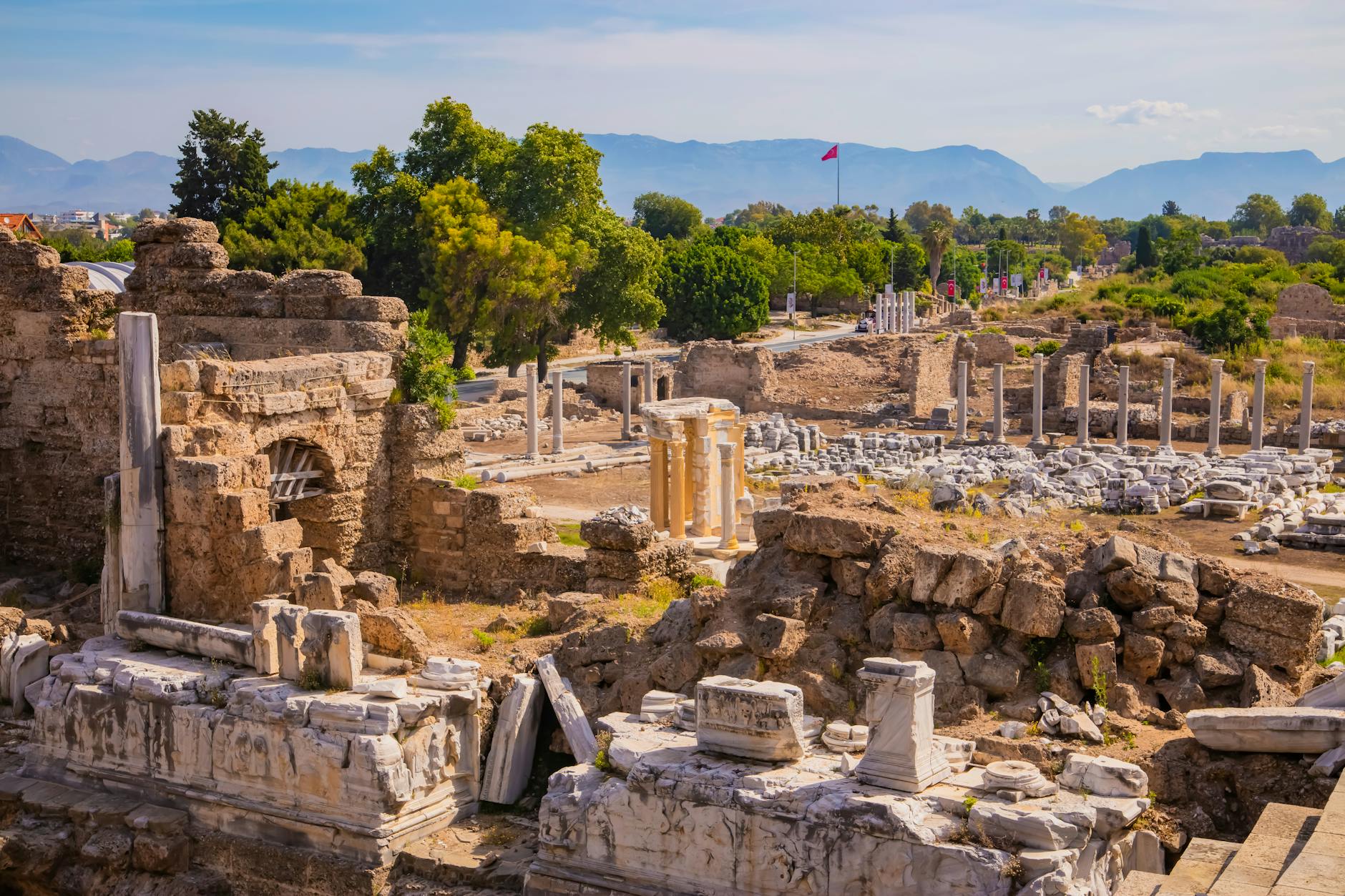
Against nomadic life, Khaldun placed sedentary life, meaning settled life in more permanent communities. Sedentary societies may include towns and cities, where people are less mobile and social organization becomes more elaborate.
In Khaldun’s view, sedentary life was marked by three trends:
- secularization
- decreased social cohesion
- increased interest in luxury
Secularization here means that religion plays a smaller public role and everyday life becomes more worldly in orientation. Decreased social cohesion means the bonds holding the group together weaken. Increased interest in luxury means people become more attracted to comfort, consumption, and refinement.
This is not just a moral complaint about enjoying nice things. It is a social diagnosis. If a society becomes comfortable and stratified, its members may no longer depend on one another in the same direct way. Shared hardship fades, and with it the intense solidarity that hardship once helped create.
Why luxury matters in social theory
Luxury in this context is not merely about expensive goods. It points to a shift in priorities. When a settled society becomes more interested in comfort and status, collective discipline may weaken.
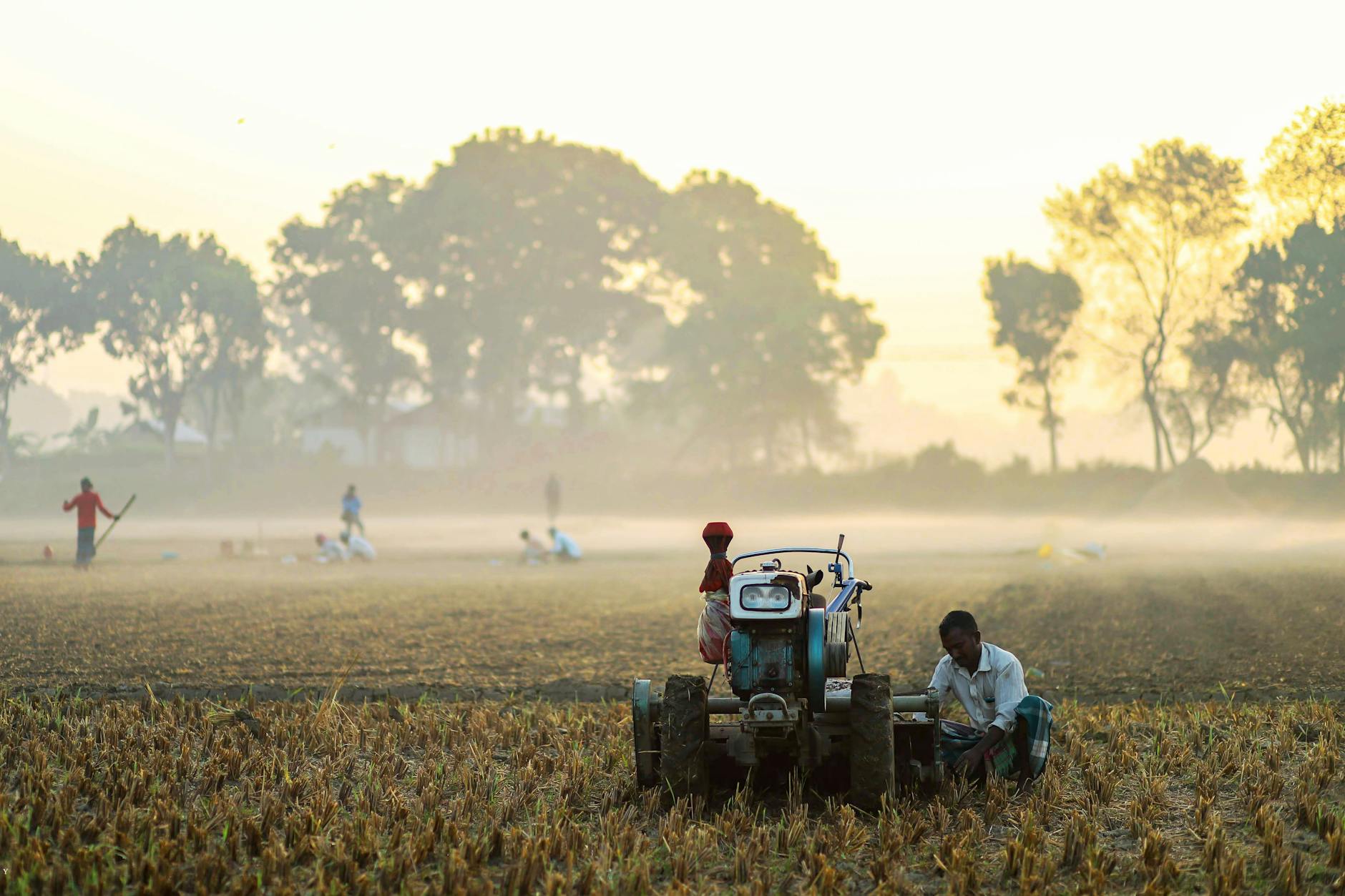
That idea connects with a larger pattern seen in many kinds of societies. As societies develop larger food surpluses and more complex economies, they often also develop stratification, meaning divisions in status, wealth, and power. Agrarian societies, for example, are noted for rigid social classes and strong inequalities based on landownership. Industrial societies also tend to show substantial inequality, even alongside greater social mobility.
Khaldun’s contrast between nomadic and sedentary life can therefore be read as an early reflection on a recurring social problem: prosperity can strengthen a society materially while weakening it socially.
Hidden causes behind what looks random
One of Khaldun’s most intriguing ideas is that society has a meaningful configuration. In other words, social life is not just chaos. Events that appear random may actually have hidden causes.
This is a powerful way to think about human affairs. Social changes may seem sudden or mysterious, but deeper patterns are often at work beneath the surface. Cohesion rises or falls. Norms change. Wealth accumulates unevenly. Institutions become more or less effective. Shared identities strengthen or weaken.
This search for hidden causes makes Khaldun feel surprisingly modern. Sociology later developed multiple ways of explaining society, including functionalism, conflict theory, and symbolic interactionism. These approaches differ, but all share the idea that social life has patterns that can be studied rather than dismissed as mere accident.
Khaldun’s contribution stands out because he gave a systematic account of how types of social structure shape the character of a society.
A non-Western theory of society with lasting force
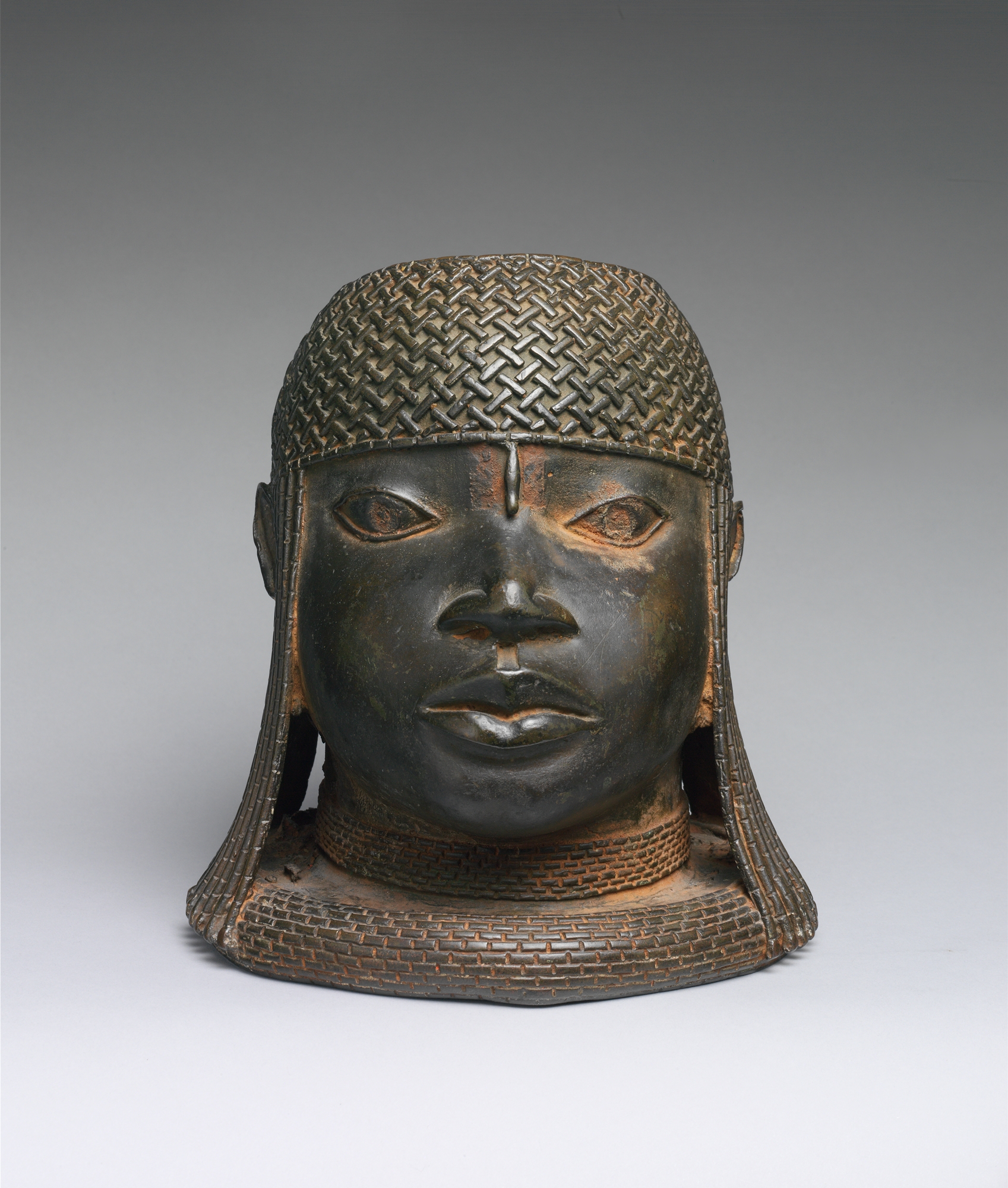
Khaldun is often highlighted as a major non-Western thinker who approached society in a systematic way. That matters because discussions of society have often centered on Western theories, even though important social thought emerged elsewhere too.
His framework was broad: society, like the rest of the universe, had meaningful configuration. Its apparent randomness came from hidden causes. Within society, he identified nomadic and sedentary forms as fundamental. He then explained how differences in cohesion, religion’s public role, and luxury could shape the trajectory of collective life.
This is one reason his work remains so fascinating. He was not simply describing customs. He was offering a theory of rise, stability, and decline grounded in the strength or weakness of social bonds.
Does comfort erode solidarity?
That question still resonates. Modern societies can be extraordinarily complex, technologically advanced, and rich in information. Some are industrial, centered on machine-powered mass production. Others are post-industrial, dominated more by services and information. In information societies, the creation, distribution, and use of information become central activities.
Yet advanced organization and material comfort do not automatically create cohesion. A society can become more productive, more urban, and more specialized while still struggling with fragmentation, inequality, or weakening shared purpose.
Khaldun’s contrast encourages a sharp question: if a group becomes increasingly comfortable, does it lose some of the solidarity that once held it together?
The question is not whether settled life is bad or nomadic life is good. It is whether prosperity and luxury can gradually reduce the shared discipline and mutual commitment that collective strength depends on.
Social cohesion in a wider context
Across societies, cohesion is shaped by norms, roles, kinship, politics, and economics. Kinship is especially important in many human groups, because it helps organize social relationships and can influence inheritance, status, and obligation. Governments and laws also shape behavior. Trade and economic systems affect how resources are distributed. Inequality can become massive, with wealth concentrated in a small share of the population.
All of these factors can influence whether people feel bound together or pulled apart.
Khaldun’s insight about asabijja fits naturally into this wider picture. Social strength is not just about military force, money, or institutions on paper. It depends on whether people see themselves as part of a shared whole and are willing to act together.
Why Ibn Khaldun still grabs attention
Ibn Khaldun’s theory endures because it turns a familiar assumption upside down. Wealth, cities, and settled life might look like obvious signs of strength. But he warned that a society’s real strength may lie somewhere less visible: in its cohesion.
Nomadic groups, though less luxurious, could possess stronger solidarity. Sedentary societies, though richer and more refined, could drift toward weaker bonds. And beneath all of it, what seems random may follow hidden causes.
That makes his thought feel both ancient and sharply current. Whenever people wonder whether comfort is making a community softer, whether luxury is replacing duty, or whether social bonds are fraying beneath the surface, they are circling a question Khaldun posed centuries ago.