The modern state can feel so normal today that it is easy to forget how unusual it once was. For most of human history, people did not live under the kind of political system now taken for granted: a centralized authority with defined borders, a government apparatus, and the power to regulate life across a territory. Earlier political forms included empires, city-states, theocracies, and feudal orders. The modern state emerged much later, and it took centuries to become the dominant way of organizing political power.
What made it so different was not just that it ruled land. Many older polities did that too. The difference was how deeply it reached into society, how clearly it tried to define its territory, and how strongly it claimed exclusive authority within its borders.
Watch the story on DeepSwipe
Before the modern state: a crowded political world
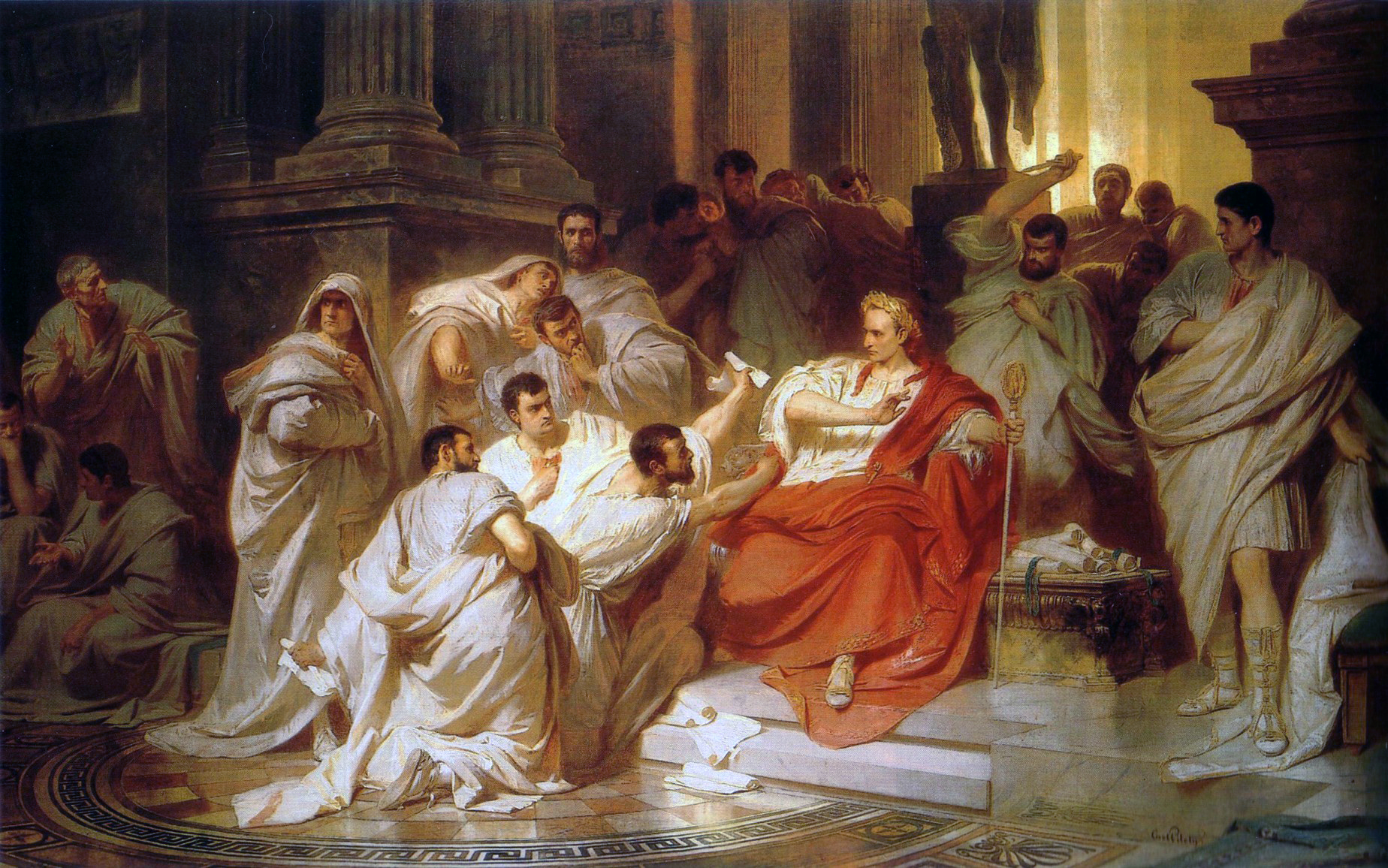
Long before modern states spread across the globe, political life came in many forms. Charles Tilly distinguished among empires, theocracies, city-states, and nation-states. In medieval Europe, feudalism organized society around ties between lords and vassals rather than around a single, fully centralized state. The primary competing organizational forms to the state also included religious organizations such as the Church and city republics.
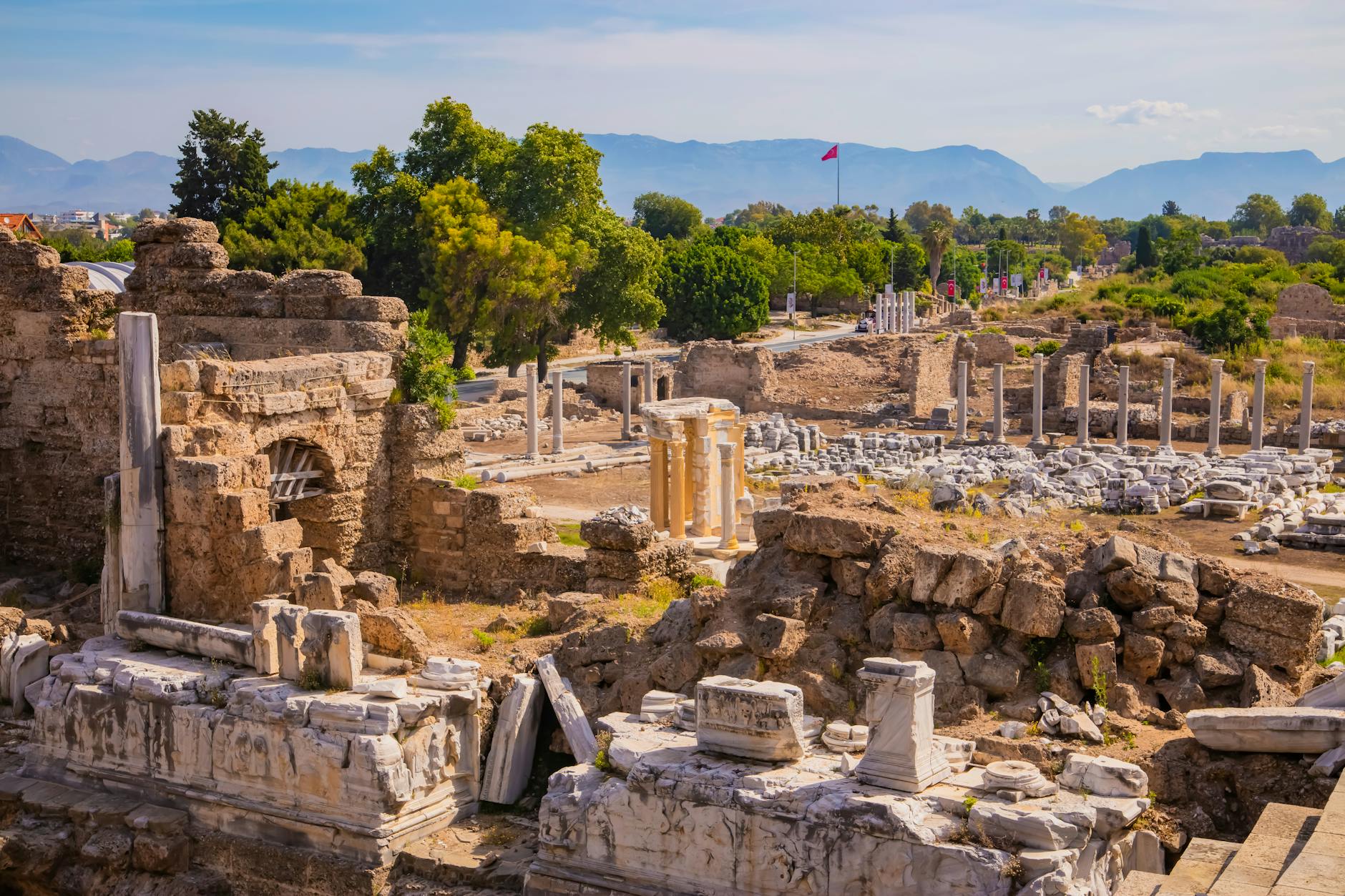
These older systems often looked very different from the modern model. Empires, for example, were typically much larger than states. They often lacked fixed or permanent boundaries, and they were made up of diverse groups and territorial units connected to the center in unequal ways. Rather than imposing one uniform authority across a clearly bounded space, empires tended to operate through overlapping jurisdictions and layered loyalties.
That is one reason the modern state stood out when it developed. It aimed to replace this patchwork with something more concentrated, more standardized, and more territorially precise.

A more centralized political form
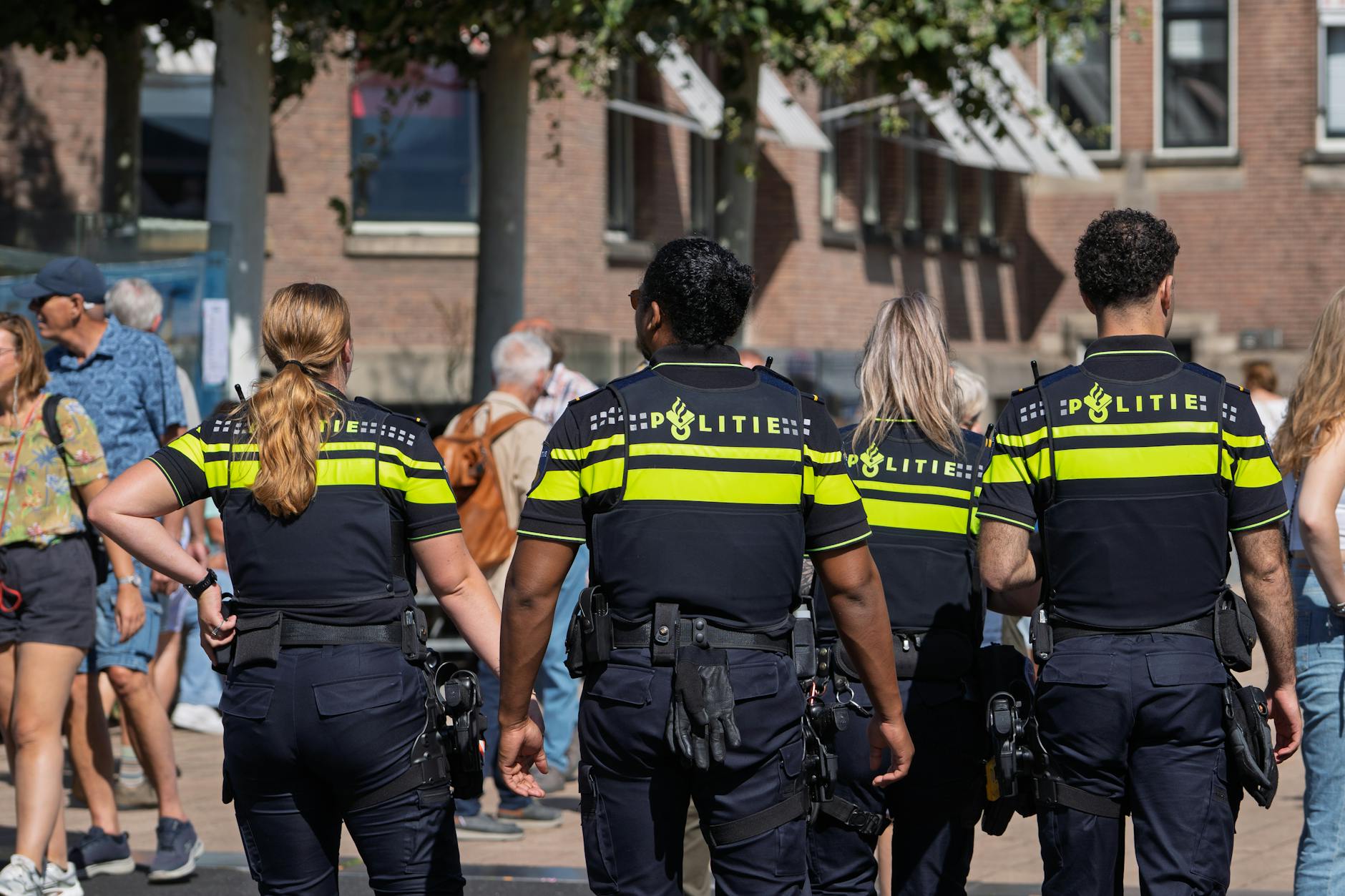
One widely used definition comes from Max Weber, who described the state as a political organization with a centralized government that claims a monopoly on the legitimate use of physical force within a given territory. In simpler terms, that means the state claims the recognized right to use force, or authorize its use, in a way others may not. This does not just mean armies. It includes institutions such as police and courts that enforce rules.
Walter Scheidel highlighted several features common to mainstream definitions of the state: centralized institutions, rules backed by force, a distinction between rulers and ruled, and a degree of autonomy and stability. These are the traits that separate states from looser and less stable forms of political organization.
The modern state pushed these traits further. According to Michael Hechter and William Brustein, it differed from older political arrangements in four important ways. It sought territorial expansion and consolidation. It achieved unprecedented control over social, economic, and cultural activities within its boundaries. It established ruling institutions that were separate from other institutions. And it became much more effective at monopolizing the means of violence.
That combination helps explain why the modern state became so powerful. It was not just another ruler sitting on top of society. It developed institutions that could penetrate society more thoroughly than many earlier polities ever could.
Reaching deeper into everyday life
One of the most important changes was the modern state's growing capacity to intervene in daily life. Hendrik Spruyt argued that modern states differed from earlier polities in part because they had a greater capacity to intervene in their societies. That meant they were not limited to war or tax collection. They increasingly shaped social order, economic activity, communications, and public administration.
Michael Mann described four persistent types of state activity: maintaining internal order, military defense and aggression, maintaining communications infrastructure, and economic redistribution. Those functions show how much broader state power could become. A state was not simply defending territory; it was also organizing roads or other communications systems, regulating internal peace, and redistributing goods.
Over time, states also built institutions that were more clearly separated from the rest of society. Governments are the groups of people who administer the state at a given time, but the state itself is a continuing organization. This distinction matters. Governments change; the state persists. That continuity made the modern state more durable and more capable of long-term administration.
This growing reach was tied to bureaucracy as well. Bureaucracy refers to organized administration through officials, rules, and offices. The article explains that bureaucratization made expansion over large territories possible. A political system that can store information, administer laws, and coordinate people through a permanent administrative structure can exercise much more regular control than one that depends only on personal loyalty.
Borders became clearer, and authority became tighter
Another major shift was territorial. Modern states increasingly aimed for fixed boundaries. This marked a contrast with empires, which often had moving frontiers and overlapping jurisdictions. A boundary is not just a line on a map; it signals where one authority ends and another begins.
Josep Colomer contrasted empires and states by noting that states had fixed boundaries and sought supreme authority over a territory and population. Empires, by contrast, lacked permanent borders and were less uniform in their control. The modern state's ambition was to create a clearer territorial container for power.
This was linked to sovereignty. Sovereignty is the recognized right of a state to govern itself and its territory. A sovereign state is not dependent on another power in the same way a subordinate polity would be. In modern international life, sovereignty is also tied to recognition by other states. Modern academic definitions often include the idea that a state must be recognized as such by the international community.
The Montevideo Convention gave a famous formula for statehood: a permanent population, a defined territory, a government, and the capacity to enter into relations with other states. Together, these ideas helped solidify the modern image of what a state is supposed to be.
The road from medieval orders to modern states
The rise of the modern state was not a sudden invention. It grew out of long historical changes. During medieval times in Europe, feudal arrangements organized much of political and social life. Power was dispersed through layered obligations rather than concentrated in a single centralized apparatus.
Over time, struggles over taxation between monarchs, nobles, and cities led to political arrangements sometimes called the state of Estates, in which key social groups negotiated with the king about legal and economic matters. In some places, these estates developed toward parliaments. In others, monarchs prevailed, centralizing lawmaking and military power.
Beginning in the 15th century, this centralizing process gave rise to the absolutist state. From there, further changes helped produce the modern state system. Cultural and national homogenization became increasingly important. States were organized more on a national basis, even though state and nation were never perfectly identical. A nation refers more to a cultural-political community of people, while a state is a political and legal organization.
The modern state also came to be supported by rational-legal bureaucracy and by the principle of international legal sovereignty. Spruyt emphasized both points: the modern state had greater capacity to intervene internally, and it was reinforced externally by a legal order in which states were treated as sovereign and judicially equivalent.
Why it became dominant
The modern state did not merely survive alongside rivals. It became the dominant political form. One explanation is competition. According to Philip Gorski and Vivek Swaroop Sharma, a leading framework in scholarship explains the rise of sovereign states through a kind of selection process: some political forms proved better able to compete and endure.
War has often been treated as central to this process. Tilly argued that war making and state making were deeply connected, even saying that wars create states and vice versa. In his view, states built power by eliminating outside rivals, neutralizing internal rivals, extracting resources, and offering protection. That combination strengthened centralized rule.
Economic and institutional explanations also matter. Some theories emphasize trade, property rights, and capitalism. Others stress that the state was an organizational form better able to solve problems of conflict and cooperation than rival forms were.
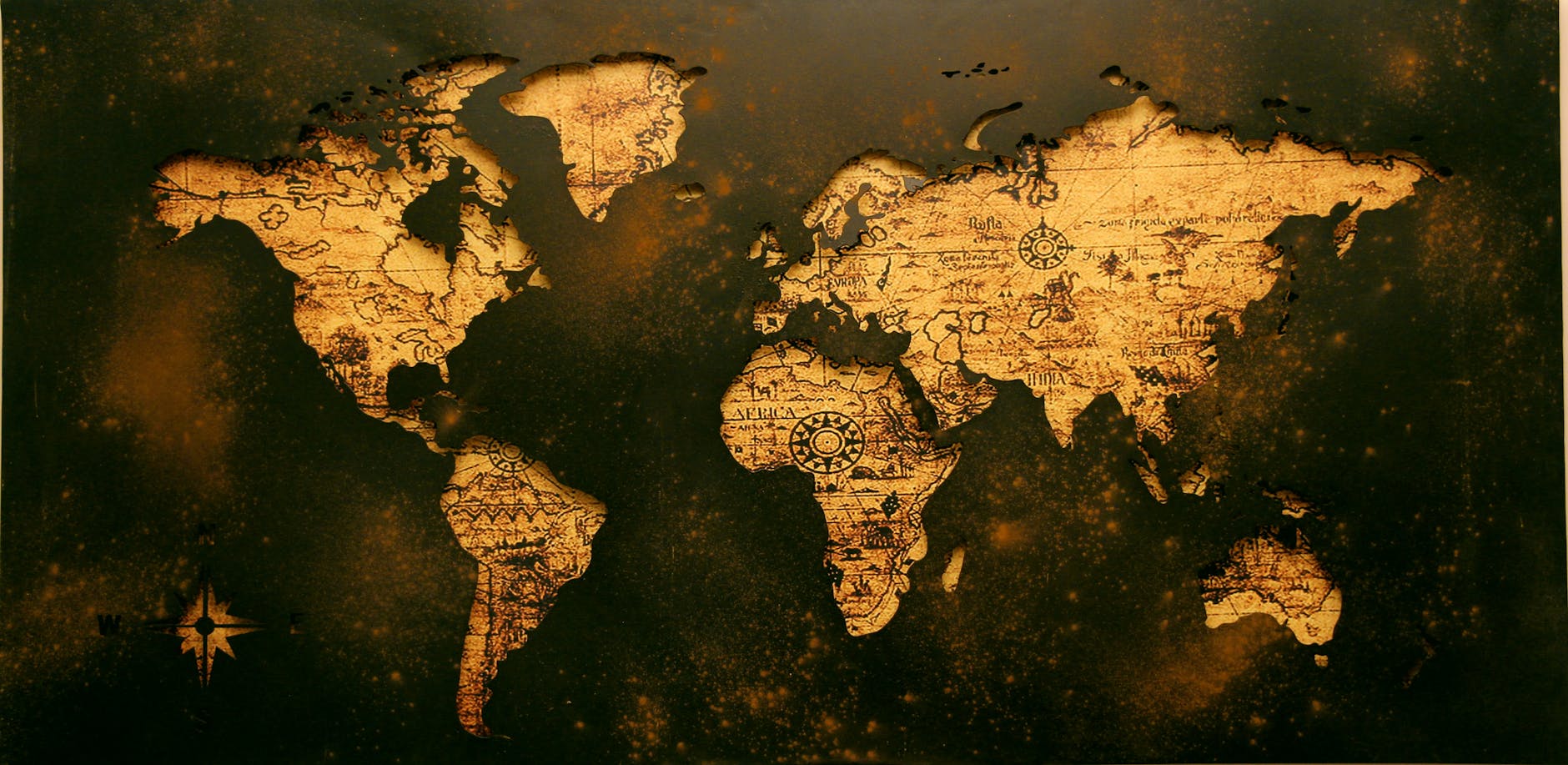
Whatever the exact mix of causes, the result was dramatic. Since the late 19th century, virtually all inhabitable land has been divided into areas claimed by states with more or less definite borders. The world map changed from a landscape of mixed political forms into one dominated by states.
The map we live with now
Today, the state is so widespread that it can seem almost natural. But that political map is historically recent. For most of prehistory, humans lived in stateless societies. Even long after the first states appeared, alternative forms of organization remained common. Only in relatively modern times did states nearly displace those alternatives across the planet.
Even now, the fit is not always perfect. Some states are described as weak or failed when they cannot effectively provide security, maintain order, or exercise control across all the territory they claim. That shows that the modern state is an achievement, not a guarantee.
Still, its triumph is unmistakable. The modern state brought together centralized institutions, fixed or more definite borders, stronger internal authority, and growing capacity to regulate social, economic, and cultural life. It did not simply appear. It was built, contested, and gradually solidified over centuries until it became the main political form shaping the modern world.