Watch the story on DeepSwipe
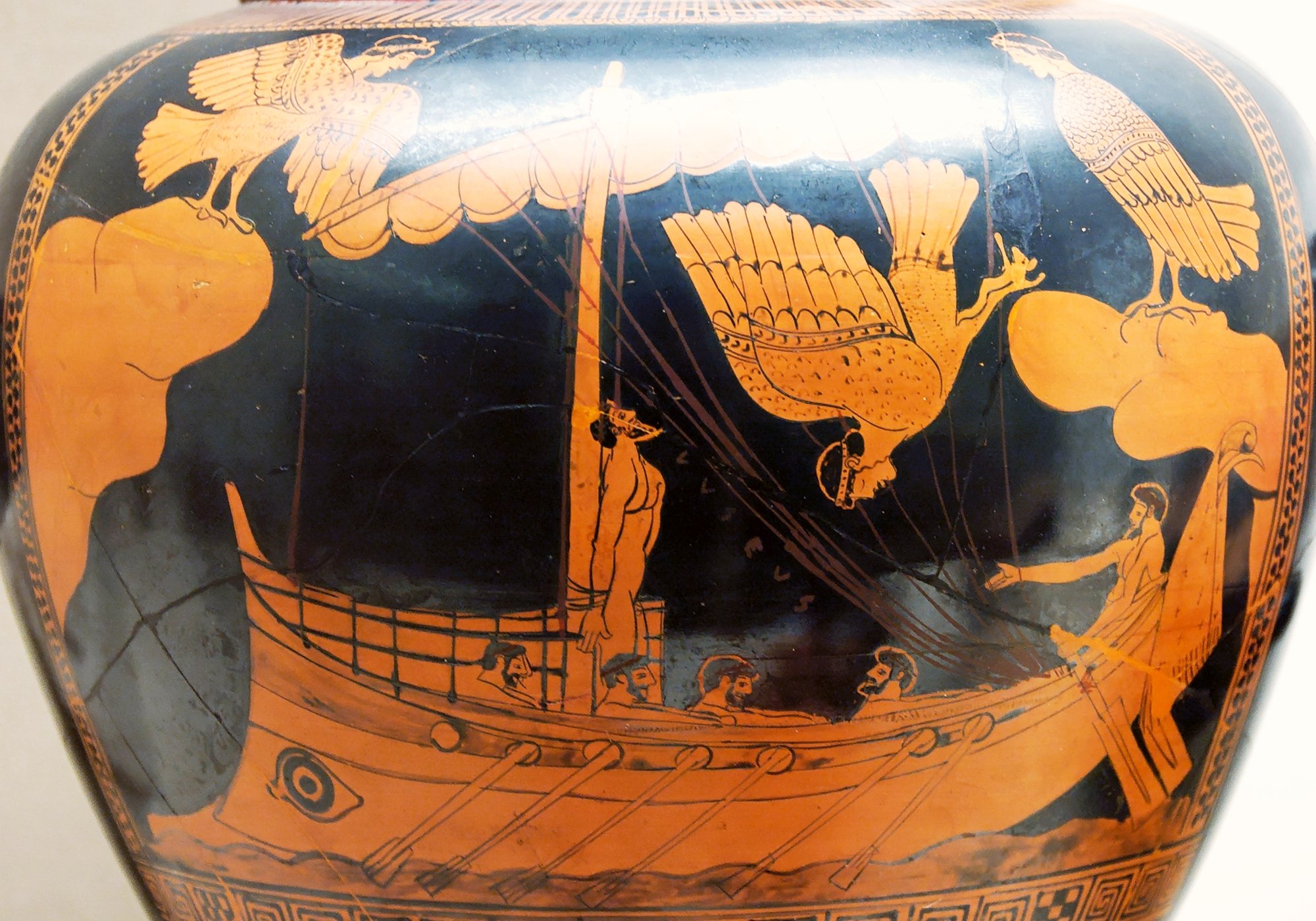
An old poem with an unusually long afterlife
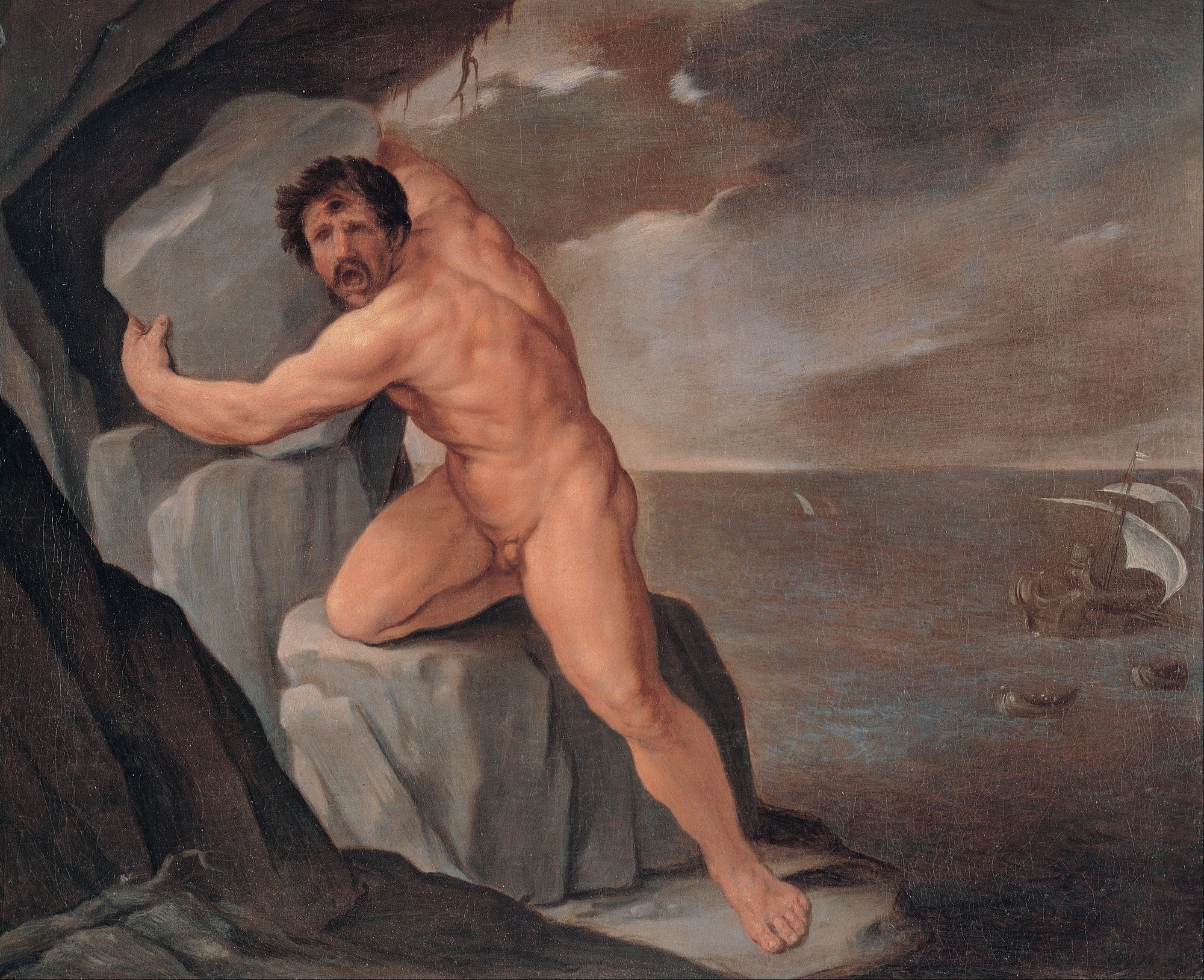
The Odyssey is one of the oldest surviving works of literature, yet it still moves through modern culture with surprising energy. It tells the story of Odysseus, king of Ithaca, struggling to return home after the Trojan War. That return takes ten more years, and along the way he faces storms, monsters, divine interference, captivity, and the complete loss of his crew. At home, his wife Penelope and son Telemachus must endure a crowd of suitors who assume Odysseus is dead.
For a work so ancient, the poem has proved remarkably durable. In a 2018 BBC Culture poll of experts on the world’s most enduring narrative, The Odyssey came out on top. That result makes sense when you look at what the poem contains: adventure, suspense, disguise, revenge, family reunion, and a deep concern with what it means to leave home and what it takes to get back.

It began as a spoken performance, not a silent book
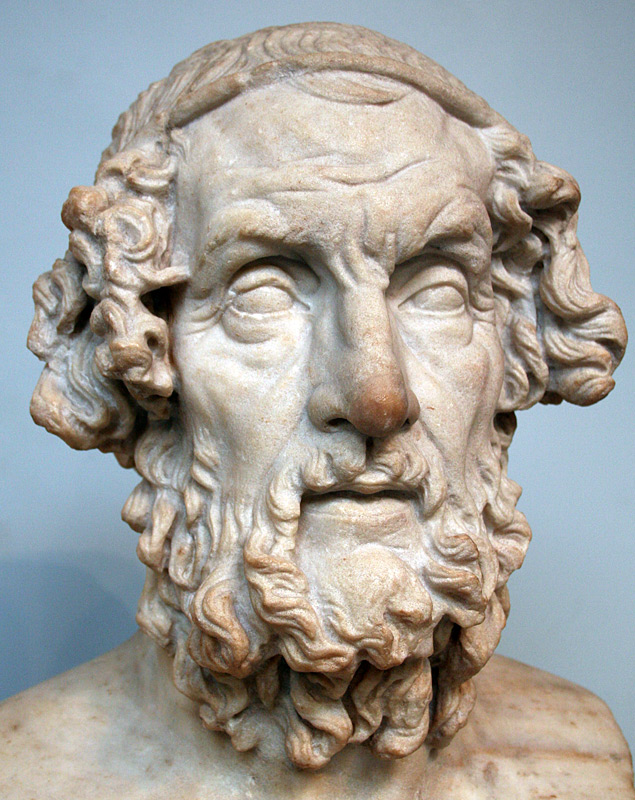
One reason The Odyssey still feels alive is that it was born in performance. It was composed in Homeric Greek around the 8th or 7th century BC, but scholars agree that the Homeric epics developed within a long oral tradition. An oral tradition is a way of preserving stories through speaking, reciting, and performing them rather than writing them down.
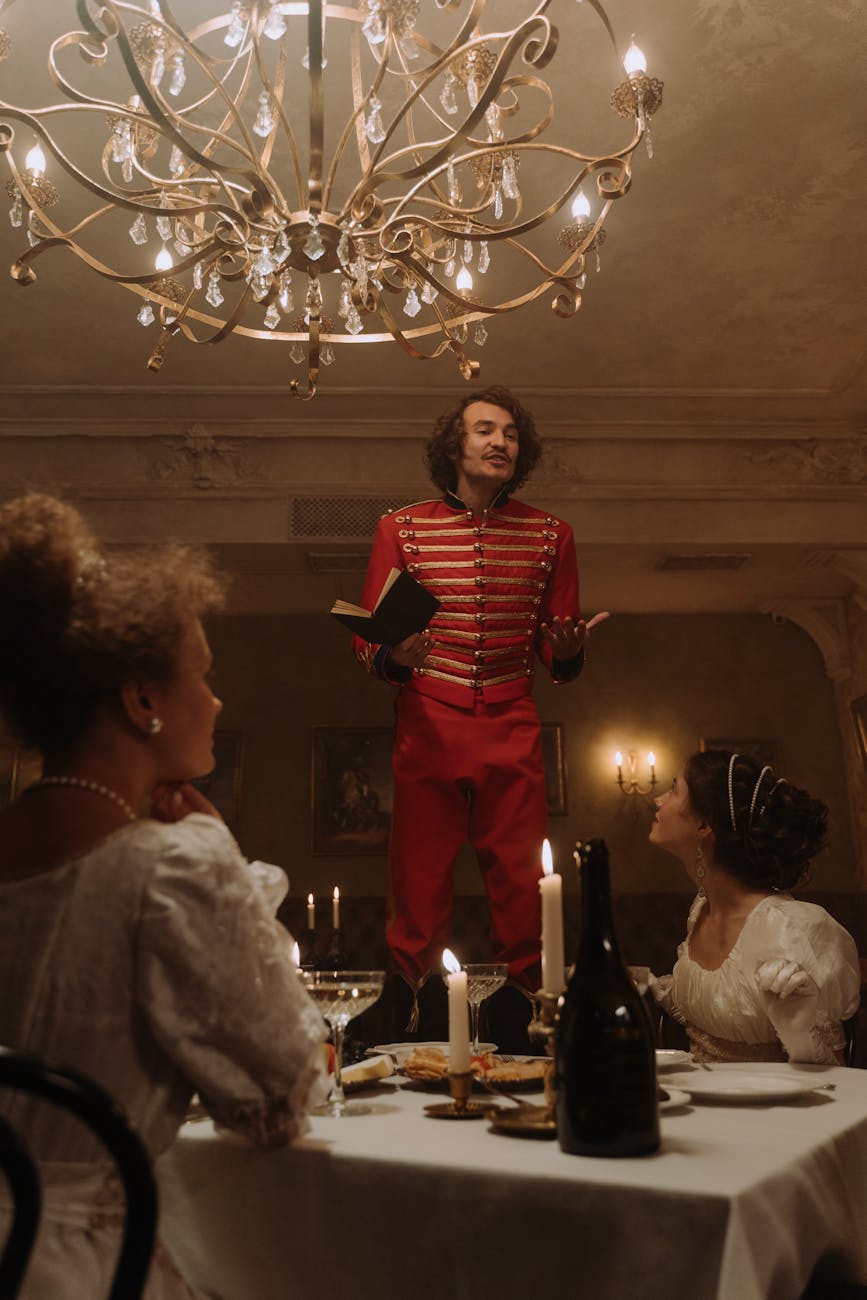
That matters because a poem shaped for live audiences behaves differently from a text written only for private reading. The Odyssey was likely performed by an aoidos or a rhapsode. These were professional performers of epic poetry. The poem itself even includes singers such as Phemius and Demodocus, which makes storytelling part of the story.
Because performance depends on audience response, the poem may have varied from one telling to another. That flexibility helps explain why The Odyssey feels less like a frozen relic and more like a story designed to travel. Its language is described as simple, direct, and fast-paced, and much of the narrative unfolds through speeches by its characters. In other words, even on the page, it still carries the voice of performance.
A story built to travel
The Odyssey is, among other things, a poem about wandering. Odysseus does not move in a straight line from war to home. He drifts, is delayed, is hidden, is blown off course, and repeatedly enters worlds that feel close to the divine or outright beyond the ordinary human realm.
This wandering is one of the poem’s central themes. Another is nostos, an Ancient Greek word meaning “return” or “homecoming.” In the poem, nostos is more than simple arrival. It includes the voyage itself and the emotional and moral challenge of reclaiming one’s place.
That is part of why the story has remained so reusable. The Odyssey is not just a sequence of strange adventures. It is also a structure for thinking about displacement, delay, identity, and recovery. Odysseus is hidden on Calypso’s island. He is shipwrecked among the Phaeacians. He returns home disguised as a beggar. Again and again, the poem asks a question that never gets old: how do you know when someone has truly come home?
Why later cultures kept carrying it forward
The Odyssey did not survive by accident. It was read, studied, performed, translated, copied, and reinterpreted across centuries. It became part of Greek literary culture by the mid-6th century BC and later held an important place in education across the Greek-speaking world. In ancient Athens, performances of Homeric poetry probably featured at the Panathenaia, a civic and religious festival.
The poem remained widely studied in the Byzantine Empire as well, where students learned from it even though Homeric Greek could be difficult and often required explanatory material. By the middle Byzantine age, adults were also reading the epics for pleasure, not only as school texts.
The first printed edition of the Odyssey appeared in 1488, produced by the Greek scholar Demetrios Chalkokondyles in Milan. After that, translations into modern European languages multiplied, especially in the 16th century. A translation is never just a copy; it is also a cultural handoff. Each new language gave the poem another life and another audience.
The first completed English translation of the Odyssey came through George Chapman, whose versions became the first modern translations to enjoy widespread success. Later translators and adapters continued reshaping how readers encountered the poem. That long chain of retelling is one reason The Odyssey never really stopped traveling.
Writers keep reopening the poem
The Odyssey has inspired an enormous range of later literature, but some of the most influential reworkings come from writers who return to it in order to change the point of view.
James Joyce’s Ulysses, published in 1922, was significantly influenced by the Odyssey. Joyce reimagined the epic in Dublin and built his novel in sections that roughly correspond to the poem’s books. That kind of transformation shows the flexibility of the original: a Bronze Age homecoming story could be reconfigured into a modernist novel and still hold together.
Other writers have returned to the poem to focus on voices that the epic leaves in the background. Margaret Atwood’s The Penelopiad revisits Penelope and the twelve female slaves hanged by Odysseus at the end of the story. Madeline Miller’s Circe revisits the relationship between Odysseus and the sorceress Circe on Aeaea. These retellings do not merely repeat the poem. They test it, question it, and reveal how much remains unsettled inside it.
That helps explain the poem’s longevity. The Odyssey is not enduring because everyone agrees on what it means. It endures because new readers and writers can argue with it.
It keeps spreading across media
The Odyssey has not remained confined to books. It has been adapted into film, television, opera, ballet, symphonic music, and other forms. That broad adaptability mirrors the poem’s own interest in movement and transformation.
Film and television versions range from the Italian silent film L'Odissea (1911) to the television miniseries The Odyssey (1997), and later screen projects continue to appear. Opera found inspiration in the poem as early as Claudio Monteverdi’s Il ritorno d’Ulisse in patria, first performed in 1640, based on the second half of the epic. Musical retellings continue as well, including works centered on the Sirens or Odysseus’s return to Ithaca.
This matters because stories survive best when they can change form. The Odyssey can be staged as spectacle, compressed into children’s adaptations, expanded into novels, or reimagined through music. Its episodes are vivid enough to stand alone, but its deeper themes still bind them together.
Why it still feels current
The Odyssey remains compelling because it combines familiar human experiences with strange and memorable imagery. It is full of tests, omens, acts of hospitality and hostility, recognitions, and reversals. It asks whether a person can remain the same after years of wandering. It asks what loyalty looks like in absence. It asks whether returning home is a simple ending or another trial.
The poem also gives unusual weight to people beyond battlefield heroes. Scholars have noted the narrative prominence of women and slaves in the epic. That broader social focus helps make the world of the poem feel layered rather than narrow.
Even structurally, The Odyssey invites rediscovery. It begins in medias res, meaning “in the middle of things,” and fills in earlier events through flashback and storytelling. Odysseus is not just a hero inside the narrative; he is also one of its great storytellers. That layered design makes the poem feel modern in its own way.
A story about return that never settles down
There is a final irony at the heart of The Odyssey. Its great theme is homecoming, yet the poem itself never stopped moving. It passed through oral performance, schoolrooms, manuscripts, printed editions, translations, scholarly debate, novels, films, and musical works. Every era seems to find a different use for it.
That may be the real secret of its endurance. The Odyssey is a story about getting home, but it survives because it keeps finding new homes of its own.