Full article · 7 min read
Humans and the Planet: A Double-Edged Presence
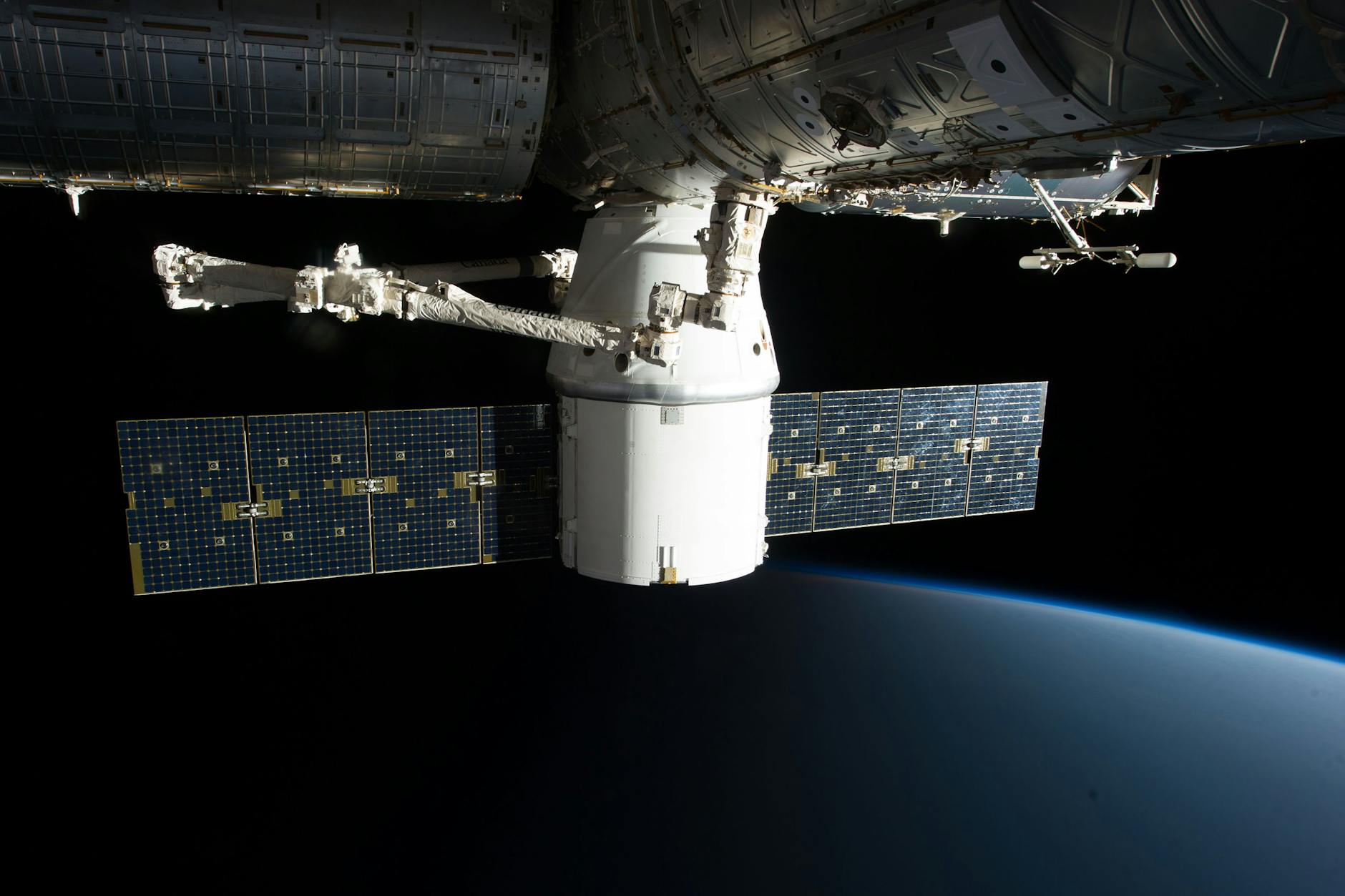
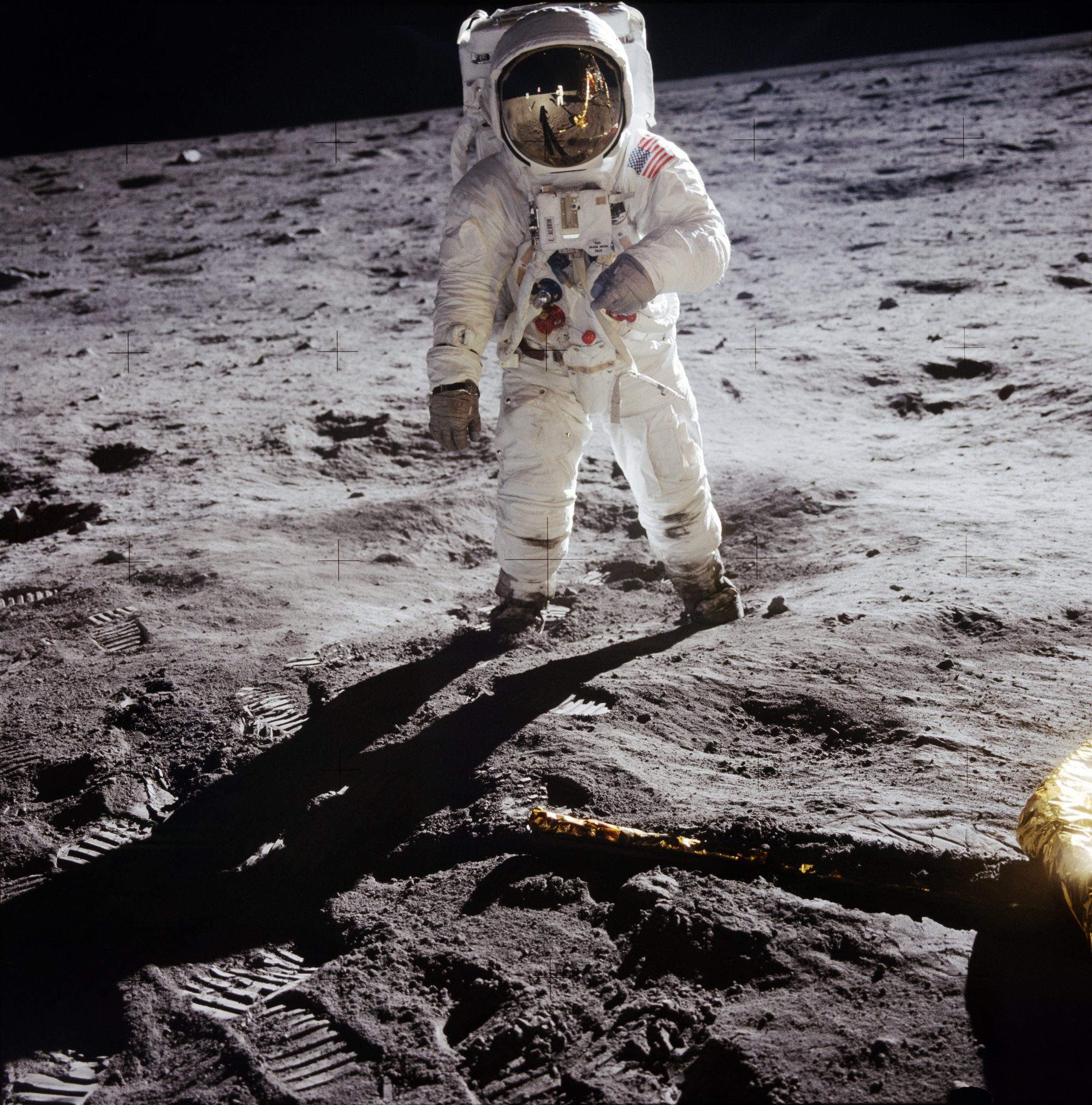
Humans are remarkable for one simple reason: we do not just live in environments, we transform them. Our species has spread across nearly the entire globe, from tropical rainforests and deserts to arctic regions and heavily polluted cities. Within the last century, humans have even explored Antarctica, the deep sea, and outer space. We have walked on the Moon, sent robotic spacecraft to other celestial bodies, and maintained a continuous human presence in space through habitation on the International Space Station since 2000.
That extraordinary reach is only one side of the story. The other is harder to ignore. Human population growth, industrialisation, land development, overconsumption, and the combustion of fossil fuels have led to environmental destruction and pollution. These pressures significantly contribute to the ongoing mass extinction of other forms of life. In other words, the same species capable of exploring worlds beyond Earth is also reshaping life on Earth in profound and dangerous ways.
Why humans can go almost anywhere
Humans are one of the most adaptable species on Earth. That adaptability does not mean we are naturally suited to every climate. In fact, humans have a relatively narrow tolerance for many extreme environments. What makes the difference is technology.
By using advanced tools and clothing, humans have extended their tolerance to a wide variety of temperatures, humidities, and altitudes. Irrigation, urban planning, construction, and other forms of habitat alteration have allowed people to settle in places that would otherwise be difficult or impossible to inhabit. This is why humans are now present in all eight biogeographical realms, even if presence in Antarctica remains limited mostly to research stations and drops during the winter months.
A biogeographical realm is a large region of the planet defined by its distinct living communities. Humans have established nation-states across seven of these realms, from Brazil and the United States to India, Russia, South Africa, Australia, and Fiji. That global spread makes humans a truly cosmopolitan species, meaning one found across most of the world rather than confined to a narrow range.
This ability to adapt also has deep historical roots. For most of human history, people lived as nomadic hunter-gatherers. Later, the Neolithic Revolution brought agriculture and permanent settlement in multiple parts of the world. That shift changed everything: food surpluses, cities, civilizations, and steady population growth all followed.
From local settlements to a planet-sized footprint
Early human settlements depended heavily on access to water, prey animals, and arable land. Over time, humans became increasingly able to alter landscapes to suit their needs. Forests could be cleared, land could be cultivated, animals domesticated, and cities built. These changes were often driven by practical goals: more food, greater safety, more comfort, or easier exchange of resources.
As population grew, so did the scale of that transformation. Human population is estimated to have reached one billion in 1800. It then rose rapidly: two billion in 1930, three billion in 1960, four billion in 1975, five billion in 1987, six billion in 1999, seven billion in 2011, and eight billion in November 2022. As of 2026, there are estimated to be more than 8 billion living humans.
That growth matters environmentally because more humans generally means more land use, more energy demand, more material consumption, and more waste. The article links several major drivers to environmental damage: population growth, industrialisation, land development, overconsumption, and burning fossil fuels. Fossil fuels are energy-rich materials such as coal, oil, and natural gas formed from ancient organic matter. Their combustion powers much of modern industry and transport, but it also contributes heavily to pollution.
The result is not just local disruption. It feeds into a mass extinction, a period in which many species disappear worldwide in a geologically short span of time. That phrase sounds dramatic because it is. Extinction is a normal part of Earth’s history, but the current rate is tied significantly to human activity.
Humans as apex predators
Humans are omnivorous, meaning we can consume both plant and animal material. We have used fire and other forms of heat to prepare and cook food since the time of Homo erectus. We are also described as apex predators, which means top predators in a food web that are rarely preyed upon by other species.
Being an apex predator is not only about teeth or claws. In the human case, it is also about intelligence, tools, cooperation, and the ability to reshape surroundings. Humans developed sophisticated tools over a very long period, from early stone tools to the technologies of the modern world. That long technological arc helped humans hunt, cultivate land, domesticate animals, move across continents, and eventually industrialize.
Because humans sit so high in food systems, our decisions have outsized consequences. The article’s key point is that humans do not merely participate in ecosystems; we reshape them. When forests are cleared, land is developed, or resources are consumed faster than ecosystems can recover, the effects ripple outward through many other species.
We go where almost nothing else can
Few facts capture human ambition more vividly than the environments we have entered within the last century. Antarctica, the deep sea, and outer space are all described as challenging environments for human exploration. Yet humans have reached each of them.
Antarctica is the coldest continent and one of the least hospitable places for long-term human life. Human habitation there is limited and usually tied to research stations. The deep sea is another hostile environment, restrictive and expensive for people to inhabit, and human presence there is usually temporary and linked to scientific, military, or industrial expeditions.
Then there is space. Humans have visited the Moon and sent human-made spacecraft to other celestial bodies, becoming the first known species to do so. Since 2000, people have continuously lived in space aboard the International Space Station, a permanently crewed orbiting laboratory used for long-duration habitation and research.
This is an astonishing contrast: the same species that remains biologically limited in extreme conditions has used technology to step beyond Earth itself.
The paradox of human progress
Modern human history includes immense technological acceleration. The Industrial and Technological Revolution brought major innovations in transport, energy development, medicine, imaging, and communication. The current Information Age, driven by the Internet and artificial intelligence systems, has made the world increasingly interconnected.
But progress has not been environmentally neutral. Industrialisation and overconsumption are named directly as causes of destruction and pollution. Land development changes habitats. Fossil fuel combustion adds further environmental stress. A species capable of scientific revolutions and space travel is also capable of producing ecological damage on a planetary scale.
That is why humans can seem like a double-edged force. On one edge lies adaptation, curiosity, exploration, and technical achievement. On the other lies environmental pressure intense enough to affect the survival of countless other life forms.
A species asking itself difficult questions
Humans are highly curious and study both the world and themselves through science, philosophy, history, psychology, medicine, and other fields. That self-awareness matters. Humans are not just changing the planet; they are able to notice that they are doing so, investigate the causes, and debate what should happen next.
This capacity for reflection may be one of the most important features of our species. Humans have large brains relative to body size and especially large development in parts of the brain associated with higher-order functions. Humans also form complex social structures and institutions, from families to political states, and build systems of knowledge that can be passed from one generation to the next.
In practical terms, that means environmental destruction is not simply something humans do blindly. It is also something humans can analyze, argue over, and potentially respond to through collective action. The same abilities that enabled global expansion and technological power also enable long-term planning, moral concern, and scientific understanding.
One planet, one species with enormous reach
Humans are unusual in the history of life. We are animals, apes, toolmakers, social beings, explorers, and apex predators. We spread into nearly every environment on Earth and then pushed beyond Earth. Yet our footprint has become so large that it now significantly contributes to an ongoing mass extinction.
That is the human contradiction in its starkest form. We are the first known species to send spacecraft to other worlds, but we remain deeply tied to the fate of life on this one. Our success has made us powerful enough to alter ecosystems on a global scale. Whether that power leads only to further damage, or also to protection and restraint, is one of the defining questions of human life on Earth.
Sources
Based on information from Human.
More like this
We made it to the Moon — now take your brain on a smaller trip with bigger daily rewards. Download DeepSwipe and explore smarter.