Full article · 7 min read
Human Settlement Origins: From Prehistoric Camps to the First Villages
Human settlement began long before towers, streets, and giant cities reshaped the landscape. The earliest chapter is far older and simpler: small groups of people living together in particular places, leaving behind traces that reveal how settlement first began.
A settlement is, at its core, a community of people living in one place. That can mean something as small as a handful of dwellings or as large as a major city and its surrounding urbanized area. Over time, settlements have included homesteads, hamlets, villages, towns, and cities. But the deepest origins of settlement lie far back in prehistory, when the first evidence appears not in bustling towns, but in ancient human remains and modest built shelters.
How far back does settlement history go?
The earliest geographical evidence of a human settlement described here comes from Jebel Irhoud. There, the remains of eight early modern humans date to the Middle Paleolithic, around 300,000 years ago.
The Middle Paleolithic was an early phase of human prehistory, long before writing, states, or agriculture. It belongs to the broader Stone Age, when stone tools were central to daily life. Seeing evidence of settlement from this period is remarkable because it shows that humans were already associated with particular places on the landscape on a very deep timescale.
This does not mean cities existed that early. Instead, it points to the beginnings of people gathering and living in identifiable locations. In the story of settlement, that distinction matters. A settlement does not need roads, walls, or formal government to count as a place where people lived together.
The oldest known dwellings were humble huts
If Jebel Irhoud gives very ancient evidence of settlement, the oldest remains of constructed dwellings add another crucial piece to the puzzle: actual built homes.
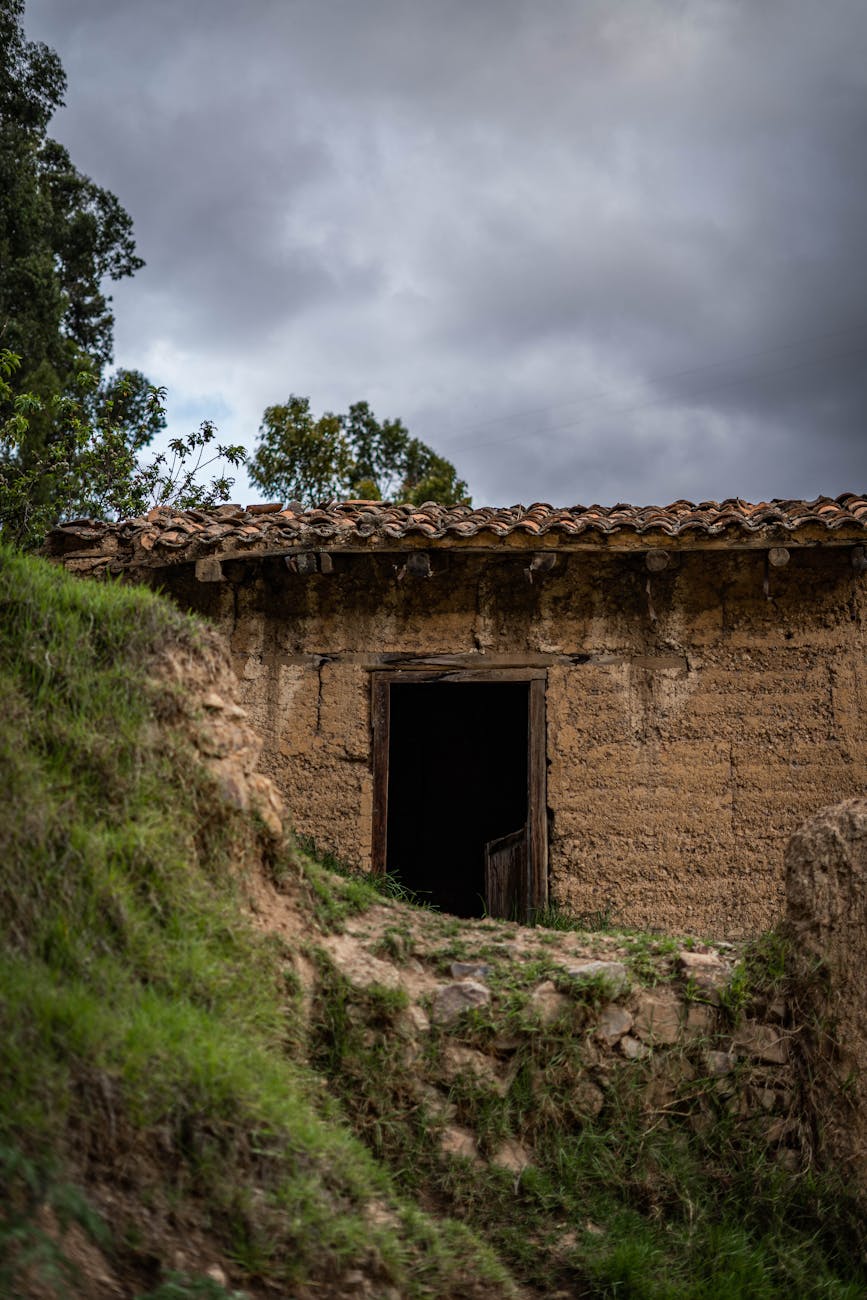
Those oldest known dwelling remains come from Ohalo, near the Sea of Galilee, and date to around 17,000 BC. They were huts made from mud and branches. That detail is easy to overlook, but it says a lot. These were not permanent stone houses or monumental buildings. They were practical shelters made from available natural materials, built to meet basic needs.
Today, the Ohalo site is underwater, which adds an intriguing twist to the story. Ancient places where people once lived do not always remain visible on dry land. Landscapes change over thousands of years, and settlement evidence can be buried, eroded, or submerged.
Even so, these huts stand as a powerful sign that humans were not only occupying places, but actively constructing dwellings within them. In other words, settlement was becoming something shaped by human hands.
Why simple shelters matter so much
A hut made of mud and branches might sound modest, but in settlement history it marks an important threshold. Constructed dwellings show more than survival. They suggest planning, repeated use of place, and some degree of attachment to a location.
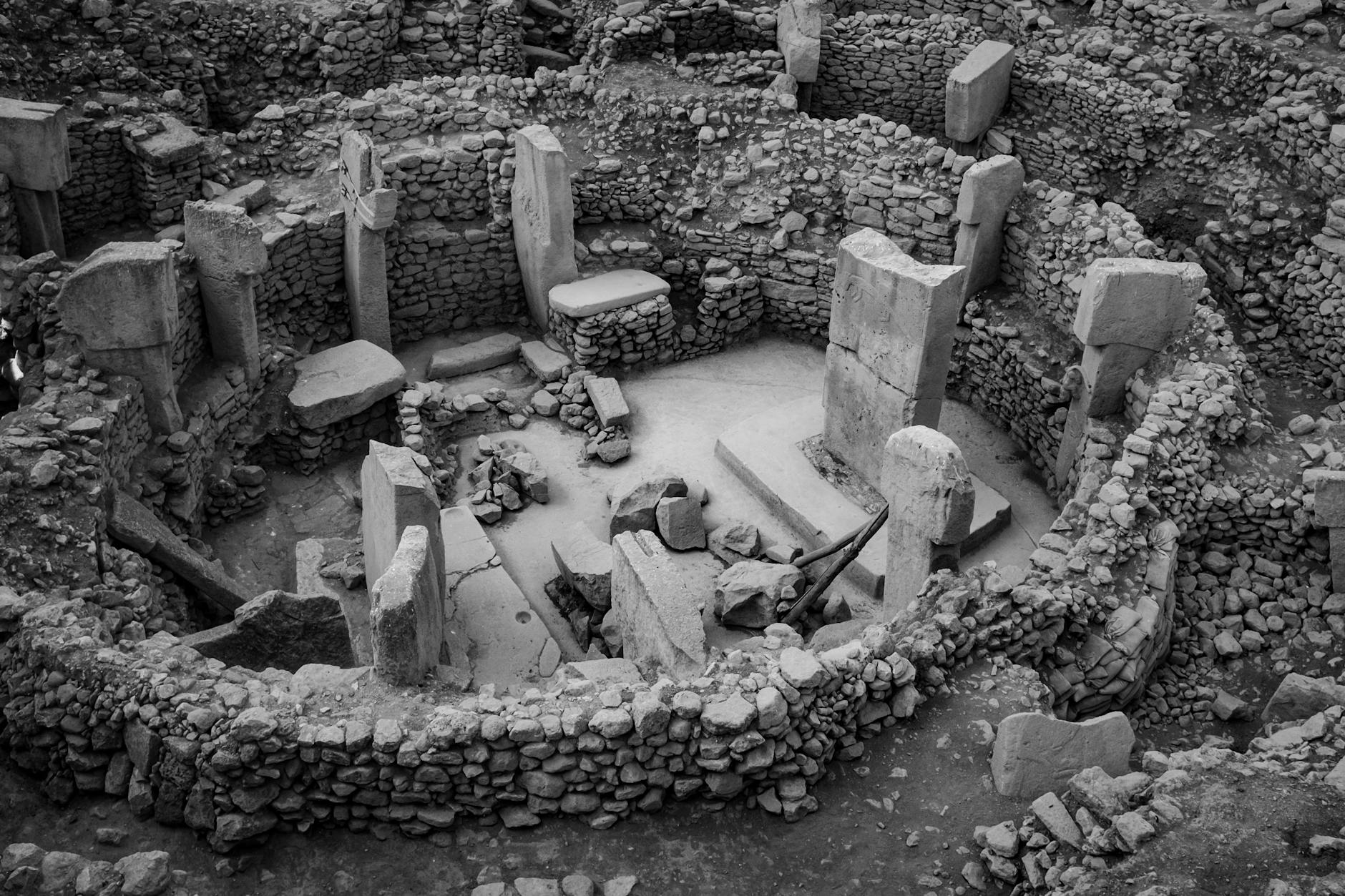
That is one of the key ideas behind settlement geography and archaeology. Researchers are interested not only in where people were, but in how they organized space. A settlement conventionally includes constructed features such as roads, enclosures, field systems, boundary banks and ditches, ponds, parks and woodlands, wind and watermills, manor houses, moats, and churches. Those features belong mostly to much later and more complex settlements, but the underlying principle is the same: people transform places when they settle.
The huts at Ohalo represent an early and very basic version of that transformation. Humans were creating built space rather than merely passing through it.
The Natufians and the rise of houses in the Levant
Another major step in the story came with the Natufians, who built houses around 10,000 BC in the Levant.
The Natufians were a late Stone Age people in the Middle East, and the Levant refers to the eastern Mediterranean region that includes areas such as modern-day Israel, Palestine, Jordan, Lebanon, and Syria. Their place in settlement history is important because they are linked here with some of the earliest settled communities.
Houses are more than shelters. Compared with temporary camps, they suggest a stronger and more lasting relationship with one place. Once houses appear, the idea of a settlement becomes easier to recognize in a form that feels familiar: a place with structures, repeated habitation, and community life rooted in a location.
This does not yet mean the world had villages everywhere. But it does show that settled ways of living were becoming more visible in the archaeological record.
Agriculture changed everything for villages
After the invention of agriculture, remains of settlements such as villages become much more common. This is one of the biggest turning points in the entire history of human settlement.
Agriculture means the cultivation of crops and the wider shift toward food production. When people rely on farming, staying in one place becomes far more practical. Fields need tending, harvests happen seasonally, and food production ties communities to land. That helps explain why village settlements became more widespread after farming appeared.
The oldest settlement of this kind mentioned here is Jarmo, located in Iraq. Jarmo stands as part of that wider transition: once agriculture entered the picture, settlement was no longer an occasional or limited pattern. It became a much more common way of life.
From scattered dwellings to settlement patterns
As settlements became more common, they also began to take different forms. Landscape history studies the morphology, or form, of settlements. That includes whether they are dispersed or nucleated.
A dispersed settlement is spread out, with homes and buildings separated across an area. A nucleated settlement is clustered together more tightly. This may sound like a technical distinction, but it helps explain how people organized community life in different times and places.
Researchers also study settlement hierarchy, which orders settlements by size, centrality, or other factors. In simple terms, that means comparing places according to how large or important they are within a region. A village, town, and city may all be settlements, but they do not play the same role.
Interestingly, the labels are not universal. A place called a town in one country might be considered a village in another, while a large town elsewhere might be classified as a city. That reminds us that settlement is a broad idea, and the boundaries between categories are often shaped by local definitions.
Settlement begins with migration
Another key idea is that the process of settlement involves human migration. People do not settle somewhere unless they first move there.
That makes the origins of settlement part of a larger human story: movement, arrival, and the creation of place. A settlement is not just a point on a map. It is the result of people choosing, returning to, building on, and organizing a location over time.
Seen this way, the earliest huts and houses are not isolated curiosities. They are evidence of a fundamental human pattern: migration followed by habitation.
Not all settlements survive
Settlement history is also a history of loss. A number of factors such as war, erosion, and the fall of great empires can result in abandoned settlements. These abandoned places can preserve relics valuable for archaeological study.
Some abandoned settlements remain easily accessible, as in a ghost town. Others vanish more completely from everyday view. Economic failure, government action such as the building of a dam that floods a town, and natural or human-caused disasters including floods, uncontrolled lawlessness, or war can all turn a settlement into a ghost town.
This matters when thinking about origins because the story of settlement is not a straight line from huts to megacities. Some places grow, some shrink, and some are deserted. Settlement has always been dynamic.
From prehistoric homes to a settled world
Today, settlements range from tiny localities to enormous urban regions, and global urbanization has accelerated dramatically. But the deep roots of that world lie in far older milestones: ancient human remains at Jebel Irhoud, mud-and-branch huts at Ohalo around 17,000 BC, houses built by the Natufians around 10,000 BC in the Levant, and the spread of villages after agriculture, with Jarmo named as the oldest found.
Together, these traces reveal something profound. Human settlement did not suddenly begin with cities. It emerged gradually, through repeated occupation of place, simple constructed dwellings, early houses, and eventually villages tied to farming.
The first settlements were small, but they started one of the biggest transformations in human history: the shift from moving through landscapes to building lives within them.
Sources
Based on information from Human settlement.
More like this
Settle into smarter scrolling — download DeepSwipe and explore the origins of human life, one fascinating swipe at a time.