Full article · 8 min read
Human Settlement and Urbanization: Why Cities Now Dominate the Planet
Human settlements come in many forms, from tiny clusters of homes to vast cities surrounded by urbanized land. In the broadest sense, a settlement is simply a community of people living in a particular place. That can mean a homestead, a hamlet, a village, a town, or a city. But today, one form of settlement stands out above the rest: the urban place.
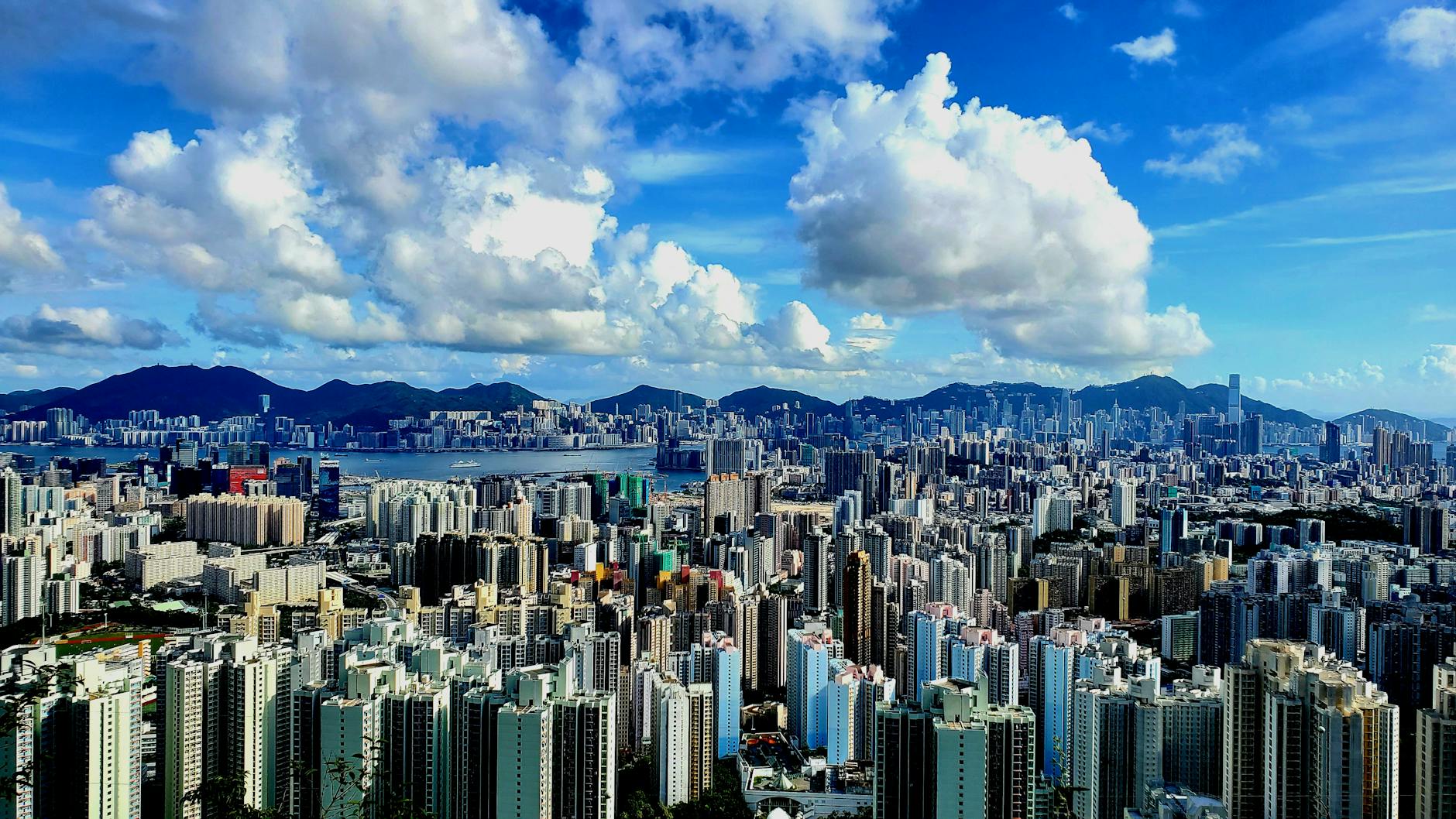
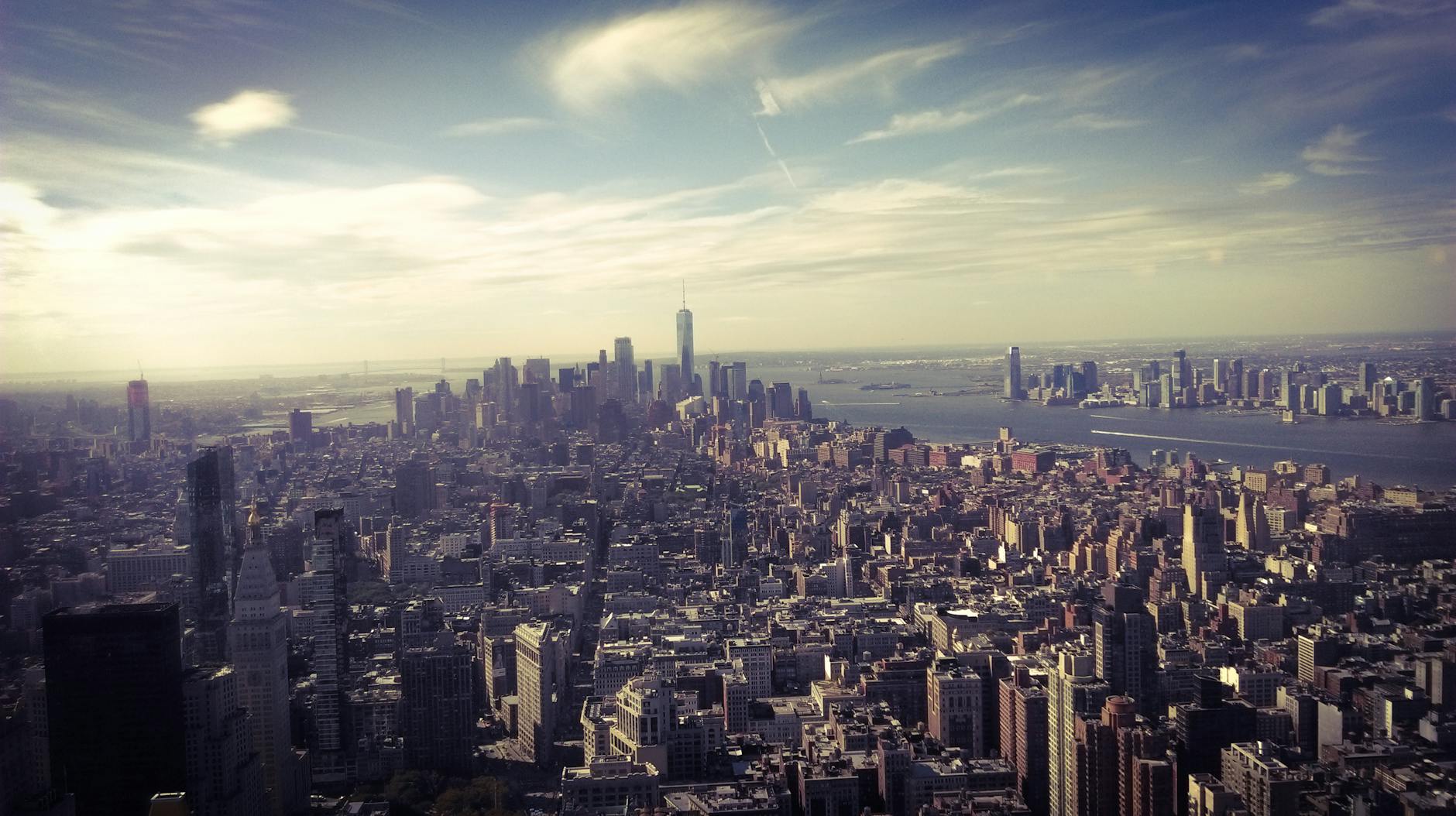
The world is in the middle of a huge shift toward city living. According to the latest global figures, 45% of the world’s 8.2 billion people now live in cities. Another 36% live in towns and semi-urban areas, while only 19% live in rural regions. That means the typical human experience is no longer centered on the countryside. It is increasingly shaped by streets, buildings, transport networks, and dense clusters of people living and working close together.
What urbanization really means
Urbanization is the long-term movement of population into urban areas. In simple terms, it means more people living in cities, towns, and built-up places instead of rural landscapes. This does not just change where people sleep at night. It changes how land is used, how infrastructure is built, and how settlements grow.
A settlement is not just a few buildings with people inside them. It usually includes constructed features and shared spaces such as roads, enclosures, field systems, boundary banks and ditches, ponds, parks, woodlands, windmills, watermills, manor houses, moats, and churches. In modern urban settings, this basic idea expands into the dense built environment that supports everyday life.
In geospatial predictive modeling, a settlement is defined as a city, town, village, or other agglomeration of buildings where people live and work. An agglomeration is simply a built-up cluster or concentration of structures. That definition is useful because it focuses on what settlements physically are on the ground: places where human presence becomes visible in buildings, infrastructure, and patterns of land use.
A world that is becoming more urban
Recent decades have seen urbanization accelerate dramatically. The figures show just how large that change has been. In 1950, only 20% of the global population lived in cities. Now that share has climbed to 45%.
This is more than a demographic curiosity. It marks a major transformation in the geography of human life. Cities have become the main stage on which population growth, economic activity, and infrastructure expansion play out.
The trend is expected to continue. Nearly two-thirds of global population growth between 2025 and 2050 is projected to occur in urban areas. With nearly 3 billion more people expected to be added during that period, most of that increase will be absorbed by cities and other urban settlements rather than rural places.
That has huge implications for housing, transport, land use, and services. More urban residents means more buildings, more roads, more utilities, and more systems to support concentrated populations.
Megacities are multiplying
One of the clearest signs of urban growth is the rise of megacities. A megacity is a city with a population of more than 10 million people. These are urban giants, and their numbers have grown rapidly.
The number of megacities is projected to reach 33 in 2025. That is a quadrupling since 1975. In other words, cities with truly enormous populations are no longer rare exceptions. They are becoming a much more common feature of the modern settlement pattern.
Megacities matter because they represent urbanization at its most concentrated. They gather huge numbers of people into intensely developed spaces and often require vast networks of infrastructure and services. Even without listing particular examples, the basic fact is striking: more of humanity now lives in places of extraordinary scale.
Cities are spreading faster than populations are growing
Urbanization is not only about more people living in urban places. It is also about how much land those places occupy.
Built-up land has expanded nearly twice as fast as population growth since 1975. That means the physical footprint of urban development is growing faster than the number of people it contains.
One way to see this is through per capita urban land use, which measures how much urban land exists for each person on average. Since 1975, that figure has risen from 44 square meters to 63 square meters per person. A square meter is a unit of area, so this change shows that each resident, on average, is associated with more urban land than before.
Why would that happen? The main reasons given are economic and infrastructure demands. As settlements grow and modernize, they need more space for roads, buildings, and services. Urban land does not just house people directly. It also supports all the systems that make city life function.
This helps explain why cities can appear to spread outward even when population growth alone does not seem large enough to account for the change. Urban form is shaped by more than headcount.
The shape of settlements matters
The study of settlement form is part of landscape history and morphology. Morphology means the form or structure of something. In settlement studies, it refers to the layout and pattern of human habitation.
Some settlements are dispersed, meaning homes and buildings are spread out across the landscape. Others are nucleated, meaning structures cluster closely together in a compact center. Urban areas are often highly nucleated, though they may expand into wider surrounding built-up zones over time.
Researchers also organize settlements into hierarchies based on size, centrality, or other characteristics. A settlement hierarchy helps classify places from smaller settlements up to larger ones. But these labels are not universal. A place called a town in one country might be considered a village in another, while a large town in one national system might count as a city elsewhere. That makes global comparison tricky, even when the general trend toward urbanization is clear.
How human settlements are tracked from space
One of the most powerful ways to understand urbanization is through geospatial modeling. This field uses spatial data, meaning information tied to locations on Earth, to study patterns of human presence.
A major example is the Global Human Settlement Layer, or GHSL. This framework produces global spatial information about human presence over time. It creates built-up maps, population density maps, and settlement maps.
A built-up map shows where human-made structures are concentrated. A population density map shows how many people live in a given area. A settlement map identifies where settlements exist and how they are distributed. Together, these tools help reveal how urbanization unfolds across the planet.
The GHSL framework uses evidence-based analytics and draws on multiple kinds of data, including fine-scale satellite imagery, census data, and volunteered geographic information. The processing is fully automatic, with the aim of reporting objectively and systematically on population presence and built-up infrastructure. The framework also follows an open and free access policy for data, methods, and outputs.
This matters because urbanization is now too large and too fast-moving to understand only through traditional local observation. Global settlement mapping makes it possible to track broad changes in how humanity occupies space.
Settlements can also decline or disappear
Urban growth is one side of the story of settlements. The other side is abandonment.
A settlement does not always keep growing. Some become abandoned populated places. In certain cases, their structures remain easy to access, as in a ghost town. A ghost town is an abandoned settlement that still has visible features, even though the people who once lived there are gone.
Places can become ghost towns for many reasons. The economic activity that supported the settlement may fail. A government action, such as building a dam that floods the town, can force abandonment. Natural or human-caused disasters such as floods, uncontrolled lawlessness, or war can also lead to sharp decline or complete desertion.
Interestingly, some places that look like ghost towns may still be officially defined as populated places by government entities. The term can even be used more loosely for places that are still inhabited but far less populated than they once were.
This is a reminder that settlement history is not a simple upward march from village to town to city. Human places can grow, shrink, transform, or vanish.
The long story behind modern urban life
The process of settlement is tied to human migration, the movement of people from one place to another. Over deep history, humans have formed places to live in many different ways and scales.
Very early evidence of human settlement reaches back astonishingly far. Early modern human remains of eight individuals found at Jebel Irhoud date to around 300,000 years ago, in the Middle Paleolithic. The oldest remains of constructed dwellings are huts made of mud and branches from around 17,000 BC at Ohalo near the Sea of Galilee. Later, the Natufians built houses in the Levant around 10,000 BC. Settlements such as villages became much more common after the invention of agriculture, with Jarmo in Iraq identified as the oldest found.
That deep background makes today’s urban age even more remarkable. For most of human history, settlements were relatively small. Now, massive cities and expanding built-up areas define the dominant pattern of habitation for much of the world.
The urban future
The big picture is clear. Humanity is becoming increasingly urban, and not just in population terms. The physical spread of built-up land is also accelerating. Cities hold 45% of the world’s people, urban growth is expected to absorb most future population increase, megacities continue to multiply, and urban land use per person has risen significantly.
Urbanization is, at heart, a story about settlements changing scale. Small communities remain part of the human landscape, but the center of gravity has shifted toward cities, towns, and semi-urban zones. Understanding that shift helps explain one of the most important geographic transformations of modern times: not only where people live, but how the human presence reshapes the planet itself.
Sources
Based on information from Human settlement.
More like this
From villages to megacities, human settlement is a wild story—download DeepSwipe and keep exploring how the world is built.