Full article · 7 min read
What Controls Climate?
Why does one place stay cool and wet while another, not all that far away, turns hot or dry? Climate is shaped by much more than a day’s weather. It reflects long-term patterns, typically averaged over 30 years, and it depends on a mix of geographic features, water movement, and even living landscapes.
This helps explain why some regions freeze, some bake, and others sit somewhere in between.
Climate is more than weather
A useful way to think about it is this: weather is what you get day to day, while climate is what you expect over the long run. Climate includes average conditions such as temperature, wind, and precipitation, but it also includes how much those conditions vary from day to day or year to year.
Climatologists often use 30-year averages, known as climate normals, as a reference point for what is typical in a place. That time span is long enough to smooth out short-term swings and anomalies, while still letting longer trends show through.
When people ask what controls climate, they are really asking what sets those long-term patterns.
Latitude: the classic climate control
One of the biggest controls is latitude, or how far a place is from the equator. Latitude has been recognized since ancient times as a major factor in shaping climate. Broadly speaking, it helps determine how much solar energy a region receives over time.
That is one reason climate zones have often been organized in relation to latitude. It is also why shifts in climate can push species toward the poles or higher elevations when temperature patterns change.
Latitude is one of the more nearly constant controls over historical time spans, unlike short-lived weather events.
Altitude and terrain change local conditions
Altitude matters too. A place high above sea level can have a very different climate from a nearby lowland area. Even when two locations share the same latitude, their elevation can help separate them into different long-term conditions.
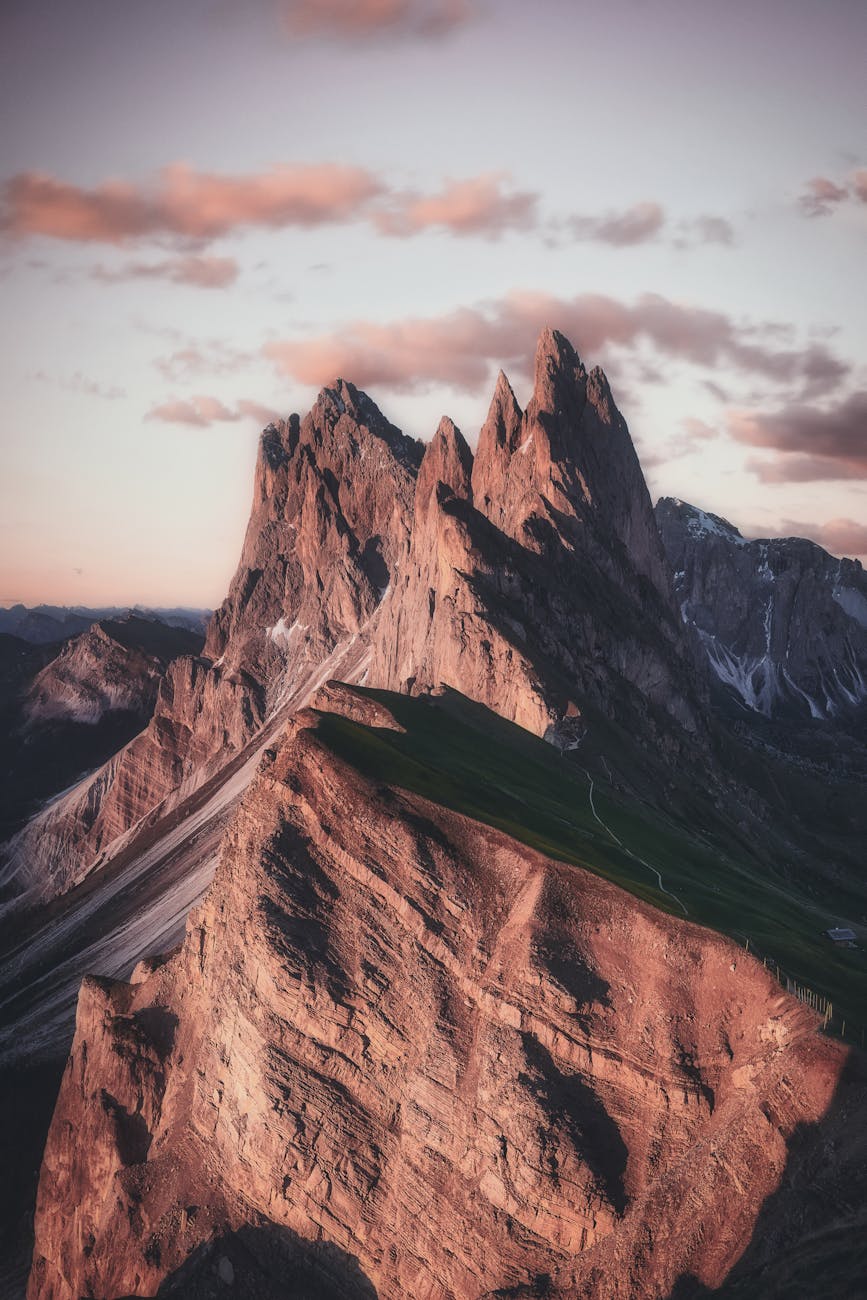
Terrain also plays a role. The shape of the land influences how air moves and how regional conditions develop. Mountains and other landforms are part of the reason climate can vary sharply across relatively short distances.
The article also points to proximity to mountains as one of the long-term variables that helps determine climate. In other words, the land itself helps guide the pattern.
Land and water are not equal
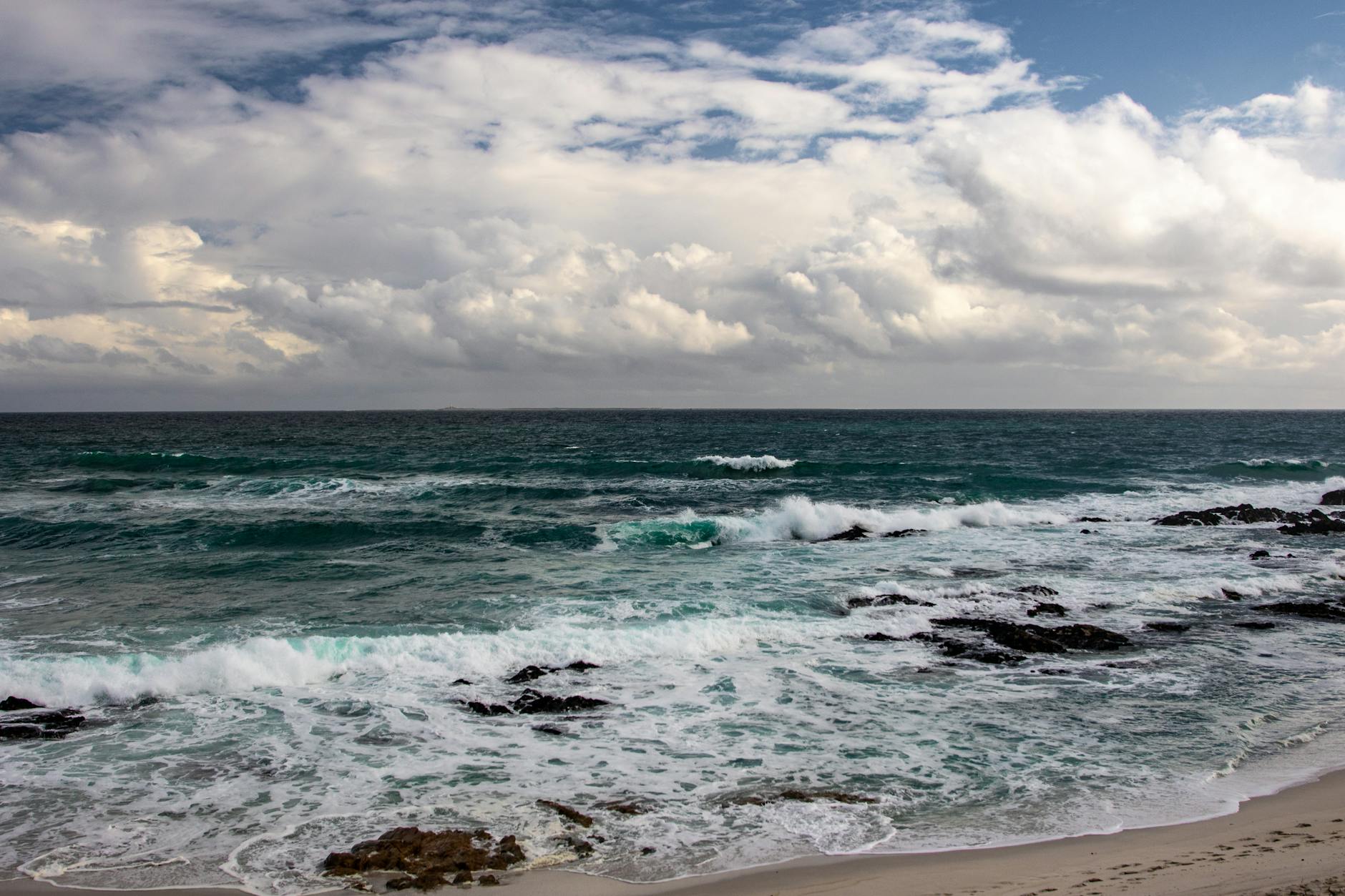
The proportion of land to water around a place is another important climate control. Water bodies affect nearby climate, and oceans matter especially because they can store and move heat.
That influence does not stop at the shoreline. Nearby water bodies and their currents can reshape regional climate far inland or across large coastal zones. Longitude is also listed among the factors affecting the climate of a location, but oceans and ocean circulation are among the most dramatic examples of why geography matters.
Ocean currents can move climate around
One of the most striking climate controls is the movement of ocean water itself. The thermohaline circulation is a global system of ocean currents driven by differences in water temperature and saltiness. Because those differences affect water density, they help power large-scale circulation through the oceans.
This is not a small effect. The thermohaline circulation leads to about a 5 °C warming of the northern Atlantic Ocean compared with other ocean basins. That is a major climate influence produced by moving water alone.
Other ocean currents also redistribute heat between land and water on a more regional scale. So when a coastline is milder, warmer, cooler, or wetter than expected, the ocean may be doing much of the work.
Vegetation helps shape regional climate
Climate is not controlled only by air and water. Plant cover matters too.
The density and type of vegetation affect how much solar heat the ground absorbs, how well water is retained, and how rainfall behaves on a regional level. That means forests, grasslands, and other kinds of plant cover are not just passengers in the climate system. They are participants.
If vegetation changes, climate conditions can shift locally or regionally. This is one reason land use is listed as a factor affecting the climate of a location. Change the landscape, and you may also change heat absorption, moisture behavior, and rainfall patterns.
Climate is part of a larger system
In a broader sense, climate is the state of several connected parts of Earth’s system: the atmosphere, hydrosphere, cryosphere, lithosphere, and biosphere, along with the interactions between them.
These terms sound technical, but the basic idea is simple:
- The atmosphere is the air.
- The hydrosphere is Earth’s water.
- The cryosphere is frozen water, such as ice and snow.
- The lithosphere is the solid outer part of Earth.
- The biosphere is the realm of living things.
Climate emerges from how all of these interact. That is why a current in the ocean, a mountain range, a change in vegetation, or a shift in greenhouse gases can all matter.
Some controls stay steady, others are dynamic
Over historical time spans, some climate controls are relatively steady. These include latitude, altitude, the proportion of land to water, and proximity to oceans and mountains. They usually change only over millions of years through processes such as plate tectonics.
Other controls are much more dynamic. Ocean circulation can shift heat around. Vegetation coverage can alter regional heat absorption and rainfall. Atmospheric greenhouse gases, especially carbon dioxide and methane, affect how much solar energy the planet retains, which can lead to warming or cooling.
So climate is shaped by both the fixed layout of the planet and by changing processes within the climate system.
Why climate patterns are hard to draw with sharp lines
Climate classification systems try to organize the world into recognizable zones, often using temperature and precipitation. The Köppen climate classification is the most widely used. Other systems, such as Thornthwaite’s, also include evapotranspiration, which refers to water moving into the atmosphere through evaporation and plant processes.
But nature does not always obey neat boundaries. A common shortcoming of classification schemes is that they create distinct climate zones, while real climate properties often change gradually across space.
That matters when thinking about climate controls. Latitude, altitude, oceans, currents, terrain, and vegetation combine in ways that do not always produce clean dividing lines. Instead, they create transitions.
Climate controls can also shift over time
Climate is not fixed forever. Climate variability refers to changes in the mean state and other characteristics of climate on timescales beyond individual weather events. Some of that variability appears random, while some occurs in more regular patterns.
Climate change refers to variation in global or regional climates over time, from decades to millions of years. These changes can come from internal Earth processes, external forces such as changes in sunlight intensity, or human activities.
In recent discussion, the term often refers to modern warming. According to the Copernicus Climate Change Service, average global air temperature passed 1.5 C of warming over the period from February 2023 to January 2024.
When climate shifts, the controlling patterns of regions shift too. A change in mean annual temperature of 3 °C corresponds to a shift in isotherms of roughly 300 to 400 km in latitude in the temperate zone, or about 500 m in elevation. Isotherms are lines connecting places with the same temperature. As those lines move, species are expected to move upward in elevation or toward the poles.
The big picture
What controls climate? No single factor does the job alone.
Latitude sets a broad framework. Altitude and terrain reshape it locally. Oceans and their currents can push regional climate strongly, even by several degrees. Vegetation and land use influence heat absorption, water retention, and rainfall. And all of it unfolds within a larger climate system linking air, water, ice, land, and life.
That is why one place freezes while another bakes. Climate is the long-term result of many connected forces, working together across land, sea, and sky.
Sources
Based on information from Climate.
More like this
Go with the flow like the thermohaline circulation — download DeepSwipe and let fresh knowledge currents reshape your day.