Full article · 8 min read
How Chemistry Emerged from Alchemy
Before chemistry had a name
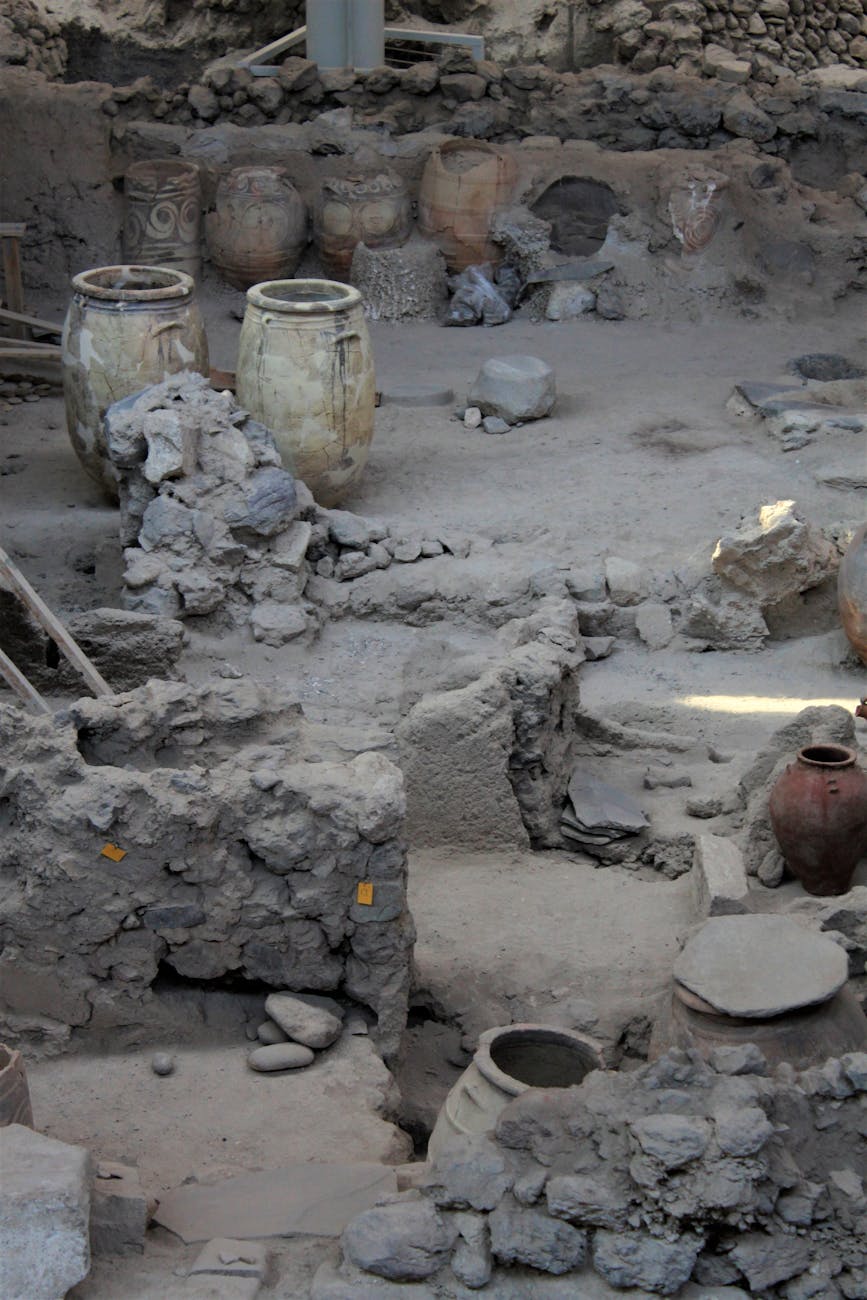
Long before anyone spoke of chemistry as a modern science, people were already doing things that clearly belonged to its world. Ancient civilizations learned how to extract metals from ores, make pottery and glazes, ferment beer and wine, produce glass, create alloys like bronze, render fat into soap, and obtain chemicals from plants for medicine and perfume.
These activities were practical, useful, and often highly skilled. They showed that humans understood how to transform materials, even if they did not yet have a scientific theory explaining what matter was or why these changes happened. In that sense, chemistry began as craft before it became science.
This early phase matters because it reveals an important truth: chemistry did not suddenly appear in a laboratory filled with glassware. It grew out of everyday human attempts to shape the material world.
The bridge between craft and science: alchemy
The word chemistry emerged during the Renaissance as a modification of the word alchemy. Alchemy referred to an older set of practices that combined elements of chemistry, metallurgy, philosophy, astrology, astronomy, mysticism, and medicine. It was not a narrow technical field. It was a sweeping attempt to understand and manipulate matter, often tied to spiritual or philosophical ideas.
Alchemy is most famously linked with the quest to turn lead or other base metals into gold. A base metal, in this context, means a common metal considered less valuable than precious metals like gold. But that famous goal was only part of the story. Alchemists were also interested in many questions that later became central to chemistry.
In the Hellenistic world, alchemy spread as an art that mixed the study of natural substances with magic and occult ideas. Its grand aims included transmuting elements into gold and discovering the elixir of eternal life. Even so, practical work continued. The development of distillation, for example, moved forward during this period and into the early Byzantine era.
Alchemy later continued throughout the Arab world after the Muslim conquests, and from there, along with Byzantine influences, it spread into medieval and Renaissance Europe through Latin translations. This long transmission across cultures helped preserve and expand knowledge about substances and techniques.
Why alchemy was flawed but still essential
By modern standards, alchemy was a protoscience rather than a science. That means it came before science in its mature form. It sought to explain matter and transformation, but it did so without the full discipline of systematic testing, careful measurement, and reliable theory.
Even so, alchemy was not useless. Far from it. Alchemists performed experiments, worked directly with materials, and recorded results. That habit of hands-on investigation helped prepare the ground for chemistry.
This is the paradox at the heart of chemistry’s origin: alchemy was unsuccessful in explaining the true nature of matter and its transformations, yet it helped create the experimental culture that modern chemistry would inherit.
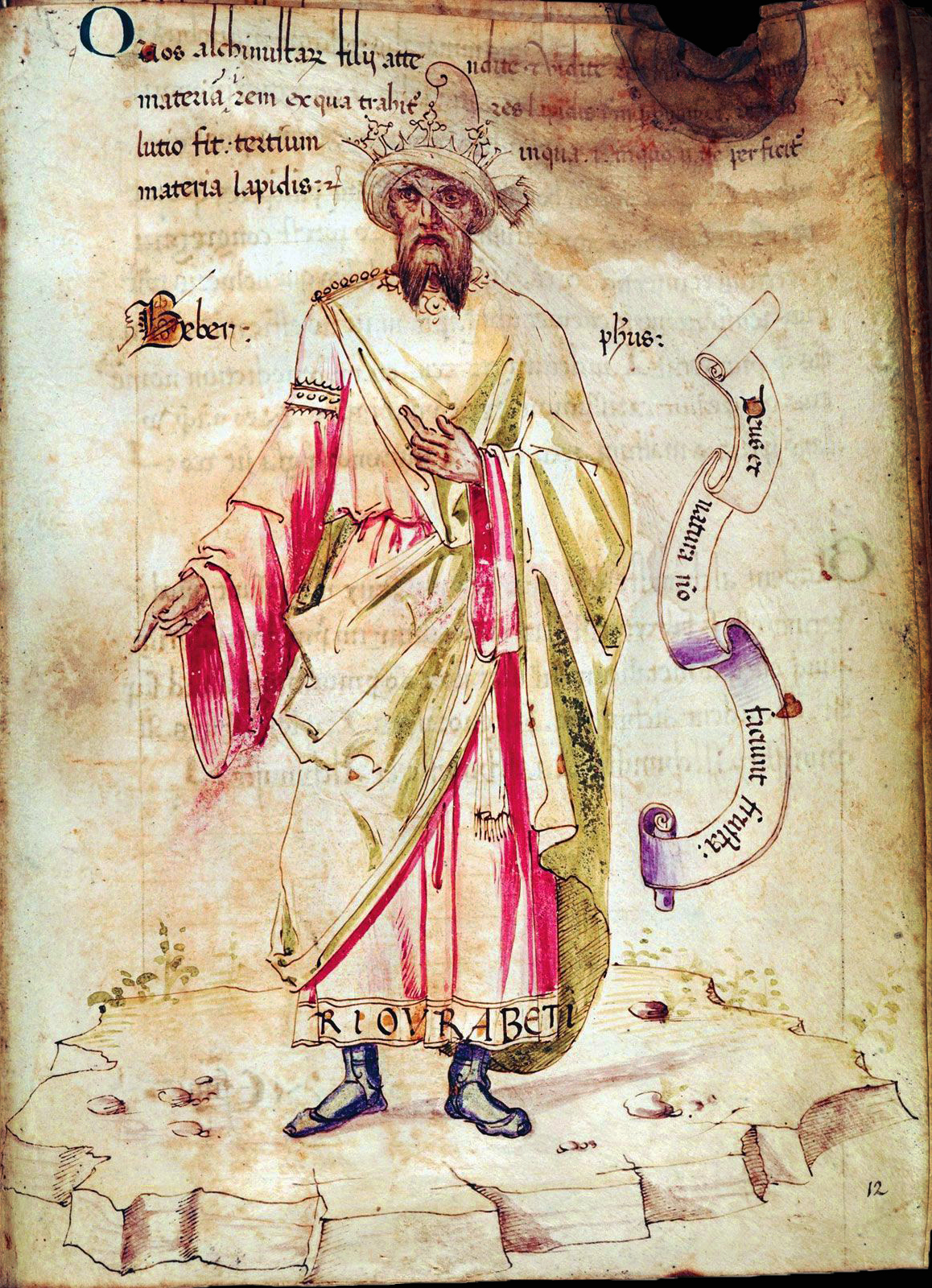
Some thinkers in the Islamic world also pushed back against alchemical claims. The Arabic works attributed to Jabir ibn Hayyan introduced a systematic classification of chemical substances and gave instructions for deriving an inorganic compound, sal ammoniac or ammonium chloride, from organic substances such as plants, blood, and hair by chemical means. Later influential Muslim philosophers including Abū al-Rayhān al-Bīrūnī and Avicenna disputed alchemical theories, especially the idea that metals could be transmuted.
That tension is important. Chemistry did not simply grow by repeating alchemy. It also grew by criticizing it.
From mystical art to material knowledge
As knowledge of materials improved, some figures began stripping away the mystical side of alchemy and focusing on reproducible processes. A major example was Georg Agricola in the 16th century. His 1556 work, De re metallica, described highly developed and complex processes of mining metal ores and extracting metals from them.
Ores are naturally occurring rocks or minerals from which useful metals can be obtained. Smelting is the process of heating ore to extract the metal inside it. Agricola described many kinds of furnaces used in this work and helped stimulate interest in minerals and their composition.
What made this significant was his approach. It removed mysticism and helped establish a practical base for later work. Agricola has been described as the father of metallurgy and as the founder of geology as a scientific discipline. Metallurgy, simply put, is the study and practice of working with metals.
This gradual move toward practical observation and away from hidden forces was one of the major steps on the road from alchemy to chemistry.
The scientific method changes the game
The real turning point came with the rise of the scientific method. This is the disciplined approach of using observation, experimentation, and testing rather than relying on authority, mysticism, or speculation alone.
Under the influence of the Scientific Revolution and new empirical methods promoted by figures such as Sir Francis Bacon, chemists at Oxford including Robert Boyle, Robert Hooke, and John Mayow began reshaping old alchemical traditions into a scientific discipline.
Robert Boyle was especially important. Though skeptical of elements as they were then understood and still convinced of alchemy in some respects, he played a key role in elevating the field into an independent, fundamental, and philosophical discipline through his 1661 work The Sceptical Chymist. He questioned commonly held chemical theories and argued that chemical practitioners should be more philosophical and less commercially focused. He also rejected the classical theory of four elements and proposed a mechanistic alternative involving atoms and chemical reactions that could be tested through rigorous experiment.
That word mechanistic matters. It means explaining phenomena in terms of physical parts and processes rather than mystical principles. This marked a deep shift in attitude. Matter was no longer something to be approached through symbolic interpretations alone. It was something to be examined, tested, and explained.
Why careful measurement mattered so much
The decisive break between alchemy and chemistry came when measurement became central. Chemistry became a distinct science with the work of Antoine Lavoisier, who developed a law of conservation of mass and demanded careful measurement and quantitative observations of chemical phenomena.
Quantitative means dealing with measurable amounts rather than vague descriptions. Instead of saying a substance changed in some general way, chemists could now track exactly how much material was present before and after a reaction.
The law of conservation of mass was revolutionary because it showed that in chemical change, mass is conserved. This kind of precision gave chemistry a stable framework. It transformed the study of matter from a loose collection of practices into a science grounded in evidence.
Lavoisier also developed a new system of chemical nomenclature, or naming, that is still used today. Scientific names may sound dry, but naming is power in science. A reliable naming system makes it possible to compare results, classify substances, and build knowledge collectively.
This is why the shift was not only about discovering new facts. It was about discipline: precise observations, standard language, and reproducible experiments.
Chemistry becomes its own science
Once the scientific method and quantitative measurement took hold, chemistry separated itself from alchemy. The difference between the two was no longer just their goals, but their standards of evidence.
Alchemy and chemistry both dealt with matter and transformation. But chemistry became a body of knowledge distinct from alchemy because chemists increasingly relied on experiment, testing, and measurement. Over time, this allowed chemistry to grow into a full scientific field concerned with substances, their structure, their properties, and the reactions that change them into other substances.
Later discoveries would deepen that transformation even more. Work on gases by Joseph Black, Jan Baptist van Helmont, Henry Cavendish, Joseph Priestley, and Carl Wilhelm Scheele expanded understanding of air and chemical substances. John Dalton proposed the modern theory of atoms, stating that substances are composed of indivisible atoms of matter and that different atoms have different atomic weights. These advances pushed chemistry far beyond its alchemical roots.
But the key idea remains simple: chemistry emerged when experimental tradition met scientific rigor.
The legacy of alchemy in modern chemistry
Modern chemistry may seem worlds away from the dream of turning lead into gold, yet it still carries part of alchemy’s legacy. The laboratory habit of working directly with substances, trying procedures, observing changes, and recording outcomes has deep historical roots.
Even the word chemistry preserves that connection. Its path runs through alchemy, through Arabic al-kīmīā, and possibly even back through Greek forms connected either to the ancient name of Egypt, Kemet, or to the sense of “cast together.” The history of the word reflects the long, tangled story of the field itself.
So was alchemy a mistake? In one sense, yes: it did not correctly explain matter. But in another sense, it was an essential stage in the making of chemistry. It kept alive the urge to transform substances, classify materials, and investigate how the physical world works.
Without that long era of experimentation, however flawed, the modern science of chemistry might have taken a very different path.
From gold-making dreams to real science
The story of chemistry’s birth is not a clean replacement of old ideas by new ones. It is a gradual transformation. Ancient crafts created practical knowledge. Alchemy blended that knowledge with philosophy, medicine, and mysticism. Then experiment, criticism, and measurement slowly carved out a new discipline.
That is what makes the history so fascinating. Chemistry did not emerge by rejecting the past entirely. It emerged by refining it.
The dream of alchemy may have faded, but what replaced it was even more powerful: a science capable of explaining matter, testing claims, and transforming the world through evidence rather than enchantment.
Sources
Based on information from Chemistry.
More like this
Turn curiosity into gold — download DeepSwipe and uncover how strange old ideas became modern science.