Full article · 8 min read
Jupiter Makes Its Own Heat—and Is Slowly Shrinking
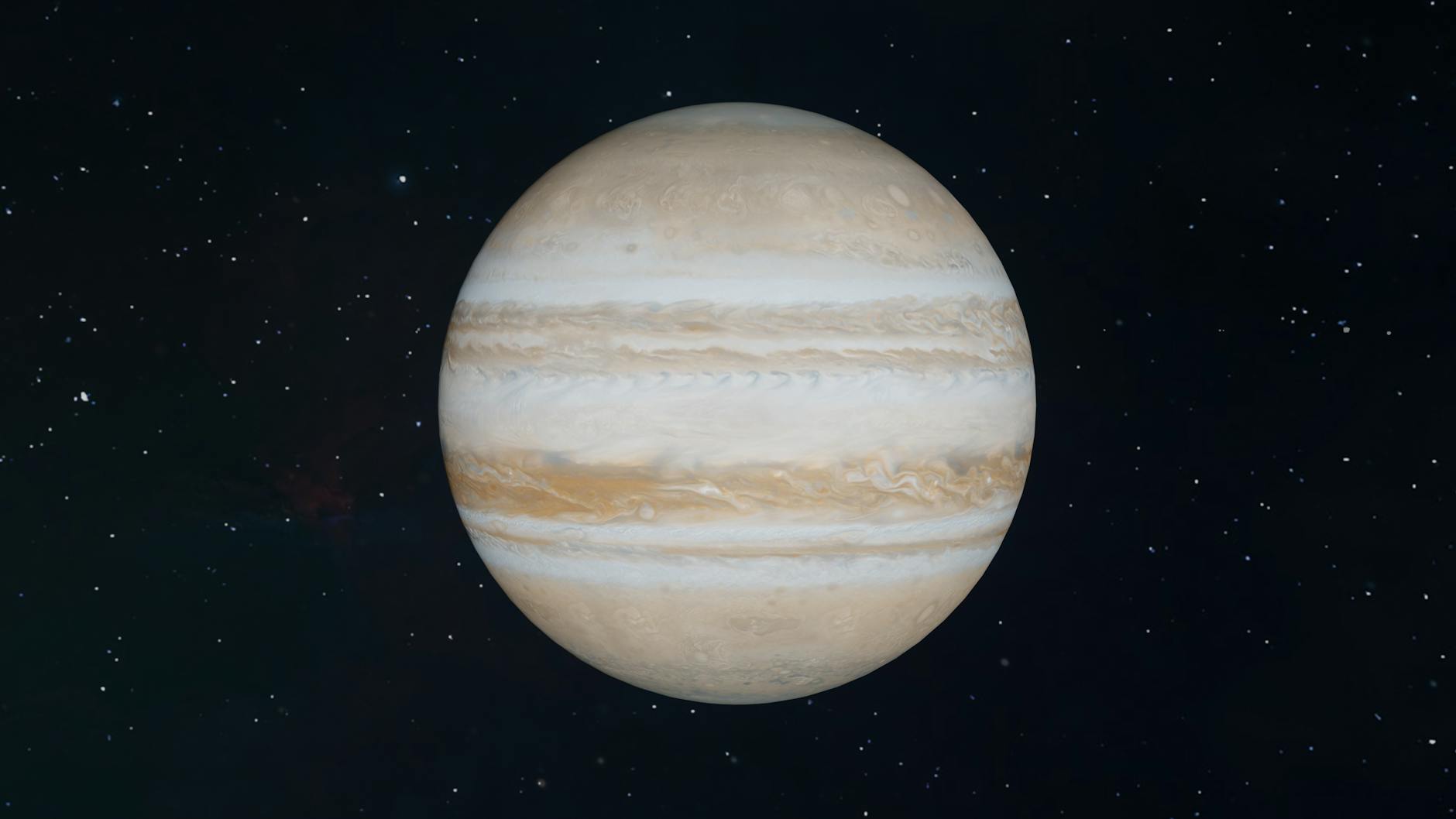
Jupiter is famous for being the largest planet in the Solar System, but one of its most surprising traits is invisible at first glance: it gives off more heat than it receives from the Sun. That means Jupiter is not just passively basking in sunlight. Deep inside, the giant planet is still releasing energy left over from its long gravitational squeeze.
This helps explain why Jupiter is more than just a big ball of gas. It is an active world with a hot interior, a complex structure, and a history shaped by immense pressure. It also leads to one of the strangest facts in planetary science: under the right conditions, adding more mass to a Jupiter-like planet can actually make it smaller.
Why Jupiter glows from the inside
Jupiter radiates more heat than it gets through solar radiation. The reason is a process called the Kelvin–Helmholtz mechanism. In simple terms, as Jupiter’s interior slowly contracts under its own gravity, gravitational energy is converted into heat. That heat then leaks outward into space.
This means Jupiter is still settling inward, even now. The shrinkage is tiny on human timescales, but it is real: the planet contracts by about 1 millimetre per year.
That may sound negligible, yet over enormous spans of time it matters. Jupiter was once much hotter, and at the time of its formation it was about twice its current diameter. The modern planet is therefore the result of billions of years of slow compression and cooling.
The giant planet that keeps squeezing itself
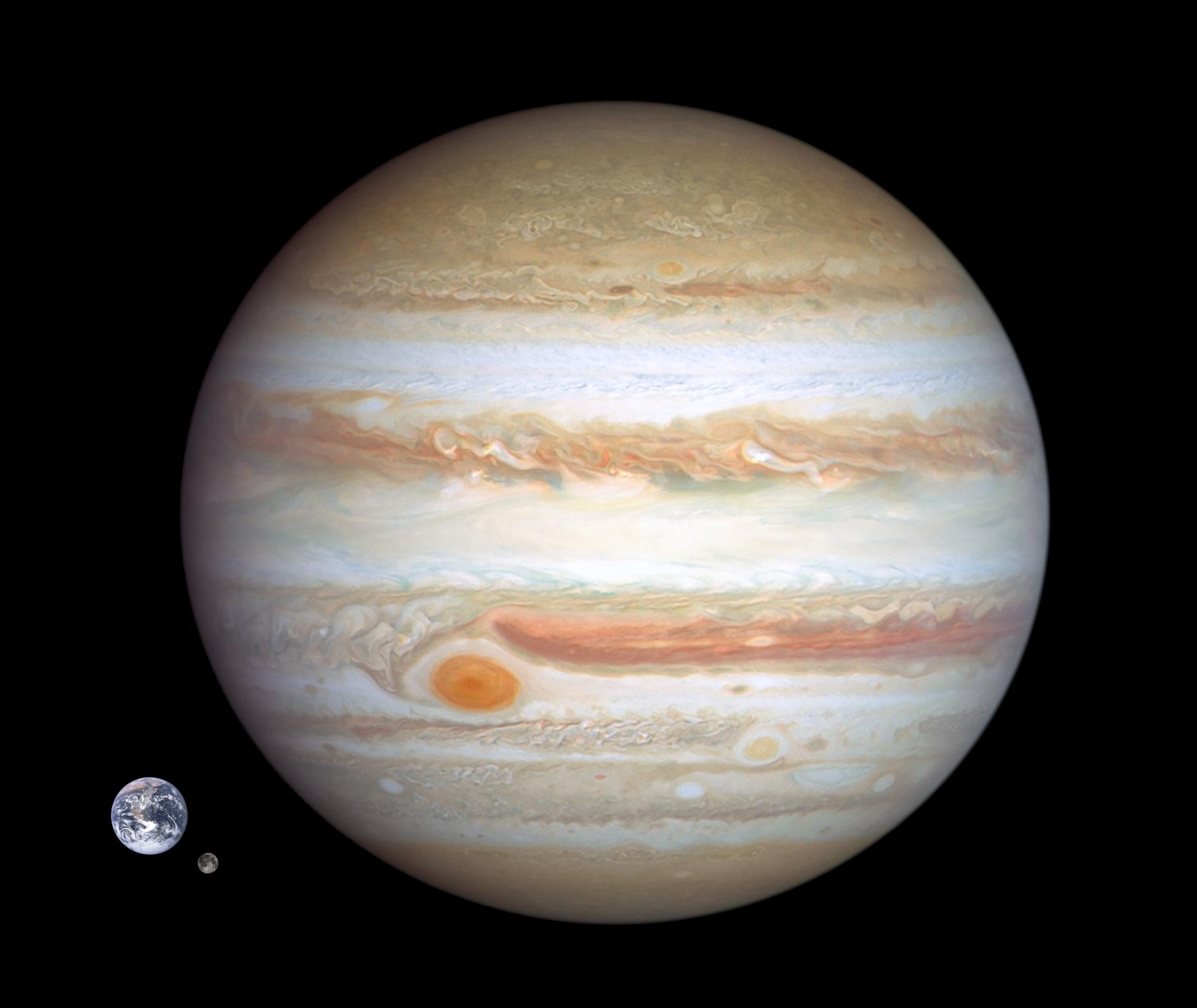
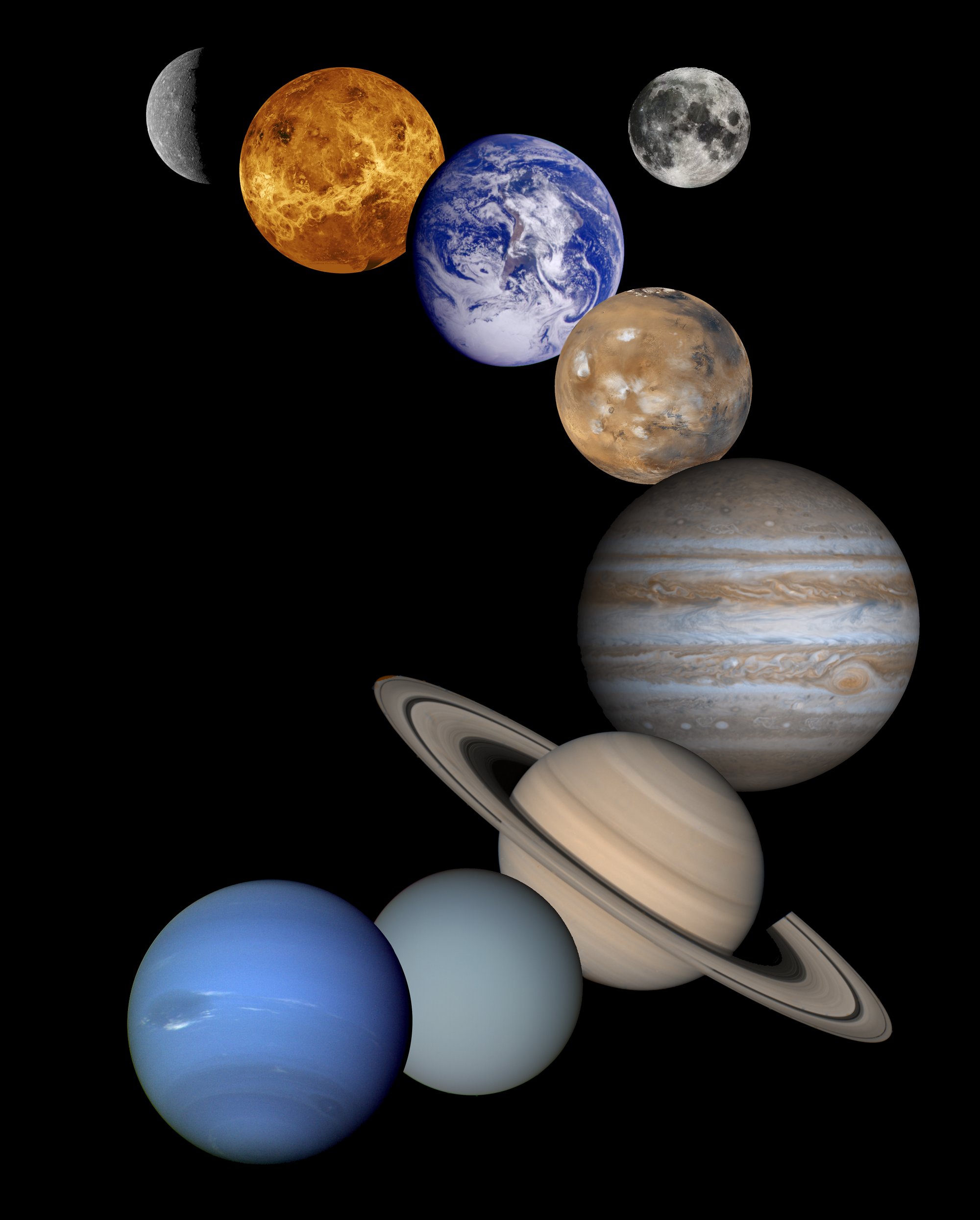
Gravity is the central actor in Jupiter’s story. Because Jupiter is so massive, its own weight presses down on its interior with tremendous force. The planet has a mass 318 times that of Earth and nearly 2.5 times the mass of all the other planets in the Solar System combined.
That pressure changes the material inside Jupiter in dramatic ways. Scientists describe its internal structure as including an outer mantle of fluid metallic hydrogen and a diffuse inner core of denser material. Hydrogen is the key ingredient here. Although hydrogen is normally thought of as a gas, deep inside Jupiter the pressure is so intense that it behaves in very different ways.
Below the cloud tops, hydrogen and helium transition into deeper, denser layers. Far enough down, hydrogen enters a supercritical fluid state, meaning it no longer fits neatly into the everyday categories of liquid or gas. Deeper still, a broad region exists where hydrogen changes from a molecular fluid into a metallic fluid. In that form, it can conduct electricity, helping generate Jupiter’s enormous magnetic field.
All of this is tied to heat. Jupiter’s interior grows steadily hotter and more compressed with depth because heat from its formation escapes mainly by convection, the same general process by which hot material rises and cooler material sinks.
What “Kelvin–Helmholtz heating” actually means
The phrase Kelvin–Helmholtz mechanism can sound intimidating, but the core idea is simple: when a huge object contracts under gravity, it releases energy. That released energy appears as heat.
For Jupiter, this process is ongoing. The planet is not collapsing dramatically, but it is slowly tightening inward. Even a very slight contraction across such an enormous world releases a substantial amount of energy.
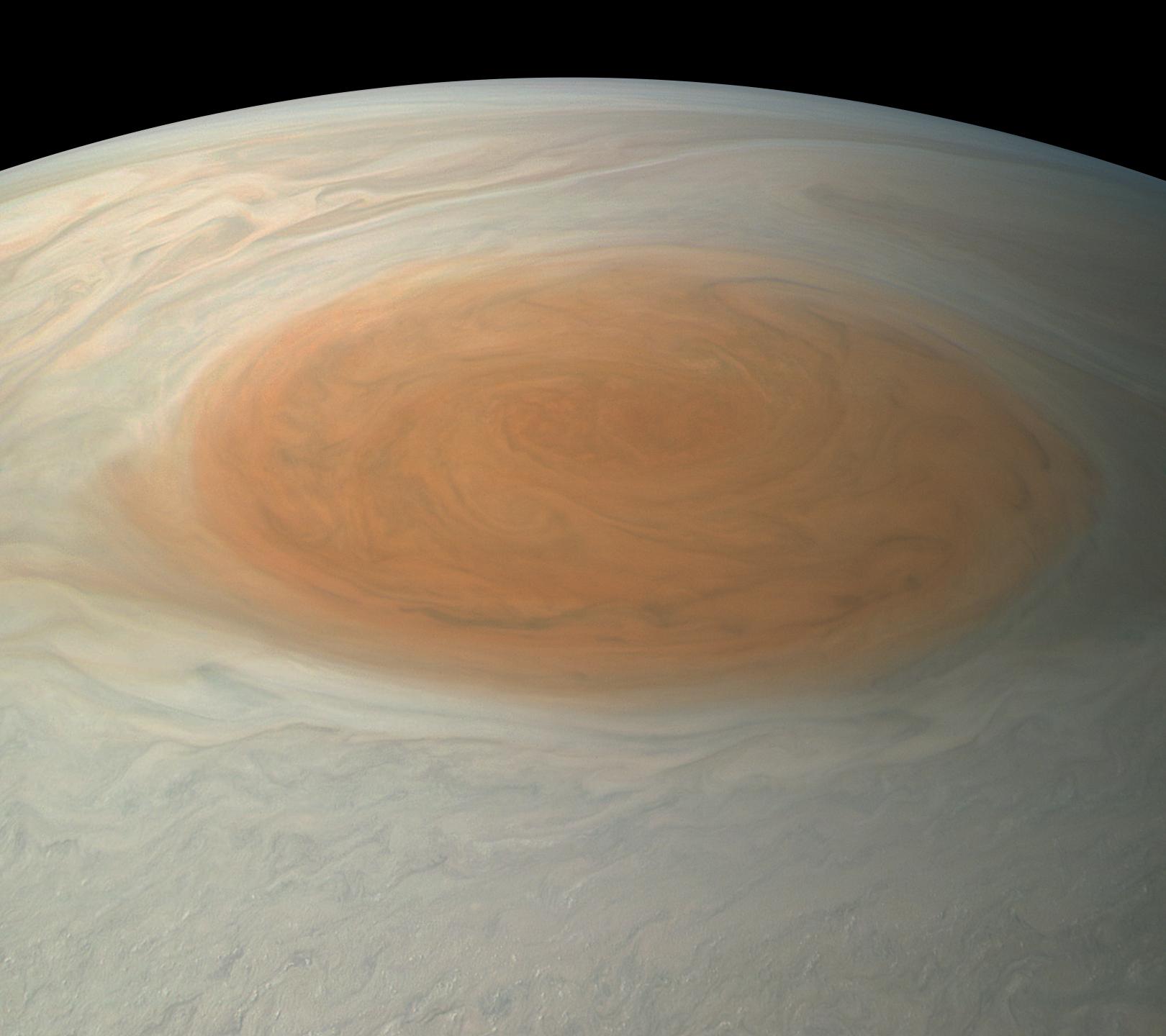
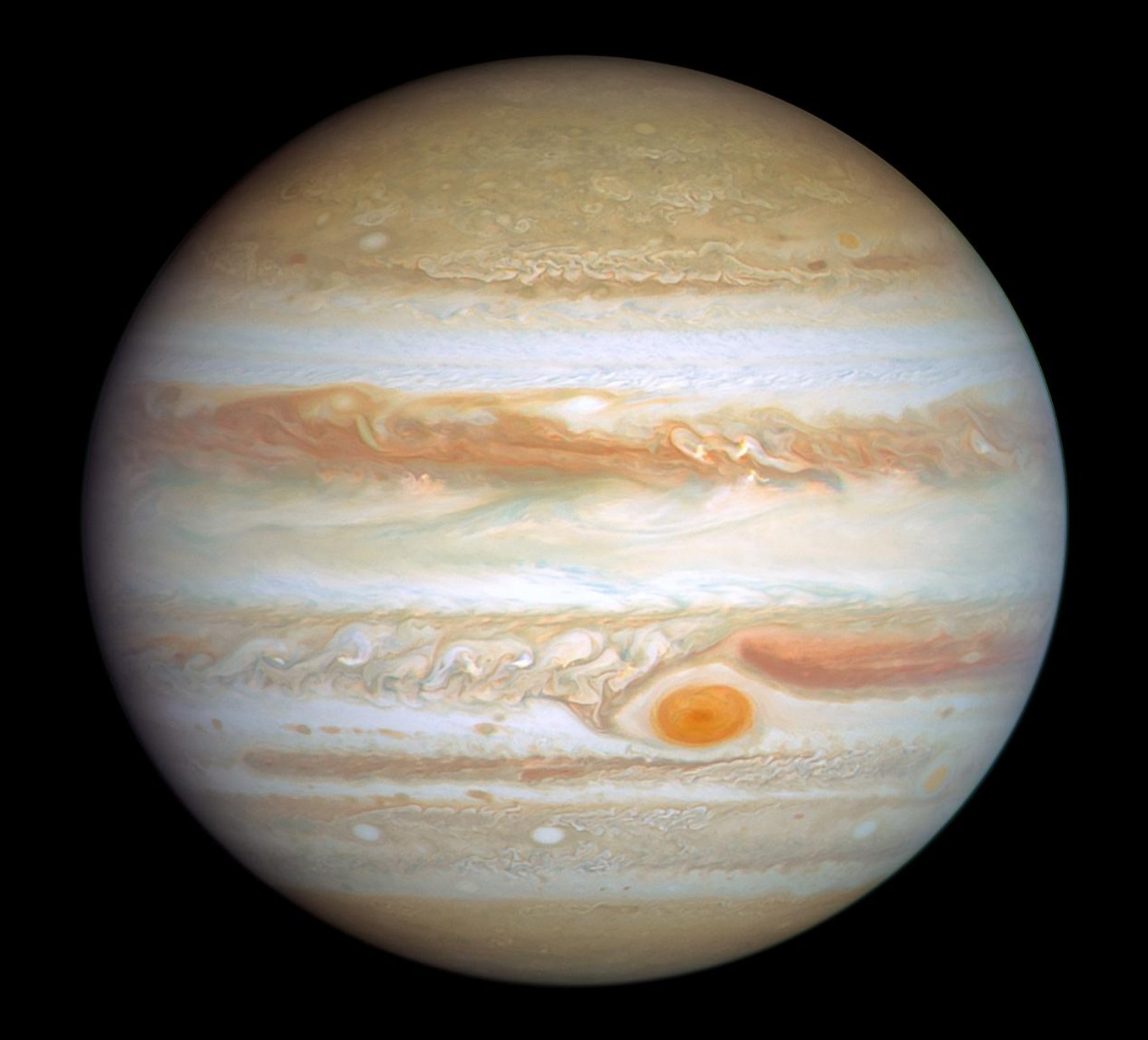
This makes Jupiter fundamentally different from a planet whose temperature is controlled mainly by sunlight. Its internal energy budget matters enormously. That hidden heat also helps power the planet’s dynamic behavior, including the atmospheric activity seen in its famous cloud bands and storms.
A bigger planet that could become smaller
One of the most counterintuitive facts about Jupiter is that making it heavier would not necessarily make it larger.
Theoretical models indicate that if Jupiter had more than 40% additional mass, its interior would become so compressed that its volume would decrease despite the extra matter. In other words, stronger gravitational compression would start to win over the simple effect of adding more material.
That is why Jupiter is thought to be about as large in diameter as a planet of its composition and evolutionary history can get. For similar worlds, extra mass can mean extra squeezing rather than extra bulk.
This is an important idea in astronomy because Jupiter is used as a standard unit for comparing objects beyond the Solar System. Astronomers often describe extrasolar planets and brown dwarfs in Jupiter masses and Jupiter radii. A Jupiter mass is a convenient benchmark for talking about bodies much larger than Earth.
Why Jupiter is not a star
If Jupiter is massive, hot inside, and still contracting, why isn’t it a star?
The answer is that it is not nearly massive enough to ignite hydrogen fusion. Fusion is the process that powers stars by combining hydrogen nuclei and releasing enormous amounts of energy. According to theoretical models, Jupiter would need to be about 75 times more massive to fuse hydrogen and become a star.
So while Jupiter shares some broad traits with stars and brown dwarfs—such as being dominated by hydrogen and helium—it falls far short of the threshold needed for true stellar power.
Interestingly, its diameter is already close to the practical upper range for a planet of its kind. That means becoming much more massive would not make it dramatically bigger. Instead, compression would dominate.
The Sun–Jupiter balance point is outside the Sun
Jupiter’s mass does not just affect itself. It also strongly influences the Sun.
Every two-body system has a barycentre, the shared balance point around which both objects orbit. In the case of the Sun and Jupiter, Jupiter is so massive that this barycentre lies above the Sun’s surface, at 1.068 solar radii from the Sun’s centre.
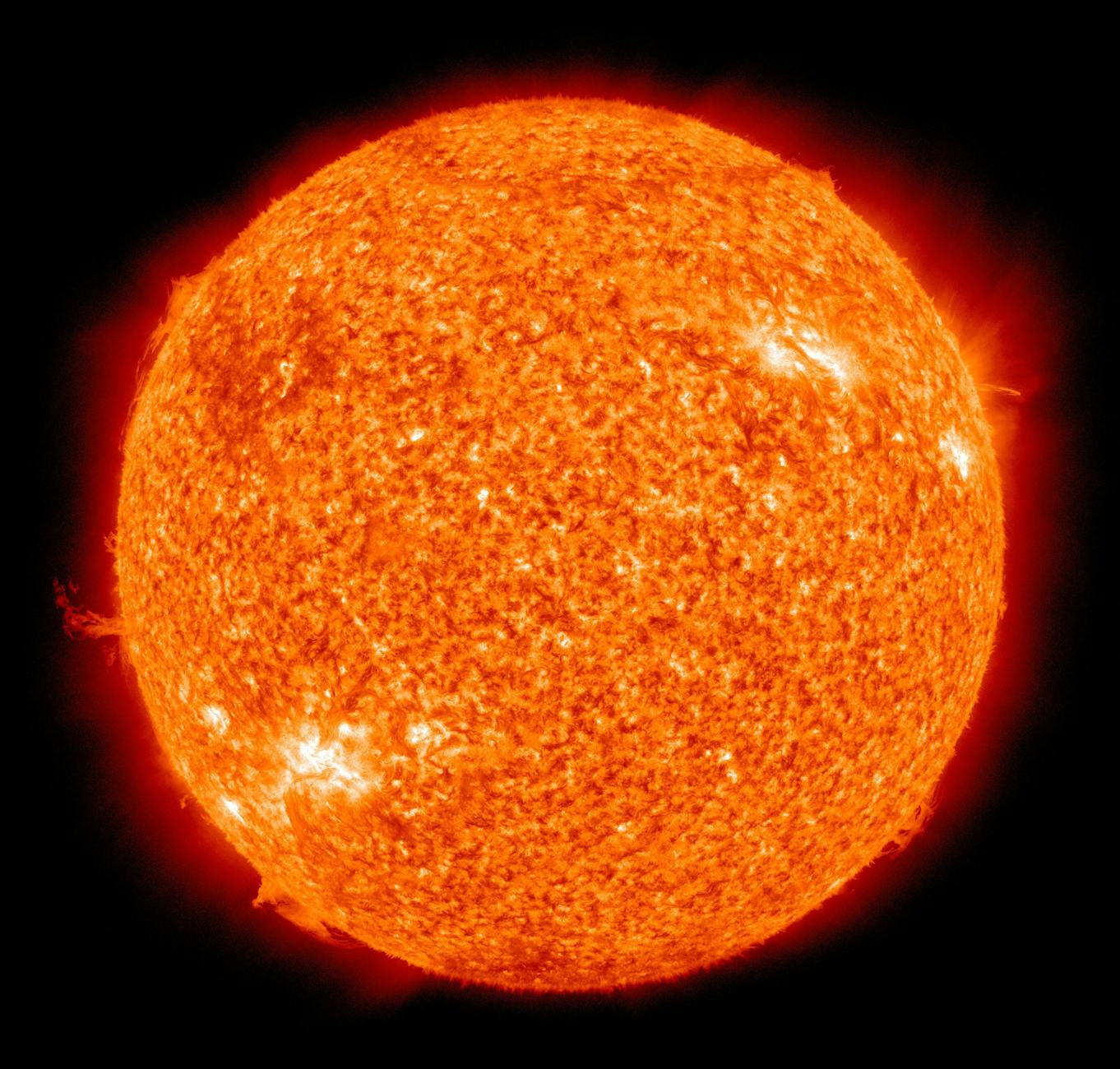
That does not mean Jupiter is pulling the Sun around wildly, but it does show just how dominant Jupiter is compared with every other planet. In fact, Jupiter is the only planet whose barycentre with the Sun lies outside the volume of the Sun.
This detail highlights why Jupiter has been so important in shaping the Solar System. As the most massive planet, its gravitational influence has affected the architecture of planetary orbits, the asteroid belt, and populations of smaller bodies such as Trojan asteroids and many short-period comets.
A planet built mostly from hydrogen and helium
Jupiter is classified as a gas giant, meaning its composition is primarily hydrogen and helium. Its atmosphere is about 76% hydrogen and 24% helium by mass. By volume in the upper atmosphere, it is about 90% hydrogen and 10% helium.
It also contains trace amounts of carbon, oxygen, sulfur, and neon, along with compounds such as ammonia, water vapour, phosphine, hydrogen sulfide, and hydrocarbons including methane, ethane, and benzene. Its outermost layer contains crystals of frozen ammonia.
These ingredients help shape the planet’s clouds and weather, but they also tell a deeper story. The proportions of hydrogen and helium are close to the theoretical composition of the primordial solar nebula, the material from which the Solar System formed.
Jupiter is believed to have been the oldest planet in the Solar System, having formed just one million years after the Sun and roughly 50 million years before Earth. That early birth gave it a major role in the Solar System’s history.
Heat, pressure, and a strange interior
Jupiter’s interior is not a simple stack of gas layers. Data from the Juno mission indicate that the planet has a diffuse core mixing into its mantle and extending through 30–50% of Jupiter’s radius. That diluted core contains heavy elements with a combined mass estimated at 7–25 times Earth’s mass.
Deeper inside, conditions become extreme. At a level where the pressure is about one Earth atmosphere, the temperature is around 165 K, which is about −108 °C. Far lower down, in the region where hydrogen gradually becomes metallic fluid, pressures range from 50 to 400 gigapascals and temperatures from 5,000 to 8,400 K. The diluted core is estimated to reach around 20,000 K.
Those figures help explain why Jupiter continues to radiate heat. This is not a cold, inert planet. It is a compressed, convecting world with a deep interior still responding to the consequences of its formation.
Why Jupiter matters beyond Jupiter
Because Jupiter is such an extreme and well-studied planet, it serves as a measuring stick across astronomy. Scientists compare other giant worlds to it using Jupiter masses and Jupiter radii. Jupiter-like exoplanets have also been found in other planetary systems, making our own giant planet a useful reference point for understanding worlds orbiting distant stars.
Jupiter also represents a kind of boundary object in cosmic classification. It is much too massive and dynamic to think of as Earth-like, yet far too small to become a star. That in-between status makes it especially fascinating: a world where gravity, heat, and pressure create behavior that often feels more like stellar physics than traditional planetary science.
A slowly changing giant
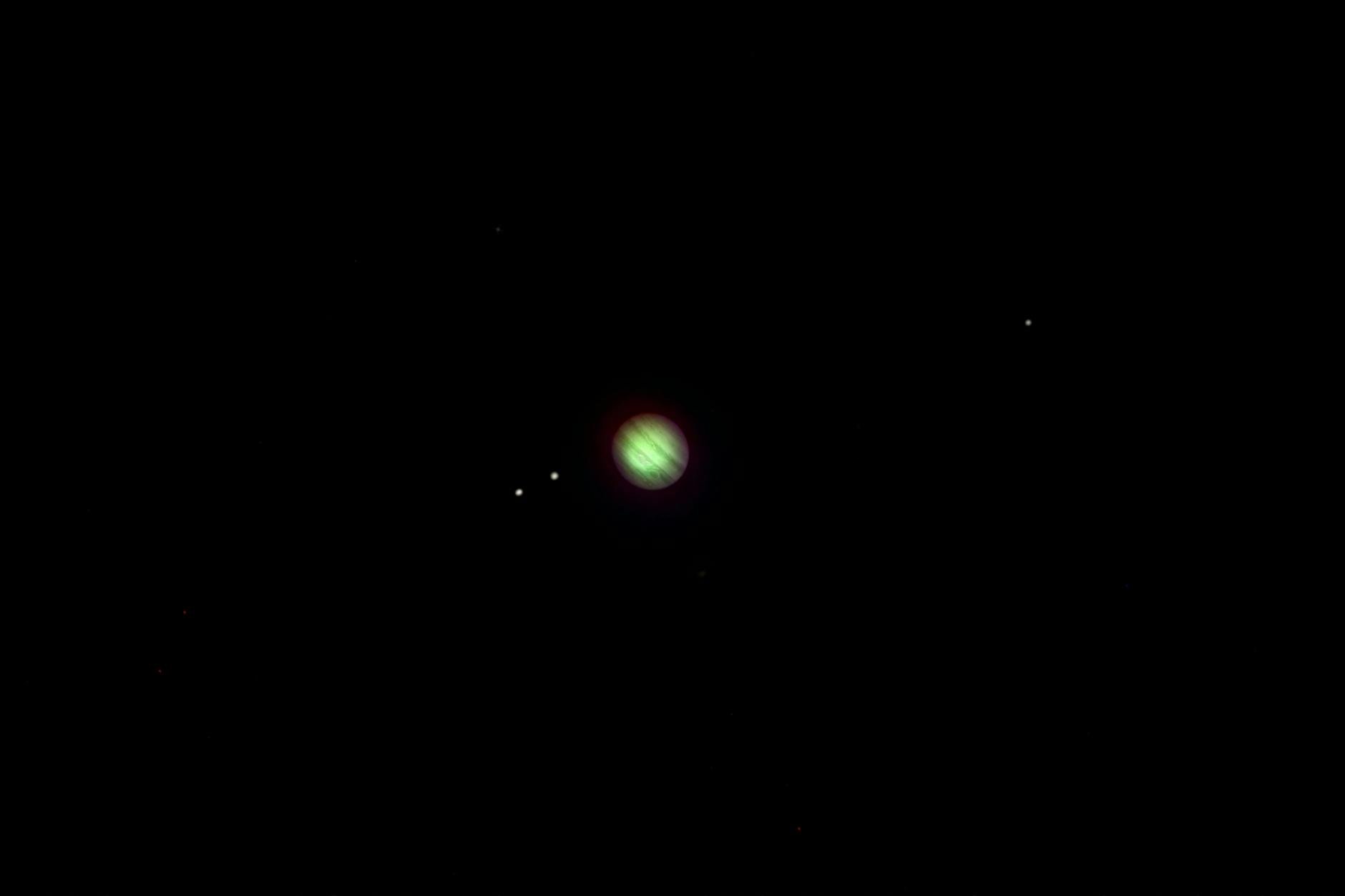
Jupiter can look timeless in the night sky, shining as one of the brightest natural objects visible from Earth. But under that familiar appearance, it is still evolving.
It rotates in less than ten hours. Its atmosphere is banded and stormy. Its interior remains hot. And year by year, almost imperceptibly, it contracts under its own gravity.
That slow squeeze is a reminder that planets are not frozen objects. Even today, Jupiter is still giving off heat from deep within and still adjusting to the colossal forces that built it in the first place.
Sources
Based on information from Jupiter.
More like this


Feel the pull of giant ideas—download DeepSwipe and let your curiosity contract into pure brain-heat.