
Full article · 7 min read
Communication: How Animals Exchange Information
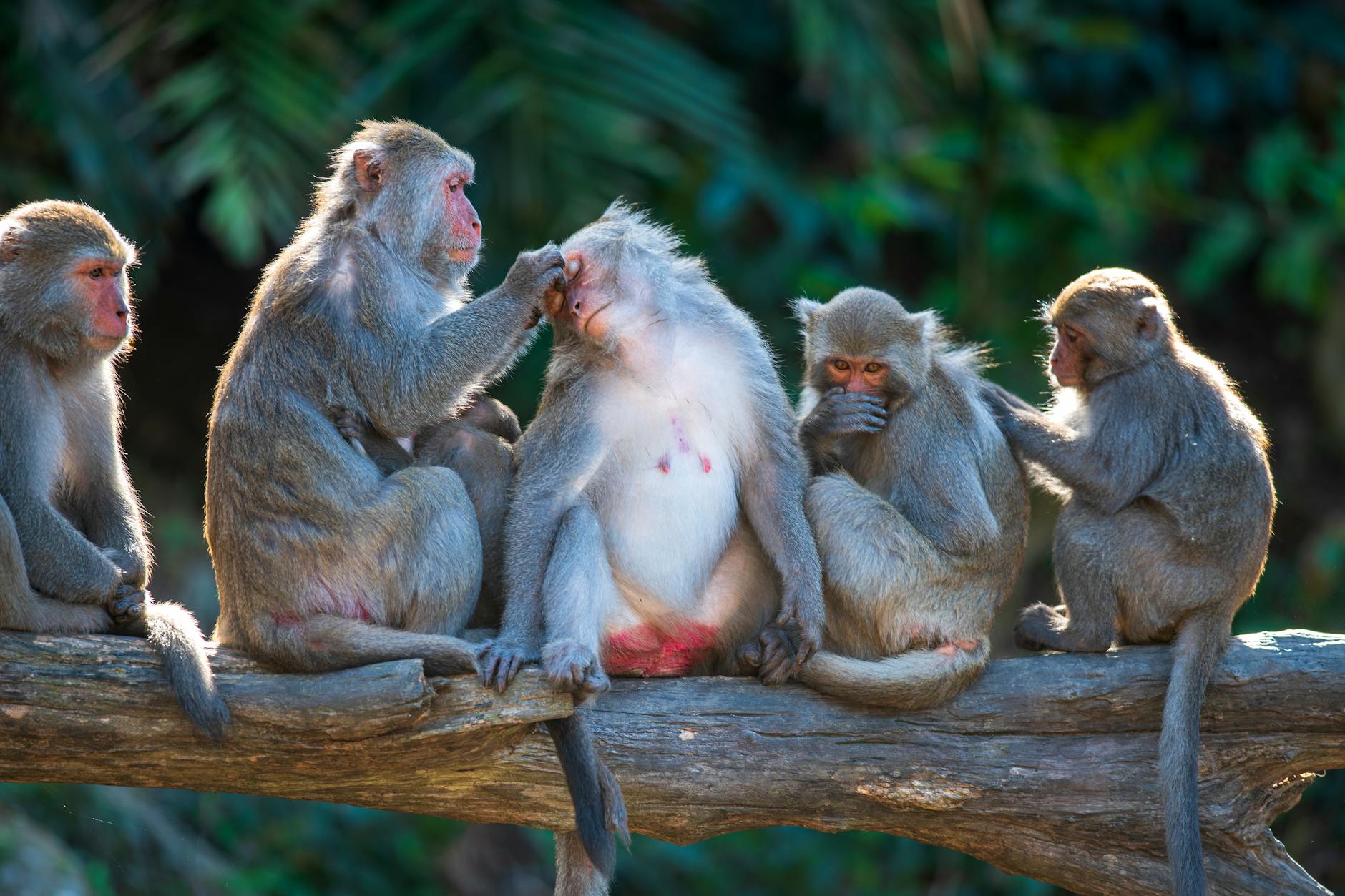
Animal communication is a reminder that information does not need words to matter. Across the animal kingdom, signals travel through sound, movement, touch, smell, taste, and even coordinated behavior. These signals can warn of danger, attract mates, guide offspring, defend territory, and help animals move through the world.
What makes this especially fascinating is that animal communication is not just vague emotional display. In some cases, it can be highly specific. Certain animals use different signals for different predators, and others use communication to coordinate courtship, social life, navigation, and defense. Humans also enter this picture through communication with pets and working animals.
Animal communication is non-verbal, but not simple
Animal communication is the process of giving and taking information among animals. Unlike human verbal communication, it is restricted to non-verbal communication. That means animals do not use language in the human sense described for speech, writing, or sign languages. But that does not mean their signals are crude or meaningless.
Animal signals can be visual, auditory, tactile, olfactory, or gustatory. Visual communication includes movements, gestures, facial expressions, and colors. Auditory communication uses sounds or vocalizations. Tactile communication works through touch, vibration, stroking, rubbing, or pressure. Olfactory and gustatory communication depend on smells and tastes.
These different channels matter because each one suits different situations. A brightly colored display may work well in daylight. A vocal warning may travel quickly over distance. Touch may be especially important between parents and young. Smell-based signals can linger in the environment and carry information chemically.
Can animals refer to things in the outside world?
One old idea about animal communication is that it lacks a referential function, meaning it supposedly cannot point to external things or events. But observations challenge that claim.
Warning signals used by vervet monkeys, Gunnison's prairie dogs, and red squirrels are important examples. These animals use different warning signals in response to different types of predators. That means the signal is not just a general burst of fear or excitement. It can carry more specific information about the nature of the threat.
The broader pattern appears in other animals as well. Some primates use one set of signals for airborne predators and another for land predators. This shows that animal communication can do more than simply trigger a reflex. It can help other animals adjust their response to the kind of danger they face.
That does not make animal communication identical to human language. Human language is described as far more complex, with an almost limitless ability to combine simple units into more complex structures. But these animal warning calls still show that non-verbal communication can be surprisingly precise.
The five main signal types animals use
Visual signals
Visual communication in animals includes body movements, gestures, facial expressions, and color patterns. These signals are often prominent in mating rituals. The colors of birds and the rhythmic light of fireflies are clear examples of visual communication.
Visual signals can be dramatic because they are instantly noticeable. They can also communicate different things at once, such as readiness to mate, social status, or warning.
Auditory signals
Auditory communication happens through vocalizations and other sounds. Birds, primates, and dogs are among the animals that use it. Warning and alerting are especially common functions of sound-based signaling.
In simpler systems, an auditory signal may trigger approach or avoidance. In more complex animals, different signals can match different threats. This is part of what makes predator-specific warning calls so remarkable.
Tactile signals
Tactile communication works through contact and physical interaction. Touch, stroking, rubbing, vibration, and pressure all belong here. It is especially relevant in parent-young relations, courtship, social greetings, and defense.
Because it requires direct contact or close proximity, tactile communication is often intimate and immediate. It is especially useful where reassurance, bonding, or coordination matters.
Olfactory and gustatory signals
Olfactory communication uses smell, while gustatory communication uses taste. These chemical forms of communication are important across many species. They can play roles in attraction, recognition, and other forms of signaling.
Because these cues are chemical, they often operate differently from sight or sound. They may persist in the environment and can communicate information even when the sender is no longer physically present.
Communication shapes the major events of animal life
Animal communication is tied to some of the most important tasks of survival and reproduction. The article identifies several common functions: courtship and mating, parent-offspring relations, social relations, navigation, self-defense, and territoriality.
Courtship and mating
A central task during courtship is identifying and attracting a potential mate. Different species solve this in different ways. Grasshoppers and crickets communicate acoustically with songs. Moths rely on chemical communication by releasing pheromones. Fireflies send visual messages by flashing light.
These examples show how the same biological goal can be achieved through different channels depending on the species.
Parent-offspring relations
When young animals depend on parents for survival, communication becomes essential. One important function is mutual recognition. In some species, parents can also guide the offspring's behavior.
This makes communication more than a display. It becomes part of care, protection, and development.
Social relations
Social animals such as chimpanzees, bonobos, wolves, and dogs use communication to express feelings and build relationships. This matters because social life depends on coordination, recognition, and interaction with other members of a group.
Navigation
Communication can also help animals move through their environment in purposeful ways. It can assist in locating food, avoiding enemies, and following others.
A famous case is the bee dance. Bees perform a dance to indicate to other bees where flowers are located. This is one of the clearest examples of animal communication guiding group behavior around a valuable resource.
Bats offer another well-known case connected to navigation. They use echolocation, which means sending auditory signals and processing the returning echoes.
Self-defense and territoriality
Communication helps animals defend themselves and avoid unnecessary conflict. Warning others about danger is one use. Another is assessing whether a costly fight can be avoided.
Territorial signals are also common. Some male birds claim a hedge or part of a meadow by using songs to keep other males away and attract females.
The bee dance and why it captures the imagination
Among all examples of animal communication, the bee dance stands out because it combines movement, information, and collective benefit. Bees perform a type of dance to indicate where flowers are located. That means one animal’s behavior can guide the foraging behavior of others.
This example is especially compelling because it shows communication as practical cooperation. It is not just expression. It changes what other members of the group do next.
It also highlights a wider point: most communication happens within a species because communication usually serves cooperation, and cooperation is more common within a species than between different species.
Interspecies communication: when species understand each other
Not all communication stays within one species. Interspecies communication happens between different species, especially in symbiotic relationships.
Humans take part in this directly through interactions with pets and working animals. Dogs are a particularly clear example. Acoustic signals play a central role in communication with dogs, and dogs can learn to react to commands such as “sit” and “come.” They can even be trained to respond to short syntactic combinations like “bring X” or “put X in a box.”
Dogs are not only reading the words. They also react to the pitch and frequency of the human voice to detect emotions, dominance, and uncertainty. In the other direction, dogs use behavioral patterns to convey emotions to humans, including aggressiveness, fearfulness, and playfulness.
This makes human-dog interaction a rich case of communication across species. It combines learned responses, vocal cues, and behavioral interpretation.
Why animal communication matters
Animal communication matters because it reveals how information can be exchanged effectively without language. It also challenges the assumption that only words can carry specific meaning.
Different animal species show that communication can be adapted to many purposes: warning, attracting, guiding, coordinating, defending, and bonding. Signals may be visual, auditory, tactile, olfactory, or gustatory, and each type can serve a different need.
The most striking lesson is that animal communication is deeply woven into life itself. It shapes mating, parenting, survival, movement, and social interaction. From a monkey’s predator-specific alarm to a bee’s flower-locating dance to a dog responding to a human command, the natural world is full of information exchange happening all around us.
Once you start noticing it, animal communication no longer looks silent at all.
Sources
Based on information from Communication.
More like this
Decode the wild one swipe at a time — download DeepSwipe and discover how much the world is saying without words.


