
Full article · 6 min read
Communication: How Plants Send Messages
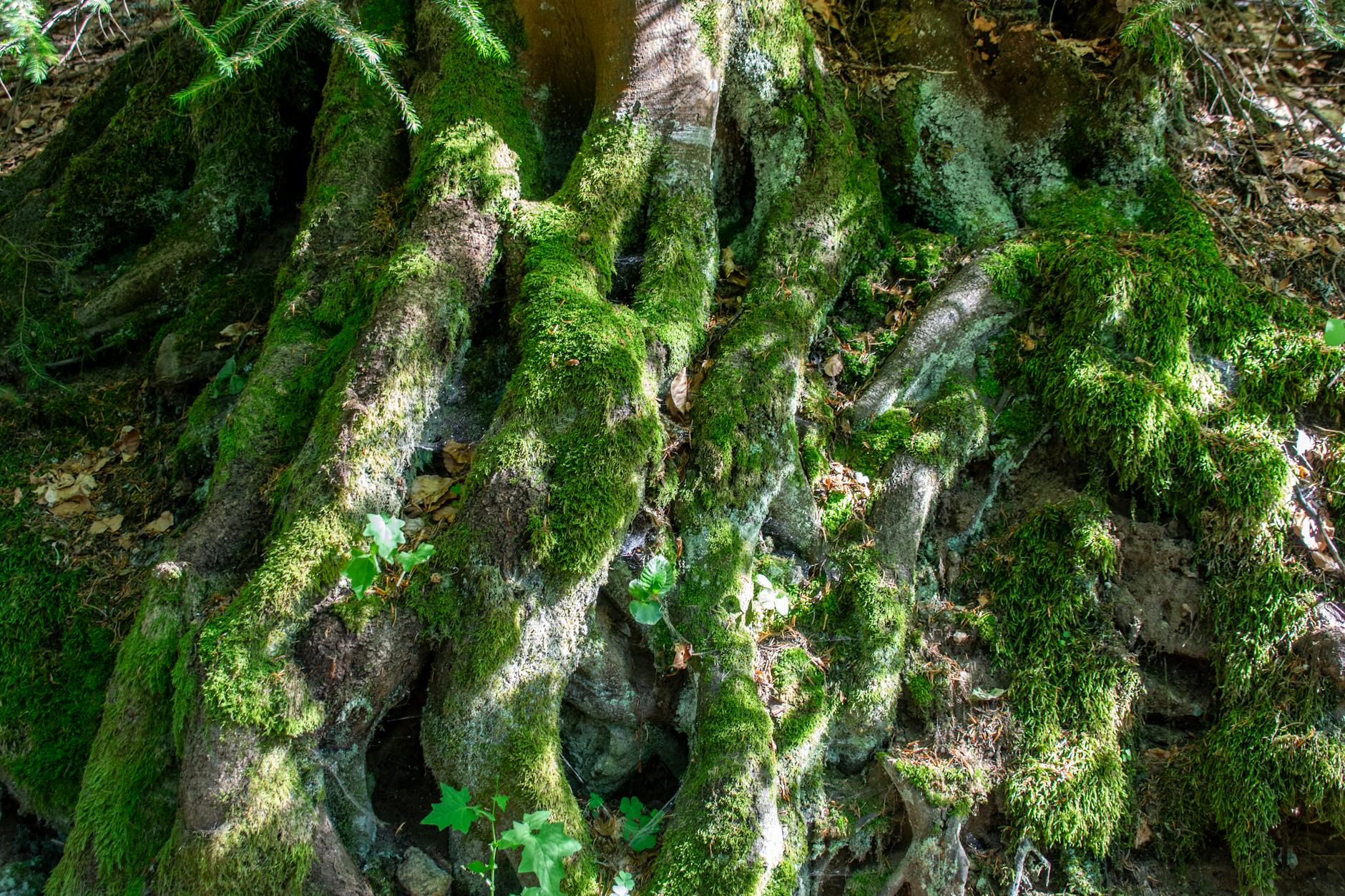
Plants can look silent and still, but they are far from inactive. They send, receive, and respond to information in ways that matter for survival and reproduction. Their communication does not look like human speech or animal calls, and plants do not have a central nervous system, meaning they lack the brain-and-nerve setup found in animals. Their rigid cell walls also limit movement. Even so, plants still manage to communicate.
What makes plant communication especially fascinating is that it relies heavily on chemistry. While animals often depend on visual and auditory signals, plants commonly use chemical signals to share information. These signals can move through the air, through underground connections, and even across interactions with other species such as insects.
Plants can warn their neighbors through the air
One of the clearest examples of plant communication is the release of volatile organic compounds, often shortened to VOCs. These are chemicals that spread easily through the air. When a maple tree is attacked by a herbivore, it releases VOCs that warn nearby plants. Those neighboring plants can then react by adjusting their defenses.
This is a striking example of communication because it involves more than a simple physical change. A plant emits a cue, another plant perceives it, and the receiving plant responds. In plant communication research, this kind of response is important because it helps distinguish communication from a mere reaction to damage.
Plant communication is often described as a special form of behavior. In plants, behavior does not usually mean walking, turning, or making a face. Instead, it refers to a biochemical response to a stimulus. In the case of airborne warning signals, the plant under attack emits a chemical cue, and nearby plants detect it and prepare themselves.
This airborne signaling is especially important because plants cannot simply run away from threats. Since they are rooted in place, they must use other strategies to cope with herbivores, pests, and pathogens. Warning nearby plants can help increase readiness in the local plant community.
The Wood-Wide Web: underground plant messaging
Plants do not only communicate through the air. They can also send messages underground through mycorrhizal fungi. These fungi connect the roots of different plants in networks sometimes called the Wood-Wide Web.
Mycorrhizal fungi form underground links between roots, creating a pathway through which plants can send messages to one another. These connections can warn other plants about a pest attack and help them prepare their defenses.
The nickname Wood-Wide Web is memorable because it compares the fungal network to a web of connections, but the key idea is simple: plants may be physically separated above ground while still being linked below it. Through these fungal networks, communication can occur between plants of the same or related species.
This underground signaling shows that plant life is not just a collection of isolated individuals. In some cases, plants are part of interconnected systems that allow information to move from one organism to another. That matters because plants face many of the same basic challenges as animals: they need resources, they must avoid predators and pathogens, and they need to help ensure successful reproduction.
Why chemical communication matters so much for plants
Chemical communication is especially prominent in plants. That makes sense when you consider the limitations they face. Without rapid movement and without a central nervous system, plants rely on means better suited to their biology.
A plant signal is not judged by whether it is intentional in the same way human speech often is. In plant communication, what matters more is that a cue is emitted, perceived, and answered. Researchers often focus on whether the receiving organism shows a response and whether the communication is beneficial to sender and receiver.
This way of thinking helps explain why plant communication can look very different from communication in humans. There are no spoken words, no facial expressions, and no gestures in the usual sense. Instead, there are cues, detection, and biochemical changes.
Because plants are relatively immobile, chemical signals are highly effective. They can travel through the air as VOCs or through underground fungal connections. These systems let plants share useful information even in the absence of movement-based signaling.
Flowers as visual advertisers
Plant communication is not limited to plant-to-plant warnings. It also plays a major role between species. One of the most familiar forms of interspecies communication happens between flowers and insects.
Flowers often depend on external agents for reproduction. To attract pollinators, they signal where rewards such as nectar are located. Distinctive colors and symmetrical shapes help them stand out from the surroundings and guide insects toward the flower.
This works a bit like advertisement. A flower is not speaking, but it is still sending a message. Its visible traits communicate that something valuable is available. This matters because flowers compete with one another for visitors. To succeed, they need to attract attention.
The communication here benefits both sides. The flower improves its chances of pollination, while the visiting insect can locate nectar and other rewards. That is one reason interspecies communication is especially important in symbiotic relationships, where different species benefit from interacting.
Plants are not passive scenery
It is easy to think of plants as background objects in nature, but communication shows that they are active participants in their environment. They monitor cues, respond to threats, and interact with other living things in ways that support survival and reproduction.
Plants communicate within themselves, between cells and plant parts, with other plants, and with non-plant organisms. In the root zone especially, interactions with other organisms can be important. Their methods are not dramatic in the way birdsong or human conversation may be, but they are still deeply functional.
The idea that communication requires speech can make plant communication seem impossible at first. But communication is often understood more broadly as the transmission of information. Once viewed this way, plant signaling fits naturally into the larger picture. Information is sent, detected, and acted upon.
What plant communication tells us about communication itself
Plant signaling also broadens how we think about communication in general. Communication is often imagined as a sender delivering a message to a receiver through some channel. In plants, the channel may be air carrying volatile organic compounds or underground fungal networks linking roots. The message is not made of words but of cues that trigger meaningful responses.
This highlights an important point: communication does not have to resemble human language to count as communication. In plants, the exchange is tied closely to practical needs such as warning of herbivore or pest attack, attracting pollinators, and preparing defenses.
Seen this way, a maple tree releasing airborne chemicals, a fungal network linking roots, and a flower displaying bright colors and symmetry are all part of a wider world of information exchange. Plants may be rooted in place, but they are still deeply connected to what surrounds them.
A quieter kind of intelligence in nature
Plant communication is a reminder that nature is full of signals we do not always notice. A pest attack can trigger a chemical warning. A fungal network can relay danger underground. A flower can visually direct an insect toward nectar. None of this requires speech, nerves, or rapid movement.
What it does require is the ability to send, receive, and respond to information. Plants do exactly that. And once you start noticing these exchanges, a forest, meadow, or garden no longer looks silent at all.
Sources
Based on information from Communication.
More like this
Tap into the Wood-Wide Web of knowledge — download DeepSwipe and let fresh ideas take root every day.


