Full article · 7 min read
Zoroastrianism: the creator god who is not all-powerful
Many religions describe a supreme deity as all-powerful, all-knowing, and beyond challenge. Zoroastrianism stands out for presenting a different kind of cosmic drama. At the center is Ahura Mazda, the creator and sole God of Zoroastrianism, a deity whose very name carries the sense of lordship and wisdom. Yet this supreme god is not described as omnipotent. In Zoroastrian teaching, evil is not a minor disturbance or a symbolic flaw in the world. It has a powerful rival force behind it: Angra Mainyu.
That single idea gives Zoroastrianism a striking tension. The universe is not portrayed as a place where good rules effortlessly. Instead, it is a battleground in which human beings are called to take sides.
Who is Ahura Mazda?
Ahura Mazda is the Avestan name for the creator and sole God of Zoroastrianism. The literal meaning of Ahura is “mighty” or “lord,” while Mazda means wisdom. Together, the name presents a deity associated with power and intelligence, not merely raw force.
Zoroaster, the founder of Zoroastrianism, taught that Ahura Mazda is the most powerful being in existence and the only deity worthy of the highest veneration. That makes Ahura Mazda the central focus of worship. But unlike many monotheistic visions of God, this creator is not portrayed as unlimited in power.
This is one of the most fascinating features of Zoroastrian theology. A deity can be supreme, creator, and uniquely worthy of worship without being omnipotent. In other words, being “God” here does not require absolute control over every opposing force.
Why Ahura Mazda is not omnipotent
In many religious traditions, a supreme deity is said to be omnipotent, meaning all-powerful. Zoroastrianism takes a different path. Ahura Mazda is not omnipotent because his evil twin brother, Angra Mainyu, is nearly as powerful.
That detail changes the whole structure of the religion’s worldview. Evil is not simply a temporary illusion or a weakness within human nature. It is tied to an opposing being of immense strength. The struggle between good and evil is therefore real, serious, and cosmic in scale.
This does not mean Ahura Mazda is weak. Zoroaster taught that Ahura Mazda is the most powerful being in all existence. But “most powerful” is not the same as “all-powerful.” The distinction matters. It means resistance to good is substantial, dangerous, and deeply woven into the story of the world.
Angra Mainyu and the reality of evil
Angra Mainyu is the destructive, evil counterpart in Zoroastrian teaching. According to Zoroaster, Angra Mainyu created the daevas, evil spirits whose role is to sow evil in the world.
The term daevas refers to harmful or evil spirits in this religious framework. Their purpose is not neutral or ambiguous. They spread harm. This gives Zoroastrianism a sharp moral contrast: Ahura Mazda stands for goodness and rightful veneration, while Angra Mainyu and the daevas represent a force actively working against that good.
This setup helps explain why the religion places such emphasis on moral choice. Humans are not just trying to become better people in a vague ethical sense. They are participants in a much larger conflict. Every choice aligns, in some way, with either the goodness of Ahura Mazda or the evil associated with Angra Mainyu.
The human role: choosing a side
One of the clearest teachings in this tradition is that all people must choose between the goodness of Ahura Mazda and the evil of Angra Mainyu.
That idea gives human action real significance. In some religious systems, the divine plan may unfold regardless of what individuals do. In Zoroastrianism, human moral decisions matter within the cosmic struggle itself. People are not passive observers. They are drawn into the contest between opposed spiritual powers.
This also makes the religion feel intensely practical. The grandest theological conflict is reflected in everyday conduct. The battle between good and evil is not only happening in some distant heavenly realm. It is expressed through the choices people make.
Good will triumph—but not because evil is weak
Despite the immense power of Angra Mainyu, Zoroaster taught that Ahura Mazda will eventually defeat him, and that good will triumph over evil once and for all.
This gives Zoroastrianism both tension and hope. The conflict is not superficial, and evil is not dismissed as insignificant. At the same time, the religion does not end in uncertainty. The final outcome favors good.
That balance is part of what makes the faith so compelling. It recognizes the force of evil without granting it the last word. The world may be a place of struggle, but it is not a struggle without direction.
A religion of one God, but not a simple picture of divine power
Zoroastrianism describes Ahura Mazda as the creator and sole God. That places it in conversation with monotheistic ideas, where one deity stands above all others. But the religion also complicates familiar assumptions.
A sole God is not automatically defined here as omnipotent. More broadly, a deity does not have to be almighty, omnipresent, omniscient, omnibenevolent, or eternal in every tradition to count as a deity. Cultures have imagined divine beings in very different ways. Zoroastrianism is a vivid example of that diversity.
Its theology shows that a religion can center on one supreme creator while still presenting the universe as contested ground. That makes it different from models in which divine power is absolute and uncontested from the beginning.
From human-shaped images to no images at all
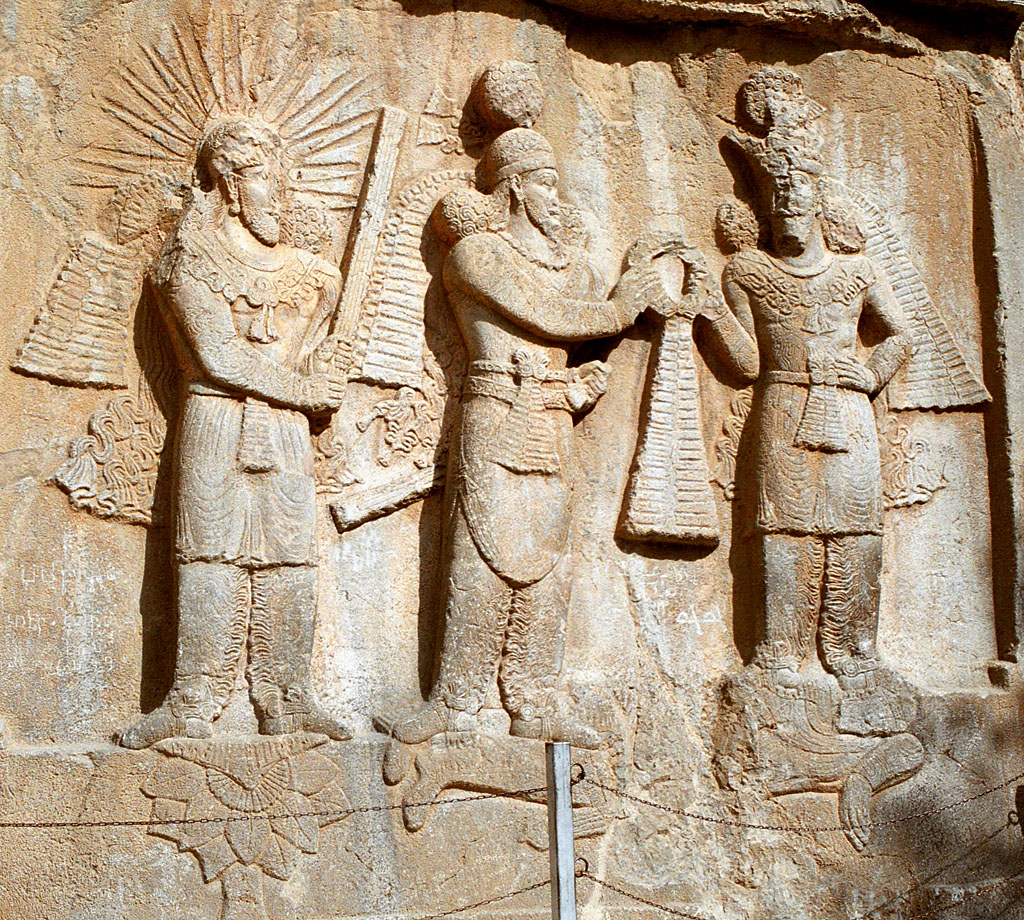
Another striking feature of Ahura Mazda’s history is the change in how the deity was represented. In the ancient Achaemenid Empire, Ahura Mazda was originally represented anthropomorphically.
Anthropomorphically means in human form. Many religions have imagined their deities with human-like bodies or features, whether in statues, carvings, paintings, or stories. This makes divine beings easier to visualize and often easier to relate to.
But that did not remain the case in Zoroastrianism. By the end of the Sasanian Empire, the religion had become fully aniconic.
Aniconic means avoiding images of divine beings altogether. In practical terms, it marks a move away from depicting God in visible form. This shift is important because it shows that religious ideas do not remain static. Even within the same tradition, the way believers imagine and honor the divine can change dramatically over time.
Why this makes Zoroastrianism so memorable
The religious history of gods and deities includes many kinds of divine beings: some linked to storms or fertility, some tied to local places, some imagined in human form, some not represented visually at all. Zoroastrianism is memorable because it combines several unusual features in one theological vision.
It has a sole creator deity. It insists that this deity alone deserves the highest veneration. It teaches a cosmic struggle between good and evil. And it denies that the creator is omnipotent, because the evil rival Angra Mainyu is nearly as powerful.
That combination gives the religion a dramatic moral structure. The universe is not governed by effortless perfection. It is a place where wisdom, worship, conflict, and ethical choice all matter.
A powerful idea at the heart of the faith
At its core, Zoroastrianism presents a deeply charged question: what does it mean to believe in a creator when evil is still a formidable force?
Its answer is neither simple resignation nor blind optimism. Ahura Mazda is the mighty and wise creator, the only deity worthy of the highest veneration. Angra Mainyu is the destructive rival whose power makes the conflict real. The daevas spread harm. Human beings must choose between good and evil. And in the end, good will prevail.
That makes Zoroastrianism one of the most distinctive visions of divinity in religious thought: a faith centered on one supreme creator, yet shaped by struggle, moral urgency, and the promise that wisdom and goodness will finally win.
Sources
Based on information from Deity.
More like this
Pick a side in the battle against boredom — download DeepSwipe and let good knowledge triumph daily.