Full article · 7 min read
Which Countries Lead Manufacturing Today?
Manufacturing is one of the clearest ways to see economic strength in action. It turns raw materials into finished goods, supports infrastructure, creates jobs, and helps shape how countries compete in the global economy. When people talk about industrial power, they are often really talking about manufacturing power.
Today, a handful of countries stand out as major manufacturing leaders. But there is more than one way to measure leadership. One country may dominate in total output, while another may rank higher in industrial competitiveness, technological capability, or its broader effect on the world economy.
The biggest manufacturer in the world
According to the United Nations Industrial Development Organization, or UNIDO, China had the highest manufacturing output in the world in 2023. It produced 28.7% of total global manufacturing output.
That is a striking figure because it means more than a quarter of the world’s manufacturing output came from a single country. In the same ranking, the United States, Germany, Japan, and India followed behind China.
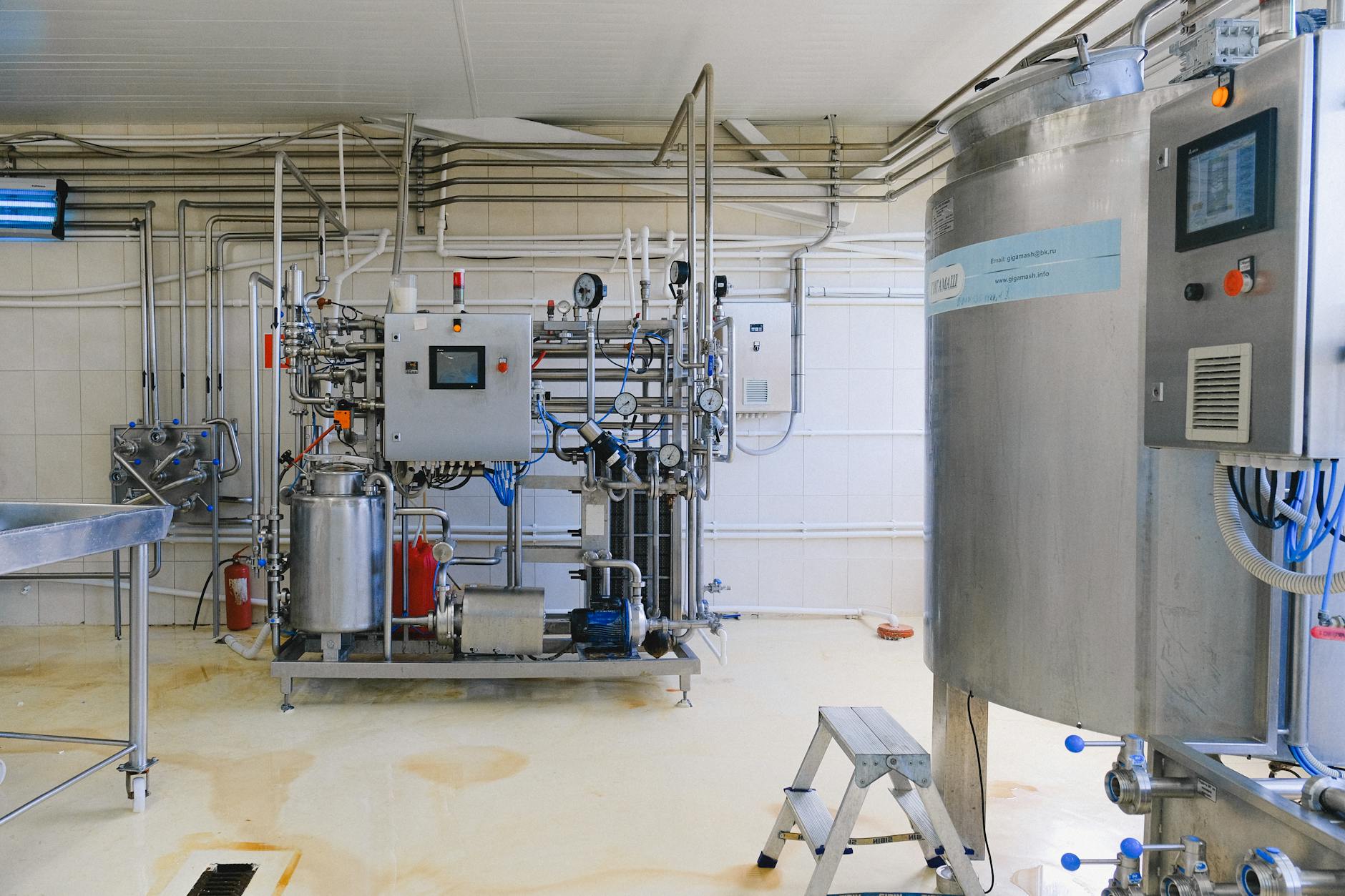
Manufacturing output refers to the total value of what a country’s manufacturing sector produces. Manufacturing itself covers the creation of goods using labor, machines, tools, equipment, and chemical or biological processing. In practical terms, this includes everything from basic industrial materials to more complex finished products that are sold either to consumers or to other manufacturers for use in larger systems and goods.
This broad definition helps explain why manufacturing output is such an important statistic. It captures a huge range of activity across the secondary sector of the economy, the part that transforms raw materials into usable products on a large scale.
Why total output is only part of the picture
Being the biggest producer does not automatically mean a country is the strongest in every manufacturing dimension. Manufacturing can also be judged by how advanced, competitive, dependable, flexible, or innovative it is.
That is why UNIDO also publishes the Competitive Industrial Performance Index, usually shortened to CIP Index. This ranking is designed to measure the competitive manufacturing ability of different nations.
The CIP Index does not look only at size. It combines a nation’s gross manufacturing output with other factors, including high-tech capability and the nation’s impact on the world economy. In other words, it tries to capture not just how much a country makes, but how strong and influential its manufacturing system is.
On the 2020 CIP Index, Germany ranked first. China came second, followed by South Korea, the United States, and Japan.
This is an important reminder that manufacturing leadership has layers. A country can lead by scale, by sophistication, or by its industrial influence across global markets.
Germany’s manufacturing strength
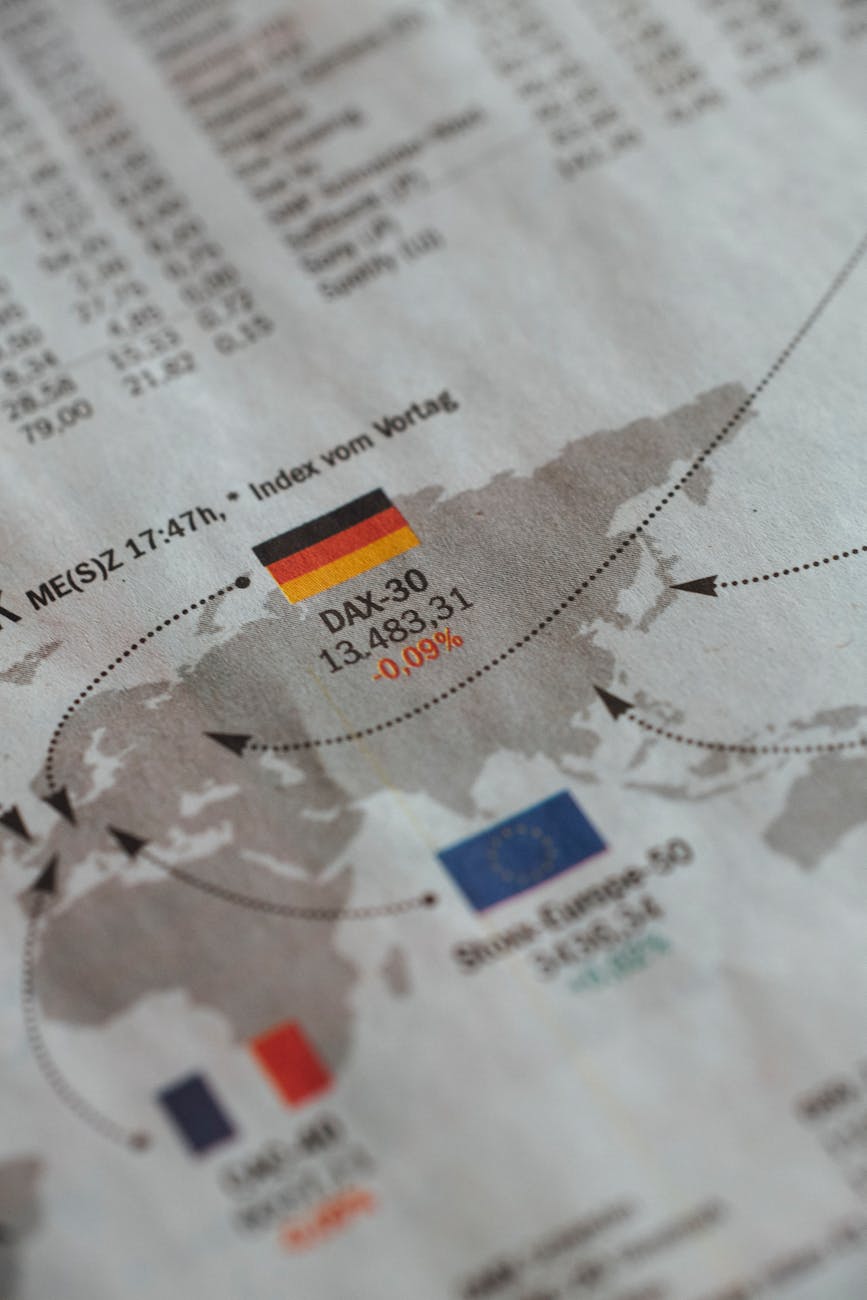
Germany’s top position in the 2020 CIP Index shows how highly it performs when manufacturing is measured through a broader competitive lens. The country also posted major output figures in 2023, reaching $844.93 billion in manufacturing output, which marked a 12.25% increase from 2022.
The sector employed approximately 5.5 million people in Germany, accounting for around 20.8% of the workforce. That is a large share, and it shows how deeply manufacturing is woven into the country’s economy.
When one in five workers is connected to manufacturing, the sector is not just another part of the economy. It becomes central to employment, industrial planning, and national economic identity.
Germany’s performance also makes sense in the context of how manufacturing is often evaluated. Traditional manufacturing strategy has been assessed along five dimensions: cost, quality, dependability, flexibility, and innovation. A country that scores strongly in competitive industrial performance is likely standing out across several of these dimensions rather than only producing large volumes.
The United States and manufacturing’s economic role
The United States remains one of the world’s leading manufacturing nations. In 2023, manufacturing accounted for 10.70% of total national output in the country and employed 8.41% of the workforce. The total value of manufacturing output reached $2.5 trillion.
These figures show that manufacturing continues to be a major part of the American economy, even though its share of employment is smaller than in countries where the sector occupies a larger workforce role.
Manufacturing matters because it provides material support for national infrastructure and also for national defense. It is tied closely to engineering and industrial design, and in many cases it depends on large supply chains, specialized machinery, and advanced production processes.
The role of manufacturing in the United States has also been the subject of debate and concern. Research cited in the article noted that 3.2 million U.S. manufacturing jobs disappeared between 2000 and 2007. That scale of job loss made manufacturing a central issue in discussions about outsourcing, industrial policy, and long-term economic resilience.
What manufacturing leadership really means
Manufacturing is not simply about factories producing goods. It includes all the intermediary stages involved in producing and integrating components into a final product. That means national manufacturing strength depends on more than final assembly. It also relies on product design, materials specification, engineering, and the manufacturing processes that transform inputs into finished outputs.
This is why manufacturing leadership is often tied to larger ideas like economic power, competitiveness, and investment attractiveness. Researchers and institutions track manufacturing trends by looking at cross-national differences in industrial growth, competitiveness, and the ability to attract foreign direct investors.
A country with a strong manufacturing sector can gain several advantages:
- stronger support for infrastructure
- a large base of industrial employment
- a greater role in international trade and production networks
- influence through technology and industrial capability
At the same time, manufacturing also comes with challenges. Many processes involve social and environmental costs. Hazardous waste, worker health risks, and pollution are all serious concerns. Developed countries often regulate manufacturing through labor laws and environmental laws, while manufacturers may also face pollution taxes intended to offset environmental damage.
So when people ask which countries lead manufacturing today, the answer is not only about who makes the most. It is also about who manages production effectively, who competes at a high level, and who balances industrial strength with the practical realities of labor, safety, and environmental responsibility.
Different ways countries compete
Manufacturing performance is often discussed in strategic terms. A traditional view identifies five key dimensions: cost, quality, dependability, flexibility, and innovation.
These are useful for understanding why countries can lead in different ways:
- Cost means producing efficiently and keeping unit costs low.
- Quality refers to how well goods meet required standards.
- Dependability involves producing consistently and reliably.
- Flexibility means adapting production to changing needs.
- Innovation refers to improving products and processes.
Not every manufacturing system can maximize all five at once. One influential idea in manufacturing strategy is that businesses may need to focus on one or two competitive priorities rather than trying to lead in every area simultaneously. That helps explain why global manufacturing rankings can differ depending on what exactly is being measured.
A country could be enormous in output, for example, while another country could perform exceptionally well in advanced capability and industrial competitiveness.
Why manufacturing still shapes the world
Manufacturing remains one of the foundations of modern economies. It is connected to industrial design, engineering, logistics, machinery, labor systems, and energy use. It influences where jobs are created, how investment flows, and how nations build economic security.
It also has a long history of transforming societies. The Industrial Revolution brought a shift from hand production to machines, introduced mechanized factories, and helped trigger enormous economic and population growth. Later developments such as electrification, mass production, and assembly-line systems changed output levels even more dramatically. Modern manufacturing still carries that legacy: when production systems improve, entire economies can change with them.
That is why manufacturing rankings attract so much attention. They are not just league tables. They are signals of which countries are strongest in turning resources, labor, machinery, and design into economic force.
The short answer
If the question is who leads manufacturing today by total output, the answer is China, which produced 28.7% of global manufacturing output in 2023.
If the question is who ranked first in competitive manufacturing performance, Germany topped UNIDO’s 2020 Competitive Industrial Performance Index.
And if the question is whether manufacturing still matters deeply to national economies, the answer is clearly yes. In both the United States and Germany, the numbers show that manufacturing remains a major source of output, employment, and national economic significance.
Sources
Based on information from Manufacturing.
More like this
Want more big-picture facts with industrial-strength impact? Download DeepSwipe and keep your curiosity in production mode.