Full article · 7 min read
World War II: How Aircraft Carriers Replaced Battleships
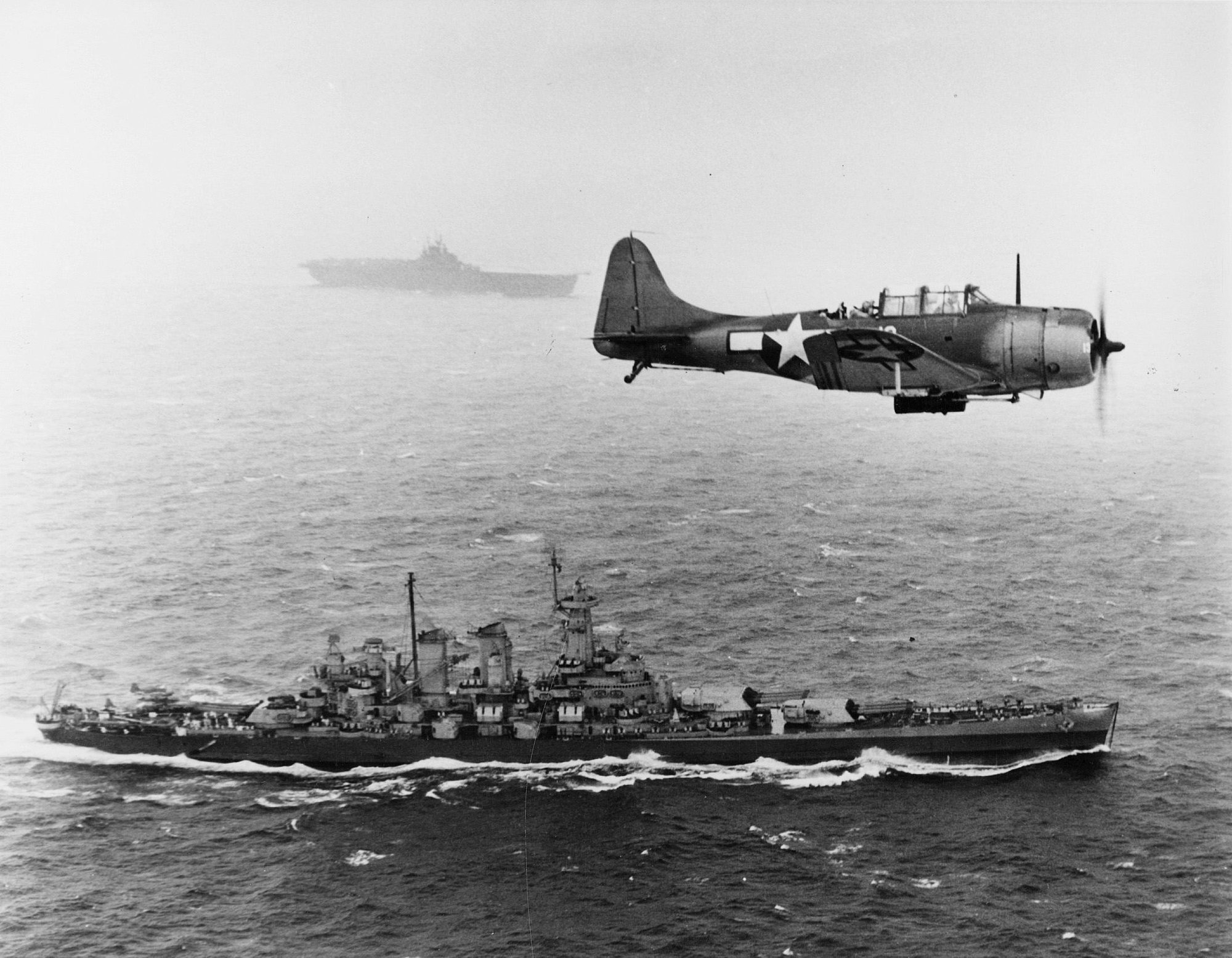
World War II transformed naval warfare. Before the war, the battleship was widely seen as the dominant capital ship—the biggest, heaviest warship in a fleet, built to win fights with massive guns and thick armor. But the war proved that control of the sea no longer depended only on whose ships could fire the largest shells. It increasingly depended on whose aircraft could strike first, farther away, and more flexibly.
Several key actions showed this shift with dramatic clarity. Taranto, Pearl Harbor, and the Coral Sea demonstrated that aircraft carriers had become central to modern naval power. In the Atlantic, escort carriers added another crucial role: protecting merchant convoys from submarines and helping close the dangerous Mid-Atlantic gap. Across multiple theatres, carriers reshaped strategy, tactics, and the very meaning of sea power.
From battleship era to airpower era
At the start of the war, naval warfare was still heavily influenced by older ideas. Battleships had long been symbols of national power. They were designed to survive punishment and destroy enemy warships with heavy artillery. But World War II brought rapid advances in aeronautical warfare and showed that aircraft launched from ships could do what even the most powerful guns could not.
Carrier aircraft could scout, attack, and support operations at ranges far beyond the reach of naval guns. That ability changed the rules. A fleet no longer had to sail into visual range and trade broadsides to inflict decisive damage. It could launch aircraft from a distance and strike enemy ships, harbors, or supply routes before the opposing fleet could effectively respond.
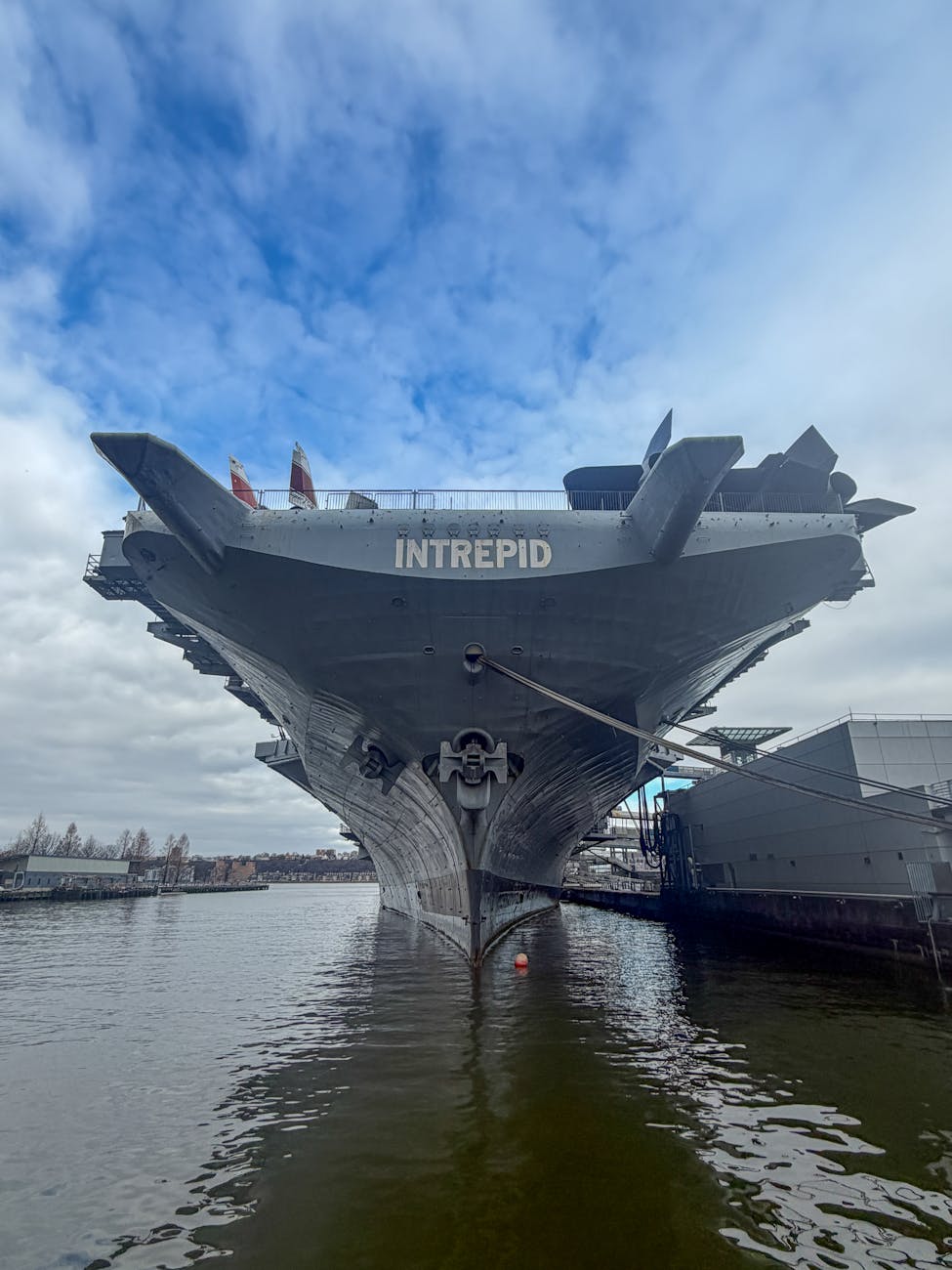
This was one of the war’s biggest naval revolutions. Aircraft carriers did not merely support fleets; they increasingly became the fleet’s decisive arm.
Taranto, Pearl Harbor, and the Coral Sea
Three actions are especially important in understanding the carrier’s rise.
At Taranto, carrier-based air power showed that ships in harbor could be seriously damaged by aircraft. This was an early sign that naval aviation could challenge traditional assumptions about fleet safety and capital ship power.
Pearl Harbor made the lesson impossible to ignore. Japan attacked the American fleet in Hawaii, demonstrating the reach and shock value of carrier-launched strikes. It was one of the clearest signs that the center of naval warfare had shifted from gun duels to air attack.
Then came the Battle of the Coral Sea. This clash confirmed the carrier as the dominant capital ship. It showed that naval campaigns could be decided by aircraft launched from carriers rather than by direct battleship engagement. In effect, control of the sea had become inseparable from control of the air above it.
These battles helped establish a new reality: the most powerful warship in the fleet was no longer necessarily the one with the biggest guns, but the one that could send aircraft over the horizon.
Why carriers ruled the seas
The carrier’s advantage came down to range, flexibility, and cost.
The most obvious advantage was range. A battleship’s guns, however large, could only strike so far. Carrier aircraft could project force far beyond gun range. That meant a fleet with carriers could find and hit an enemy before coming under direct naval fire. In practical terms, this made carriers ideal for surprise attacks, for protecting distant waters, and for shaping an entire campaign.
Carriers were also flexible. Their aircraft could perform different kinds of missions: reconnaissance, attack, and support. That gave naval commanders options that battleships alone could not provide. A carrier force could scout huge areas of ocean, strike fleets, hit bases, and support broader operations.
There was also an economic advantage. Carriers were more economical than battleships because aircraft were relatively low cost, and carriers did not need to be as heavily armoured. Heavy armor added weight, cost, and design limitations. A carrier’s strength came less from absorbing punishment and more from delivering offensive power through its aircraft.
That did not make carriers invulnerable. It made them efficient. In a war where industrial output and sustained operations mattered enormously, efficiency counted.
Escort carriers and the Battle of the Atlantic
The carrier story was not only about dramatic strikes in the Pacific. In the Atlantic, carriers played a quieter but equally important role.
Germany used U-boats—submarines—to attack Allied shipping. This struggle became the Battle of the Atlantic, a long contest over whether merchant ships carrying food, fuel, troops, and equipment could cross the ocean safely. Merchant vessels often sailed in convoys, meaning groups of ships moving together for protection.
Escort carriers became vital in this campaign. Unlike the large fleet carriers associated with major offensives, escort carriers were used to protect convoys. Their aircraft extended air cover into areas that land-based planes could not easily reach.
This mattered especially in the Mid-Atlantic gap. That was the stretch of ocean too far from land-based aircraft, where U-boats could attack with relatively little threat from the air. Escort carriers helped close that gap by bringing aircraft directly with the convoy. That widened the area in which Allied ships could be defended and made life far more dangerous for submarines.
The article notes that escort carriers became a vital part of Allied convoys, increasing the effective protection radius and helping to close the Mid-Atlantic gap. In strategic terms, that was enormous. Naval warfare is not only about sinking enemy warships; it is also about protecting the flow of supplies that keeps an alliance fighting. Escort carriers helped do exactly that.
Carriers in a wider naval revolution
Aircraft carriers rose alongside broader changes in naval warfare. The war saw major advances in submarines, anti-submarine tactics, and naval technology. But carriers stood out because they changed what fleets were built to do.
Earlier in the war, battleships still held prestige. Yet the pattern of the conflict kept favoring air power at sea. In the Atlantic, carriers helped defend trade routes. In the Pacific, they were central to offensive operations and surprise strikes. This was not a minor adjustment in doctrine; it was a complete rewrite of naval priorities.
The war also made clear that naval power now depended on combining ships, aircraft, and intelligence in a coordinated system. Carrier warfare required scouting, communications, planning, and industrial support. That fit the larger pattern of World War II, where technology and production increasingly determined outcomes.
By the end of the war, the carrier had decisively displaced the battleship as the dominant capital ship. Battleships still existed, but they no longer defined the future of naval warfare.
Why this shift mattered so much
The rise of the aircraft carrier was not just a technical change. It affected campaigns across oceans.
A navy built around battleships emphasized armor, guns, and direct confrontation. A navy built around carriers emphasized reach, mobility, and air superiority. That shift allowed fleets to influence events over vast distances, strike with surprise, and defend shipping routes more effectively.
In other words, the aircraft carrier changed both tactics and strategy. Tactically, it allowed fleets to attack from beyond visual range. Strategically, it helped nations project power across entire regions.
World War II made that lesson permanent. Taranto, Pearl Harbor, and the Coral Sea showed that the era of the battleship at the center of naval warfare was ending. In the Atlantic, escort carriers proved that even smaller carriers could have outsized strategic value by shielding convoys and reducing the freedom of U-boats. Across the war’s maritime theatres, carriers reset naval warfare’s playbook.
The new crown of sea power
When people picture great warships, the battleship still often comes to mind first: huge guns, thick steel, and floating fortresses. But World War II revealed that naval dominance had moved into the sky above the fleet.
Aircraft carriers took the crown because they brought airpower to sea. They struck farther than battleship guns, adapted to multiple roles, and often did so more economically. From harbor attacks to open-ocean fleet actions to convoy defense, carriers proved they were not a side feature of naval war. They were its new center.
That is why World War II marks the moment the battleship lost its throne—and the aircraft carrier became the defining capital ship of modern naval warfare.
Sources
Based on information from World War II.
More like this
Swap battleships for brainships—download DeepSwipe and launch into more world-changing stories.