Full article · 7 min read
Reproduction: Two Very Different Ways Life Continues
Every living population depends on reproduction: the process of producing offspring from parent organisms. But reproduction does not happen in just one universal way. Life uses two major routes, and they are strikingly different.
One route is a kind of biological copying. The other is a biological remix.
In asexual reproduction, one organism produces offspring without receiving genetic material from another organism. In sexual reproduction, specialized reproductive cells called gametes combine, and the resulting offspring inherit genetic characteristics from both parents. These two strategies shape how organisms grow, adapt, and survive.
Asexual reproduction: the copy route
Asexual reproduction happens when an organism creates a genetically similar or identical copy of itself. The key idea is simple: only one parent is involved, and no second organism needs to provide genetic material.
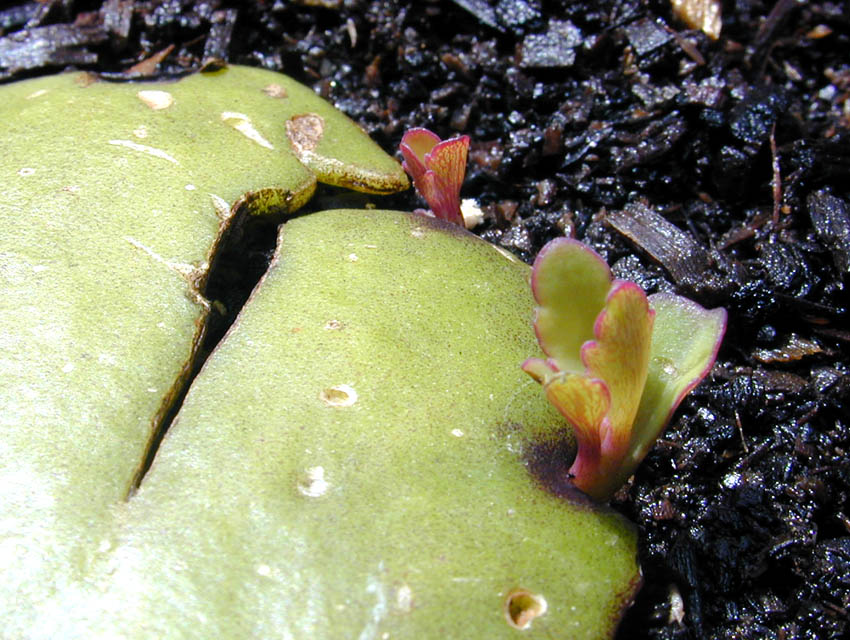
This is not just a trick used by tiny microbes. Bacteria reproduce asexually through binary fission, a process in which one cell divides into two. Hydras and yeasts can reproduce by budding, where a new individual grows out from the parent. Fragmentation is another route, in which part of an organism breaks off and develops further. Some organisms also reproduce through spore formation.
Plants are especially flexible here. Most plants can reproduce asexually, and many can also reproduce sexually. That means they can switch between making near-copies of themselves and producing genetically mixed offspring.
One especially interesting form of asexual reproduction is parthenogenesis. This is the growth and development of an embryo or seed without fertilization. It occurs naturally in some lower plants, some invertebrates such as water fleas, aphids, some bees and parasitic wasps, and also in some vertebrates including some reptiles and some fish. It is very rare in domestic birds.
Asexual reproduction has a major advantage: it can increase numbers quickly. If conditions are favorable, organisms using asexual reproduction can grow in number exponentially. When food is abundant, shelter is adequate, climate is favorable, disease pressure is low, and other conditions suit survival, this copy-based strategy can be very effective.
Sexual reproduction: the mix route
Sexual reproduction works very differently. Instead of one organism copying itself, two organisms contribute genetic material. The process usually begins with meiosis, a specialized kind of cell division that produces gametes.
Gametes are reproductive cells such as sperm and egg. They contain half the number of chromosomes found in somatic cells, which are the ordinary body cells of an organism. When two gametes combine, they form a fertilized zygote. A zygote is the first single cell of a new organism, and it carries genetic input from both parents.
Because each parent contributes half of the offspring’s genetic makeup, the resulting organism does not come out as a copy of either parent. Instead, it inherits a combination of genes. In sexually reproducing organisms, offspring receive one allele for each trait from each parent. An allele is a version of a gene. This helps explain why siblings can resemble the same parents while still being different from one another.
Most animals, including humans, and most plants reproduce sexually. This route tends to produce fewer offspring than rapid asexual reproduction, but those offspring show more genetic variation.
Why gametes matter
Gametes are central to sexual reproduction. In many species, there are two different kinds. In anisogamous species, these are male and female gametes. Males produce sperm or microspores, while females produce ova or megaspores.
Not all species fit that familiar pattern. In isogamous species, the gametes are similar or identical in form. They may still have different properties, but they generally cannot be neatly classified as male or female. In the green alga Chlamydomonas reinhardtii, for example, there are “plus” and “minus” gametes instead. Some organisms, including many fungi and the ciliate Paramecium aurelia, even have more than two sexes, often called mating types.
So while sexual reproduction is often described as involving male and female, biology includes a wider range of arrangements.
Mitosis and meiosis: two kinds of cell division
To understand reproduction, it helps to separate two important processes: mitosis and meiosis.
Mitosis occurs in somatic cells. It produces offspring cells with the same number of chromosomes as the parent cell. The result is straightforward cell duplication.
Meiosis occurs in gametes. It reduces the chromosome number by half. A diploid cell duplicates itself and then goes through two divisions, ultimately forming four haploid cells. These two phases are called meiosis I and meiosis II.
This matters because sexual reproduction depends on gametes carrying half the usual chromosome number. When two gametes fuse, the combined cell restores the full set.
From sperm and egg to a new organism
In animals, including mammals, gametes are produced in gonads. Testicles produce sperm through spermatogenesis, and ovaries produce eggs through oogenesis.
These processes are more than simple cell production. During gametogenesis in mammals, many genes involved in DNA repair show enhanced or specialized expression. Male germ cells in testes are capable of DNA repair processes during meiosis, including homologous recombinational repair and non-homologous end joining. Oocytes in the primordial follicle of the ovary can also undergo highly efficient homologous recombinational repair of DNA damage, including double-strand breaks.
The practical importance is clear: these repair mechanisms help maintain genome integrity and protect offspring health.
Self-fertilization and cross-fertilization
Sexual reproduction also includes different ways gametes come together.
Allogamy is cross-fertilization. In flowering plants, this happens when a flower’s ovum is fertilized by spermatozoa from the pollen of a different plant’s flower. Pollen may be moved by pollen vectors or by abiotic carriers such as wind. Fertilization begins when pollen reaches the female gamete through the pollen tube.
Autogamy is self-fertilization. This occurs in hermaphroditic organisms when the two gametes that fuse come from the same individual. Many vascular plants do this, as do some foraminiferans and some ciliates. The term is also used for self-pollination within the same flower, which is distinct from transferring pollen to a different flower on the same plant.
These are both sexual processes, but they differ in how much they mix genetic material between different individuals.
The tradeoff: speed versus variation
Asexual reproduction is efficient. Sexual reproduction is costly.
Biologists describe a major puzzle here: why sexual reproduction evolved at all, given its disadvantages. One often-cited cost is that only 50% of organisms reproduce, and each parent passes on only 50% of its genes.
Yet sexual reproduction remains widespread. A major reason is variation. Organisms that reproduce sexually generate offspring with more genetic differences. That variation can make a population less susceptible to disease and better able to survive environmental change.
By contrast, organisms reproducing asexually may multiply quickly, but because they rely on mutation for DNA variation, members of the species tend to share similar vulnerabilities.
This leads to a classic tradeoff:
- asexual reproduction can be fast and efficient
- sexual reproduction can create broader variation in offspring
When conditions are stable and favorable, asexual reproduction can help organisms exploit those good conditions rapidly. When conditions become hostile or unpredictable, sexual reproduction can help by mixing the gene pool and increasing the odds that some offspring will be suited to survive.
Some organisms can do both
Nature does not always force a species to choose only one route forever. Many organisms can reproduce both sexually and asexually.
Examples include aphids, slime molds, sea anemones, some species of starfish, and many plants. In favorable conditions, they may use asexual reproduction to increase quickly. When food runs low, climate worsens, or survival becomes riskier, they may shift to sexual reproduction.
This switch can be powerful. Sexual reproduction not only creates gene mixing, but often leads to life stages such as seeds, spores, eggs, pupae, or cysts that can endure harsh conditions. In effect, these stages help offspring wait out bad times until conditions improve.
Reproduction is not one-size-fits-all
The basic idea sounds simple: make more life. But the methods are surprisingly diverse.
One organism may split in two. Another may bud. A plant may reproduce without seeds in one situation and through fertilization in another. Some species use sperm and eggs that look very different, while others use gametes that look alike. Some can self-fertilize, while others depend on cross-fertilization.
Still, the big picture remains clear. Reproduction follows two main routes:
- the copy route, where one parent makes genetically similar or identical offspring
- the mix route, where gametes from two parents combine to form a zygote carrying traits from both
That contrast sits at the heart of how life continues, changes, and survives.
Sources
Based on information from Reproduction.
More like this
Copy great ideas or mix new ones into your day — download DeepSwipe and reproduce your curiosity daily.


