Full article · 7 min read
How Japan Went from Wartime Ruin to Economic Superpower
Japan’s postwar transformation is one of the most striking economic stories in modern history. After defeat in 1945 and years of occupation, the country rebuilt itself with remarkable speed. Within a few decades, Japan had become the second largest capitalist economy in the world, known for its factories, exports, bullet trains, and powerful global brands.
That rise did not happen by accident. It was shaped by political choices, industrial strategy, close ties with the United States, and a workforce that helped turn recovery into long-term growth.
The postwar reset
After World War II, Japan underwent sweeping political and social change under Allied occupation from 1945 to 1952. The occupation aimed to demilitarize and democratize the country. Japan’s military was disarmed, war criminals were tried, and a new constitution came into effect in 1947.
That constitution transformed Japan into a parliamentary democracy and guaranteed civil liberties, labor rights, and women’s suffrage. Through Article 9, Japan also renounced its right to go to war with another nation. These changes mattered because they helped define the environment in which economic recovery would take place: a country no longer centered on military expansion, but increasingly focused on rebuilding society and industry.
The occupation also tried to decentralize economic power. Large business conglomerates known as zaibatsu were targeted for breakup, agricultural land was transferred from landlords to tenant farmers, and labor unionism was promoted. All of this reshaped the foundations of Japanese society before the great growth years began.
The Yoshida Doctrine: security outside, growth inside
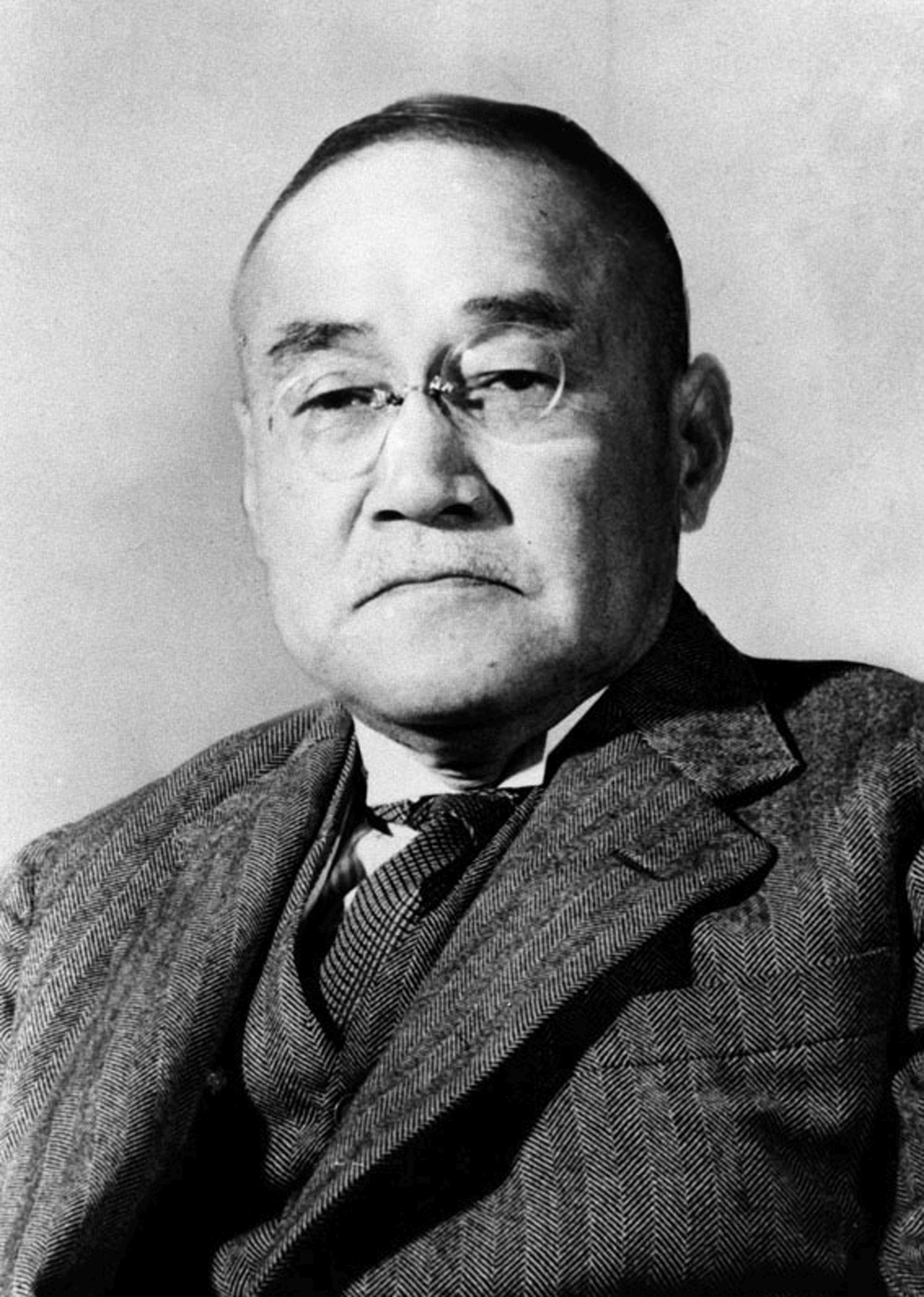
A major idea behind Japan’s recovery was the Yoshida Doctrine, associated with Prime Minister Shigeru Yoshida. In simple terms, it meant keeping a close relationship with the United States while concentrating national energy on economic development rather than an aggressive foreign policy.
This approach fit the postwar moment. Japan normalized relations with the United States through the San Francisco Peace Treaty of 1951, while the U.S.-Japan Security Treaty placed Japan in a military alliance with the United States. That arrangement let Japan rely heavily on the U.S. for security while directing more attention and resources toward rebuilding its economy.
The Korean War from 1950 to 1953 also gave Japanese business a major boost. At a time when the economy was still fragile, that conflict created strong demand that helped industry recover.
MITI and the machinery of growth
One of the most important institutions in Japan’s economic rise was the Ministry of International Trade and Industry, better known as MITI. Created in 1949, MITI was tasked with promoting economic growth through close cooperation between government and big business.
MITI encouraged manufacturing and heavy industry, and it worked to expand exports. This was industrial policy in action: the state did not simply stand aside, but actively tried to guide development. Manufacturing became central to Japan’s success, and by the end of the period of high growth, the country was exporting large volumes of manufactured goods.
Several other factors supported this rise. Technology and quality control techniques were imported from the West. Japan also benefited from close economic and defense cooperation with the United States. Non-tariff barriers to imports and restrictions on labor unionization helped shape the domestic economy as well.
Another often-cited feature of the period was lifetime employment. This system helped corporations retain a loyal and experienced workforce by offering employees a relatively secure job over the long term. That stability supported industrial expansion and skill development.
The era of extraordinary growth
Japan’s growth after the war was not merely strong. It was exceptional.
By 1955, the Japanese economy had grown beyond prewar levels. From 1956 until the 1973 oil crisis, gross national product expanded at an annual rate of nearly 10 percent. Even after that slowdown, growth remained rapid, averaging just over 4 percent annually until 1991.
This long boom changed everyday life. Life expectancy rose, the population increased dramatically, and ordinary Japanese people became wealthy enough to buy a wide range of consumer goods. Japan became the world’s largest manufacturer of automobiles and a leading producer of electronics.
By 1968, the country had become the second largest capitalist economy in the world. That was an astonishing turnaround for a nation that had been devastated by war just over two decades earlier.
Symbols of recovery: the bullet train and the 1964 Olympics
Economic revival was not only measured in statistics. It was also visible in national showcase projects.
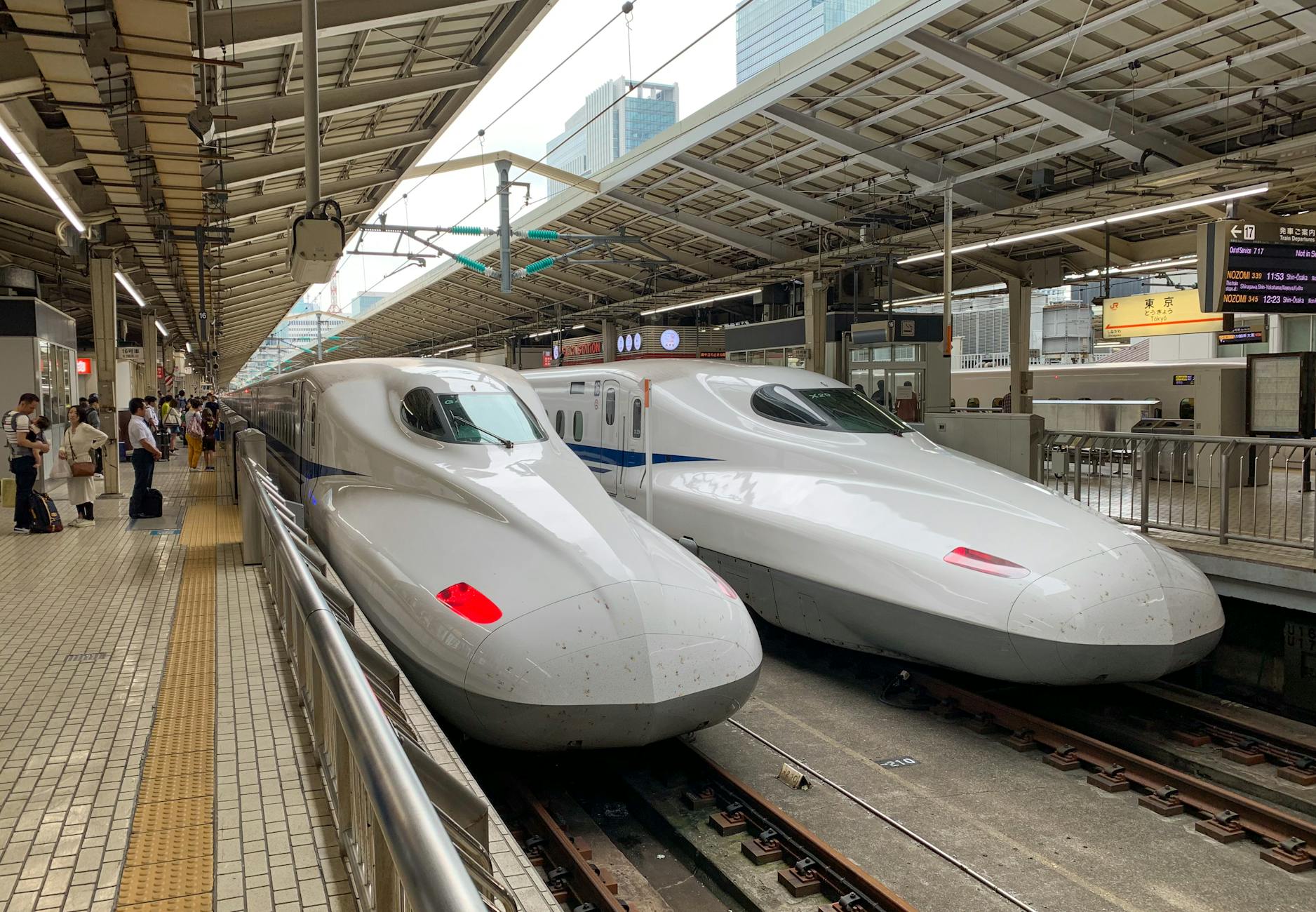
Prime Minister Hayato Ikeda promoted the famous “Income Doubling Plan,” promising to double Japan’s GDP in ten years. He achieved that goal in just seven. During his leadership, Japan also completed the world’s first bullet train line.
A bullet train refers to high-speed rail, and in Japan this system became known as the Shinkansen. Its launch symbolized technological confidence, speed, and modern infrastructure.
The 1964 Tokyo Olympics carried similar importance. They were widely praised and signaled Japan’s return to international prominence. Together, the Olympics and the bullet train helped present a new image of Japan to the world: modern, efficient, and forward-looking.
Why exports mattered so much
Japan’s growth was tightly linked to exports. As factories became more capable and manufacturing quality improved, Japanese goods became more competitive abroad. Heavy industry, automobiles, and electronics were especially important.
This export strength was part of a broader system. Government policy supported industrial development, businesses invested in production, and workers contributed to a stable, highly skilled labor force. The result was a powerful growth engine that connected domestic industrial capacity to global markets.
Prosperity, productivity, and social foundations
Japan’s postwar success was not only about factories and ministries. It also rested on broader social conditions.
Earlier developments in literacy and numeracy had already created a strong foundation. In the Edo period, private schools expanded widely, and literacy rose substantially. These long-term educational strengths formed part of the social base that later supported modernization and rapid industrial growth.
Postwar Japan also benefited from political stability. In 1955, Yoshida’s Liberal Party merged into the Liberal Democratic Party, or LDP, which dominated Japanese politics for much of the Shōwa period. That continuity helped create a predictable environment for long-range economic planning.
The Plaza Accord and the bubble years
The story of Japan’s rise also includes the seeds of later trouble.
In 1985, Japan signed the Plaza Accord, an agreement intended to depreciate the U.S. dollar against the yen and other currencies. In practical terms, this meant the yen strengthened. The years that followed saw rapid expansion in stock and real-estate lending.
By the end of 1987, the Nikkei stock market index had doubled, and the Tokyo Stock Exchange had become the largest in the world. This was the era of the asset bubble, when rising prices in stocks and property created a sense of enormous wealth.
But bubbles do not last forever.
The bubble bursts and the Lost Decade begins
In 1989, the economic bubble popped. Stock and land prices fell sharply, and Japan entered a deflationary spiral. Deflation means a general decline in prices, which can sound good at first but often signals weak demand and can make economic stagnation harder to escape.
Banks were left with massive debts that hindered recovery. Economic performance was poor through much of the 1990s, a period often called the Lost Decade. In reality, the effects stretched beyond a single decade. The stock market did not return to its pre-1989 highs until February 2024.
The downturn also affected society more broadly. Lifetime employment largely collapsed, and unemployment rose. The economic model that had once seemed unstoppable now looked far more fragile.
A transformation that reshaped the world
Even with the collapse of the bubble, Japan’s postwar rise remains one of the defining economic transformations of the twentieth century. The country moved from occupation and austerity to global industrial power. It built an economy driven by manufacturing, exports, and coordinated state-business strategy. It introduced the world’s first bullet train line, hosted a celebrated Olympics, and became a symbol of technological modernity.
The arc of this story runs from disarmament to development, from Allied occupation to industrial leadership, and from miracle growth to the sobering lessons of the Lost Decade. Japan’s rise shows how policy, institutions, and long-term social foundations can combine to produce extraordinary change.
Sources
Based on information from History of Japan.
More like this
Ride the bullet train through big ideas — download DeepSwipe and speed through history, one swipe at a time.