Full article · 8 min read
The Yayoi Revolution in Japan: How Rice, Iron, and Migration Changed an Archipelago
The Yayoi period marks one of the biggest turning points in Japanese history. Over a relatively short span of centuries, the Japanese archipelago was transformed by new crops, new tools, new crafts, and new forms of social organization. What had long been a world dominated by Jōmon hunter-gatherer communities began to change as Yayoi people arrived from the Asian mainland and introduced rice cultivation, metallurgy, and a whole package of new technologies.
This was not just a simple change in tools. It reshaped population size, health, warfare, class differences, and political power. By the end of the Yayoi period, the foundations had been laid for early kingdoms and for the larger state-building that would follow.
Who were the Yayoi?
The Yayoi were people from the Asian mainland whose arrival brought fundamental transformations to Japan. Their culture followed the Jōmon period, a much older era in which people in Japan lived mainly as hunter-gatherers, though with considerable cultural complexity.
The beginning of Yayoi influence was once thought to date to around 400 BC, but radiocarbon evidence suggests it started earlier, between 1,000 and 800 BC. Immigration from the continent appears to have accelerated around the 3rd century BC. These newcomers first spread from northern Kyūshū and gradually expanded farther through the archipelago.
One major question still debated is whether the changes of the Yayoi age spread mostly through migration or through cultural diffusion. Diffusion means ideas, tools, and techniques moving from one society to another without necessarily requiring large numbers of people to relocate. In this case, scholars debate how much of the transformation came from continental migrants themselves and how much came from local communities adopting foreign practices.
Even so, migration clearly played an important role. One estimate suggested an annual immigrant influx from the continent ranging from 350 to 3,000 people.
Rice cultivation changed everything
The single most important economic shift of the Yayoi period was the development of rice cultivation. This was part of the broader Neolithic Revolution taking hold in Japan. The term Neolithic Revolution refers to the transition from hunting and gathering toward farming and more settled ways of life.
Rice agriculture mattered because it could support larger and denser populations than a hunter-gatherer economy. Once farming spread, Japan’s population began to rise rapidly. Some estimates suggest a tenfold increase over Jōmon levels, and calculations for the population by the end of the Yayoi period range from 1 million to 4 million people.
Archaeological evidence hints at why this happened. Skeletal remains from the late Jōmon period show deterioration in already poor health and nutrition, while Yayoi sites include large structures that seem to have been grain storehouses. Grain storage meant communities could preserve food surpluses, manage shortages better, and support larger settlements.
Agriculture also changed social relationships. Farmers tied to productive land could generate wealth, and control over land and stored grain likely became a source of power. Trade and farming expanded wealth, but that wealth was increasingly monopolized by social elites.
Iron, bronze, and the new technology package
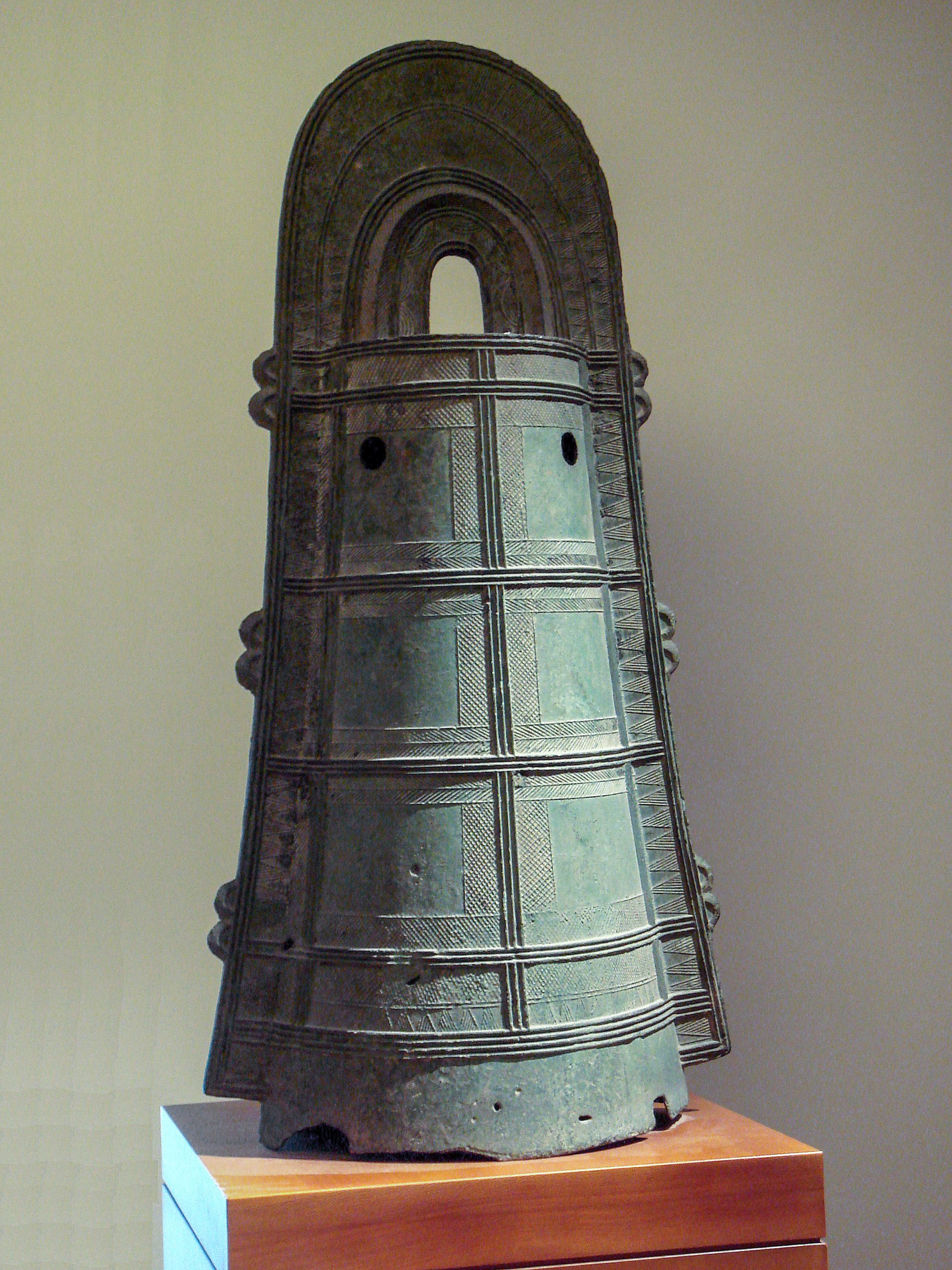
The Yayoi transformation was not only about food. It also involved metallurgy, meaning the working and shaping of metals such as bronze and iron. Yayoi communities used bronze and iron weapons and tools, which were initially imported from China and the Korean peninsula.
These materials changed daily life and conflict alike. Iron tools could improve farming and woodworking. Bronze and iron weapons could alter warfare and political competition. The arrival of these technologies from the mainland gave Yayoi communities practical advantages that helped their expansion.
But metal was only part of a much broader technological package. The Yayoi also introduced:
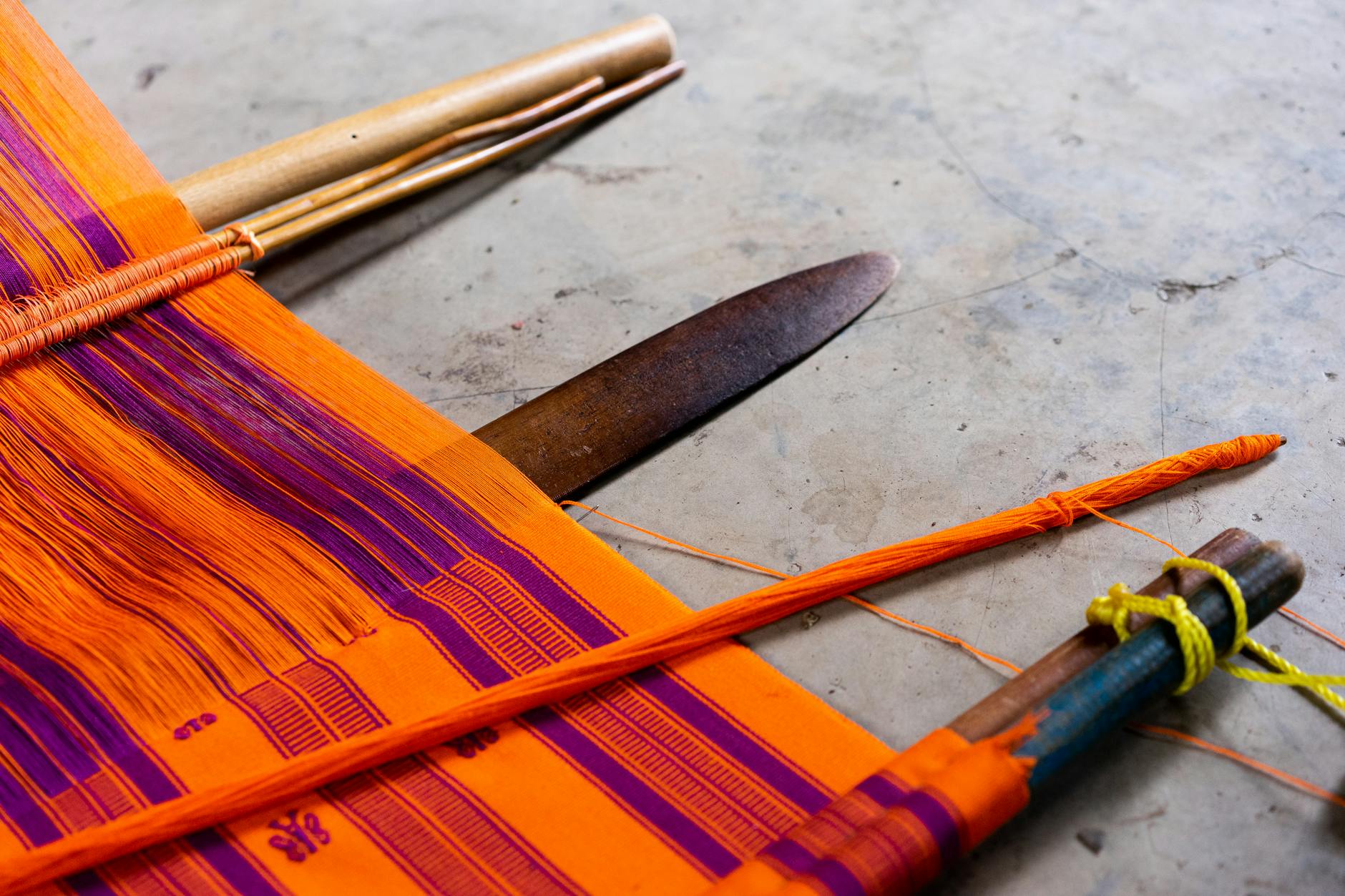
- weaving and silk production
- new woodworking methods
- glassmaking technology
- new architectural styles
Together, these innovations changed how people dressed, built homes, crafted goods, and organized work. What emerged was not just a new set of gadgets, but a new civilization pattern with continental roots.
What happened to the Jōmon people?
As Yayoi culture spread, it gradually supplanted the older Jōmon world. The article describes the expansion of the Yayoi from northern Kyūshū and notes that they gradually overwhelmed the Jōmon people, who were natives of the archipelago and largely hunter-gatherers.
At the same time, this was not a story of total replacement. The expansion of the Yayoi appears to have brought about a fusion with the indigenous Jōmon, resulting in a small genetic admixture. That means the populations mixed to some degree, even as the newer agricultural and metallurgical culture became dominant.
So the Yayoi Revolution was both a migration story and a cultural merger, though not on equal terms. The incoming system of farming, metalworking, and social organization proved powerful enough to reshape life across the islands.
Population boom, class divisions, and war
Rapid population growth had major consequences. More people meant more farming, more villages, and more competition. During the Yayoi period, society became increasingly stratified, meaning divided into social layers with unequal wealth and power.
Evidence for this includes segregated gravesites, suggesting that some people were treated differently in death according to status. Military fortifications, such as Yoshinogari, point to organized defense and conflict. Tribal warfare appears to have increased alongside the growth of agricultural society.
This makes sense in practical terms. Farming communities rely on land, water, tools, and stored harvests. Those resources can be defended, raided, taxed, or controlled. Once grain and metal entered the picture, power could become more concentrated.
By around 600 AD, Japanese society had developed a class structure that included court aristocrats, families of local magnates, commoners, and slaves. The roots of that inequality reach back into the Yayoi period, when expanding trade and agriculture increased wealth but concentrated it in the hands of elites.
From tribes to kingdoms
As Yayoi communities expanded, they did not remain scattered village societies forever. During the Yayoi period, tribes gradually coalesced into a number of kingdoms.
The earliest written work to clearly mention Japan is the Chinese Book of Han, published in 111 AD. It says that one hundred kingdoms comprised the land referred to as Wa. This is a remarkable snapshot: rather than one unified state, early Japan appears as a patchwork of many political units.
A later Chinese history, the Book of Wei, reports that by 240 AD the powerful kingdom of Yamatai had gained ascendancy over the others. This is where one of the most famous figures of early Japanese history appears.
Himiko and the mystery of Yamatai
Yamatai was said to be ruled by the female monarch Himiko. She remains one of the most intriguing figures of ancient Japan.
The records portray her as the ruler of a powerful kingdom that rose above rival polities by the 3rd century. Her prominence shows that the Yayoi world had already developed beyond village farming into something much more political: competing realms, alliances, and recognized rulers.
Her exact location remains debated by modern historians, and even aspects of how Yamatai is described continue to be disputed. But her appearance in written history is significant. It suggests that by the late Yayoi age, political centralization was advancing, and some rulers had become important enough to be recorded by neighboring civilizations.
Himiko also stands out because she was a female monarch. In early Japanese history, women could hold high social and political status, and female rulers appear in recorded history well before later legal systems imposed stricter male dominance.
Why the Yayoi period mattered so much
The Yayoi period was revolutionary because it changed nearly every part of life at once.
It brought:
- wet-rice agriculture
- bronze and iron technology
- weaving and silk production
- glassmaking and new woodworking methods
- new architectural styles
- rapid population growth
- stronger social stratification
- increased warfare
- the rise of kingdoms
In other words, the Yayoi age created the conditions for larger-scale political power. The many tribes and small polities of this era would eventually give way to greater unification in later centuries.
Without the Yayoi Revolution, the later emergence of powerful states, elite lineages, and centralized rule in Japan would have looked very different.
A transformation that still fascinates historians
The Yayoi period remains fascinating because it sits at the crossroads of archaeology, migration, technology, and identity. It asks big questions that still matter today: How do new ideas spread? How much do migrating people change a society? And how does a new farming system alter politics, class, and everyday life?
What is clear is that the arrival of rice cultivation and metallurgy set off one of the most important transformations in the history of the Japanese archipelago. From northern Kyūshū outward, a new way of life spread across the islands, carrying with it new tools, new wealth, new conflicts, and eventually new kingdoms.
By the time Himiko and Yamatai appear in written records, the change was impossible to miss. Japan had entered a new age.
Sources
Based on information from History of Japan.
More like this
Rice, iron, and rising kingdoms—feed your curiosity like a Yayoi granary. Download DeepSwipe and harvest a new story every day.