Full article · 8 min read
What Home Really Means
Home sounds simple at first: a place where someone lives. But the idea is much bigger than a building. A home can be permanent or semi-permanent, sheltering one person or many, and sometimes companion animals too. It is where everyday life happens — sleeping, preparing food, eating, hygiene, work, leisure, study, and play. That may happen inside a house or apartment, but it can also happen on a boat, in a trailer, in a yurt, or even in a virtual space.
What turns a space into a home is not only structure. It is also use, feeling, routine, memory, and belonging.
Home Is More Than a House
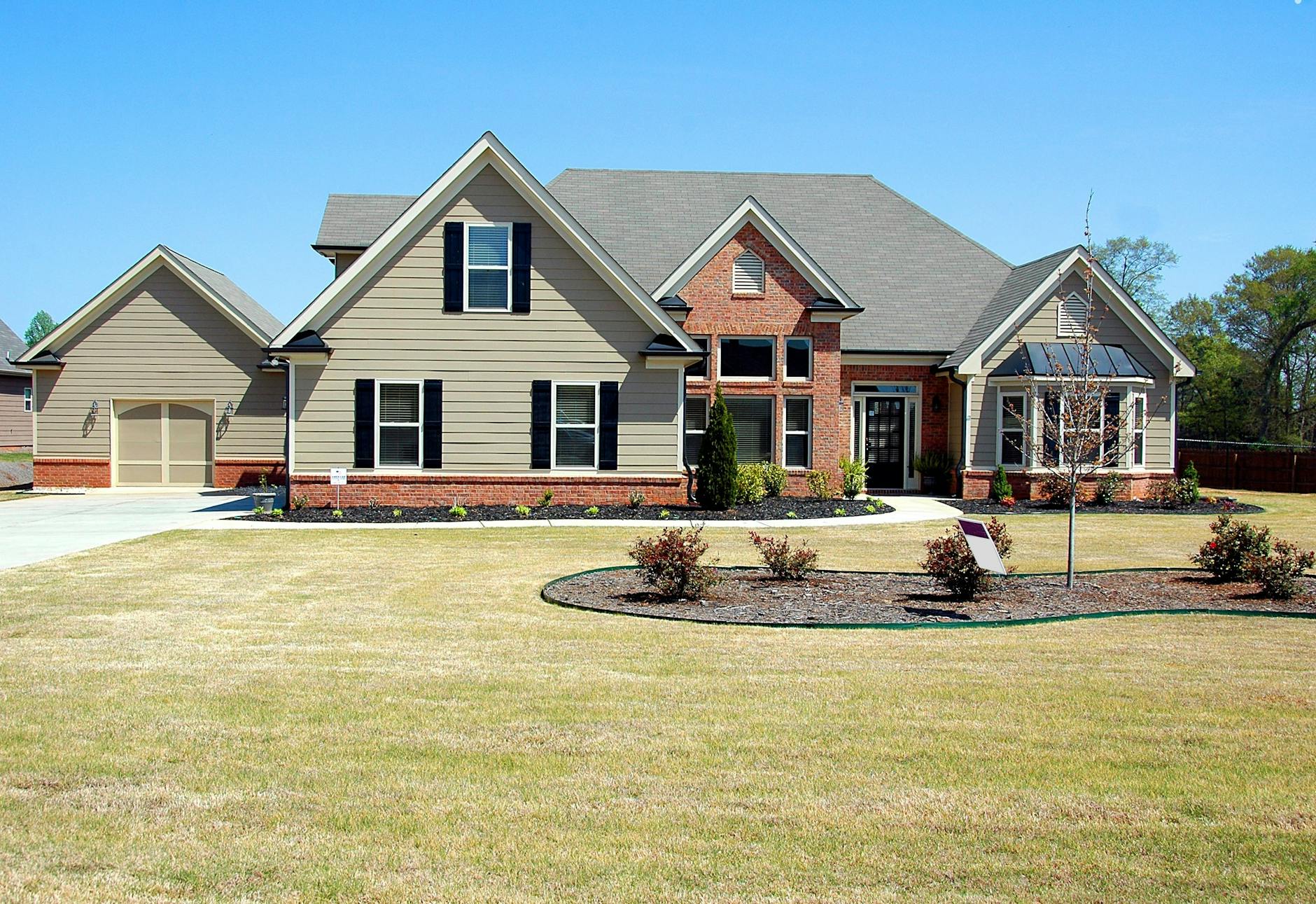
A house is a single-unit residential building, and many people naturally picture one when they hear the word home. Houses can be simple huts or highly complex structures with plumbing, electricity, heating, ventilation, and air conditioning. They may include yards, garages, or sheds. Yet a house and a home are not exactly the same thing.
Writers and scholars have long separated the physical building from the deeper human meaning attached to it. A house is the structure. A home carries emotional and personal meaning. It is often tied to identity, familiarity, comfort, and the events of a person’s life. That is why the phrase “A house is not a home” feels so recognizable. Four walls alone are not enough.
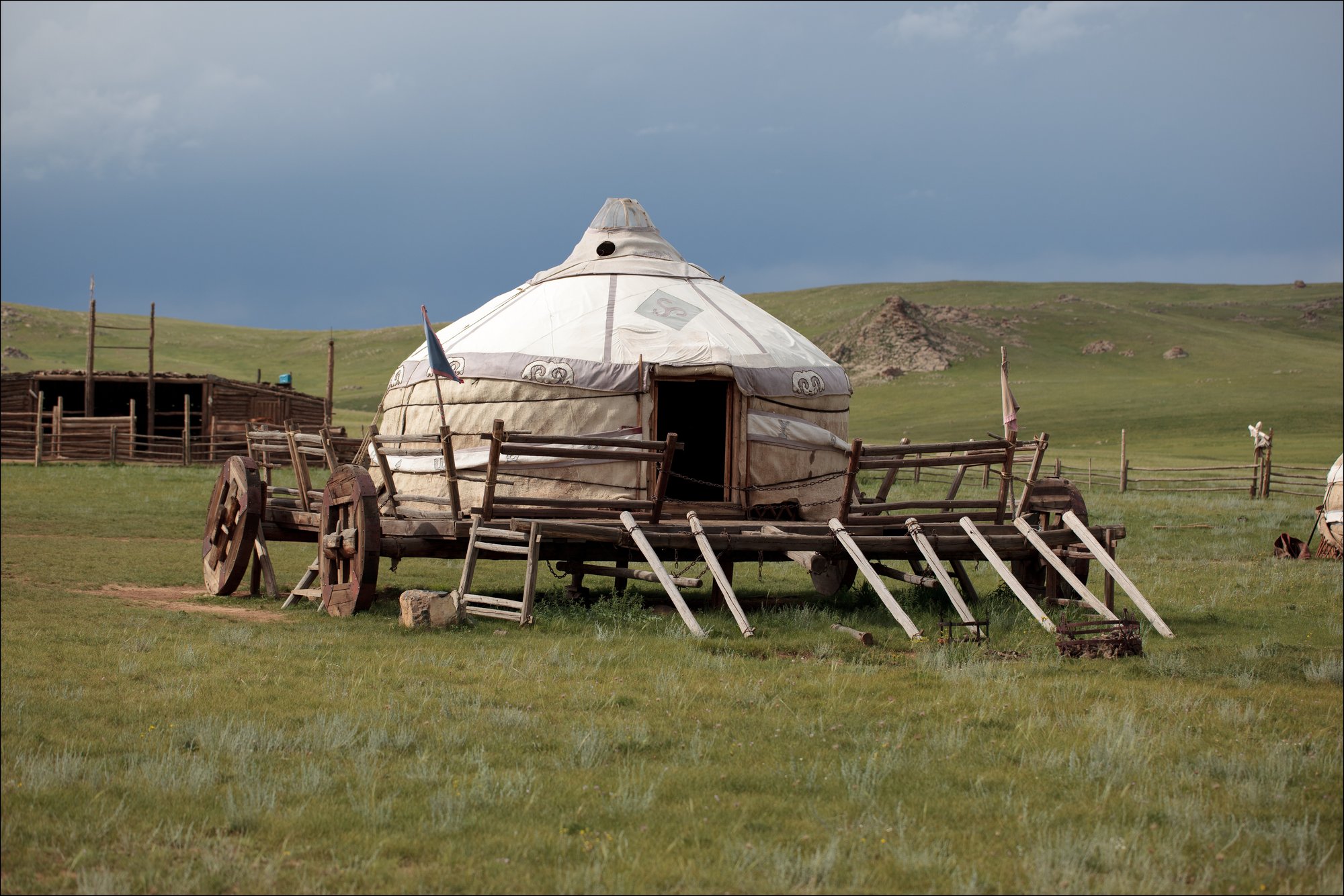
This distinction also helps explain why home can exist in places that do not look like conventional houses at all. A mobile home is a prefabricated structure built in a factory on a permanently attached chassis and then transported to a site. A houseboat is a boat designed or modified primarily for living in. A traditional yurt, also called a ger, is a portable round tent used by nomadic groups in the steppes of Central Asia. Even when these structures are moveable, temporary, or unconventional, they can still function fully as homes.
In that sense, home is flexible. It is shaped by the needs of the people living there more than by a single architectural form.
A Home Can Exist at Many Scales
One of the most interesting things about home is that it works across scale. It can describe the smallest, most intimate corner of life — a room, a bed, a kitchen table, the space just outside a front door. But it can also stretch outward to include a neighborhood, a town, a village, a city, a country, or even the whole planet.
That larger sense of home helps explain why people talk about feeling at home in a place that is not their dwelling. Someone may feel rooted in a neighborhood, attached to a nation, or connected to a landscape. A person may even feel they have multiple homes: a residence, a family environment, a workplace, or a wider community where they experience belonging.
This broader view shows that home is not always fixed to property lines. Its boundaries can be emotional as much as physical.
Daily Life Is What Gives Home Its Meaning
A home is where domestic activity happens. That includes obvious basics like sleeping, eating, and hygiene. But modern life has expanded what people expect from home. It is also often a place for remote work, studying, and playing.
That change matters. As lifestyles and technology evolved, the line between home and work began to blur. In older ways of thinking, home was often imagined as a refuge set apart from the outside world. In the 20th century, the distinction between home and work became especially pronounced, with home acting as a sanctuary. More recent changes have complicated that picture, turning home into a more multi-purpose environment.
This helps explain why home can feel so powerful. It is not just where people sleep. It is where they build routines, solve problems, relax, learn, and spend time with others. Over time, repeated activities gather meaning. Familiar acts — cooking, cleaning, working, resting — slowly transform a residence into something more personal.
The Idea of Home Changed Over Time
The concept of home has not stayed the same across history. In fact, the relationship between home and the physical building has not always been as strong as modern people might assume. One scholar argued that this way of thinking is rooted in the Enlightenment of the seventeenth century. Before that, home was often more public than private.
Over time, privacy, intimacy, and familiarity became more central to the idea. The link between home and house also grew stronger through law and popular language. Edward Coke famously declared that “The house of everyman is to him as his castle and fortress,” a legal idea that later fed into the popular phrase “The Englishman’s home is his castle.” That phrase helped cement the image of home as a protected private dwelling.
By the 18th century, home had taken on unusual cultural prominence. It also became entangled with social expectations, especially around gender. In 18th-century England, upper-class women could be scorned for pursuing activities outside the home, revealing how strongly home had become tied to domestic identity.
Later, new technology changed the picture again. The concept of a smart home emerged in the 19th century as electricity began to enter homes in limited ways. In modern definitions, home is often seen as a place of supreme comfort and familial intimacy — a buffer against the larger world.
Home Is Also Psychological
Home is not just architecture or routine. It also has psychological depth. Some thinkers have treated dwelling as an essential characteristic of human life. Home can become a prized possession not only because of its material value, but because of what it means to the self.
Psychologically, the strongest sense of home often centers on a particular dwelling and becomes weaker as a person moves farther away from it. But that feeling does not fade in a neat or regular pattern. It depends on culture, geography, emotion, and memory.
A home may be associated with joy, sorrow, nostalgia, pride, security, ritual, socialization, and identity. It can serve as a “symbol of the self,” reflecting a person’s life events and sense of who they are. It can also be a place where someone regains a sense of self after retreating from the wider world.
This is one reason homesickness can feel so intense. To be homesick is not simply to miss a building. It is to long for belonging.
Why Home Feels Different for Different People
There is no single universal experience of home. People of different ages, genders, ethnicities, and classes may understand it differently. Culture and personal history shape what feels homelike and what does not.
Childhood residential conditions can influence later choices of home. Different societies may place different value on privacy or on the residence itself. Some scholars even describe home as an “essentially contested concept,” meaning a term that people use in overlapping but conflicting ways.
For some, home is mainly about emotional warmth and compassion. For others, it is about cleanliness, security, or control. The meaning can also vary sharply between men and women because social roles in the home have historically differed. In this way, home is not just a private feeling. It also reflects wider social values.
When Home Is Missing
One of the sharpest ways to understand home is through its loss. Home is closely tied to exile, yearning, belonging, homesickness, and homelessness. In fact, some scholars argue that the very idea of home becomes clearer when homelessness exists beside it.
People can lose their homes in many ways: natural disasters, fraud, theft, arson, war-related destruction, relationship breakdown, government expropriation, repossession, foreclosure, eviction, or the ending of a lease. Personal insolvency, mental illness, severe physical incapacity without affordable domestic care, structural defects, neglect, or soil contamination can also result in loss of home. Refugees may flee homes because of violence or persecution and seek temporary shelter or asylum elsewhere.
The emotional consequences can be severe. A dysfunctional home life can contribute to homelessness, and alienation from home can make someone feel metaphorically homeless even while they still occupy a residence. This shows again that home is more than shelter. It is also relationship, safety, and recognition.
Home in a World of Movement
It is tempting to think of home as something stable and fixed, but many forms of home are mobile or transient. Anthropologists and sociologists have argued that home can be constitutionally moveable. Mobile homes, houseboats, and yurts all challenge the assumption that a home must stand still.
This matters because it shifts attention away from permanence and toward function and meaning. A moveable structure can still provide shelter, identity, routine, and belonging. Even if it changes location, it may remain the center of everyday life.
The same idea extends to virtual space. If people live, work, rest, and connect there in meaningful ways, then the concept of home stretches again. The modern world keeps widening the definition.
The Real Meaning of Home
Home is part shelter, part routine, part memory, part identity. It can be a house, apartment, boat, trailer, yurt, or digital environment. It can refer to a room, a neighborhood, a country, or something as vast as the planet. It can be a refuge, a workplace, a site of belonging, or a source of longing.
Most of all, home is made by the lives lived within and around it. People give it meaning through social life, habits, emotion, and attachment. That is why the meaning of home can feel so large, and why losing it can hurt so deeply.
Home is never only where someone stays. It is where life gathers.
Sources
Based on information from Home.
More like this
Find your next mental home away from home — download DeepSwipe and settle into something fascinating every day.