Full article · 7 min read
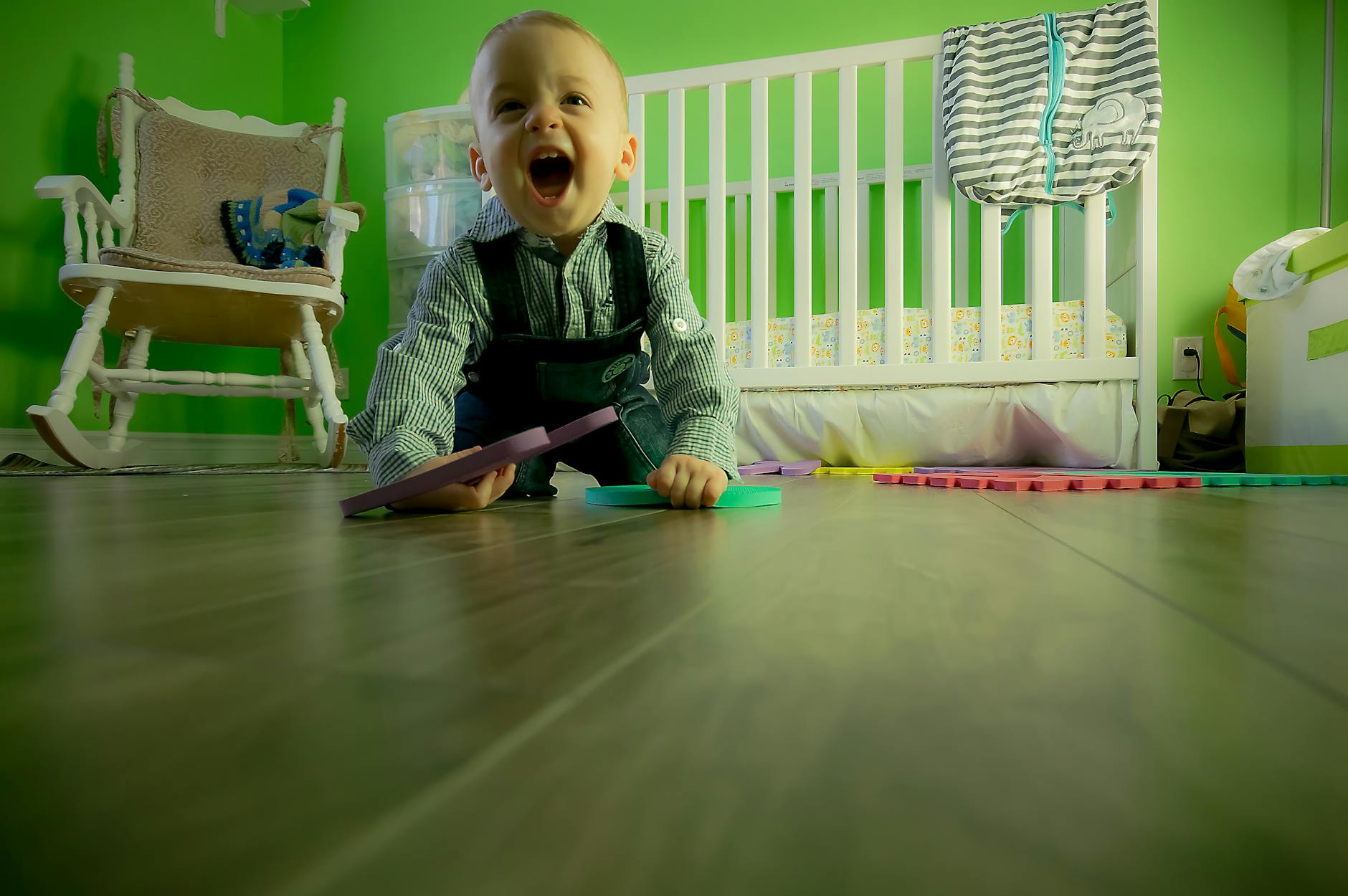
Toddler Tantrums: Why the “Terrible Twos” Happen
The phrase “terrible twos” is famous for a reason. During the toddler years, children go through major cognitive, emotional, and social development, and that intense growth can spill out in dramatic ways. A toddler is generally considered a child about 1 to 3 years old, though definitions vary, and this period is marked by rapid change in how children move, communicate, and relate to the world.
Tantrums are one of the best-known features of this stage, but they are not simply random explosions. They are closely tied to how toddlers develop. These young children are learning to walk, run, climb, speak in short phrases, and make their preferences known. At the same time, they are becoming more independent and more aware of themselves as separate individuals. That combination can create friction: they want more control, but they do not yet have the emotional regulation or language skills of older children.
The “Terrible Twos” Can Start Before Age Two
Despite the name, the “terrible twos” do not always begin at two. This stage can start as early as nine months old, depending on the child and the environment. That makes sense when you consider how early toddlers begin to change psychologically.
One important early sign is pointing. When a child gains the ability to point at something they want another person to notice, it reflects a major psychological step. It shows that the child is not only interested in the world, but also wants to direct someone else’s attention to it. This usually happens before a child’s first birthday.
As these abilities emerge, frustration can emerge too. A child may clearly want something, notice something, or object to something, but still lack the full ability to explain it. What looks like a sudden tantrum may actually be the outward sign of a mind that is developing quickly.
Big Emotions, Limited Expression
A key reason toddlers have tantrums is simple: they experience strong emotions without yet knowing how to express them the way older children and adults can. Their emotional life is active, but their communication tools are still under construction.
Several immediate causes can trigger a tantrum. Hunger, discomfort, and fatigue are common physical factors. On top of that, toddlers often have a powerful desire for greater independence and control over the environment around them. They want to do things themselves, choose for themselves, and test what happens when they push against limits.
This helps explain why even ordinary moments can suddenly become difficult. A toddler may not merely dislike being interrupted or told “no.” They may be reacting to a much bigger developmental challenge: they are discovering that they are separate beings from their parents.
The Drive for Independence
One of the most important things happening during the toddler years is the emergence of independence. By around age two, many toddlers are walking, running, climbing, and speaking in short phrases. Their vocabulary expands rapidly, and they begin making their preferences known more clearly.
All of this fuels exploration. Toddlers are not passive observers of the world; they actively test it. They explore spaces, manipulate objects, and assert choices. In developmental terms, this touches several connected areas at once: gross motor skills such as walking and climbing, fine motor skills such as handling objects, hearing and speech, and social interaction through play.
The problem is that increased ability does not yet come with mature judgment or patience. A toddler may feel ready to act independently in every situation, even when they still need help. That tension can lead directly to outbursts.
The famous tantrum, then, is often part of a larger process. The child is learning where their own will ends and where the rest of the world pushes back.
Why Communication Matters So Much
Language development sheds more light on tantrums. A toddler’s first word often appears around 12 months, though this is only an average. Vocabulary then grows steadily until around 18 months, when language often begins increasing rapidly. Some toddlers may learn as many as 7 to 9 new words a day, and around this time many generally know about 50 words.
At about 21 months, toddlers begin combining two-word phrases such as “I go,” “mama give,” and “baby play.” Before sleep, they may even engage in “crib talk,” a kind of monologue in which they practice conversational skills.
This is remarkable progress, but it is still limited compared with what toddlers feel. Their wants and needs are becoming easier to convey verbally, yet there is still a gap between emotion and expression. That gap is fertile ground for frustration.
A child may understand more than they can say. They may feel more than they can name. When words fail, a tantrum can take over.
Self-Awareness Changes Everything
Another major milestone connected to toddler behavior is self-awareness. Around 18 months of age, a child begins to recognize themself as a separate physical being with their own thoughts and actions.
This shift is often demonstrated through mirror self-recognition. A classic example is the rouge test: if a mark such as lipstick is placed on the child’s face and the child, after seeing the reflection, reaches to their own face rather than to the mirror, that suggests they recognize the image as themselves.
This development is important because self-recognition is linked with new emotional experiences. Along with recognizing themselves, toddlers begin to experience feelings such as embarrassment and pride that they had not previously experienced.
In other words, the emotional world of the toddler is becoming more complex, not simpler. Tantrums happen in the middle of that expanding inner life.
How Adults Can Escalate or Calm the Situation
The way parents or carers communicate with a toddler can either set off a tantrum or calm it. This is a crucial point. During the toddler’s exploratory phase, adult response is not just background noise; it shapes the moment.
Research has shown that some parents may face particular challenges in responding sensitively and in a developmentally appropriate way to toddler tantrums. This can be especially true for parents with histories of maltreatment, violence exposure, and related psychopathology.
Maltreatment refers to abuse or serious neglect. Violence exposure means growing up around frequent physical fights or harm. Psychopathology is a broad term for mental health-related difficulties that can affect thoughts, emotions, or behavior. In these situations, parent-child mental health consultation may be helpful. A consultation is guidance from a trained professional aimed at improving how parent and child respond to one another.
The larger idea is not that tantrums are caused by one factor alone. Rather, tantrums unfold within a relationship. Toddlers are developing rapidly, and adults’ responses can either intensify the storm or help settle it.
A Stage That Echoes Later in Life
The push for independence seen between the ages of two and five does not disappear forever. It returns during adolescence. The pattern is striking: in both stages, a young person reaches for greater autonomy and tests boundaries while undergoing rapid development.
That does not mean toddler tantrums and adolescent struggles are identical. But they are connected by the same broad mission: becoming a more independent self.
Seen that way, the “terrible twos” are not just about chaos. They are part of a normal developmental process in which children grow physically, socially, emotionally, and cognitively. Development happens on a continuum, and there is considerable difference between individual children. Experts note that children develop in their own time, and carers are advised not to worry too much if a child does not reach every milestone exactly on schedule, especially since factors such as premature birth or illness during infancy may slow development.
Tantrums as a Sign of Growth
Tantrums are exhausting, but they are also deeply tied to the extraordinary transformation of toddlerhood. During these years, children gain control of large muscles for walking, running, jumping, and climbing. They develop fine motor abilities that help them feed themselves, draw, and manipulate objects. They improve in hearing, speech, understanding language, and using it to communicate. Socially, they learn through playing with others, taking turns, and fantasy play.
All of that growth creates pressure. A toddler wants, feels, moves, notices, explores, and resists more intensely than before. The result is not always graceful.
That is why the “terrible twos” are better understood not as a personality flaw, but as a developmental crossroads. The tantrum is often what happens when a growing child collides with the limits of their current abilities.
And that collision, however noisy, is part of learning how to be a person.
Sources
Based on information from Toddler.
More like this
Tantrums, milestones, and all the messy magic of growing up — download DeepSwipe and explore big ideas in bite-sized bursts.