Full article · 7 min read
Literature in the Digital Age: When Writing Stops Fitting in Old Boxes
What counts as literature when a story lives on a screen, mixes text with sound, or feels closer to an interactive experience than a printed page? That question sits at the center of modern debates about digital writing.
Literature is often understood as written work, especially writing valued as an art form such as novels, plays, and poems. But the meaning of the word has never stood still. Over time, it has expanded beyond a narrow list of prestigious printed works to include a much wider range of expression, including print and digital writing, and even oral literature that was later transcribed.
That larger view helps explain why the digital era feels so important. New technologies have not simply created fresh ways to publish old kinds of writing. They have also made the boundaries of literature harder to draw. Online works can combine words with images, links, sound, and other media, making it less obvious where literature ends and something else begins.
Why the definition of literature keeps changing
Definitions of literature have varied across history. In Western Europe before the 18th century, the word could refer to all books and writing. Later, the term was often narrowed to writing considered artistically important. Even today, some people use “literature” in a broad sense for any body of written work on a subject, while others reserve it for writing with special literary merit.
This matters in the digital age because new forms tend to expose old assumptions. If literature is only a printed book, then digital writing looks like an outsider. But if literature is a way of recording, preserving, and transmitting knowledge and entertainment, then digital forms fit naturally into a much longer history.
The term itself comes from the Latin literatura or litteratura, associated with learning, writing, grammar, and letters. Yet even with that origin, the concept has been applied to spoken and sung texts as well. That history shows that literature has never been as rigid as it sometimes seems.
The digital blur: where literature meets modern media
One of the most striking features of recent literary history is that the digital era has blurred the lines between online electronic literature and other forms of modern media.
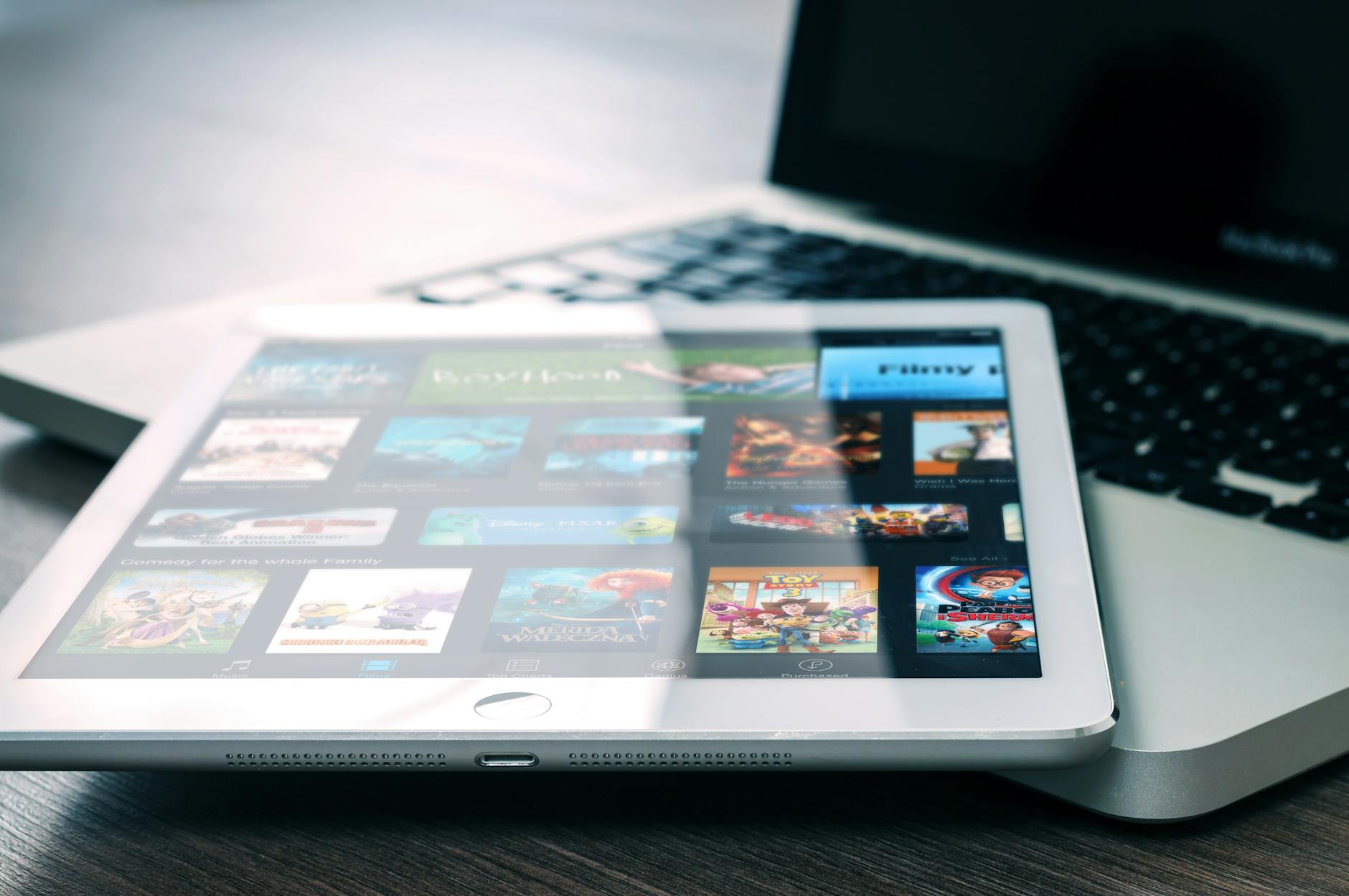
That blur happens because digital works do not always behave like printed pages. A traditional book is relatively stable: the reader turns pages in a fixed object. Digital works, by contrast, exist on devices and within networks. They may appear on computers or phones, and they may share space with visual design, audio, or interactive structures commonly associated with other media.
This is why digital literature can feel difficult to classify. It may still be made of words, but its presentation can make it seem related to film, games, or online media culture. The result is not necessarily that literature disappears, but that its edges become harder to police.
What electronic literature actually means
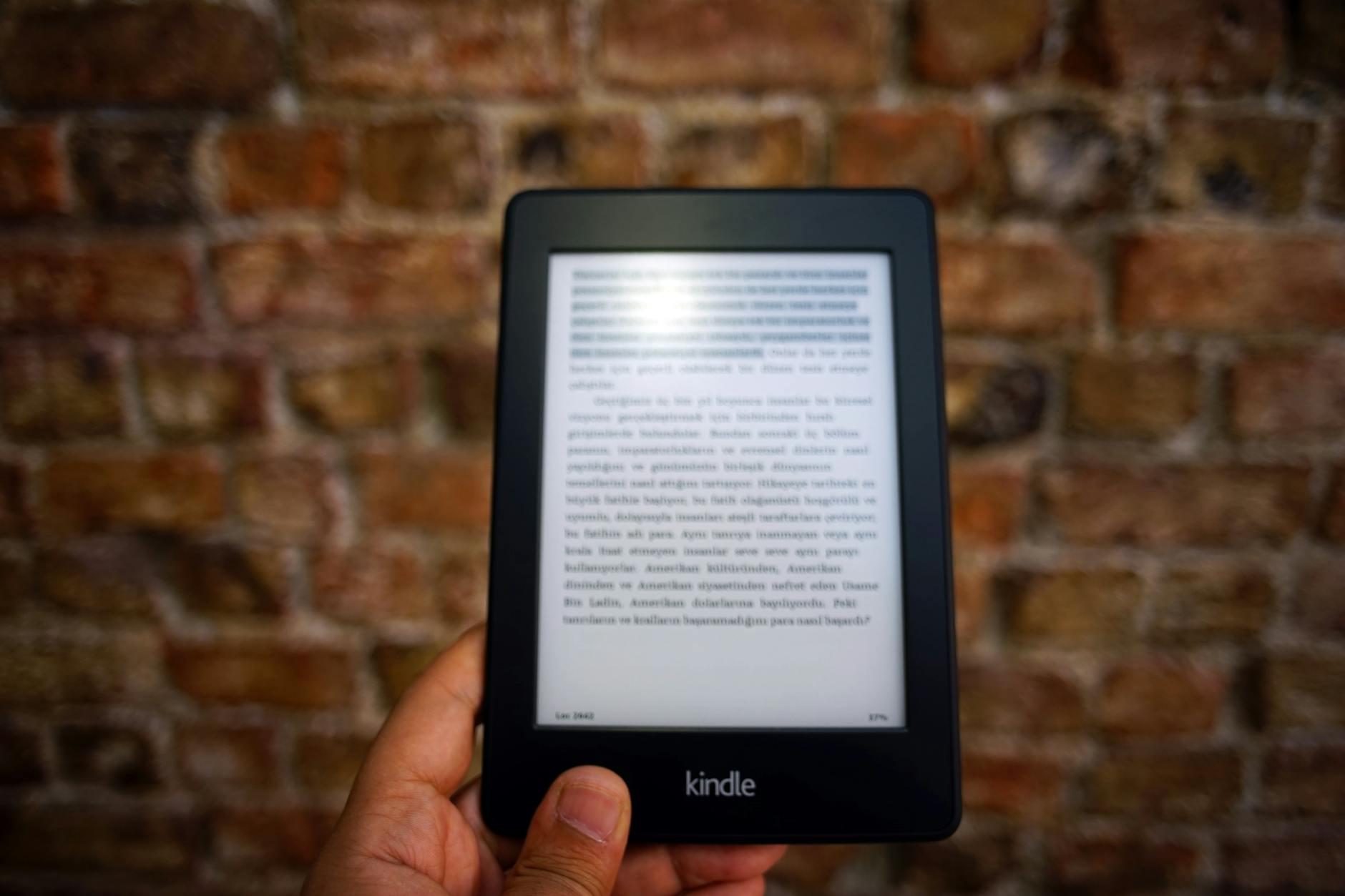
Electronic literature is a literary genre consisting of works created exclusively on and for digital devices.
That definition is important. Electronic literature is not just a printed book turned into a file, and it is not simply a scan of a page. It is “born digital,” meaning it is made for screens and depends on digital devices for its existence as a literary work.
In plain terms, electronic literature includes literary works that are native to computers, phones, or similar devices. The device is not merely a delivery system. It is part of what makes the work what it is.
This helps distinguish electronic literature from older forms that have been digitized. A photographed manuscript or an e-book version of a printed novel may be digital to access, but electronic literature is created specifically for digital form.
New media, old questions
The rise of digital literature may feel revolutionary, but literature has long changed shape in response to technology.
Writing itself emerged as a more dependable method of recording and presenting transactions in permanent form when human memory could no longer easily manage the growing complexity of trade and administration in Mesopotamia. Later, printing transformed literary culture by making books less expensive and more widely available. Publishing expanded again with newspapers and magazines.
Seen in that light, digital literature belongs to a long chain of technological change. Each major shift in how texts are created, preserved, and distributed reshapes what people think literature is.
The printing press did not merely speed up copying. It changed access. Likewise, digital devices do not merely display text. They alter how literature is encountered, circulated, and grouped alongside other media.
Literature was never only about print
The digital moment can seem like a break from tradition, but literature has never been limited to printed books.
Oral literature is an ancient human tradition found across the world. Early poetry is believed to have been recited or sung, often as a way of remembering history, genealogy, and law. Ancient Greek literature was deeply oral in nature, and major traditions in India were transmitted orally with precision using mnemonic techniques, or methods for aiding memory.
This older history matters because it reminds us that literature has always existed in more than one medium. Before print, stories could live in voice and performance. Before the modern book became dominant, literature could be heard, recited, remembered, and reshaped in public settings.
In that sense, digital literature is not the first challenge to a narrow print-based definition of literature. It is another chapter in a much longer story about how literary works move through different forms.
Why categories keep breaking down
Literary categories have always overlapped. Poetry and prose, for example, are traditionally distinguished by style and structure, but even there the line is not perfectly clean. Modern literature includes hybrid forms such as prose poetry and digital poetry. The distinction between forms can become obscure.
The same is true at a larger scale. Literature can include fiction and, in broader usage, non-fiction as well. It can be written to be read privately, performed publicly, or experienced on digital devices. Drama was created for performance, while some forms are intended for the page. Graphic novels combine artwork, dialogue, and text.
When people say the digital age is blurring boundaries, they are noticing something literature has always done: absorb neighboring forms and stretch familiar definitions.
Digital works simply make that process more visible.
Can anything be literature now?
A fundamental question in literary theory is “what is literature?” Some contemporary theorists and literary scholars believe the term cannot be fully defined, or that it can refer to any use of language.
That does not mean every digital object automatically becomes literature. It does mean that rigid answers are difficult to maintain. As new forms appear, definitions stretch.
This has happened before. Literature once referred very broadly to books and writing. It later became associated with a more selective idea of artistic merit. Now, with electronic literature and the spread of digital culture, the debate has widened again.
For readers, this can be exciting rather than confusing. It means literature is still alive enough to change.
The expanding future of literary form
Digital writing has reopened old questions about art, medium, and meaning. What matters most: the words themselves, the device they appear on, the artistic intention, or the reader’s experience? The history of literature suggests the answer is rarely simple.
Literature has served many roles: preserving knowledge, transmitting entertainment, and carrying social, psychological, spiritual, and political force. There is no reason those roles must belong only to ink on paper.
As electronic literature develops, the most useful way to think about it may be not as a threat to literature, but as evidence that literature keeps adapting. The form expands because human expression expands. The tools change, but the urge to make meaning through language remains.
So if an online work feels partly like a poem, partly like a visual experience, and partly like something that did not exist a generation ago, that may be exactly the point. Literature has always evolved. The digital age just makes that evolution impossible to ignore.
Sources
Based on information from Literature.
More like this
Swipe into the digital blur — download DeepSwipe and explore stories, ideas, and strange new corners of knowledge right on your screen.