Full article · 7 min read
How Technology Changed Music Listening
Music has always been more than sound. It is a way people share emotion, creativity, ceremony, entertainment, and culture. But the way people actually encounter music has changed dramatically over time. One of the biggest shifts in music history was not just in what people listened to, but how they listened.
For a long stretch of history, hearing new music often depended on being physically present or being able to play it yourself from written notation. Later, inventions such as the phonograph, radio, and record player transformed music into something that could travel far beyond concert halls, churches, and theaters. That technological change widened access, reshaped daily life, and helped musical styles spread across regions and across the world.
Before recordings, music traveled through sheet music
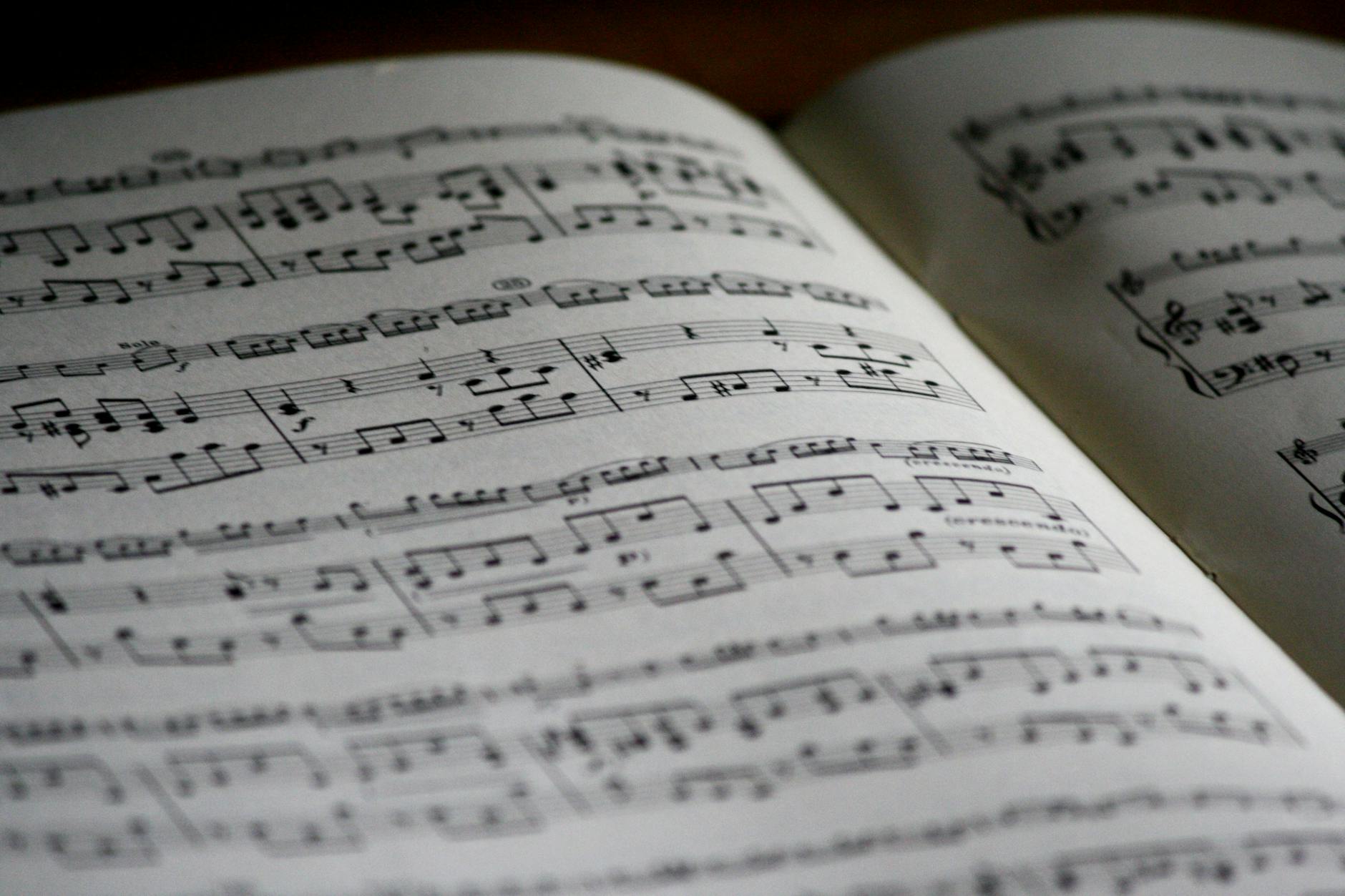
In the 19th century, one of the main ways new compositions became known to the public was through the sale of sheet music. Sheet music is written notation that shows the notes and rhythms of a piece so that singers or instrumentalists can perform it. For many music lovers, buying sheet music was the way to bring music into the home.
Middle-class amateur musicians often performed favorite songs and pieces themselves on common household instruments such as the piano or violin. In that world, access to music depended heavily on a few things: whether a person could read notation, whether they had an instrument, and whether they had the time and skill to play. Music was something many people actively made for themselves rather than passively streamed or played back on demand.
That older system also shaped who had access to new music. If the main route to a song was a printed page, then music naturally favored people with literacy in notation and enough money to own instruments. It also meant that some kinds of music circulated more easily in homes where playing and singing were already part of everyday life.
Why this mattered for who got to listen
A score on paper is not the same thing as hearing sound. Written music can preserve pitch and rhythm, and sometimes give performance instructions, but it still requires a performer to turn symbols into living sound. That creates a barrier. Someone who cannot read music or does not own a piano cannot simply experience a newly published symphony or song at will.
This helps explain why the transition from paper to recording was so significant. When music depended mainly on sheet music, new works were often most accessible to middle- and upper-class people who could read music and owned instruments. Listening was tied to education, equipment, and social circumstances.
In practical terms, that meant a person might know a famous work only if they could perform it at home, attend a performance, or hear someone else play it. Music spread, but its spread was slower, narrower, and more dependent on local musicians and printed distribution.
The 20th century brought a listening revolution
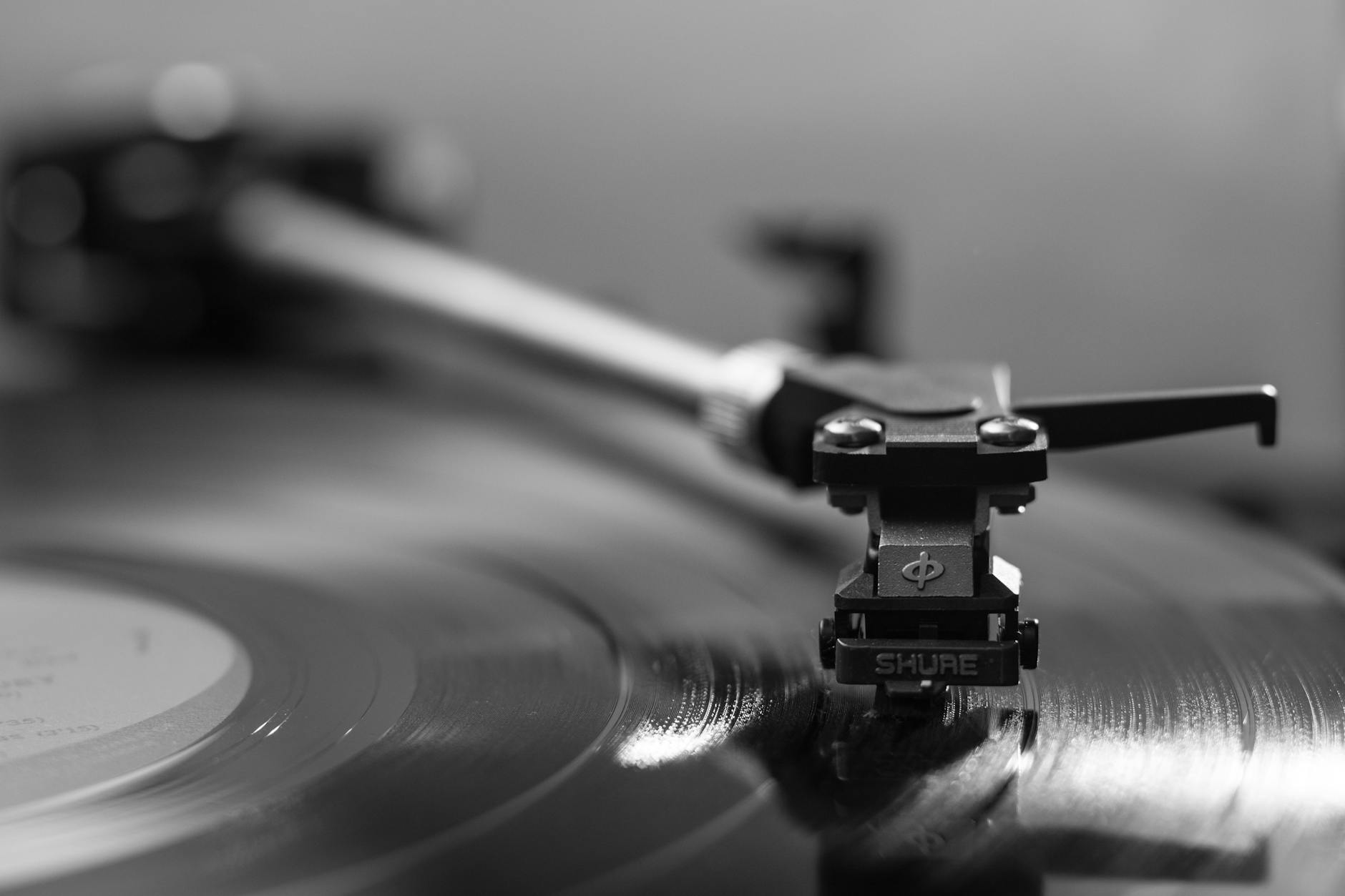
In the 20th century, new electric technologies changed everything. Radio broadcasting and the mass-market availability of gramophone records made sound recordings the main way many people learned new songs and musical works. Instead of relying on notation, listeners could now hear an actual performance replayed.
A gramophone record is a sound recording stored on a disc that can be played back on a record player. This was revolutionary because it separated music from the moment of performance. A song no longer vanished as soon as the singer stopped. An opera aria, a symphony movement, or a dance band tune could be recorded, replayed, and shared far from the place where it was first performed.
Radio pushed that transformation even further. Once households had radios, people could hear music in their own homes without going to a theater, concert hall, or opera house. Operas, symphonies, and big bands could suddenly enter the living room. This was not just more convenient; it fundamentally changed the scale of musical culture.
There was a vast increase in music listening as radio became popular and phonographs were used to replay and distribute music. The audience for music became larger, more dispersed, and less dependent on geography.
Music reached beyond the concert hall
Before recording and broadcasting, hearing certain kinds of music often required money, travel, and proximity to a performance venue. A live symphony or opera could be a major event, but it was also limited to those who could afford a ticket and get to the performance.
With radios and record players, listeners who could not afford an opera or symphony concert ticket could still hear this music. That mattered enormously. It meant that lower-income audiences gained access to musical experiences that had previously been much harder to reach.
Technology did not erase every social divide, but it lowered important barriers. A family with a radio could hear music that once belonged mainly to concertgoers and musically trained households. That widened the audience for many styles and helped change music from a more exclusive cultural activity into a more broadly shared one.
How technology helped styles spread
Once recordings and broadcasts became common, people were no longer limited to the music of their immediate surroundings. They could hear music from different parts of their country, and even from different parts of the world, without traveling.
That had a major cultural effect. It helped musical styles spread more widely and more quickly. Instead of moving only through local teachers, printed music sellers, traveling performers, or live events, music could now move through airwaves and physical recordings.
This wider circulation helped expose audiences to more genres and traditions. The result was not only broader listening but also a more interconnected musical world. Styles that might once have remained regional could find new listeners far away.
Listening became easier, more portable, and more personal
The technological story did not stop with radio and gramophone records. Over time, new formats kept changing how people listened. Home tape recorders in the 1980s and digital music in the 1990s made it easier for music lovers to create tapes or playlists of favorite songs and take them along on portable devices such as cassette players or MP3 players.
This introduced a more personal style of listening. People could assemble collections that reflected taste, mood, friendship, or identity. A mix tape, for example, could become a kind of self-portrait or a carefully designed atmosphere for a party. Listening was no longer only about hearing what was available live or what happened to be on the radio; it became a way to curate your own soundtrack.
Today, digital playback on smartphones is a common part of everyday life, showing just how far music technology has come from the era of printed notation.
The shift changed music culture itself
These inventions did more than make listening easier. They changed music culture. Once sound recording became central, recordings themselves took on enormous importance. A performance could be repeated, distributed, compared, and remembered in a stable form. That was a very different situation from older music cultures built mainly around live performance and notation.
Technology also connected music more strongly to media. Music became part of radio culture, and later part of the broader worlds of film, television, and digital platforms. As access widened, listening became one of the most common forms of entertainment.
This new listening culture helped music reach people in both public and private settings. Music could still be celebrated at festivals and concerts, but it could also become part of daily domestic life: heard while sitting at home, working, gathering with family, or relaxing alone.
From paper pages to living rooms
The journey from sheet music to radio and records marks one of the most important changes in the history of music listening. In the earlier model, music often arrived as symbols on paper, waiting for someone skilled enough to make them audible. In the modern model, music could arrive already sounding, carried by technology directly into the home.
That shift expanded who could listen, reduced dependence on musical training, and helped styles move across class lines, regions, and borders. It made listening more inclusive and more immediate.
Music is still built from elements like melody, rhythm, harmony, texture, and timbre, but technology has transformed how those elements reach us. What was once limited by paper, instruments, and location became something far more accessible: sound available at the push of a button, first in the living room and now almost anywhere.
Sources
Based on information from Music.
More like this
Turn your living room into a knowledge broadcast station — download DeepSwipe and tune in to smarter swipes every day.