Mount Vesuvius 79 AD: Reading Heat with Magnetism

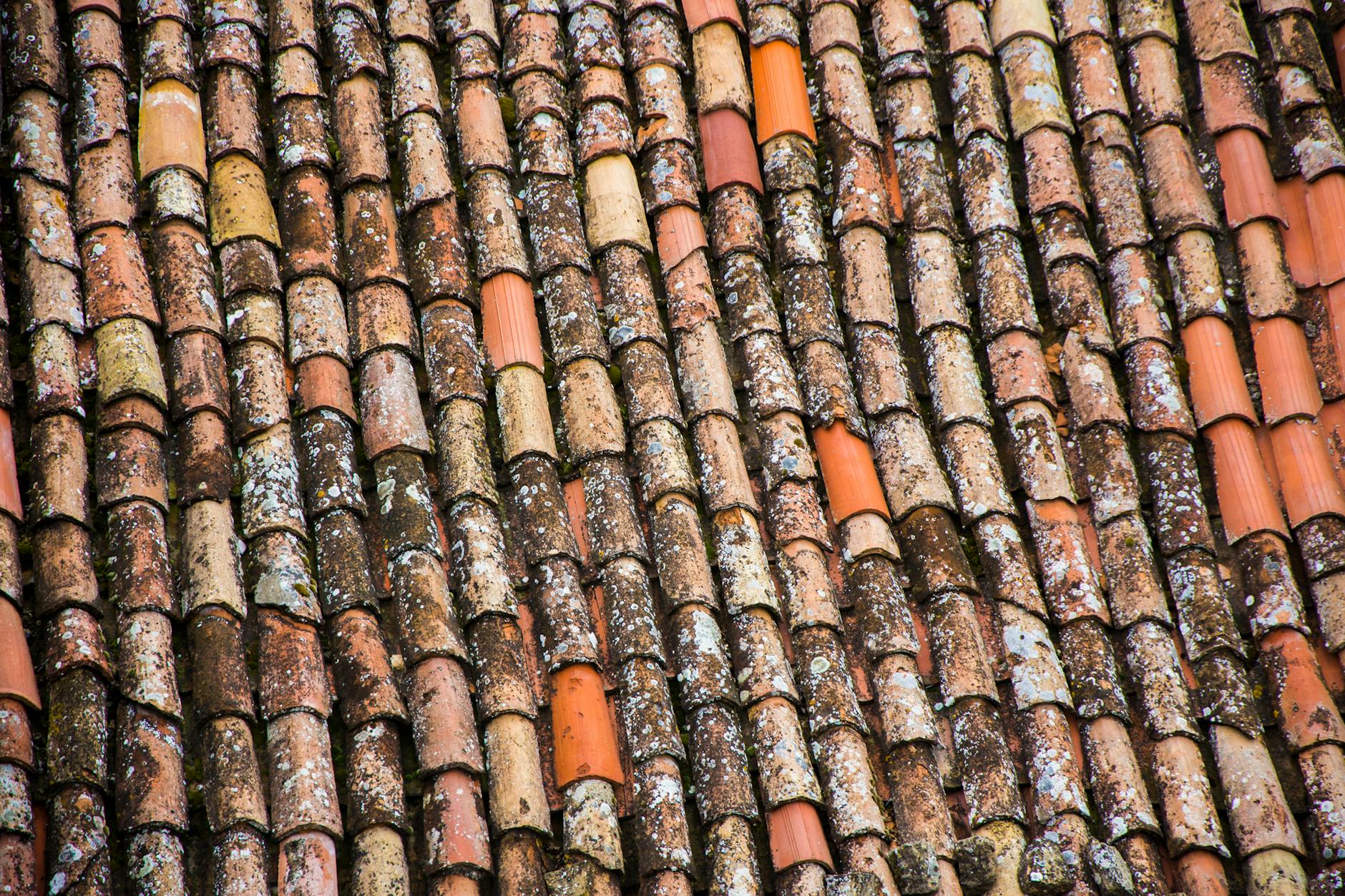
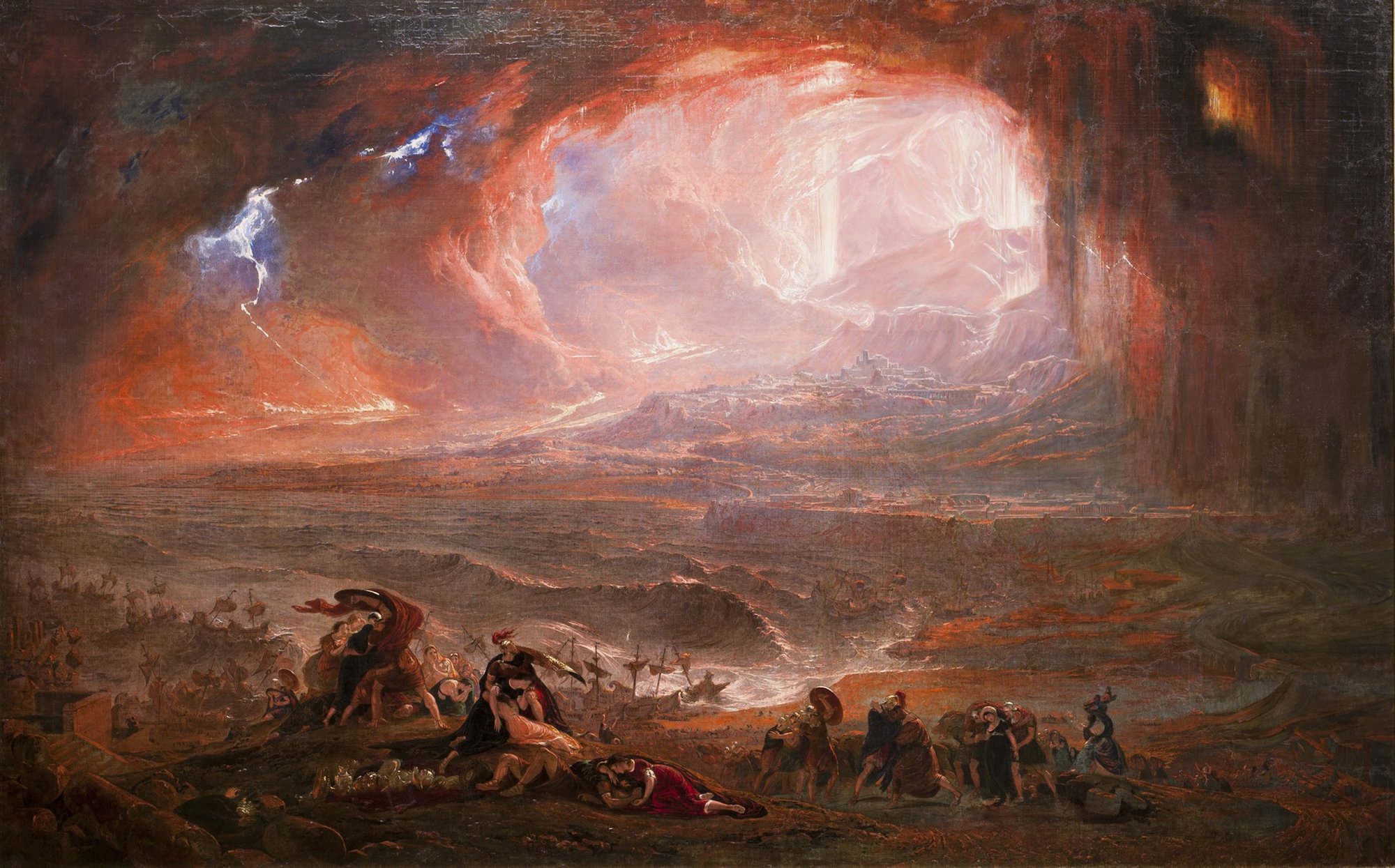
When Mount Vesuvius erupted in 79 AD, it did far more than bury Pompeii and Herculaneum in ash. It created a layered physical record of heat, motion, collapse, and survival measured in minutes. One of the most striking ways researchers have reconstructed that disaster is by using something unexpected: magnetism locked inside roof tiles, plaster, and rocks.

This approach turns ordinary building fragments into thermal clues. By studying how heat altered their magnetic signatures, scientists were able to estimate how hot the volcanic surges were when they swept through Pompeii—and why some parts of the city were deadlier than others.

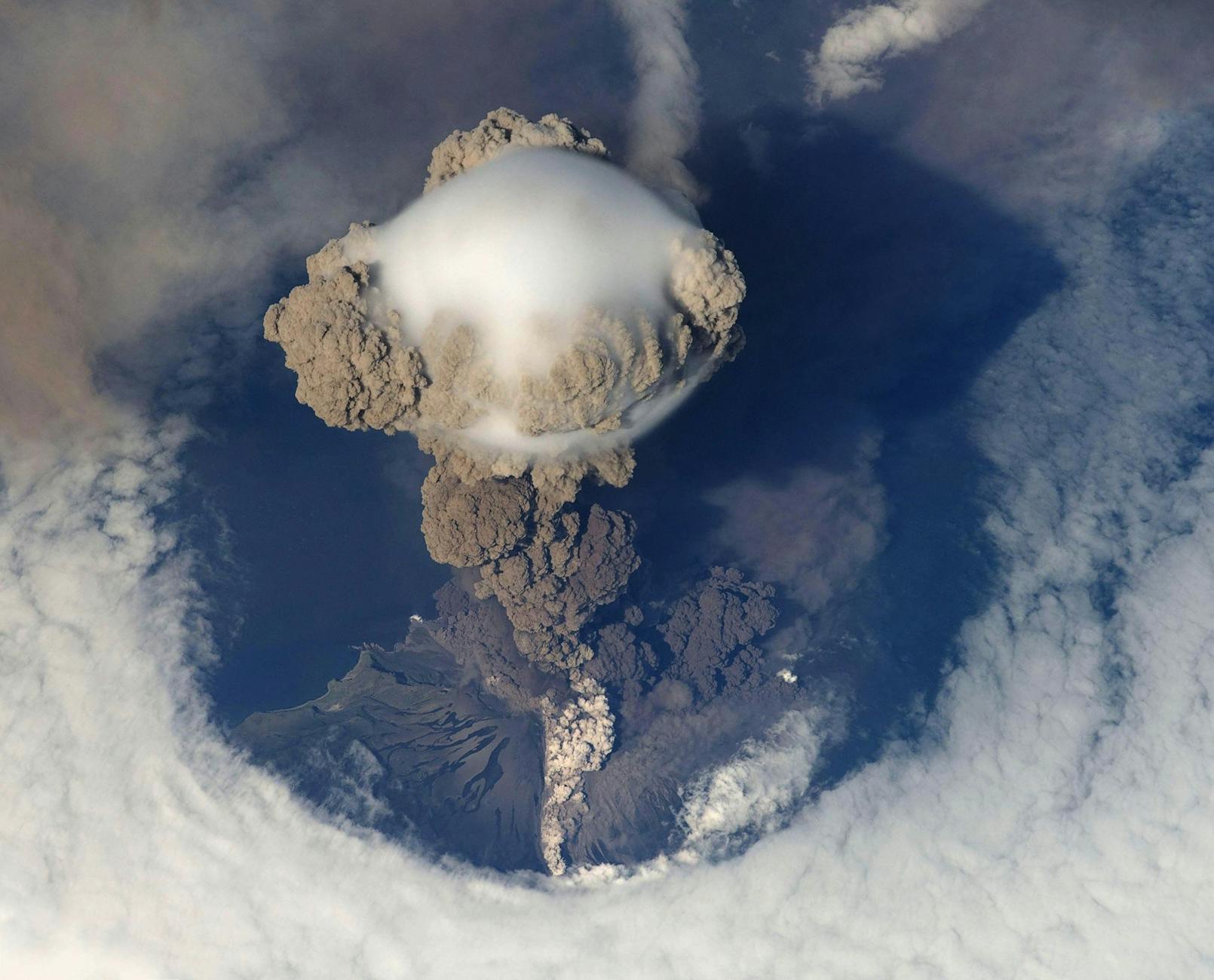
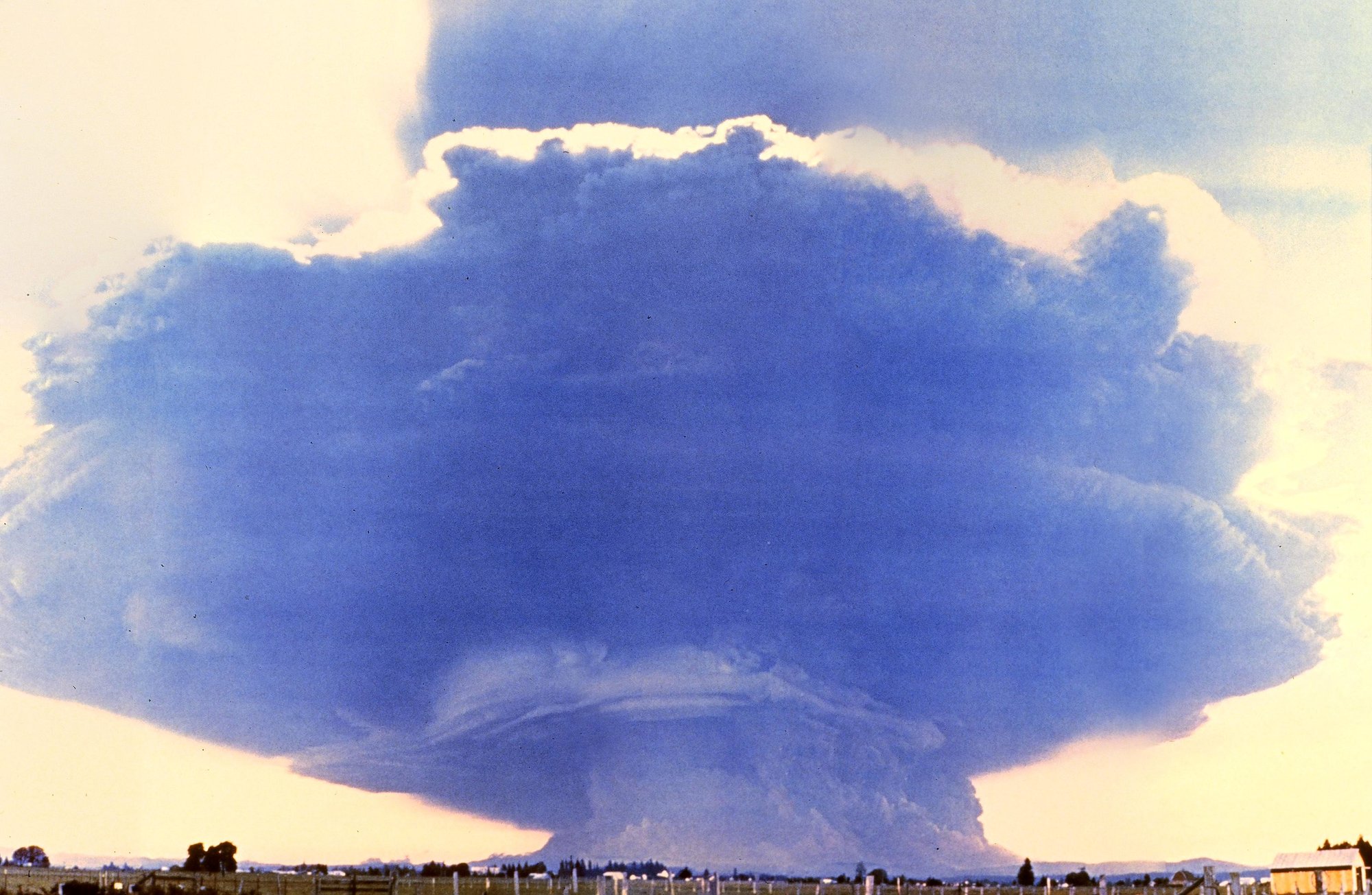
The eruption lasted for two days and unfolded in multiple phases. Early on, Vesuvius blasted a towering column of volcanic debris and hot gases into the sky. Ash and pumice then rained down, building thick deposits, especially toward Pompeii.

Pumice is a lightweight volcanic rock full of gas bubbles, while ash consists of tiny fragments of volcanic material. Tephra is a broad term for the material blasted out of a volcano, including ash and pumice.

That first phase was devastating, but it was not the whole story. Later came pyroclastic surges and flows—fast-moving clouds of hot gases, ash, and volcanic fragments produced when the eruption column collapsed. These surges engulfed towns around the volcano, including Pompeii, Herculaneum, and Oplontis.

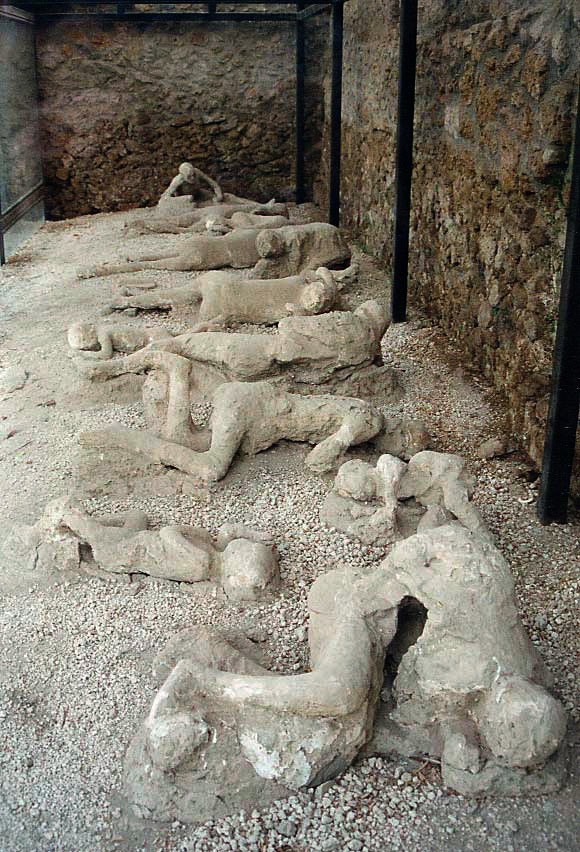
At Pompeii, the later surges are especially important. Research described two major surges that struck early on the second morning. These destroyed the city, buried it, and killed many of those who had stayed behind.

DeepSwipe app banner

Why magnetism can reveal ancient temperatures

The key idea is that many materials contain iron or iron compounds and can preserve a magnetic signal. Roman roof tiles and plaster can do this, and so can many rock fragments.

When these materials form, they can acquire a residual magnetism aligned with the Earth’s magnetic field at that time. In simple terms, they carry a built-in magnetic memory.

Heat can erase or reset that memory. Each mineral inside a material has a temperature threshold at which its magnetic alignment breaks down. This threshold is tied to what volcanologists and physicists call the Curie temperature. Once heated enough, the material loses its old permanent magnetism. As it cools, it can pick up a new magnetic signature.

That is why the eruption left behind more than ash. It also left a hidden thermal record.

The idea of “unblocking” old magnetism

Researchers studying Pompeii used this principle to estimate the temperatures of pyroclastic deposits. They examined more than 200 samples, including lithic fragments, roof tiles, and plaster collected from deposits in and around the city.

A lithic fragment is simply a piece of older solid rock caught up in an eruption.

The scientists focused on a process they described as unblocking. If a sample had been heated enough during the eruption, some of its old magnetism would have been erased. But if it was not heated beyond the highest threshold of all its mineral components, some of the original magnetism would survive.

That mixture is useful. It means one sample can preserve both older magnetism and magnetism acquired after the eruption in 79 AD. By reheating the sample in controlled stages—here, in increments of 40 °C—they could track when one magnetic component disappeared and another remained.

As the sample was heated step by step, its overall magnetic direction changed. That shift helped identify the temperature range at which the deposit had formed its magnetic signature after the eruption. From this, the researchers estimated the equilibrium temperature of the deposit.

Equilibrium temperature here means the temperature the material had settled toward in the deposit after interaction with the surrounding volcanic current.

What the tiles and plaster revealed

The temperature results are dramatic.

On the first day of the eruption, a fall of white pumice lasted for several hours and heated roof tiles to about 120–140 °C. This was followed by a second phase of grey pumice, thought to have been hotter, though its temperature was not directly sampled in the same way.

According to the reconstruction, that first pumice fall may have marked the last real opportunity for escape.

Then, early on the second morning, the grey eruption cloud collapsed more strongly and sent major surges into Pompeii. The first of these had an emplacement temperature range of 180–220 °C. The second was even hotter, at 220–260 °C.

Emplacement temperature refers to the temperature of the material in the current just before it was laid down.

The deposits also showed varying temperatures once settled. For the first surge, depositional temperatures were estimated at 140–300 °C, while some locations upstream and downstream of the flow reached 300–360 °C.

Those numbers help explain why later studies concluded that the temperatures were high enough to kill in a fraction of a second.

Pompeii was not heated evenly

One of the most interesting findings is that Pompeii was not simply roasted at one uniform temperature. The city itself changed the behavior of the surges.

Researchers concluded that Pompeii formed a relatively cool spot within a much hotter field because of the interaction between the volcanic current and the city’s urban fabric.

Urban fabric means the physical layout of streets, walls, buildings, roofs, and open spaces. In Pompeii, those structures disrupted the flow. Instead of passing through as a perfectly uniform wave, the surge was broken up by obstacles, redirected by streets, and mixed with cooler ambient air.

This created a patchwork of hotter and cooler zones.

The coolest places identified were rooms under collapsed roofs, where temperatures could be as low as 100 °C, roughly the boiling point of water. The researchers suggested that some lower parts of the surge may have become partly separated from the main current by irregular ground and buildings, then cooled by turbulence that mixed in surrounding air.

That does not mean these spaces were safe. But it does show that volcanic surges can behave in surprisingly complex ways once they hit a city.

Why the second surge was worse

The first major surge encountered a city still full of irregularities—standing walls, rooflines, enclosed spaces, and street patterns. These features disturbed the flow and produced local temperature differences.

By the time the next major surge arrived, much of that irregular structure had been erased. The researchers concluded that the second surge heated Pompeii more like the surrounding environment. In other words, the city had lost much of its ability to create those cooler pockets.

This helps explain the episode’s central idea: the built environment did not just suffer the disaster, it shaped it. Buildings could briefly alter the heat and movement of the surge, but once those structures were broken down, later currents moved through a more uniform landscape.

A scientific method built from disaster debris

This magnetic method depends on careful distinctions. The researchers argued that larger fragments were not carried in the volcanic current long enough to fully match its temperature. So they separated the temperature of deposition from the possibly higher temperature of the moving current itself.

That matters because a pyroclastic density current—a dense, ground-hugging volcanic current produced by collapse of an eruption column—can be much hotter internally than the fragments it leaves behind once they cool in place.

By combining magnetic measurements with the physical layering of deposits, the scientists reconstructed a sequence like this:

  • white pumice falls heated roof tiles to 120–140 °C
  • grey pumice followed for many more hours
  • early dilute currents devastated Herculaneum but did not enter Pompeii
  • early the next morning, two major surges struck Pompeii
  • the first surge showed strong local temperature variation
  • the second surge spread through a city whose irregularities had largely been removed
  • a final very dilute surge left about 1 extra metre of deposits across the region

It is an elegant example of how archaeology, volcanology, and physics can work together.

What this tells us about the people of Pompeii

The heat estimates are not just numbers. They sharpen the human picture of the eruption.

The first pumice falls heated buildings but still left time for rescues and escapes over several hours. Later, the surges brought temperatures far beyond ordinary human tolerance. Evidence from Pompeii indicates that many victims in surge deposits were killed by the extreme heat. At Herculaneum, which was buried under massive deposits from pyroclastic surges, high temperatures were also evident in the remains found there.

The magnetic study adds local detail to that broader picture. It shows that within Pompeii, heat could vary sharply from place to place during the first major surge. A room, a fallen roof, or a wall line could alter what happened in that exact spot. But those differences did not last. Once the city’s structure was overwhelmed, later surges spread intense heat more evenly.

Reading a lost city like a thermal map

Pompeii is often imagined as a city frozen in time. In reality, it was also a city thermally imprinted by catastrophe. Roof tiles became accidental recorders. Plaster held magnetic clues. Rocks carried signatures of heating and cooling from nearly two millennia ago.

That is what makes this research so compelling. Scientists did not need a thermometer from 79 AD. They found the next best thing in the magnetic memory of ordinary materials left behind in streets, houses, and ruins.

In that sense, Pompeii is not only an archaeological site. It is also a map of how heat moved through a city under attack from volcanic surges—revealing, in astonishing detail, where the eruption burned hottest, where structures briefly disrupted the danger, and how quickly those fragile pockets disappeared.

Stories About Eruption of Mount Vesuvius in 79 AD

Mount Vesuvius 79 AD: Power of the Plume

Mount Vesuvius 79 AD: Power of the Plume

Mount Vesuvius 79 AD: Pliny’s Day Under Ash

Mount Vesuvius 79 AD: Pliny’s Day Under Ash

Mount Vesuvius 79 AD: How Pyroclastic Surges Killed

Mount Vesuvius 79 AD: How Pyroclastic Surges Killed

Mount Vesuvius 79 AD: The Date Debate

Mount Vesuvius 79 AD: The Date Debate

Mount Vesuvius 79 AD: Warnings People Ignored

Mount Vesuvius 79 AD: Warnings People Ignored

Mount Vesuvius 79 AD: Two Styles, One Disaster

Mount Vesuvius 79 AD: Two Styles, One Disaster

Otehr Stories like this

Post-classical History: When Climate Changed Civilizations

Post-classical History: When Climate Changed Civilizations

Mount St. Helens: The Eruption That Blew Sideways

Mount St. Helens: The Eruption That Blew Sideways

Ancient Plumbing Technology: Minoans and Romans

Ancient Plumbing Technology: Minoans and Romans

Ancient Climate Clues

Ancient Climate Clues

Archimedes and the War Machines of Syracuse

Archimedes and the War Machines of Syracuse

Ancient Homes and Early Cities

Ancient Homes and Early Cities

Energy Driving Earth and Weather

Energy Driving Earth and Weather

Alexander Mosaic in Pompeii

Alexander Mosaic in Pompeii

Rosetta Stone Discovery at Fort Julien

Rosetta Stone Discovery at Fort Julien

Ancient Rome: How a City Ruled the Mediterranean

Ancient Rome: How a City Ruled the Mediterranean

Roman roads: Engineering through the impossible

Roman roads: Engineering through the impossible

Mount St. Helens: When Ash Crossed America

Mount St. Helens: When Ash Crossed America

Unlock buried stories like a Roman roof tile unlocking magnetism — download DeepSwipe and heat up your knowledge daily.