Full article · 7 min read
Agriculture’s Hidden Dangers: Why Farming Remains One of the World’s Riskiest Jobs
Farming is often imagined as wholesome, essential, and deeply connected to the land. It is all of those things. But it is also one of the most hazardous kinds of work on Earth.
Agriculture employs hundreds of millions of people worldwide and supports rural economies far beyond the farm gate. Yet the daily work of planting, harvesting, raising livestock, operating machinery, and handling chemicals can expose workers and their families to serious dangers. From tractor rollovers to pesticide exposure, from lung disease to child injuries, farm life carries risks that are easy to overlook when food arrives neatly packaged at a store.
A job with an unusually high death toll
The International Labour Organization describes agriculture as one of the most hazardous of all economic sectors. It estimates that at least 170,000 agricultural employees die each year from work-related causes. That is roughly twice the average rate seen in other kinds of jobs.
Even that figure may understate the true scale of the problem. Deaths, injuries, and illnesses linked to agricultural work often go unreported. In many places, farms are family-run, spread across rural areas, or part of informal labor systems, which can make accurate reporting difficult.
This matters because agriculture is not a niche occupation. In 2021, it employed 873 million people, or 27% of the global workforce. In some regions and low-income countries, agriculture accounts for an even larger share of employment. When a sector this large is also this dangerous, the human cost becomes enormous.
Why farming is so dangerous
Agriculture combines many different hazards in one workplace. A farm can be a job site, a family home, a machine yard, a chemical storage area, and an animal-handling environment all at once.
Farmers and agricultural workers face high risks of work-related injuries, lung disease, noise-induced hearing loss, skin diseases, and certain cancers. Several of these risks come from repeated exposure over time rather than one dramatic accident. Dust in the air can damage lungs. Long hours around loud equipment can gradually reduce hearing. Prolonged sun exposure can harm the skin. Chemical use can also create serious health threats.
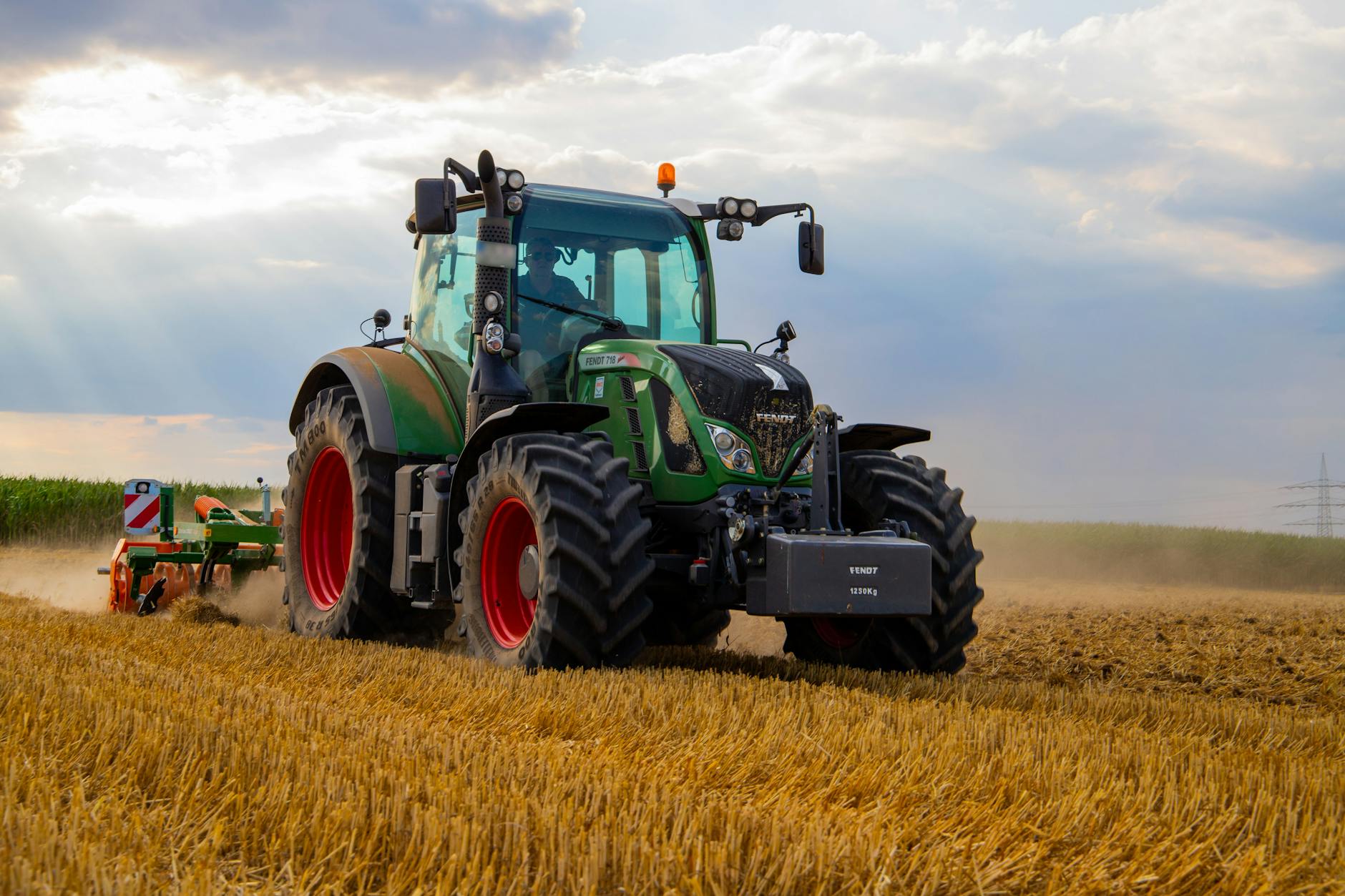
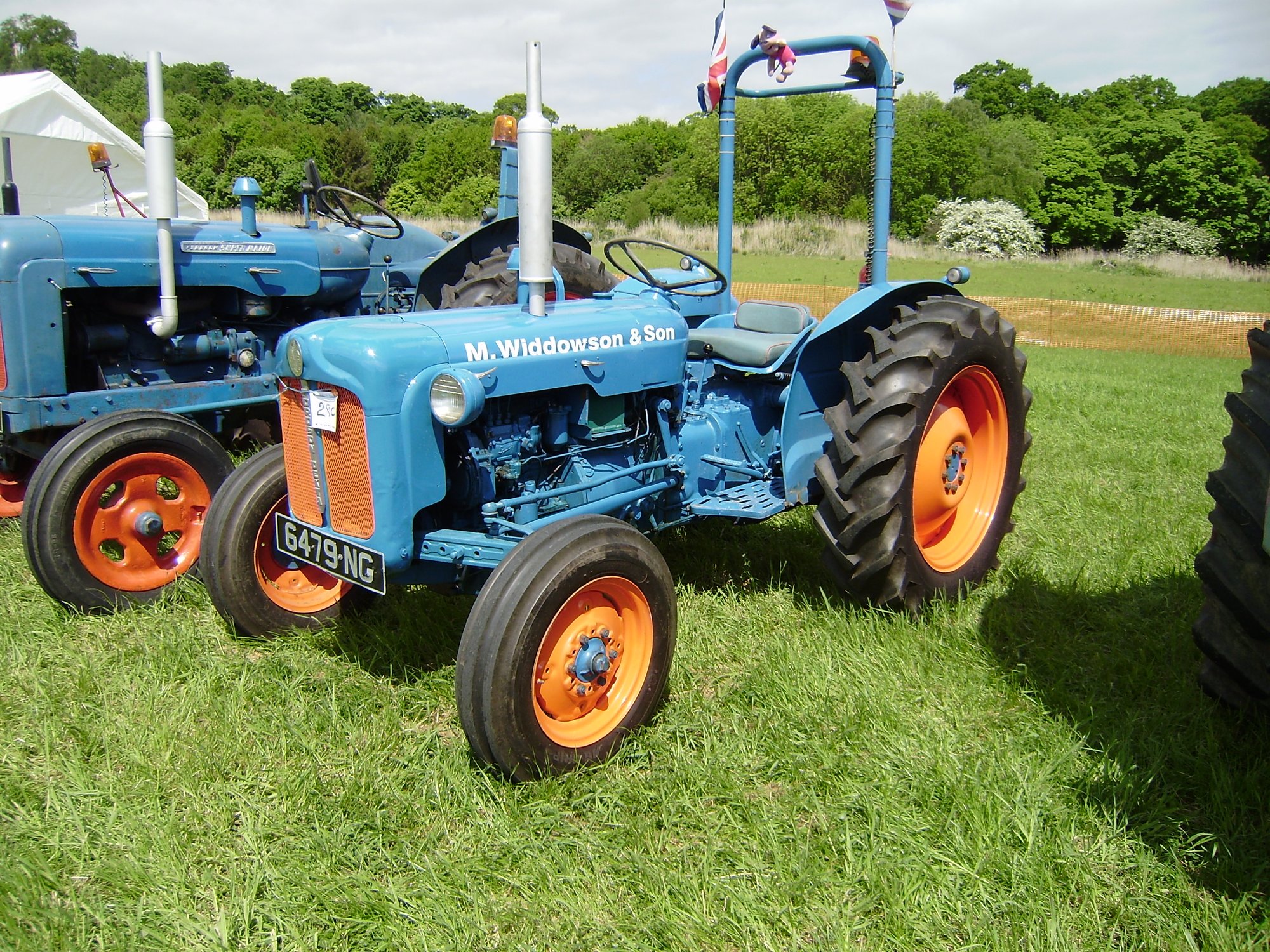
On industrialized farms, machinery is a major source of injury. Tractors are especially notorious: in developed countries, tractor rollovers are a common cause of fatal agricultural injuries. A rollover happens when a tractor tips and crushes the operator, often with catastrophic results.
The danger is not limited to machines. Agriculture may involve chemicals such as pesticides, which are substances used to control pests. Pests can include insects, weeds, mites, and plant diseases, and pesticides are widely used in modern farming. But those same chemicals can be hazardous to workers. People exposed to pesticides may become ill, and exposure has also been associated with birth defects in workers’ children.
The farm doesn’t separate work from home
One reason agriculture is uniquely risky is that work and home often overlap. Families commonly share in farm labor and live on the farm itself. That means danger is not confined to the adult workforce.
Entire families can be exposed to injury, illness, and even death. Young children are especially vulnerable. For children aged 0 to 6, common causes of fatal injury on farms include drowning, machinery accidents, and motor vehicle accidents, including those involving all-terrain vehicles.
Youth are also heavily affected. Looking across all industries, agriculture had the leading number of work-related deaths for young people in recent occupational fatality data. Within agriculture, children and teens between 10 and 15 years old suffered the most non-fatal work-related injuries.
That detail is especially striking. Non-fatal injuries may not make headlines, but they can mean fractures, crush injuries, amputations, and long recoveries that alter a young person’s life.
The everyday hazards farmers face
The risks in farming come from many directions at once. Some are obvious, while others build slowly and quietly.
Machinery and vehicles
Modern agriculture depends heavily on machinery. Mechanization has boosted productivity, but it has also created new dangers. Tractors, harvesters, and other machines can cause crushing injuries, entanglement, and fatal rollovers. Motor accidents are a serious threat on farms, where vehicles, equipment, and uneven terrain mix constantly.
Chemical exposure
Pesticides and other farm chemicals help protect crops, but handling them can be dangerous. Exposure may happen during mixing, spraying, or even through contaminated clothing and surfaces. Agricultural workers exposed to pesticides may experience illness, and the risks can extend to their families.
Dust and lung disease
Agricultural work often involves grain, soil, feed, and other materials that release particles into the air. Breathing in these particles over time can contribute to lung disease.
Noise
Many farm tools and machines generate intense sound. Long-term exposure can lead to noise-induced hearing loss, a condition in which hearing damage accumulates gradually and often permanently.
Sun exposure and skin damage
Outdoor work means long hours under direct sunlight. Prolonged sun exposure increases the risk of skin diseases and is linked to certain cancers.
Safety efforts are growing
Because the dangers are so widespread, many organizations have tried to improve agricultural safety.
The International Labour Organization developed the Safety and Health in Agriculture Convention, 2001. This convention addresses the range of risks in agricultural work, how those risks can be prevented, and what role workers, employers, and organizations should play in making farms safer.
In the United States, agriculture has been identified by the National Institute for Occupational Safety and Health as a priority industry sector in the National Occupational Research Agenda. That means it is singled out for research and intervention strategies aimed at reducing occupational injuries and disease.
In the European Union, the European Agency for Safety and Health at Work has issued guidance on applying health and safety rules in agriculture, livestock farming, horticulture, and forestry. Horticulture refers to the cultivation of garden crops such as fruits, vegetables, and ornamental plants.
Beyond government and international bodies, industry groups also contribute. The Agricultural Safety and Health Council of America holds a yearly summit focused on agricultural safety.
Why this issue is bigger than the farm itself
Farm safety is not only a labor issue. It is also a public health issue, a rural community issue, and an economic issue.
Farms shape rural society and influence rural economics far beyond the people directly employed in agriculture. Businesses that supply farms, process agricultural goods, and support farming communities are all affected when injury, illness, or death hits agricultural workers.
Agriculture is also a foundation of human civilization. It enabled food surpluses that helped people live in cities and supported the growth of complex societies. Today it still produces enormous quantities of food, fibers, and raw materials. When such a foundational sector remains highly dangerous, the consequences ripple outward through families, communities, and entire economies.
The paradox of modern agriculture
Modern agriculture has sharply increased crop yields through agronomy, plant breeding, fertilizers, pesticides, and technology. Mechanization and automation can reduce drudgery, improve timing, and increase precision in agricultural operations. But modern methods can also introduce or intensify certain risks.
For example, machinery can reduce manual labor while increasing injury severity when accidents occur. Chemical pest control can protect crops while exposing workers to harmful substances. As agriculture becomes more productive, it can also become more technologically complex, making training and safety systems even more important.
At the same time, automation may change labor patterns. It can reduce labor needs for some tasks while creating demand for equipment operation and maintenance. In settings where rural labor is scarce, that can be beneficial. But if pushed too aggressively in places with abundant labor, it can displace workers and affect wages. Safety, then, is part of a larger conversation about how agriculture evolves.
A safer future for farming
The hidden dangers of farming do not erase the importance of agriculture. They reveal how much effort is needed to protect the people who make modern life possible.
A safer agricultural future depends on recognizing the farm for what it really is: not just a place of production, but a complex workplace with machinery hazards, chemical risks, environmental exposure, and family vulnerability all woven together. Better guidance, stronger prevention, research, and awareness can save lives.
The world depends on agriculture every day. The people working in it deserve far more than admiration from afar. They deserve serious protection.
Sources
Based on information from Agriculture.
More like this
Don’t just harvest crops—harvest great ideas too. Download DeepSwipe and grow your knowledge safely, one swipe at a time.