Full article · 8 min read
Human History: How Printing and Gunpowder Helped Reshape Power
A few inventions can change daily life. A rarer few can change the balance of power across whole civilizations. Printing and gunpowder were two of those world-shifting technologies.
Both originated in China, and both later spread across Eurasia. Over time, they transformed how rulers governed, how armies fought, and how ideas moved. In one direction, gunpowder helped reshape war and empire. In another, printing helped words travel faster than ever before, fueling major intellectual and religious change in Europe.
Together, they helped create a world in which power no longer depended only on land, birth, or brute force. It also depended on information, organization, and the ability to spread new ways of thinking.
The Chinese origins of two world-changing inventions
In the post-classical period, three major inventions of enormous historical importance originated in China: gunpowder, guns, and printing. Their effects reached far beyond East Asia.
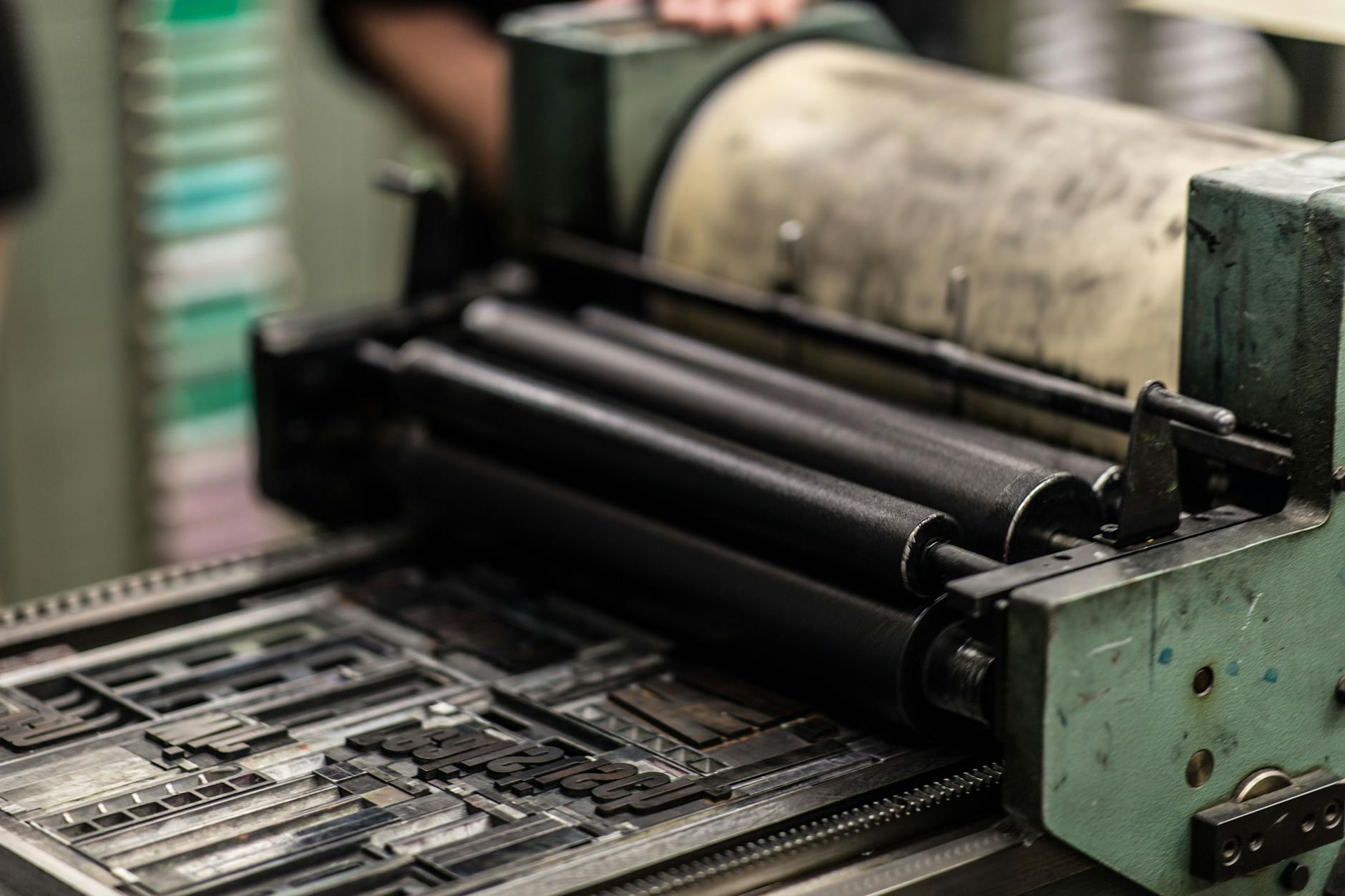
Printing is the reproduction of text in multiple copies, allowing the same written material to be distributed widely. Before printing, texts had to be copied by hand, a slow and labor-intensive process. That meant books and written ideas spread only gradually. Printing changed that basic limit.
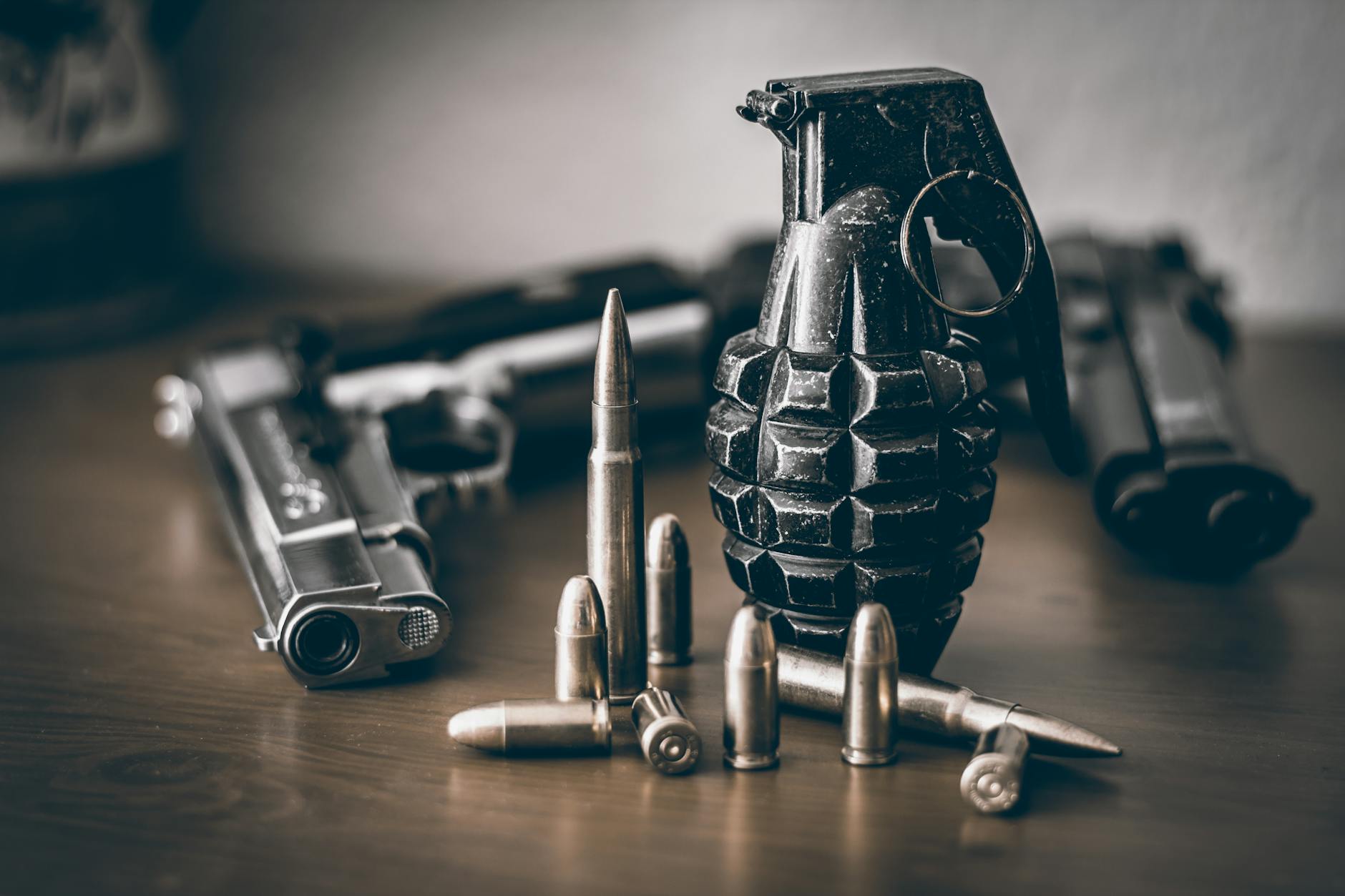
Gunpowder is an explosive substance used to propel projectiles and later to power weapons such as guns. Once military forces could use explosive force more effectively, warfare began to change. Armies could attack in new ways, and states that mastered the technology could project power more effectively.
These inventions did not remain confined to their place of origin. Across the post-classical world, growing trade networks connected societies through routes such as the Silk Road and the Indian Ocean trade system. These links allowed goods, techniques, and ideas to travel between distant regions.
Why the post-classical world was ready for big change
From roughly 500 to 1500 CE, civilization expanded into new regions and trade between societies intensified. That growing contact mattered. The more connected societies became, the easier it was for inventions and ideas to move.
China in particular saw powerful dynasties and major administrative development. The Sui and Tang dynasties helped shape a durable imperial system, and later dynasties continued to govern large populations through organized bureaucracies. In that broader setting, inventions such as printing and gunpowder emerged from a sophisticated civilization with strong state structures and long-distance commercial links.
Meanwhile, Middle Eastern trade routes along the Indian Ocean and the Silk Road through the Gobi Desert provided limited but important economic and cultural contact between Asian and European civilizations. Even limited contact can have enormous long-term consequences when the things being transmitted are as transformative as military and communication technologies.
Printing: making ideas travel farther and faster
The historical power of printing came from one simple advantage: scale. A written idea could now be reproduced many times and shared much more efficiently.
In Europe, Johannes Gutenberg's invention of movable type printing in 1440 helped spread the ideas of new intellectual movements. Movable type is a printing method that uses separate, reusable characters that can be arranged to form pages of text. Compared with copying manuscripts by hand, it greatly increased the speed of reproduction.
That acceleration mattered because early modern Europe was already entering a period of intense intellectual ferment. The Renaissance, which began in Italy in the 14th century and extended into the 16th, involved the rediscovery of the classical world's cultural, scientific, and technological achievements. It was also a period of major artistic and literary achievement.
Printing helped these developments spread more widely. A new text, once printed, could circulate across regions rather than remain limited to a small circle of readers. Ideas became harder to contain and easier to debate.
Printing and the chain reaction of European thought
The spread of print did not create every new idea in Europe, but it helped those ideas move, endure, and influence larger audiences.
After the Renaissance came the Reformation, an anti-clerical theological and social movement started in Germany by Martin Luther that resulted in the creation of Protestant Christianity. Printing helped spread the ideas associated with this upheaval. In practical terms, that meant religious disputes could rapidly become mass controversies rather than remain local arguments.
The same broad culture of inquiry also fed into humanism and the Scientific Revolution. The Scientific Revolution was an effort to understand the natural world through direct observation and experiment. That approach encouraged the testing of claims rather than simply accepting inherited authority.
The success of these new scientific techniques inspired attempts to apply reason to political and social affairs in what became known as the Enlightenment. Thinkers such as John Locke and Immanuel Kant are associated with this movement. The Enlightenment emphasized reason and contributed to a wider secularization of public and private life, meaning a continued decline in the influence of religious beliefs and authorities in those spheres.
Printed material gave these movements staying power. It allowed arguments to be preserved, duplicated, discussed, and challenged across wide areas. In that sense, printing was not just a machine for making books. It was a machine for multiplying influence.
Gunpowder and the remaking of warfare
If printing changed the speed of ideas, gunpowder changed the mechanics of force.
The post-classical period saw the emergence of gunpowder, guns, and printing in China, and these innovations had major effects on later history. As gunpowder weapons spread, warfare evolved. By the early modern period, the very nature of warfare was changing as the size and organization of military forces on land and sea increased alongside the wider propagation of gunpowder.
This was not just a matter of better weapons. It was also about states becoming more centralized and better organized. Armies required money, supply systems, command structures, and bureaucracies. In other words, gunpowder warfare favored rulers and governments that could mobilize resources efficiently.
That link between firearms and state power can be seen clearly in the so-called gunpowder empires. The Ottomans, Safavids, and Mughals are described this way because of their early adoption of firearms. Their use of gunpowder weapons helped them dominate vast territories in West and Central Asia and South Asia.
The Ottoman Empire, for example, quickly came to dominate the Middle East after conquering Constantinople in 1453, which marked the end of the Byzantine Empire. In Persia, the Safavids established Shia Islam as the official religion, giving Persia a separate identity from its Sunni neighbors. In the Indian subcontinent, the Mughal Empire, established under Babur in 1526, eventually brought nearly the entire subcontinent under Muslim rule by the late 17th century, except for the southernmost Indian provinces.
Gunpowder did not act alone, but it was part of a larger package of military and political change that helped large empires rise and endure.
Power, bureaucracy, and the age of expanding states
Printing and gunpowder fit into a broader historical pattern: the rise of more centralized states.
The early modern period was marked by increasingly centralized bureaucratic states and early forms of capitalism. In Europe, absolute monarchs in places such as France, Russia, the Habsburg lands, and Prussia built powerful centralized states with strong armies and efficient bureaucracies under the control of the king.
That matters because both print and gunpowder reward organization. Printing helps standardize and spread information. Gunpowder warfare rewards disciplined armies and resource-rich governments. Together, they favored polities that could coordinate people and materials at scale.
This was also the age in which European powers expanded across the globe through maritime empires. The Portuguese and Spanish came first, followed by the French, English, and Dutch. Historians debate the causes of Europe’s rise, often called the Great Divergence, but the spread of knowledge, technologies, and administrative capacity clearly formed part of the backdrop.
Ideas and empires moved along connected worlds
One of the most striking features of this story is that it is not confined to one civilization. Printing and gunpowder originated in China, but their effects became continental.
That happened because Afro-Eurasia was increasingly interconnected. Trade in the Mediterranean, the Indian Ocean, and along the Silk Road had already linked major civilizations long before the early modern period. Merchants, conquerors, scholars, and states all helped move things across space.
Once technologies entered new political settings, they often produced new outcomes. In Europe, movable type printing became a powerful accelerator for the Renaissance, Reformation, Scientific Revolution, and Enlightenment. In several Islamic and Asian empires, firearms became part of systems of conquest and consolidation. Different regions used the same broad technologies in ways shaped by their own institutions and conflicts.
Why these inventions still stand out
Human history contains many turning points, but printing and gunpowder stand out because each changed a fundamental form of power.
Printing altered informational power: who could access ideas, how quickly those ideas could spread, and how long they could endure. Gunpowder altered military power: how wars were fought, how armies were organized, and which states could dominate.
Neither invention worked in isolation. They mattered most in worlds already being transformed by trade, state-building, religious conflict, intellectual change, and imperial expansion. But once they spread, they intensified those processes dramatically.
That is why they remain such powerful symbols of historical change. One helped launch explosions on battlefields. The other launched explosions in human thought.
Sources
Based on information from Human history.
More like this
Reload your curiosity with world-changing ideas — download DeepSwipe and let history spread through your brain faster than print.