Full article · 7 min read
Asexual vs. Sexual Reproduction: Speed vs. Variation
Reproduction is how living things produce offspring, and two of the biggest pathways are asexual reproduction and sexual reproduction. At first glance, the trade-off seems simple: one is fast, the other is flexible. But that contrast opens up a much deeper story about survival, disease, harsh environments, and the long-term fate of populations.
This is the core tension: asexual reproduction can rapidly multiply a successful organism, while sexual reproduction usually produces fewer offspring but creates more genetic variation. In biology, that difference matters enormously.
Why asexual reproduction can be so fast
In asexual reproduction, an organism produces genetically similar or identical copies of itself without receiving genetic material from another organism. Because there is no need to find a mate or combine two sets of genes, this method can be extremely efficient.
That efficiency helps explain why organisms reproducing asexually often increase in number exponentially. Exponential growth means growth that speeds up as the population grows: more individuals produce more offspring, which then produce even more offspring, creating rapid expansion.
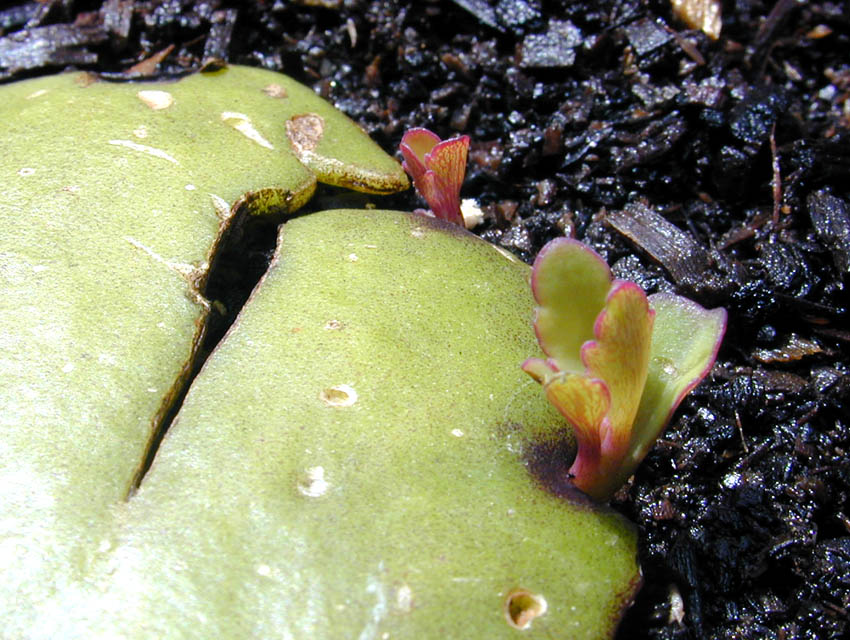
Asexual reproduction appears in many forms. Bacteria divide by binary fission, a process in which one cell splits into two. Hydras and yeasts can reproduce by budding, where a new individual grows out from the parent. Other forms include fragmentation, spore formation, and parthenogenesis.
Parthenogenesis is the growth and development of an embryo or seed without fertilization. It occurs naturally in some lower plants, some invertebrates such as water fleas, aphids, some bees and parasitic wasps, and in some vertebrates including some reptiles, some fish, and very rarely domestic birds.
Asexual reproduction is not restricted to microscopic life. Most plants have the ability to reproduce asexually, and the ant species Mycocepurus smithii is thought to reproduce entirely by asexual means.
The hidden weakness of cloning yourself
The great strength of asexual reproduction is speed. Its weakness is sameness.
Because asexual reproduction creates genetically similar or identical offspring, variation depends mostly on mutation. A mutation is a change in DNA. Mutations can introduce new differences, but they are not the same thing as the broad reshuffling of genes that happens in sexual reproduction.
When members of a species are genetically very similar, they may also share similar vulnerabilities. If a disease, parasite, or environmental challenge can harm one individual, it may be able to harm many of them. That does not mean asexual reproduction is always a losing strategy. In fact, when conditions are favorable, it can be extremely successful.
If food is abundant, shelter is adequate, climate is favorable, disease pressure is low, and other conditions are suitable, organisms that can reproduce asexually may use that method to exploit the opportunity quickly. Their numbers can climb fast and help them take full advantage of rich resources.
Why sexual reproduction tends to be slower
Sexual reproduction creates a new organism by combining the genetic material of two organisms. It typically begins with meiosis, a specialized form of cell division that produces gametes.
Gametes are specialized reproductive cells such as sperm and egg. These cells are haploid, meaning they contain half the number of chromosomes found in somatic cells, the ordinary body cells of an organism. When sperm fertilizes egg, they form a fertilized zygote. A zygote is the first cell of a new offspring.
Because each parent contributes half of the offspring’s genetic makeup, sexual reproduction usually takes more steps and more biological investment than asexual reproduction. The result is often fewer offspring.
This lower output is part of why sexual reproduction has long been considered a major puzzle for biologists. It carries what is described as a two-fold cost: only 50% of organisms reproduce, and organisms pass on only 50% of their genes.
Even so, sexual reproduction is widespread in animals and plants, including humans. That strongly suggests it provides major benefits.
The power of genetic variation
The most important advantage highlighted by the contrast with asexual reproduction is genetic variation.
In sexually reproducing organisms, offspring inherit one allele for each trait from each parent. An allele is a version of a gene. Because offspring receive a combination of parental genes, they are genetically different from one another.
That variation can help populations resist disease and cope with changing conditions. If all individuals were nearly identical, one serious threat could affect them in similar ways. But if offspring vary, some may be better suited to survive a disease outbreak, a climate shift, or another environmental challenge.
This is one reason sexually reproducing organisms may be less susceptible to disease overall, even though they usually produce fewer offspring.
Sexual reproduction also involves recombination, which helps reshuffle genetic material. The result is a wider range of traits within a population. A population with broader variation has more chances that some individuals will survive when the environment changes.
When conditions turn bad, sex can become a survival tool
One of the most striking ideas in reproduction biology is that many organisms can switch strategies depending on conditions.
Aphids, slime molds, sea anemones, some species of starfish, and many plants can reproduce both sexually and asexually. When conditions are good, asexual reproduction can rapidly boost numbers. But when food becomes scarce, climate becomes hostile, or survival is threatened by adverse changes, these organisms may switch to sexual reproduction.
This shift matters because sexual reproduction does more than mix genes. It often produces life stages that can endure difficult conditions.
These hardy stages include seeds, spores, eggs, pupae, and cysts. A pupa is a developmental stage in some animals, especially insects, between immature and adult form. A cyst is a protective resting form that can help an organism survive stress. These stages can function like biological shelters, allowing offspring to survive through unfavorable times.
In that sense, reproduction is not just a way to create more life. It can also be a way to wait out the world.
When conditions improve again, those durable stages can continue development. This gives the lineage a way to persist even when the parent generation would struggle.
Meiosis, DNA repair, and resilience
The meiosis stage of the sexual cycle does something else important: it allows especially effective repair of DNA damages.
Meiosis is a type of cell division used to form gametes. Unlike mitosis, which occurs in somatic cells and produces cells with the same chromosome number as the parent cell, meiosis reduces chromosome number by half. A diploid cell duplicates itself and then undergoes two divisions, producing four haploid cells in two phases called meiosis I and meiosis II.
During gametogenesis, the process by which animals produce sperm and egg, DNA repair mechanisms can play a major role. In mammals, sperm are produced by spermatogenesis in the testicles, and eggs are produced by oogenesis in the ovaries. Genes involved in DNA repair show enhanced or specialized expression during this process.
Male germ cells in the testes can carry out repair processes that help maintain genome integrity. Oocytes, which are immature egg cells located in the primordial follicle of the ovary, can also undergo highly efficient repair of DNA damage, including double-strand breaks. These processes help maintain the integrity of the genome and protect offspring health.
So sexual reproduction may help not only by creating variation, but also by supporting repair and preservation of genetic material.
Fast or flexible? It depends on the environment
There is no single best reproductive method for every situation.
Asexual reproduction is ideal for quick expansion when the environment is favorable. It allows organisms to multiply efficiently and capitalize on good conditions. Sexual reproduction, by contrast, often trades speed for adaptability. It produces fewer offspring, but those offspring are more varied, and that diversity can be crucial when circumstances change.
This is why the comparison between asexual and sexual reproduction is really a comparison between short-term efficiency and long-term resilience.
If the world is stable and resources are plentiful, making many near-identical copies can work extremely well. If the world becomes unpredictable, variation may become the difference between collapse and survival.
The bigger biological lesson
The contrast between asexual and sexual reproduction helps explain a central pattern of life: organisms are not just trying to reproduce, they are trying to persist.
Asexual reproduction can flood an environment with offspring. Sexual reproduction can equip a population with variety, disease resistance, and durable life stages that survive bad times. Some organisms even use both approaches, taking advantage of speed when life is easy and turning to variation and endurance when life gets hard.
That makes reproduction more than a biological process. It is also a strategy for navigating uncertainty.
Sources
Based on information from Reproduction.
More like this
Clone your curiosity or mix up your mental genes — either way, download DeepSwipe and evolve your knowledge daily.