Full article · 7 min read
Reproduction: Why Some Species Switch Strategies
Some living things don’t stick to just one reproductive plan. Instead, they can switch between asexual and sexual reproduction depending on what is happening around them. That flexibility helps explain how certain organisms respond to easy times, hard times, and everything in between.
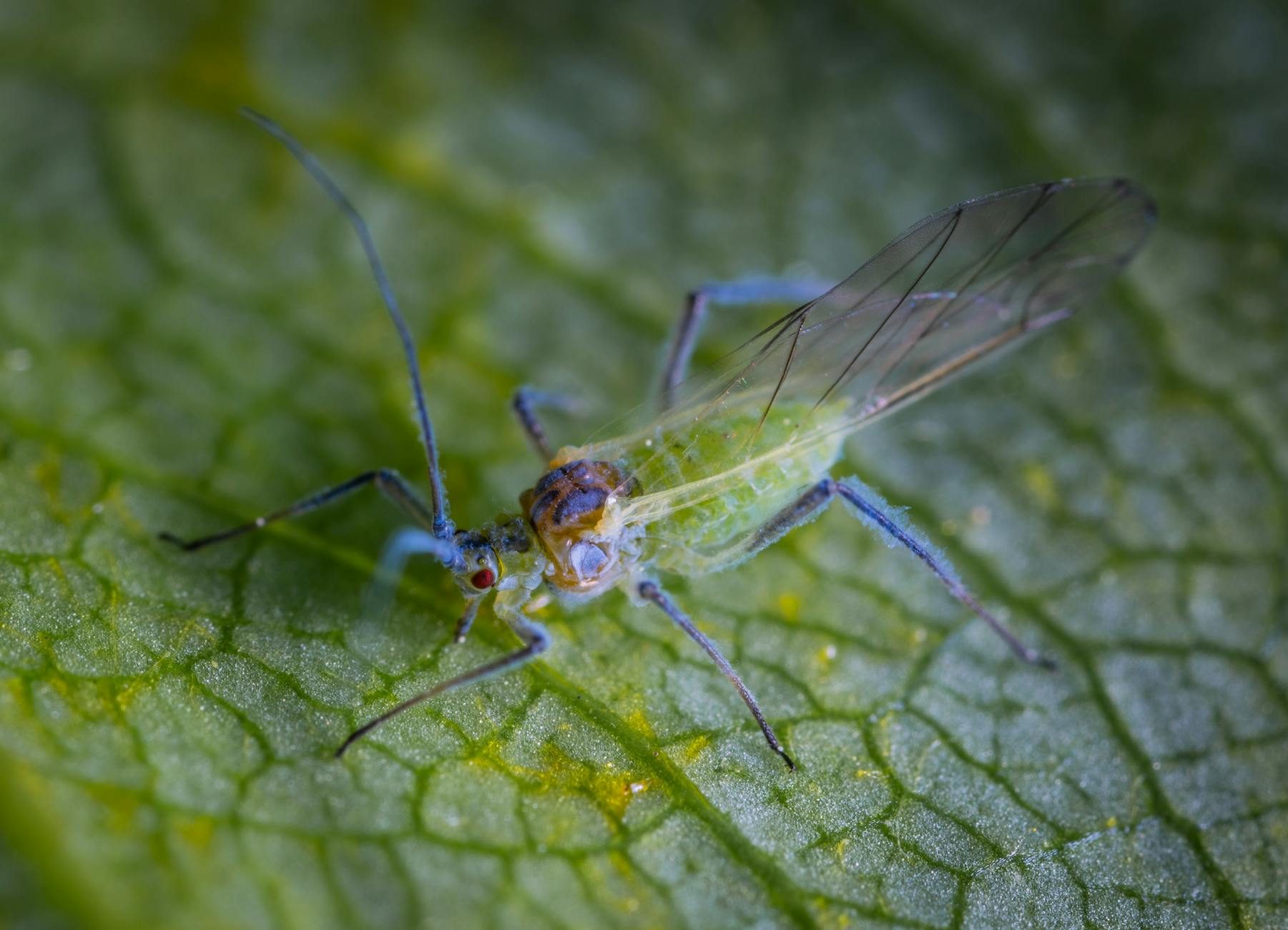
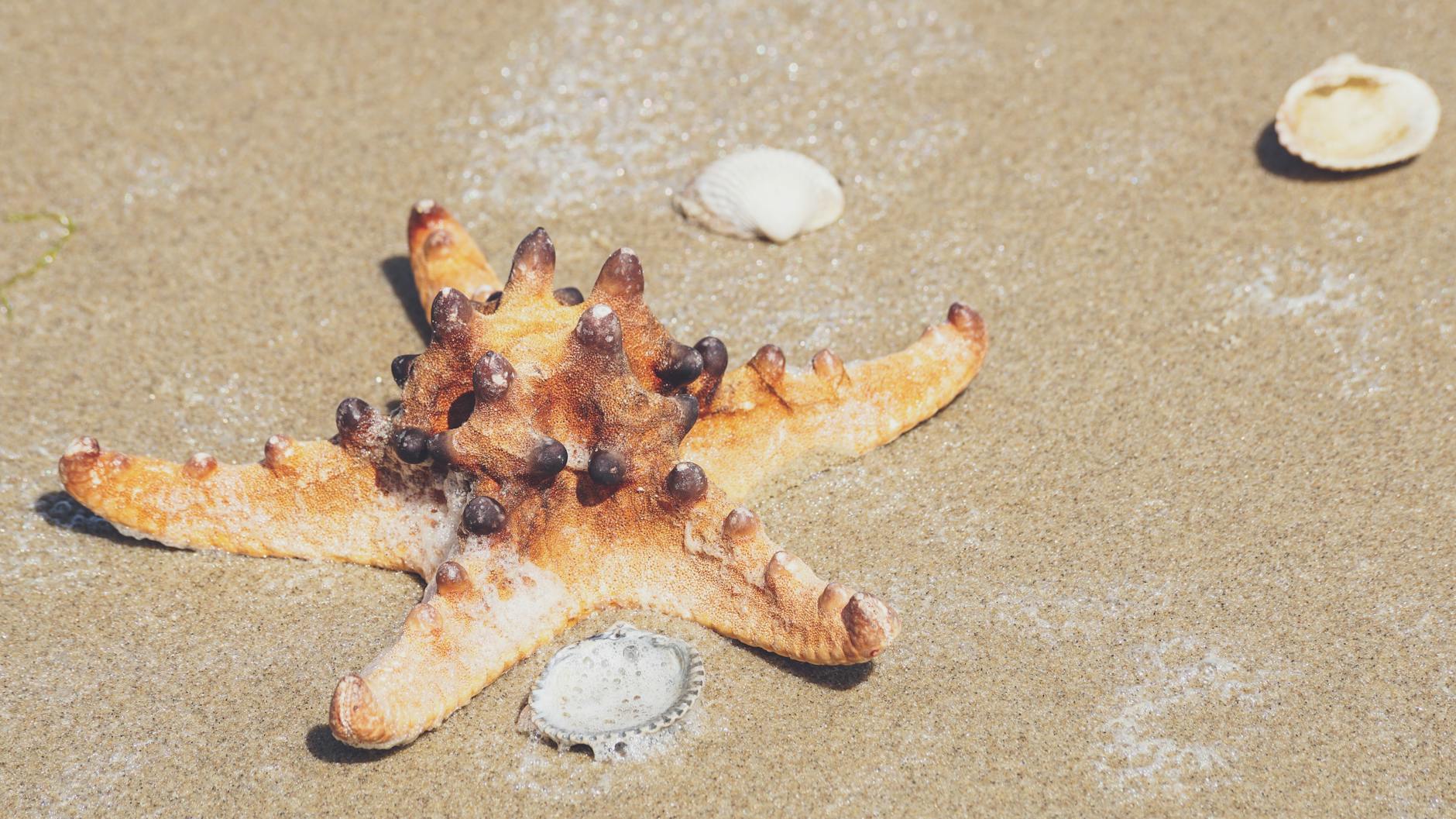
Aphids, slime molds, sea anemones, some species of starfish, and many plants are among the organisms that can reproduce both sexually and asexually. This ability gives them two very different tools for survival.
Two ways to make offspring
Reproduction is the biological process through which organisms produce offspring. Broadly, it comes in two forms: asexual and sexual.
In asexual reproduction, an organism produces a genetically similar or identical copy of itself without receiving genetic material from another organism. In sexual reproduction, a new organism is created by combining genetic material from two organisms. That process usually involves specialized reproductive cells called gametes.
Gametes are cells such as sperm and egg. They contain half the number of chromosomes found in ordinary body cells, which are called somatic cells. When gametes join, they form a fertilized zygote, the starting point for a new offspring.
Why asexual reproduction is so useful in good times
When conditions are favorable, asexual reproduction can be incredibly efficient. If food is abundant, shelter is available, climate conditions are suitable, disease pressure is low, and other lifestyle requirements are met, organisms that can reproduce asexually are able to take rapid advantage of the opportunity.
This is why populations can grow exponentially under good conditions. Exponential growth means the increase becomes faster and faster over time because each new generation can also begin reproducing quickly. Instead of adding a steady number of individuals, the population can multiply at an accelerating rate.
For an organism living in a rich environment, this strategy makes sense. If the surroundings already support survival well, producing many genetically similar copies can be a fast way to expand the population.
Asexual reproduction appears in many forms across life. Bacteria divide by binary fission, a simple splitting process that creates new cells. Hydras and yeasts can reproduce by budding, in which a new individual grows out from the parent. Other asexual methods include fragmentation, spore formation, and parthenogenesis.
Fragmentation happens when part of an organism breaks off and develops into a new individual. Parthenogenesis is the growth and development of an embryo or seed without fertilization. It occurs naturally in some lower plants, invertebrates such as water fleas and aphids, and even in some vertebrates including certain reptiles and fish.
The big advantage of asexual reproduction is speed. There is no need to find a mate, no need to combine two sets of genetic material, and no delay caused by depending on another individual.
The downside of cloning yourself
That speed comes with a trade-off. Because asexual reproduction does not mix genes from two parents, members of the species tend to have similar vulnerabilities. Variation can still arise through mutation, but the article explains that these organisms rely on mutation for changes in their DNA.
If the environment stays stable, this may not be a major problem. But if conditions suddenly worsen, a population made up of very similar individuals may be at risk. A disease, climate shift, shortage of food, or some other environmental stress could affect many of them in the same way.
This helps explain why some organisms do not remain purely asexual all the time.
Why sexual reproduction becomes valuable in bad times
When food sources are depleted, the climate becomes hostile, or survival is threatened by adverse changes in living conditions, some organisms switch to sexual reproduction.
Sexual reproduction mixes the gene pool of the species. A gene pool is the total collection of genetic variants present in a population. By combining genetic material from two parents, sexual reproduction creates offspring with new combinations of traits.
These genetic differences matter. The variations found in sexually produced offspring mean that some individuals may be better suited to survive under new or difficult conditions. If the environment changes, a population with more variation is more likely to include at least some individuals that can cope with the challenge.
This is the core survival benefit of switching strategies. Asexual reproduction is excellent for exploiting good conditions quickly. Sexual reproduction is valuable when uncertainty rises and diversity becomes an advantage.
How sexual reproduction creates variation
Sexual reproduction starts with meiosis, a specialized type of cell division. Meiosis produces gametes with half the number of chromosomes of the parent cell.
This is different from mitosis, the type of cell division used in somatic cells. In mitosis, the resulting cells keep the same number of chromosomes as the parent cell. In meiosis, one diploid cell duplicates itself and goes through two divisions, producing four haploid cells.
Diploid cells have two sets of chromosomes. Haploid cells have one set. This reduction is important because when two haploid gametes combine, the resulting zygote restores the full chromosome number.
The article also notes that the meiosis stage of the sexual cycle allows especially effective repair of DNA damage. DNA is the molecule that carries genetic information. Damage to it can threaten cell function and offspring health. Repair during meiosis helps maintain genome integrity, meaning the overall stability and accuracy of the inherited genetic material.
So sexual reproduction does more than simply mix traits. It also includes a stage associated with effective DNA repair.
More than one kind of sexual strategy
Sexual reproduction itself is not just a single pattern.
In many species, there are two different kinds of gametes. In these anisogamous species, one sex produces sperm or microspores and the other produces ova or megaspores. In isogamous species, the gametes are similar or identical in form, though they may still differ in other properties. Because they look alike, they may not be classified as male or female.
Some organisms even have more than two “sexes,” referred to as mating types. The article gives examples from fungi and the ciliate Paramecium aurelia.
Plants also show different routes to fertilization. Allogamy, also known as cross-fertilization, occurs when a flower is fertilized by pollen from a different plant’s flower. Autogamy refers to self-fertilization, where the two gametes that fuse come from the same individual. In flowering plants, self-pollination can happen within the same flower, while geitonogamy is the transfer of pollen to a different flower on the same plant.
These details show that reproduction is not simply a matter of “mate or no mate.” There are multiple reproductive systems, and organisms can use different ones depending on their biology.
Survival through harsh seasons
One especially important benefit of sexual reproduction is that it often leads to a life stage able to endure difficult conditions. Seeds, spores, eggs, pupae, cysts, and other “over-wintering” stages can help offspring survive through unfavorable times.
That means sexual reproduction can sometimes act like a biological pause button. Instead of trying to grow immediately in a hostile environment, the organism can wait until conditions become suitable again.
This fits perfectly with the idea of switching strategies. In times of abundance, rapid asexual reproduction can exploit opportunity. In times of stress, sexual reproduction can help generate variation and produce durable life stages that ride out danger.
Why not use sex all the time?
Sexual reproduction has major benefits, but it also has costs. The article describes the evolution of sexual reproduction as a major puzzle for biologists. One reason is the so-called two-fold cost of sexual reproduction: only 50% of organisms reproduce, and organisms pass on only 50% of their genes.
In other words, sexual reproduction can be more demanding and less direct than simply copying oneself. It requires more energy and diverts organisms from other pursuits. That is why the ability to switch can be so powerful. Some organisms can use the fast, efficient method when times are easy and the variation-producing method when times get tough.
A built-in balance between speed and resilience
The organisms highlighted in this episode reveal a striking biological balance. Asexual reproduction offers speed, efficiency, and explosive population growth under favorable conditions. Sexual reproduction offers genetic mixing, variation, DNA repair during meiosis, and often durable stages that can survive hardship.
For aphids, slime molds, sea anemones, some starfish, and many plants, switching strategies is not random. It is a practical response to changing circumstances.
In a stable world, copying yourself can be enough. In a harsher or changing world, diversity can be the difference between collapse and survival. That is why some species switch modes: not because one strategy is always better, but because each strategy shines under different conditions.
Sources
Based on information from Reproduction.
More like this
Switch your brain into growth mode — download DeepSwipe and let your knowledge multiply.


