Full article · 7 min read
Plant Diversity: From Microscopic Cells to Forest Giants
The plant world is astonishingly diverse. Under the single label “plants” sits an enormous range of life, from tiny single-celled organisms to some of the tallest living structures on Earth. This variety is one of the reasons plants are so important: they are not just background scenery, but the foundation of most terrestrial ecosystems and a major source of the world’s molecular oxygen.
There are about 380,000 known species of plants, and most of them produce seeds. An even more striking fact is that flowering plants account for roughly 85–90% of all plant species. Yet the plant kingdom is far broader than flowers and trees. It includes green algae as well as land plants such as mosses, liverworts, hornworts, ferns, conifers, and flowering plants.
What counts as a plant?
Today, plants are understood as eukaryotic organisms in the kingdom Plantae. “Eukaryotic” means their cells contain complex internal structures, including a nucleus. Most plants are multicellular, though some green algae are exceptions.
Plants are predominantly photosynthetic. In simple terms, they use sunlight to make sugars from carbon dioxide and water. This process depends on chlorophyll, the green pigment inside chloroplasts that captures light energy. Those sugars then provide energy not only for the plants themselves, but also for most of Earth’s ecosystems, directly or indirectly.
Not every plant fits the standard green, sun-powered image. Some parasitic plants have lost the genes for chlorophyll and photosynthesis, and instead obtain energy from other plants or fungi. Even with these unusual exceptions, the enormous majority of plants are tied together by their shared place in the green plant lineage.
A kingdom with an incredible size range
One of the most eye-catching parts of plant diversity is scale. Plants range from microscopic life forms to giant trees.
At the small end are single-celled organisms such as desmids, which can be around 10 micrometres across, and picozoa, which are less than 3 micrometres across. A micrometre is one millionth of a metre, so these organisms are far too small to see with the naked eye.
At the other extreme are towering trees. The conifer Sequoia sempervirens can reach up to 120 metres tall, while the flowering plant Eucalyptus regnans can grow up to 100 metres. That means the plant kingdom includes both microscopic cells and giants that dominate landscapes.
This size range is a clue to just how flexible plant life can be. Plants can exist as tiny, simple organisms or as vast, long-lived structures with roots, trunks, branches, and leaves.
The major groups behind plant diversity
Plant diversity is not just about size. It is also about form and evolutionary history.
Green plants, or Viridiplantae, include green algae and the embryophytes, also known as land plants. Land plants include hornworts, liverworts, mosses, lycophytes, ferns, conifers and other gymnosperms, and flowering plants.
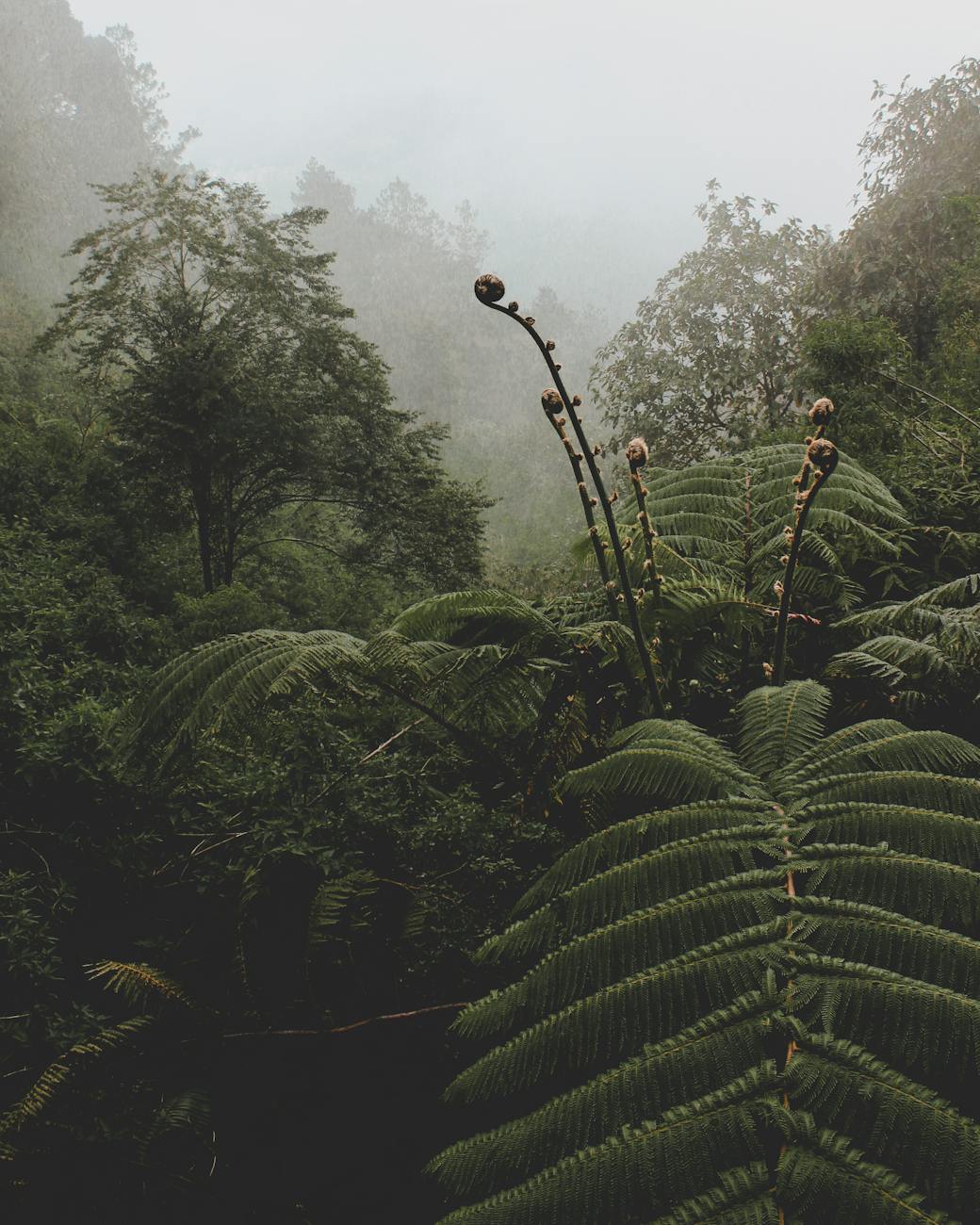
Bryophytes such as mosses, liverworts, and hornworts are generally simpler land plants. Ferns and lycophytes represent older vascular plant lineages, meaning they have tissues specialized for transport. Conifers are gymnosperms, seed plants that are distinct from flowering plants. Flowering plants, also called angiosperms, are the dominant form in terms of species numbers today.
So when people say “plant,” they may be referring to a rose, a pine, a fern, or even certain green algae. That single word covers an immense span of living forms.
Why seeds matter so much
Out of the roughly 380,000 known plant species, the majority produce seeds. Seed production is one of the big success stories in plant diversity.
Seed plants include gymnosperms such as conifers and flowering plants. In these plants, the sporophyte is the main visible form of the plant. “Sporophyte” refers to the diploid generation in the plant life cycle, meaning it has two sets of chromosomes.
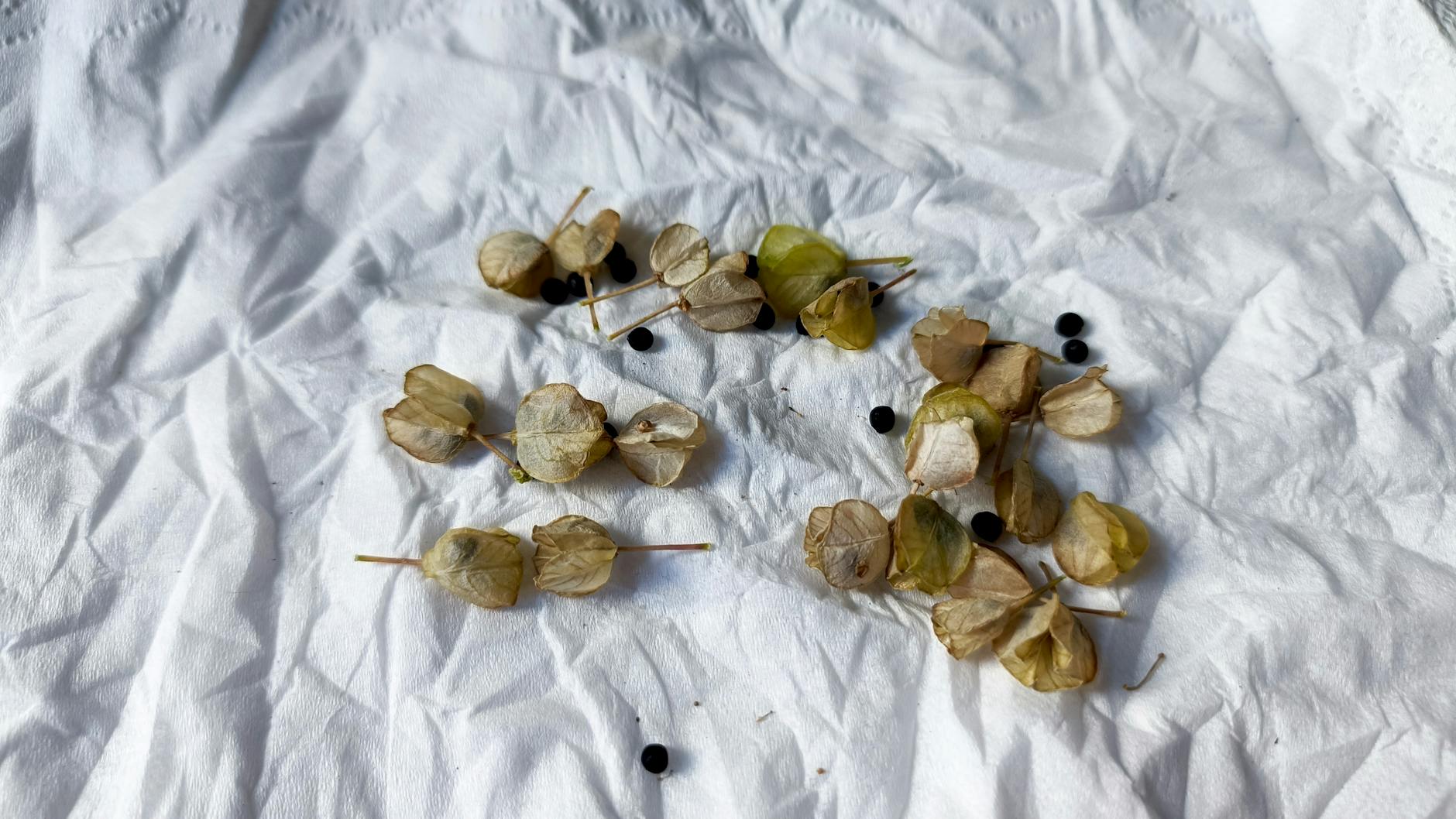
Flowering plants reproduce sexually using flowers, which contain male and female parts. The stamens create pollen, which carries male gametes. These reach the ovule and fertilize the egg cell of the female gametophyte. After fertilization, the ovaries develop into fruits containing seeds.
Seeds are part of what has helped plants spread so successfully across many habitats. Fruits may be dispersed whole, or split open so seeds are dispersed individually. Many animals also help move seeds from place to place.
Flowering plants dominate modern plant life
Flowering plants make up about 85–90% of all plant species. That makes them by far the most species-rich branch of the plant world.
Their success is connected to reproduction and ecological relationships. Many flowering plants have evolved pollination syndromes, meaning suites of traits that favour pollination. Pollinators such as insects and birds visit flowers and accidentally transfer pollen while feeding on pollen or nectar.
Flowering plants also often rely on animals for seed dispersal. Some fruits have nutritious outer layers that attract animals, while the seeds are able to survive passage through the animal’s gut. Others have hooks that attach to mammal fur.
This web of relationships has helped flowering plants diversify on a massive scale. Their rise was so rapid in the Cretaceous that Darwin famously called it an “abominable mystery.”
Plant cells, tissues, and structures
Part of the reason plants can take on so many forms is that their cells and tissues are highly specialized.
Plant cells have several distinctive features. They contain a large central vacuole, which is a water-filled compartment. They also have chloroplasts, where photosynthesis takes place, and a strong but flexible cell wall made mostly of cellulose. The vacuole allows the cell to swell with water without bursting, while the wall provides structure.
In multicellular plants, cells differentiate into tissues and organs. Vascular tissue includes xylem and phloem, specialized systems for transport in stems and leaf veins. Roots absorb water and minerals, stems provide support and transport, leaves carry out photosynthesis, and flowers handle reproduction.
These structural innovations help explain how plants can range from a delicate moss to a giant conifer.
Diversity shaped by deep time
Plant diversity today is the result of a very long evolutionary history. The ancestors of land plants evolved in water, and the first land plants appeared in the Ordovician around 450 million years ago, with a level of organization like bryophytes.
By the late Silurian, around 420 million years ago, primitive land plants began to diversify. Bryophytes, club mosses, and ferns then appear in the fossil record. By the end of the Devonian, many of the basic plant features familiar today were already present, including roots, leaves, and secondary wood.
The Carboniferous period saw swamp forests dominated by clubmosses and horsetails, some as large as trees. Early gymnosperms, the first seed plants, also appeared. Later, flowering plants evolved in the Triassic and underwent a major adaptive radiation in the Cretaceous.
This long timeline helps explain why the plant kingdom includes such different body plans and reproductive strategies.
Plants are everywhere, but not all alike
Plants are distributed almost worldwide and dominate many habitats. Entire biomes are named after vegetation because plants are the dominant physical and structural component there, including grasslands, savannas, and tropical rainforests.
Even the harsh conditions of Antarctica support some plant life, including algae, mosses, liverworts, lichens, and just two flowering plants.
Different environments help drive diversity. Plant growth is influenced by abiotic factors such as temperature, water, light, carbon dioxide, and soil nutrients, as well as biotic factors like crowding, grazing, symbiotic bacteria and fungi, insects, and disease. Over time, these pressures contribute to the extraordinary variety seen across plant species.
Why plant diversity matters
Plant diversity is not just an interesting catalogue of forms. It underpins life on Earth and human civilization.
Plants and algae are primary producers in nearly all ecosystems, meaning they create the organic material that supports food webs. Plants form about 80% of the world biomass at about 450 gigatonnes of carbon. Green plants also provide a substantial proportion of the world’s molecular oxygen.
Humans depend on plant diversity for food, medicine, materials, and culture. Grain, fruit, and vegetables are basic foods. Plants also provide timber, paper, fibers such as cotton and flax, and many medicines and industrial products. Thousands of species are cultivated for beauty as ornamental plants, while others are central to scientific research.
So when we talk about plant diversity, we are really talking about one of the broadest and most important ranges of life on the planet.
A staggering range of life
The phrase “plant diversity” barely captures the scale of the story. Plants include microscopic single cells, mossy ground covers, ancient fern lineages, cone-bearing conifers, and the overwhelming abundance of flowering plants. They occupy habitats across the globe, differ radically in size and structure, and use a wide range of reproductive strategies.
From less than 3 micrometres across to trees 120 metres tall, the plant kingdom is a reminder that life can diversify in spectacular ways. What looks, at first glance, like “just plants” is actually one of the richest and most varied branches of life on Earth.
Sources
Based on information from Plant.
More like this
Go from tiny chloroplasts to towering trees — download DeepSwipe and grow your knowledge one swipe at a time.