Full article · 8 min read
Why We Say ‘Toddler’: From Toddle to Takeoff
The word “toddler” is wonderfully literal. It comes from “toddle,” meaning to walk unsteadily, and that single word captures one of the most memorable stages of early childhood: the wobble before confidence arrives.
A toddler is generally a child about 1 to 3 years old, though exact definitions can vary. These years are far more than a cute phase of tiny footsteps and half-pronounced words. They are a period of rapid cognitive, emotional, and social development. In simple terms, that means toddlers are not just growing bigger. They are learning how to think, communicate, feel, relate to other people, and move through the world with increasing independence.
The Wobbly Beginning Behind the Name
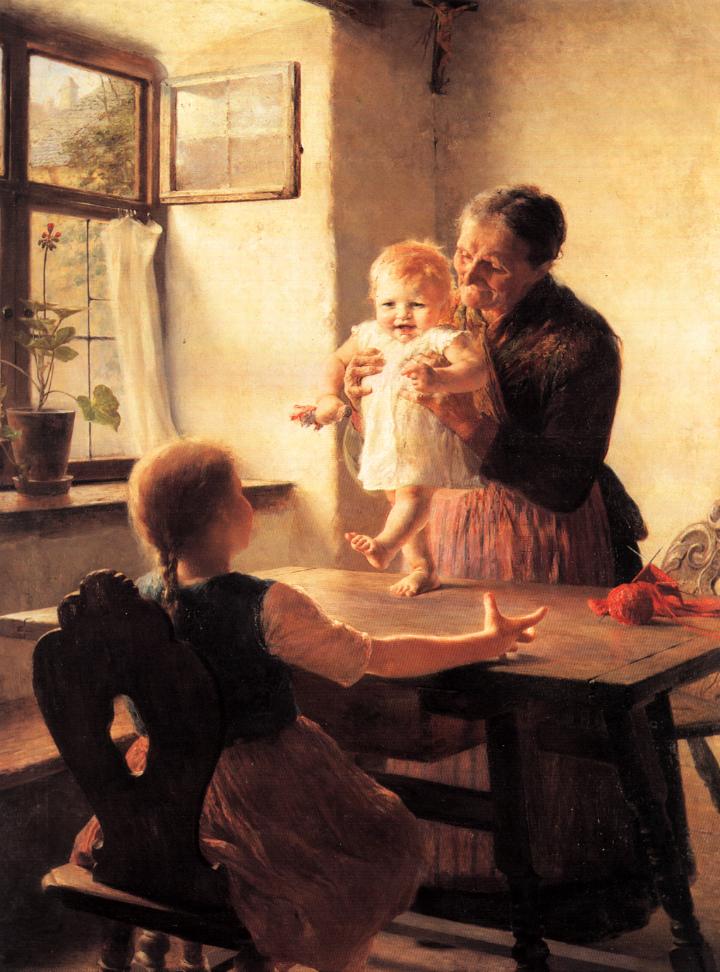
The label fits because early walking is often exactly that: a toddle. Young children at this age move with an unsteady gait as they practice balance, coordination, and control of their large muscles. Those early steps can look awkward, but they mark a huge developmental leap.
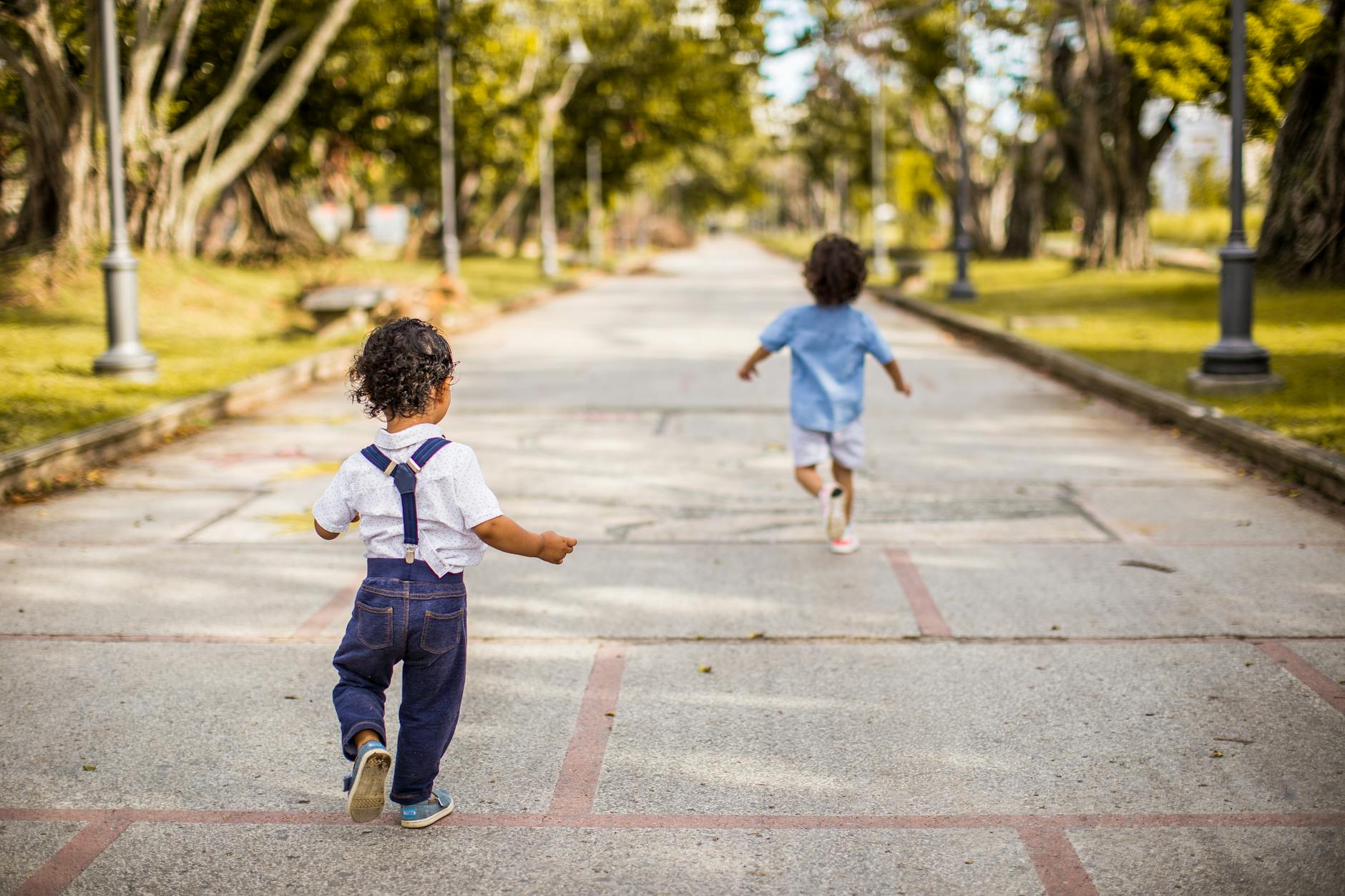
By around age two, many toddlers can do much more than wobble. They typically reach major milestones such as walking, running, climbing, and speaking in short phrases. In a very short span of time, a child goes from uncertain movement to active exploration. That shift is why the toddler stage can feel like a launch sequence: first the shaky takeoff, then sudden speed.
What Changes So Fast During the Toddler Years?
Toddler development is often described in several connected areas. These areas overlap constantly, which is why a child who is moving more, understanding more, and communicating more can seem to change almost by the week.
Physical growth
This is the most obvious category: an increase in size. But physical development is not only about getting taller or heavier. It also supports everything else toddlers are trying to do.
Gross motor skills
Gross motor skills are the abilities that use large muscles. These are what allow toddlers to walk, run, jump, and climb. When a child moves from toddling to racing across a room or trying to scale furniture, gross motor development is on full display.
Fine motor skills
Fine motor skills involve smaller muscles, especially those used in the hands and fingers. These abilities help toddlers feed themselves, draw, and manipulate objects. A child picking something up carefully or trying to use a spoon is practicing fine control.
Vision
Vision development includes the ability to see near and far and to interpret what is seen. It is not just about whether a child can look at something, but whether they can make sense of it.
Hearing and speech
This area includes hearing, receiving information, listening, understanding language, learning language, and using it to communicate. It covers both what a toddler understands and what they are able to say.
Social development
Social development is the ability to interact with the world through playing with others, taking turns, and fantasy play. Even simple games and shared attention are part of building these skills.
From First Steps to Fast Feet
One of the most striking things about toddlerhood is how quickly movement changes. At first, children may lower themselves to the ground in instinctive ways that are both practical and surprisingly stable. Young children often squat naturally when they want to get down to ground level. One- and two-year-olds are commonly seen playing in a squat with their feet wide apart and their bottoms just above the floor. Early on, they may still need to hold onto something to stand back up.
That small detail shows how development works: toddlers are constantly testing strength, balance, and body control. What begins as unstable walking gradually becomes running and climbing. The “toddle” phase does not last long, but it gives the whole age group its name because it is such a defining image.
Vocabulary Explosion: Another Kind of Takeoff
Walking may be the milestone people notice first, but language soon becomes just as dramatic.
A toddler’s first word often happens around 12 months, though that is only an average. After that, vocabulary usually grows steadily until around 18 months, when language often begins increasing rapidly. At this point, some toddlers may learn as many as 7 to 9 new words a day. Around this time, they generally know about 50 words.
By 21 months, toddlers often begin putting two-word phrases together, such as “I go,” “mama give,” or “baby play.” That may sound simple, but it represents a huge shift. The child is no longer only labeling people or objects. They are combining ideas to express action, desire, and relationship.
Before going to sleep, toddlers often engage in something called crib talk, a kind of monologue in which they practice conversational skills. It is a reminder that even when adults are not actively teaching, toddlers are still rehearsing language and building communication.
As speech develops, children become much better at making their wants and needs known. This is part of why the toddler years can feel so intense: a child who can move more and say more also wants more control.
Preferences, Independence, and the Rising Sense of Self
As vocabulary expands, toddlers usually show increased independence. They explore their surroundings and make their preferences known. That can mean choosing a toy, resisting help, or insisting on doing something their own way.
This growing independence is tied to emotional and psychological development. Toddlers are learning that they are separate beings from their parents. They are beginning to test boundaries and figure out how the world works.
One early sign of a major psychological gain is pointing. When a child points at something they want another person to notice, they are doing more than indicating an object. They are sharing attention. This usually happens before the first birthday and marks an important step in communication and awareness.
Another important milestone is self-awareness. Around 18 months, a child may begin to recognize themself as a separate physical being with their own thoughts and actions. One classic way of observing this is the rouge test. If a mark such as lipstick is placed on the child’s face and the child, when looking in a mirror, reaches to their own face rather than the reflection, that suggests self-recognition.
With self-recognition can come new feelings, including embarrassment and pride. These emotions help show just how much is changing beneath the surface during toddlerhood.
Why the “Terrible Twos” Happen
Toddlerhood is sometimes called “the terrible twos” because of the temper tantrums that often occur during this stage. Despite the nickname, the phase can begin as early as nine months depending on the child and the environment.
Tantrums often happen because toddlers have strong emotions but do not yet know how to express them the way older children and adults can. The immediate cause may be something physical, such as hunger, discomfort, or fatigue. It may also come from a desire for more independence and control.
This helps explain one of the central tensions of the toddler years: children are developing quickly, but not evenly. They may have the urge to do things on their own before they have the language, patience, or self-control to handle frustration smoothly.
The way adults respond matters. Communication from parents can either trigger a tantrum or help calm the situation. Sensitive, developmentally appropriate responses can make a difference during this emotionally intense stage.
Milestones Matter, but Timing Varies
It is useful to talk about milestones, but development does not unfold like a rigid checklist. It exists on a continuum, and there can be considerable differences between individual children. There is a wide range of what counts as normal development.
Experts note that there are milestones generally expected by certain ages and stages, but they also emphasize that children develop in their own time. Carers are advised not to worry too much if a child does not reach every milestone exactly on schedule. Premature birth or illness during infancy may slow development in a young child.
Research has found that markedly late achievement of developmental milestones can be related to intellectual or physical disabilities. More recently, studies have also suggested that earlier achievement of milestones may be associated, in general, with higher later intelligence. One study based on more than 5,000 children born in the United Kingdom in 1946 found that for every month earlier a child learned to stand, there was a gain of half an IQ point at age 8. Another study found a relationship between milestone achievement and intelligence in adulthood, including the age at which children could name objects or animals in pictures and when they could form a sentence.
At the same time, these findings should not be turned into pressure. Experts advise against rushing children through milestones as long as they are reaching them within a normal range.
The Toddler Stage in One Word
If one word defines this age, it may still be “toddle.” Not because toddlers stay unsteady for long, but because the word perfectly captures a transitional moment: the shift from babyhood toward a more independent child.
In just a couple of years, a toddler may go from wobbling through first steps to running, climbing, speaking in short phrases, showing preferences, recognizing themself, and testing the limits of their growing independence. The name begins with unsteady walking, but the story of toddlerhood is really about rapid takeoff.
Sources
Based on information from Toddler.
More like this
From toddle to takeoff, growing minds move fast — download DeepSwipe and keep pace with a fresh burst of knowledge every day.


