Full article · 7 min read
Toddler Squatting: Why Young Children Naturally Drop Into a Deep Squat
If you have ever watched a very young child play, you may have noticed a striking movement pattern: they can lower themselves smoothly from standing into a deep squat, stay there comfortably, and explore the world at ground level. It looks effortless because, for many toddlers, it is.
During the toddler years, roughly from ages 1 to 3, children go through major physical, cognitive, emotional, and social development. These years are famous for first steps and first words, but everyday body movements can be just as revealing. Squatting is one of those fascinating early movement behaviors.
What toddler squatting looks like
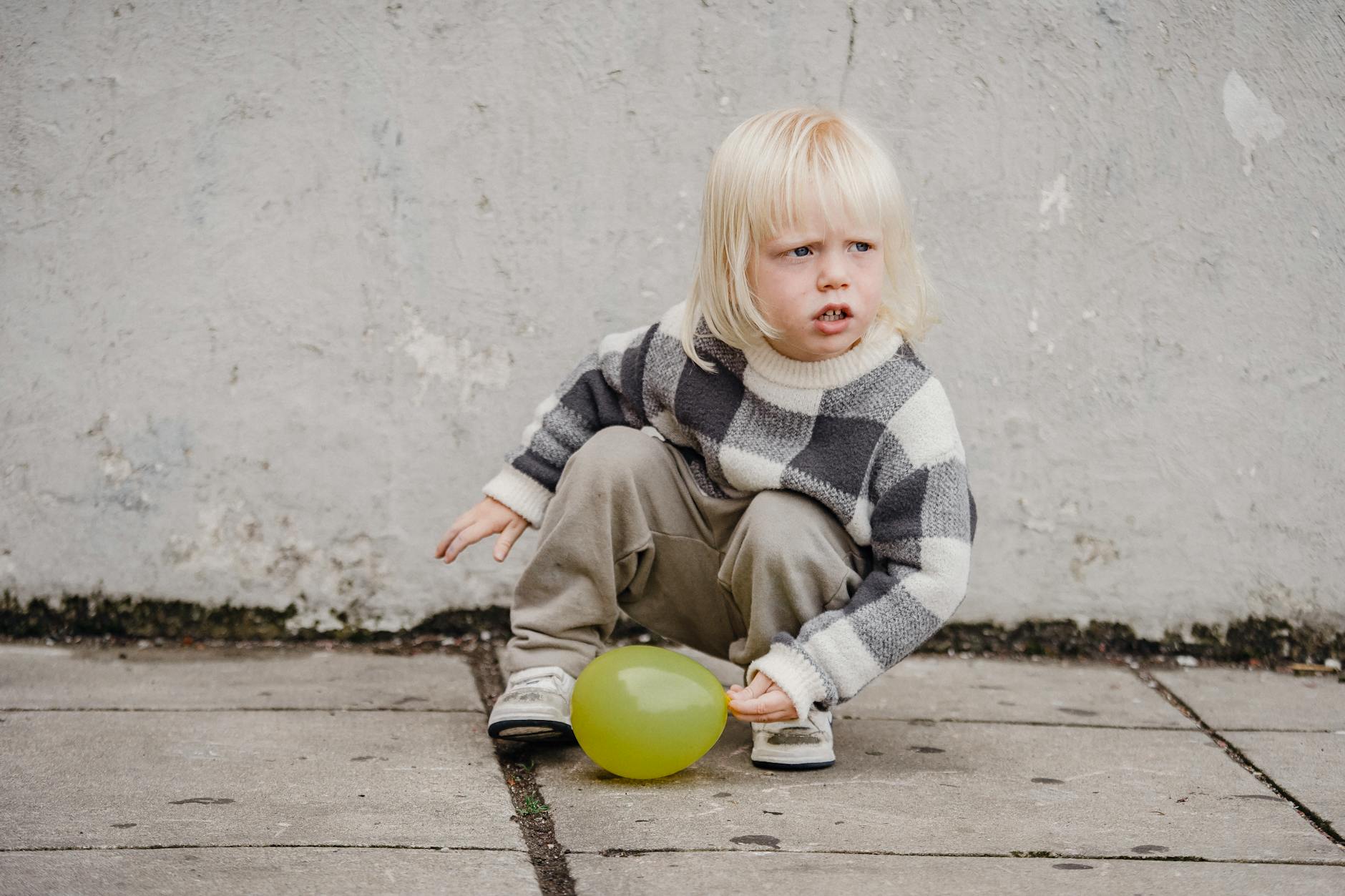
Young children instinctively squat as a fluid movement from standing whenever they want to lower themselves to the ground. Rather than awkwardly bending down or sitting immediately, they often drop into a balanced position that lets them stay close to the floor while remaining upright and engaged.
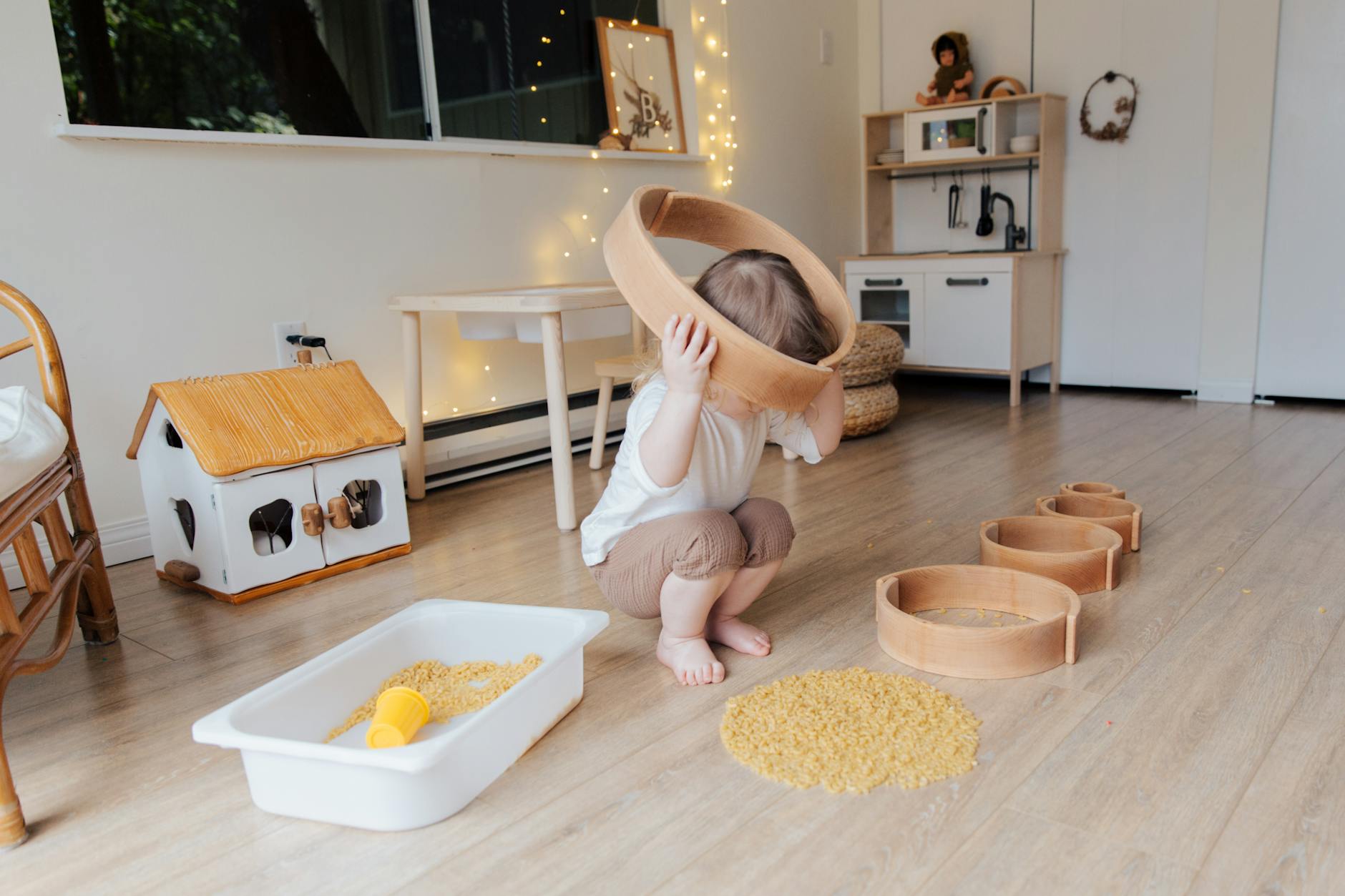
One- and two-year-olds are often seen playing in a stable squatting position with their feet wide apart and their bottoms not quite touching the floor. That wide stance helps create a broad base of support, making the position feel secure while they examine toys, reach for objects, or simply watch what is happening around them.
At first, getting down is easier than getting back up. Initially, toddlers may need to hold onto something in order to stand up again. That detail makes squatting a useful glimpse into early movement development: the child can manage the lowering phase and the balanced play position, but rising back to standing may still require support.
Why squatting matters in toddler development
Toddler development is often described across several interrelated areas, and squatting sits right at the intersection of some of the most important ones.
Gross motor development
Gross motor skills involve the control of large muscles that enable walking, running, jumping, and climbing. Squatting fits naturally into this category because it requires coordinated control of the legs, hips, and trunk. A toddler who drops into a squat and stays steady is practicing balance, posture, and controlled movement.
These are the same broad movement abilities that support many other milestones of early childhood. By age two, toddlers typically reach important physical milestones including walking, running, and climbing. Squatting may seem simpler than those headline-grabbing achievements, but it is part of the same growing system of body control.
Physical development
Physical development refers to growth or an increase in size, but it also provides the foundation for how a child moves through the world. As toddlers grow, they become better able to explore their surroundings and express increasing independence. The squat is almost a perfect movement for exploration: it gets a child close to the action without fully giving up mobility.
Fine motor and exploration
Fine motor skills involve controlling small muscles so toddlers can feed themselves, draw, and manipulate objects. While squatting itself is not a fine motor skill, it often creates the ideal position for using those smaller movements. A child in a squat can reach, pick up, inspect, and handle objects while staying stable.
A movement that matches toddler curiosity
The toddler years are marked by a strong drive to explore. Children at this age begin to show increased independence as they investigate their environment and make their preferences known. Squatting supports that independence beautifully. It allows toddlers to lower themselves to the level of toys, dirt, books, and all the tiny discoveries that fill their day.
This helps explain why the movement appears so naturally. It is not just about posture. It is a practical, repeatable way to interact with the environment during a stage when curiosity is exploding.
Why this movement is so recognizable in one- and two-year-olds
The image is familiar for a reason. One- and two-year-olds are often observed playing in this stable squat, and the position has a few clear features:
- feet set wide apart
- the body lowered close to the floor
- the bottom hovering rather than fully sitting
- hands free for play or light support
That combination creates both readiness and flexibility. A toddler can remain in place, shift weight, reach for something nearby, or prepare to stand again. Even when they still need help pulling back up, the squat itself is a sign of developing coordination.
Development happens on a continuum
Although developmental milestones are useful, toddler development does not happen in exactly the same way or at the same pace for every child. Development exists on a continuum, and there are considerable differences between individual children. There is a wide range of what may be considered normal development.
That matters when thinking about movement patterns like squatting. Some toddlers may seem very confident lowering themselves and rising again, while others may still need to hold onto furniture or a caregiver. Premature birth or illness during infancy may also slow down a young child’s development.
Medical experts point out that children develop in their own time, and carers are advised not to worry too much if a child does not reach every milestone at the exact expected moment. The key idea is that development unfolds progressively, with each new skill supporting the next.
Squatting and the bigger picture of milestones
Parents often pay closest attention to highly visible milestones such as walking and talking. Those are important, of course. A toddler’s first word often occurs around 12 months on average, and by around 18 months language may begin increasing rapidly. By 21 months, many toddlers start combining two-word phrases such as “I go” or “baby play.”
But quieter milestones matter too. The ability to point at something they want another person to notice shows major psychological gains. Self-awareness begins to emerge around 18 months, when a child may recognize that their mirror reflection is themselves. Emotional life also becomes more complex, which is one reason this period is associated with temper tantrums and growing independence.
Seen in that broader context, squatting is part of a larger story: toddlers are learning how to control their bodies, communicate their wants, and act as separate individuals in the world.
Independence, movement, and the toddler mindset
Toddlers often want greater independence and more control over the environment around them. They are discovering that they are separate beings from their parents and testing boundaries while learning how the world works.
Movement is a big part of that process. A child who can move from standing to a squat chooses their own level, their own activity, and their own focus. Even when the action looks simple, it reflects a toddler’s growing ability to act intentionally.
This is one reason everyday motion can be so interesting to observe. A squat during play is not only a physical act. It is also a sign of engagement, exploration, and emerging autonomy.
What “instinctive” means here
Calling toddler squatting instinctive does not mean every child will do it in exactly the same way every time. It means the movement appears naturally and fluidly in early childhood, especially when children want to lower themselves to ground level.
The motion is practical, efficient, and well suited to how toddlers play. They do not need a formal lesson to discover it. They simply use it because it works.
A small movement that reveals a lot
Toddler squatting may not get as much attention as first words or first runs, but it captures something essential about this stage of life. It shows developing gross motor control, supports hands-on exploration, and reflects the independence that becomes so noticeable in the early years.
Watch a toddler drop from standing into a wide, steady squat, hover just above the floor, and focus intently on play, and you are seeing more than a cute pose. You are seeing early movement development in action—one smooth, instinctive drop at a time.
Sources
Based on information from Toddler.
More like this
Drop into a knowledge squat and explore something new every day — download DeepSwipe now.