5 True Space Facts That Sound Completely Wrong
Could Saturn really float? Can 1500°C air feel cold? And could you cross a black hole’s point of no return without noticing? Discover five space facts that turn everyday intuition upside down.
5 Surprising Counter-Intuitive Space Facts
Space is full of facts that sound flat-out wrong at first glance: giant planets lighter than water, scorching air that wouldn’t feel hot, and black holes that can be strangely gentle. Here are five cosmic surprises that flip everyday intuition upside down and make the universe even more fascinating.
1. Saturn: The Giant Planet That Could Float
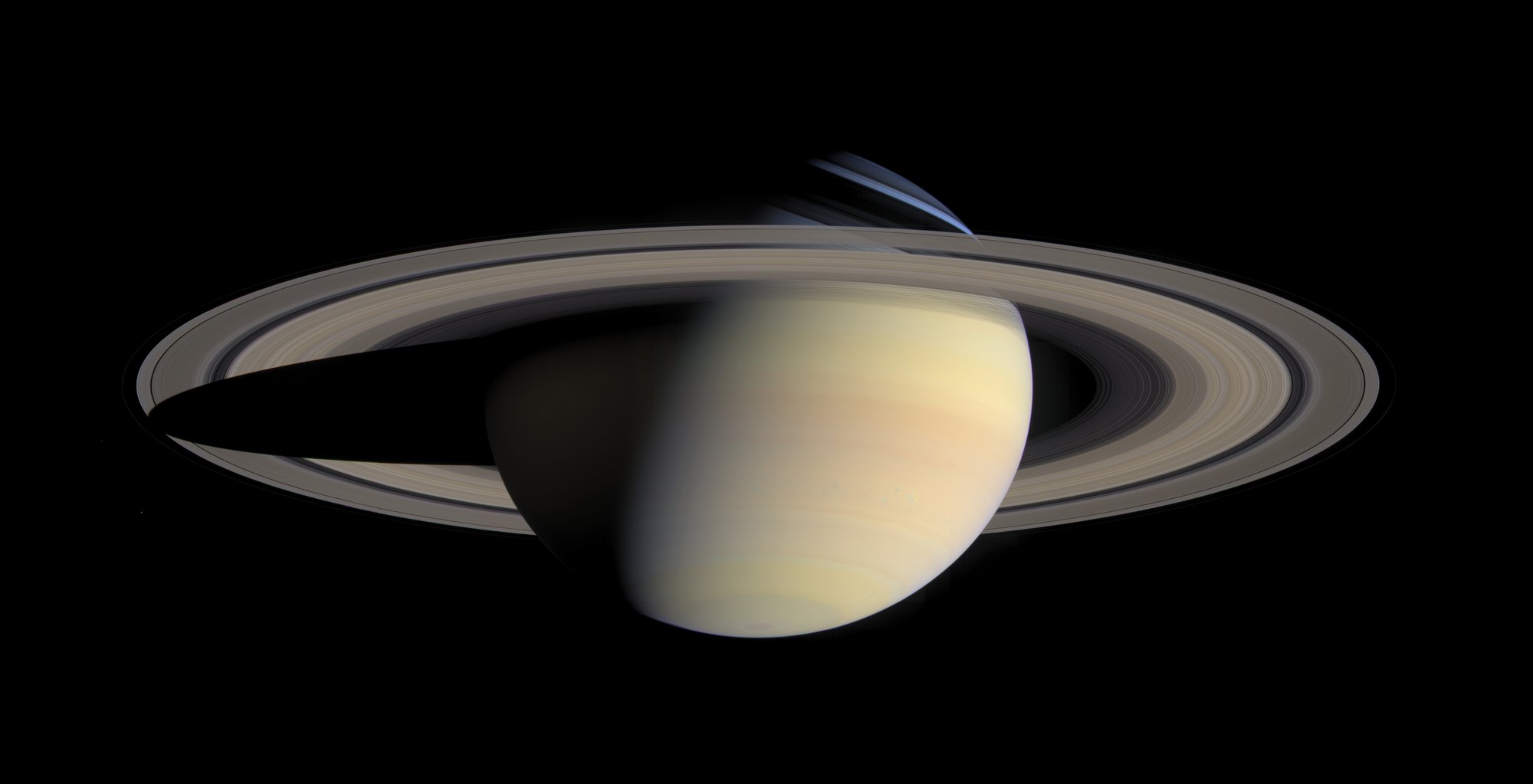
Saturn looks like the heavyweight of the Solar System, but it hides a wildly counter-intuitive secret: on average, it is less dense than water. If you could imagine an absurdly large bathtub, Saturn would technically float. That is because the planet is made mostly of hydrogen and helium, not dense rock, and its average density is just 0.69 grams per cubic centimeter. It also spins so fast that it bulges at the equator, making it noticeably flattened. The twist? Lightweight does not mean weak. Saturn’s gravity is still fierce, and escaping it would require astonishing speed.
2. The Bigger the Black Hole, the Gentler the Edge
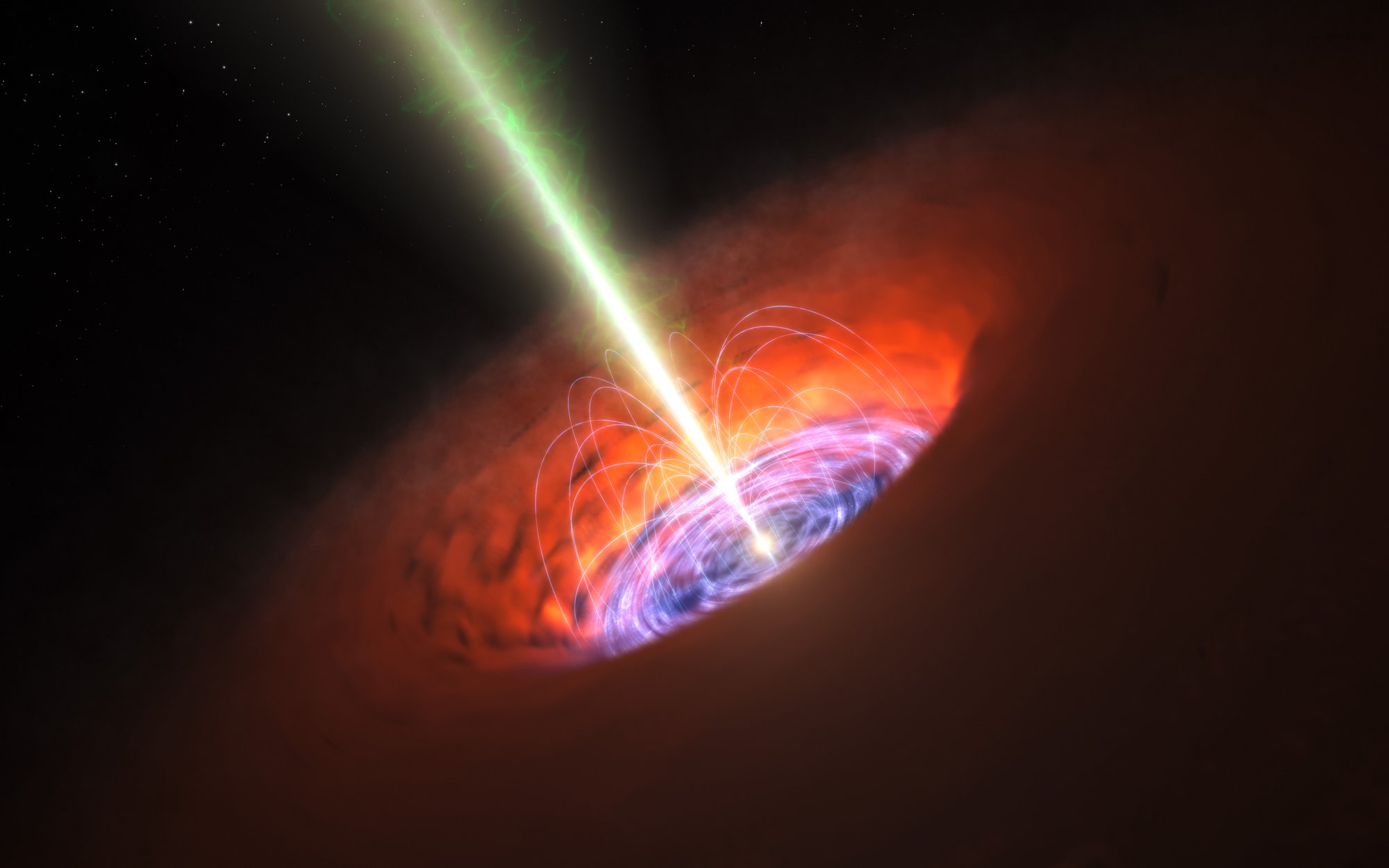
Black holes are supposed to be the ultimate cosmic death traps, but supermassive ones break that expectation in a strange way. At the event horizon of a 10-million-solar-mass black hole, the stretching force between your head and feet could be about as mild as what you experience on Earth’s surface. That is because tidal forces at the edge actually get weaker as black holes get bigger. Even stranger, the average density inside a supermassive black hole’s event horizon can be lower than water. These monsters are not just huge—they show that in space, bigger can mean gentler, and even less dense.
3. The Sun’s Core Is Weirdly Low-Power
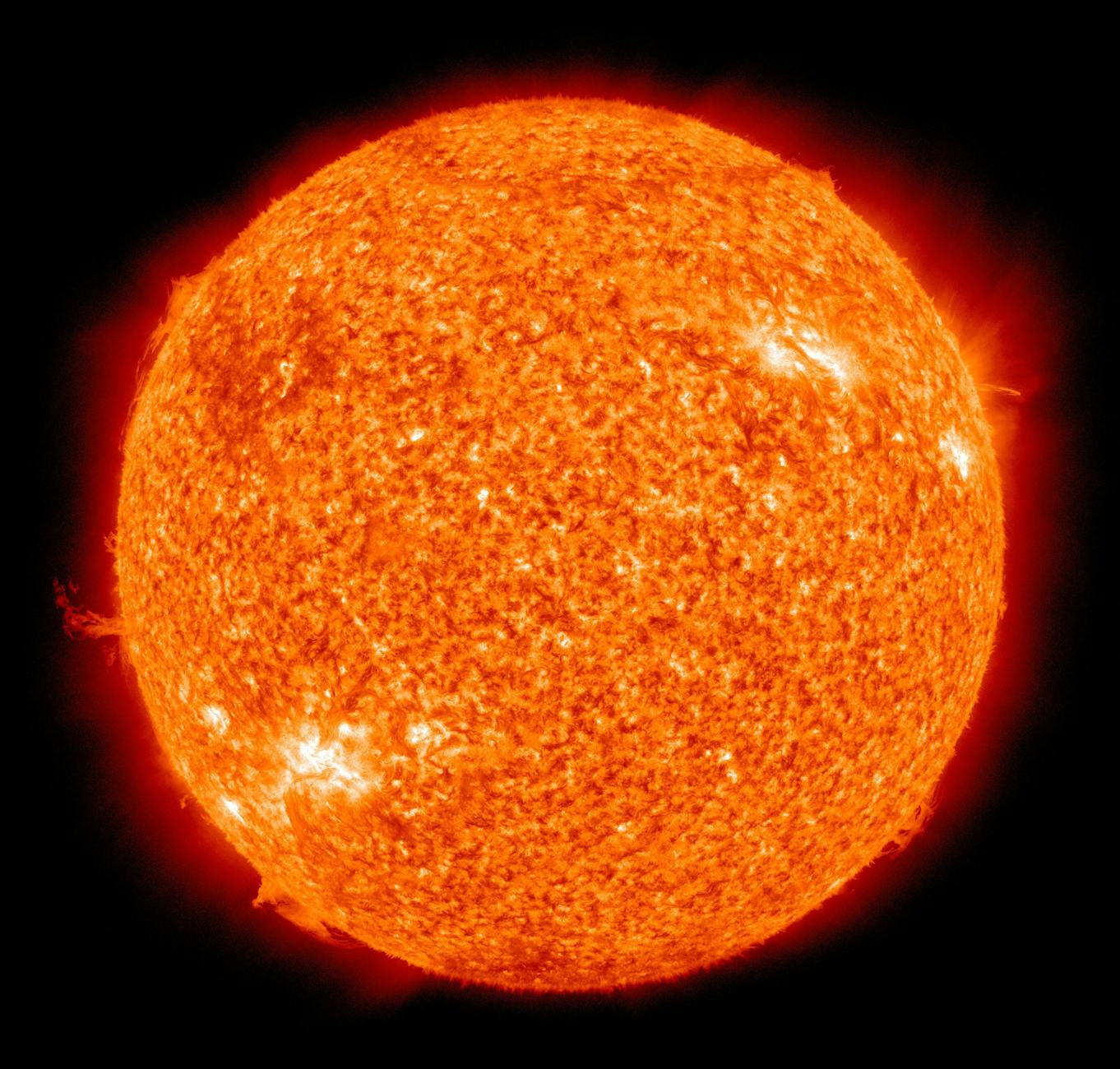
The Sun fuses about 600 billion kilograms of hydrogen every second, turning roughly 4 billion kilograms of matter into energy. That sounds unimaginably violent—and it is on the whole. But here is the surprise: the Sun’s core does not produce energy at some explosively intense rate in every tiny patch. Its peak power density is only about that of a compost pile. The Sun shines so brilliantly not because each bit of its core is extreme, but because the fusion region is enormous and packed with matter. Even better, this nuclear engine is self-correcting, helping the Sun stay stable for billions of years.
4. Air Can Be 1500 °C and Still Not Feel Hot
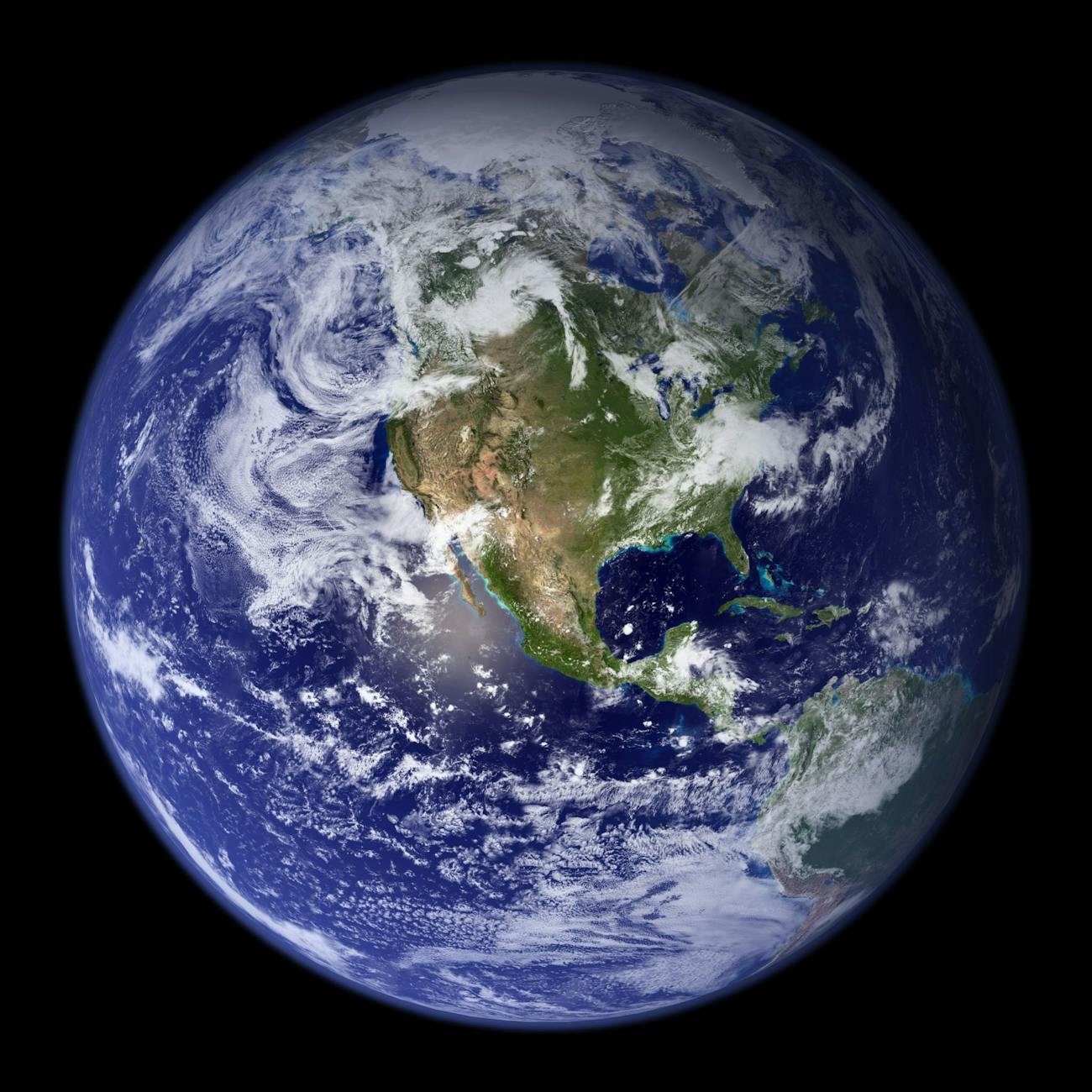
We usually think high temperature means intense heat, but Earth’s thermosphere shows that this is not always true. In this upper layer of the atmosphere, temperatures can reach around 1500 °C—yet a person there would not feel roasted. Why? Because the air is so thin that its molecules rarely collide with your skin, so very little heat actually transfers. In fact, an oxygen molecule can travel about 1 kilometre between collisions. This is the same strange region where auroras shimmer and where the International Space Station orbits, proving that “hot” in space does not always mean what we expect.
5. You Could Cross a Black Hole’s Point of No Return Without Feeling It
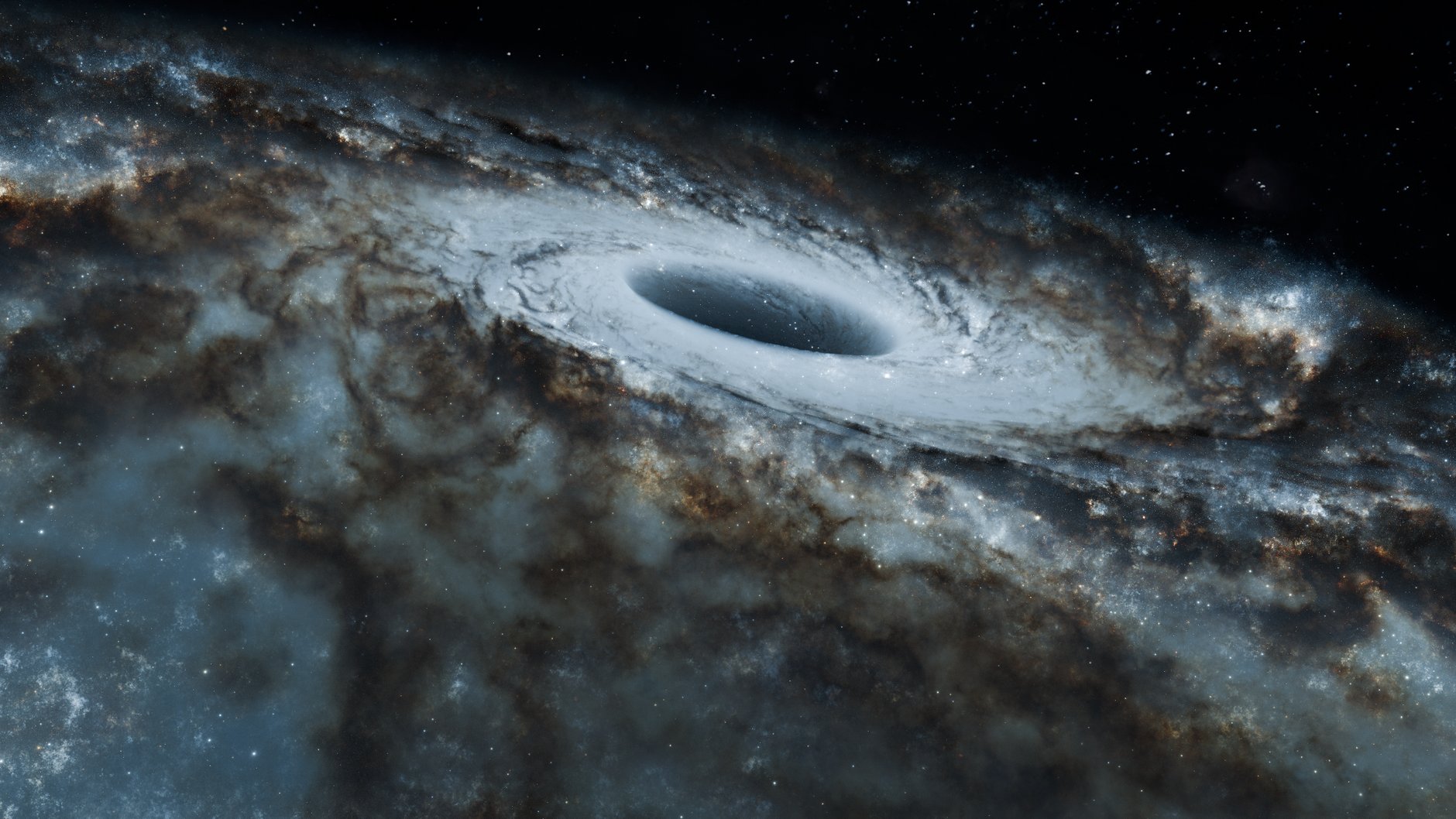
The event horizon sounds like it should be a dramatic cosmic barrier—but according to general relativity, crossing it would not feel like hitting a wall, seeing a flash, or passing a marked line. Locally, nothing special happens at that instant, even though escape has become impossible. From far away, however, another observer would see you slow down, redden, and fade from view near the horizon. Inside, spacetime itself acts like a one-way flow, carrying everything inward. It is one of the strangest ideas in physics: a boundary that changes everything, while giving you no immediate signal that you crossed it.
Enjoy bite-sized learning? Try DeepSwipe.