5 Roman History Facts That Sound Fake but Are True

5 bizarre-but-true Roman history facts, from Caligula’s pampered horse to naval battle spectacles, urine taxes, masters serving slaves, and Vestal punishments.

historyancient rome

5 Roman History Facts That Sound Fake but Are True

Ancient Rome is remembered for empire, engineering, law, legions, and marble monuments, and rightly so. But one of the reasons Roman history is so fascinating is that the strange details survived too.

Alongside the temples, senators, generals, and philosophers, we also find urine taxes, staged naval battles, masters serving their slaves, and an emperor who wanted to make his favorite horse a government official.

Here are five Roman history facts that sound completely invented, but are rooted in the real ancient world.

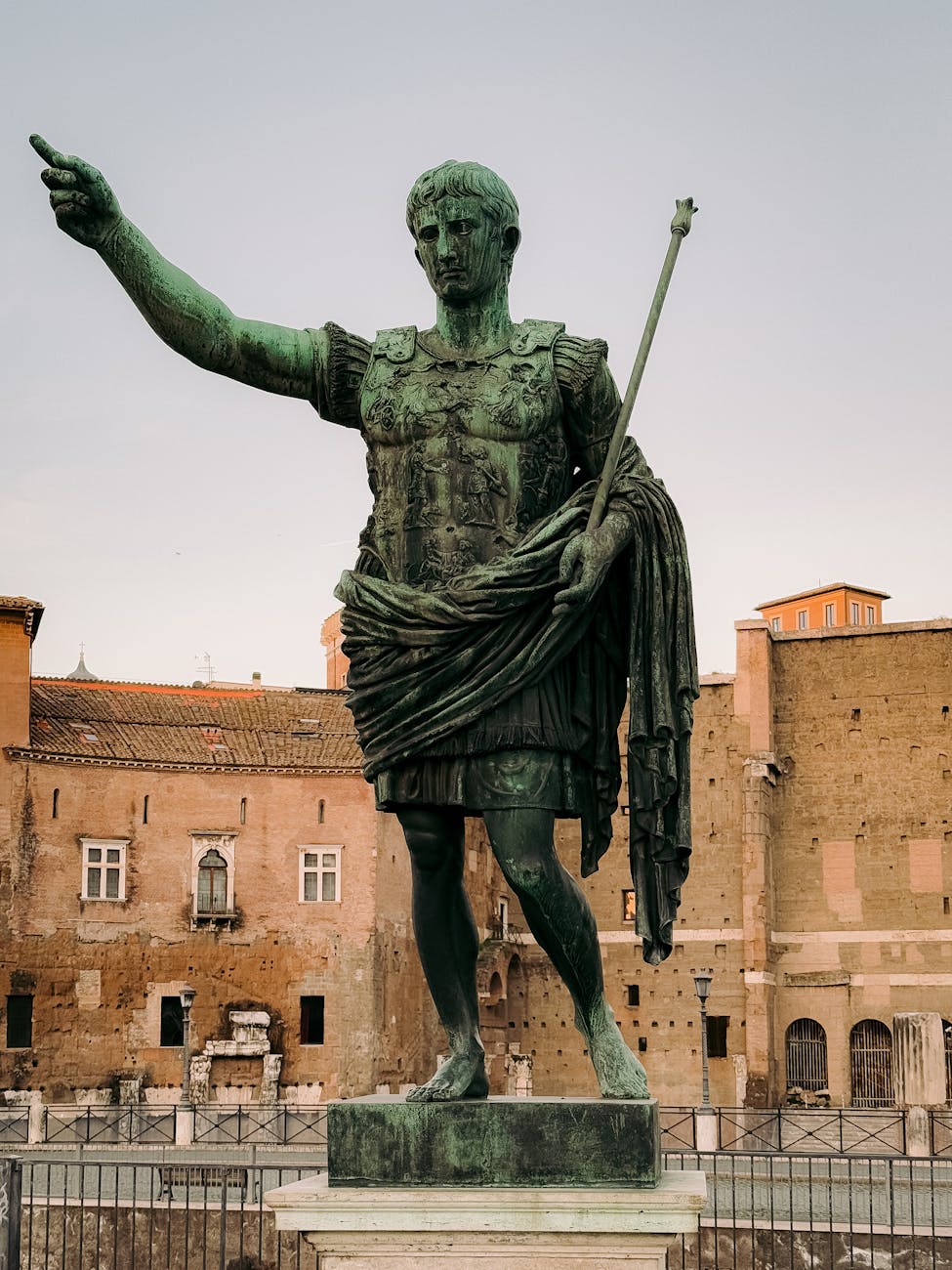
1. Rome taxed urine because it was useful

Yes, ancient Rome had a urine tax.

Urine was valuable because it contains ammonia, which made it useful in industries such as tanning, wool production, and laundry. Roman launderers used it to help clean and whiten clothing, including woollen togas.

The tax was first imposed by Nero and later revived by Emperor Vespasian around AD 70. According to Suetonius, when Vespasian’s son Titus complained that the tax was disgusting, Vespasian held up a coin and asked whether it smelled bad. Titus said no. Vespasian replied, essentially: “And yet it comes from urine.”

That story gave us the Latin phrase pecunia non olet — “money does not stink.”

The emperor who taxed peePecunia non olet: Why Romans Taxed Urine

2. Caligula’s favorite horse was treated like a Roman aristocrat

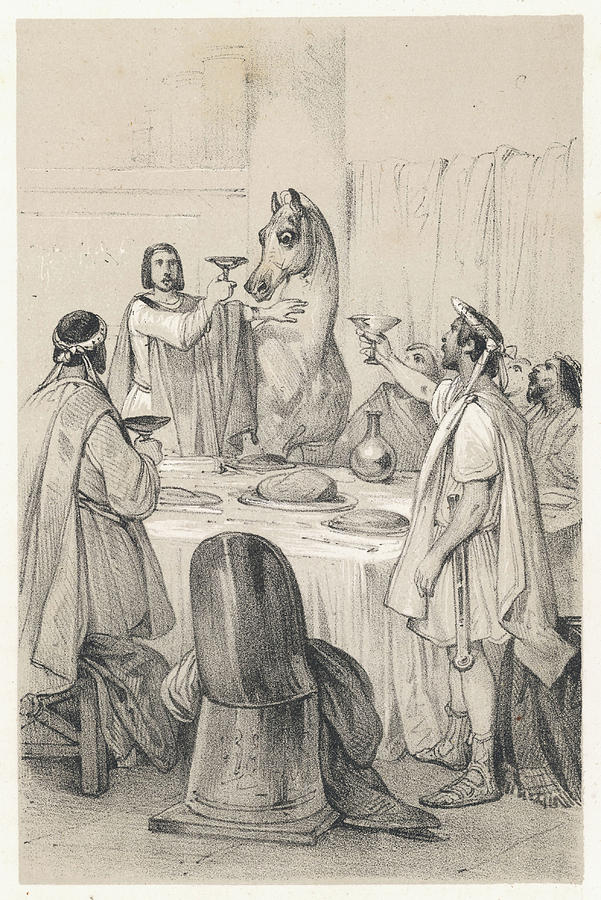
The Roman emperor Caligula had a favorite horse named Incitatus, and ancient sources claimed the animal lived better than most humans.

According to stories preserved by Roman writers, Incitatus had a marble stable, an ivory manger, purple coverings, and a collar decorated with precious stones. Caligula was even said to have planned to make the horse a consul, one of the highest political offices in Rome.

That last part needs a careful caveat: Incitatus did not actually become consul. Even Wikipedia’s article notes that ancient sources are clear this never happened. The more accurate version is that Caligula allegedly planned it, joked about it, or used the idea to insult the Roman Senate — basically implying that a horse could do their job.

Still, the fact that we have ancient Roman sources discussing an emperor’s horse as a near-political figure is wild enough.

The Horse Rome Never ForgotIncitatus: Caligula’s Horse and the Consul Legend

3. Romans staged full naval battles as public entertainment

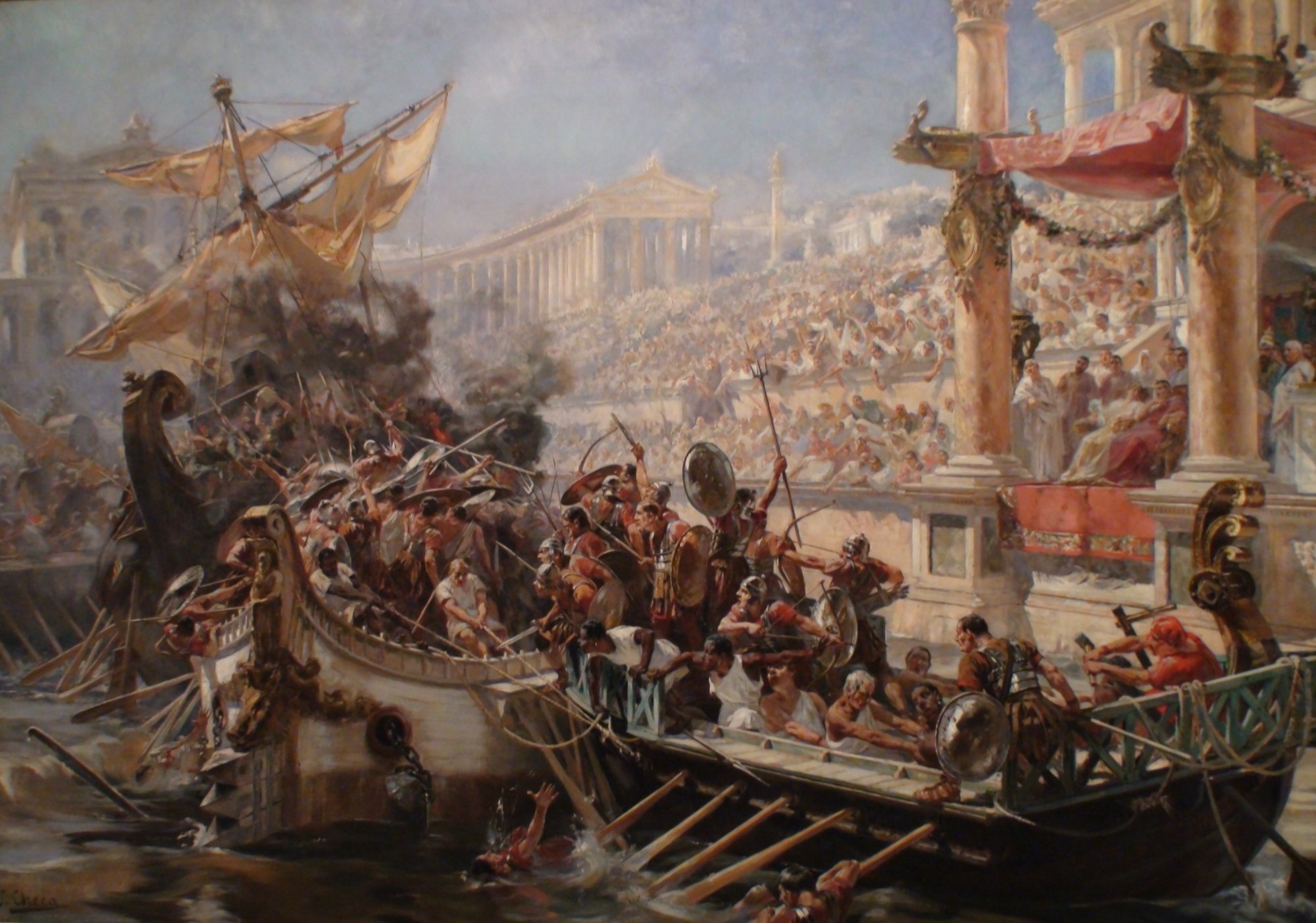
Gladiators were not the only spectacle in Rome. The Romans also staged naumachiae — mock naval battles performed for huge crowds.

These were not tiny symbolic reenactments with toy boats. Ancient sources describe real water, real ships, and combat staged as mass entertainment. Some naumachiae were held in specially built basins, while ancient writers also describe water spectacles in amphitheatres, including events associated with Nero and Titus.

There is still debate about the engineering details, especially when it comes to how amphitheatres could be filled and drained quickly. But the broader fact is real: Roman audiences could watch staged naval warfare the way modern crowds might watch a stadium show.

Imagine going to a sports arena and finding out the field had been turned into a temporary lake for a battle. Rome was extra like that.

Rome Flooded the ArenaNaumachia: Ancient Rome's Mock Naval Battles

4. Rome had a festival where masters served dinner to their slaves

For most of Roman history, society was brutally hierarchical. Masters commanded, slaves obeyed, and social rank shaped almost every part of daily life.

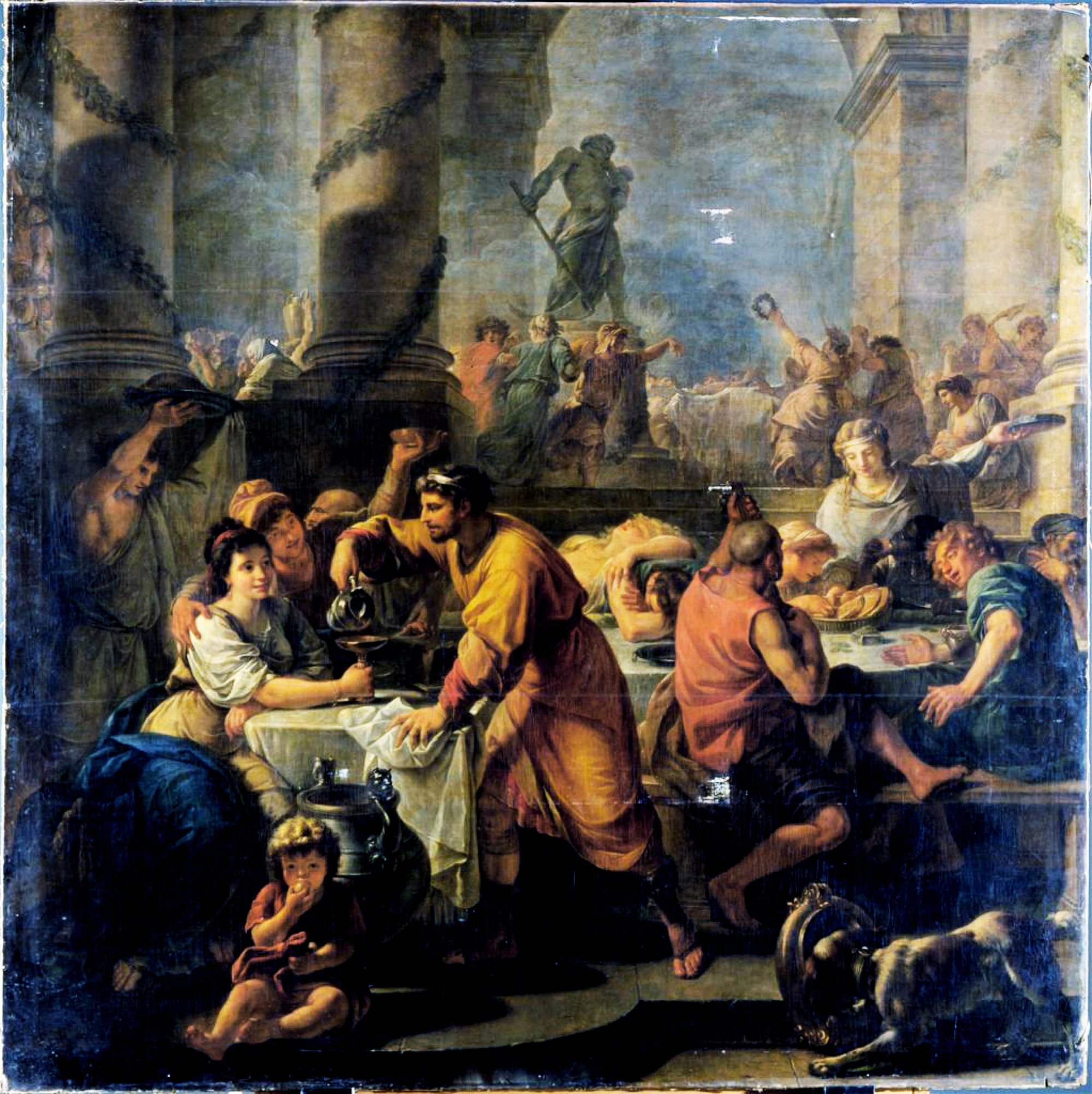
But during Saturnalia, Rome’s famous December festival, those rules were temporarily turned upside down. The holiday honored the god Saturn and was marked by feasting, gift-giving, gambling, drinking, and a carnival-like atmosphere where normal social rules were relaxed.

One of the strangest traditions was role reversal. Ancient sources suggest that enslaved people could enjoy unusual freedoms during the festival, including speaking more freely, joining the celebrations, and being served at dinner by their masters.

It was not a revolution. The social order came back as soon as the festival ended. But for a few chaotic days each year, Rome allowed a controlled version of the impossible: masters waiting on slaves.

The Roman Holiday That Flipped the RulesSaturnalia: Rome’s Festival of Reversal

5. Vestal Virgins could be buried alive as punishment

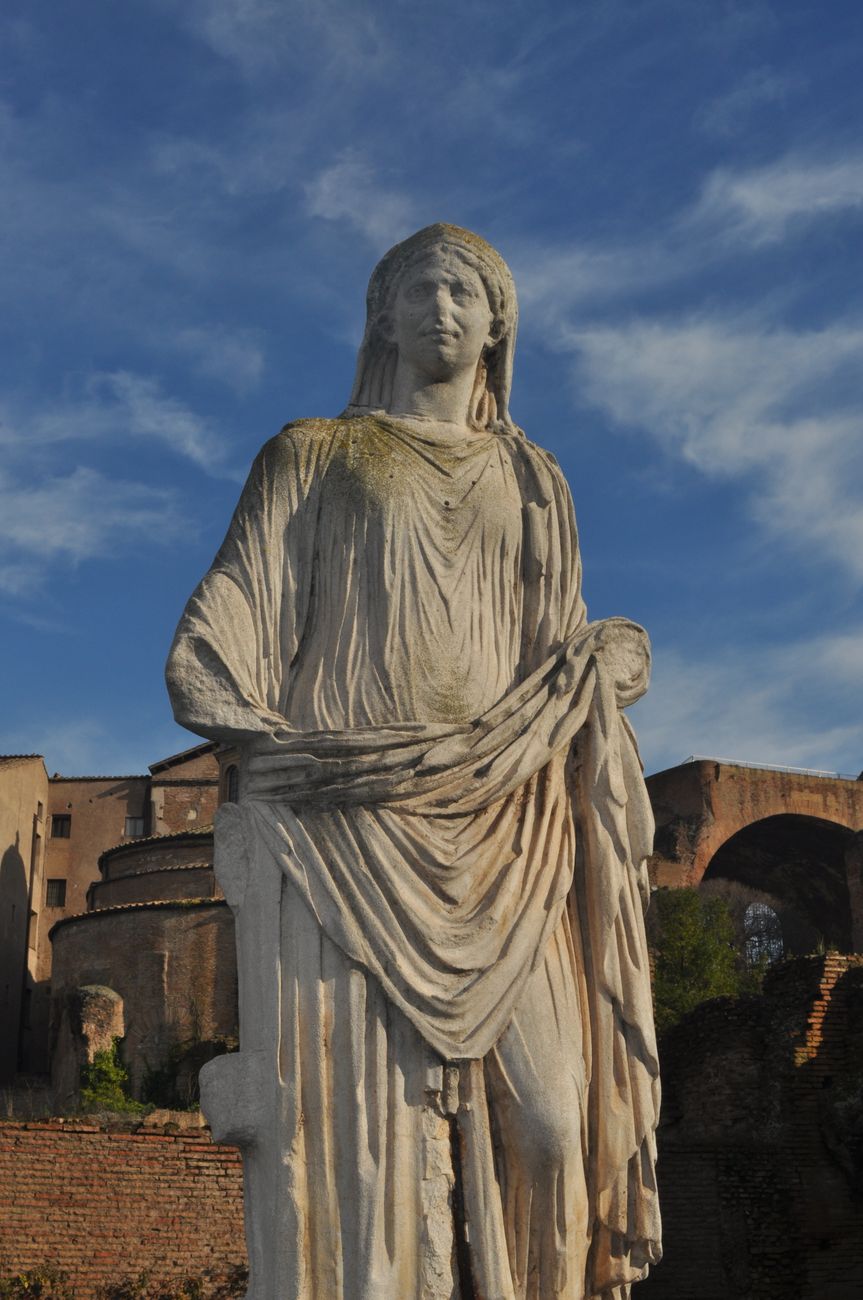
The Vestal Virgins were priestesses of Vesta, goddess of the hearth. Their role was sacred, prestigious, and deeply tied to Rome’s sense of divine protection. They tended the sacred fire of Vesta, and their chastity was treated as a matter of public importance.

If a Vestal allowed the sacred fire to go out, she could be whipped. But if she was found guilty of breaking her vow of chastity, the punishment was far more horrifying: she could be buried alive.

The logic was grimly religious and legalistic. Roman tradition avoided directly spilling the blood of a Vestal, so the condemned woman was placed in an underground chamber and left there. Her alleged partner, if known, could be publicly beaten to death.

Thankfully, these cases were rare. Most Vestals served their terms with enormous respect and could retire with privileges. But the punishment itself was real — and it shows just how seriously Rome connected religion, politics, and public safety.

Chosen as childrenVestal Virgins of Ancient Rome

Final thought

The strangest thing about Roman history is not that Romans were irrational or cartoonishly cruel. It is that their world ran on a completely different set of assumptions.

A horse could become a political insult. A stadium could become a lake. Urine could be taxable industrial material. Citizenship could be expanded across an empire. A priestess’s private life could be treated as a matter of state security.

Rome feels familiar because it gave us roads, laws, cities, and political language we still use. But then you look closer and remember: this was also a civilization where “money does not stink” started as a joke about taxing pee.

← Back to Blog

Enjoy bite-sized learning? Try DeepSwipe.