Too Good to Be True
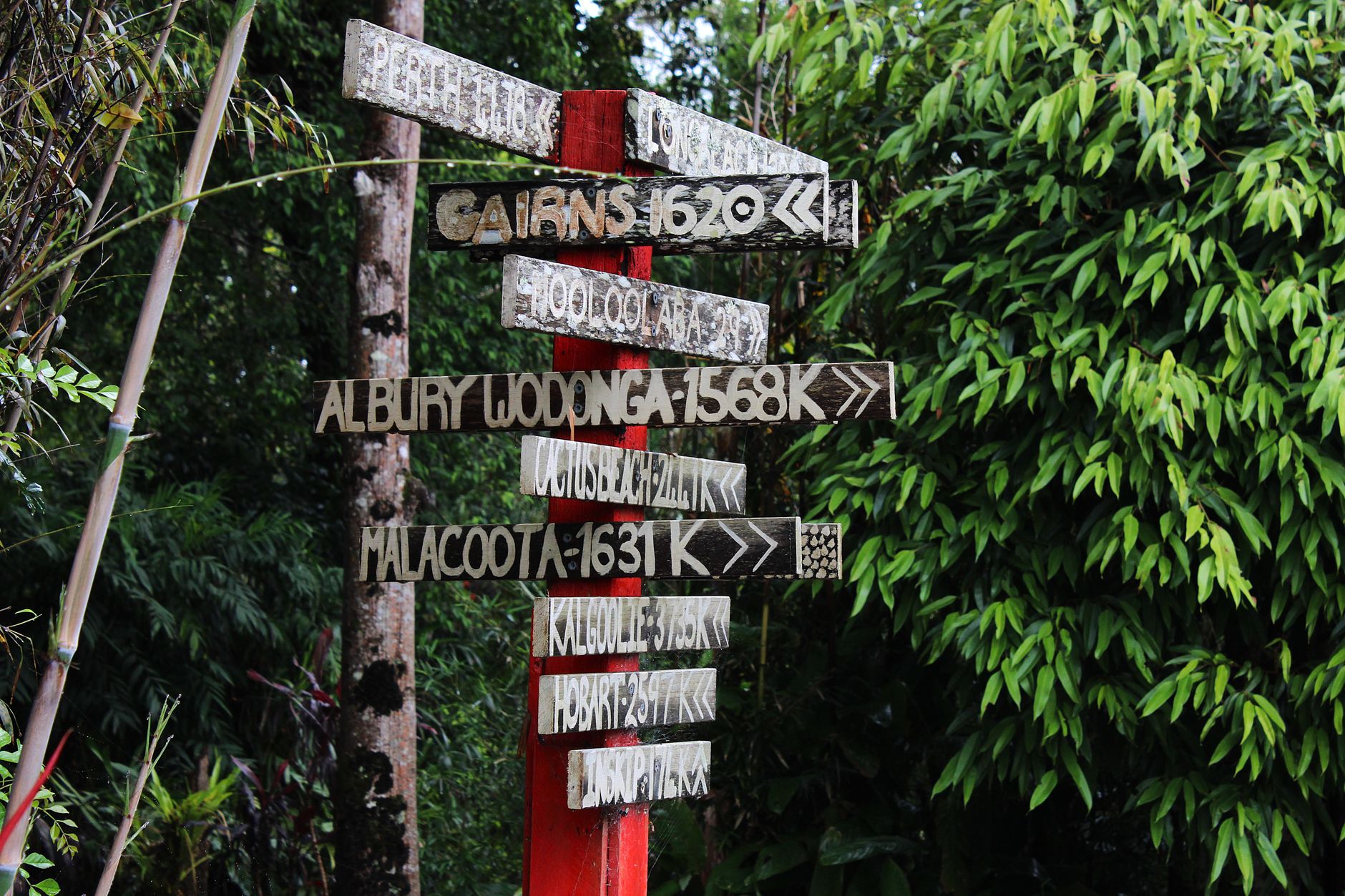
Scan tourist brochures and local histories and a pattern appears: an uncanny number of Aboriginal place names are said to mean “pretty,” “beautiful view,” or “resting place.” It sounds idyllic—perhaps a little too idyllic.
The article hints at this with a raised eyebrow, calling out the “suspicious number” of such translations.
Lost in Translation, Found in Fantasy
Why suspicious? Because genuine language rarely sorts itself into neat, postcard‑friendly meanings on command. Instead, this repetition suggests that European translators may have smoothed over complexity, or simply invented comforting meanings that matched their own romantic views of the landscape.
Faced with unfamiliar words and incomplete dictionaries, some settlers and later writers may have reached for the safest, prettiest guess. Over time, these guesses hardened into local lore.

When the Story Replaces the Word
Once a translation like “resting place” appears in guidebooks and signage, it begins to overshadow the original context. Tourists repeat it. Locals teach it. The story becomes the meaning—even if the actual Indigenous word might once have referred to something entirely different: a species of plant, a ceremonial site, a descriptive feature.
Whose Landscape Is This?
These romantic renderings tell us less about Aboriginal languages and more about how Europeans wanted to see the land: peaceful, picturesque, ready to be admired and possessed.
Behind the gentle words, though, lie deeper, more complex stories waiting to be recovered—stories that might speak of law, kinship, danger, or survival, rather than just a nice place to sit and enjoy the view.