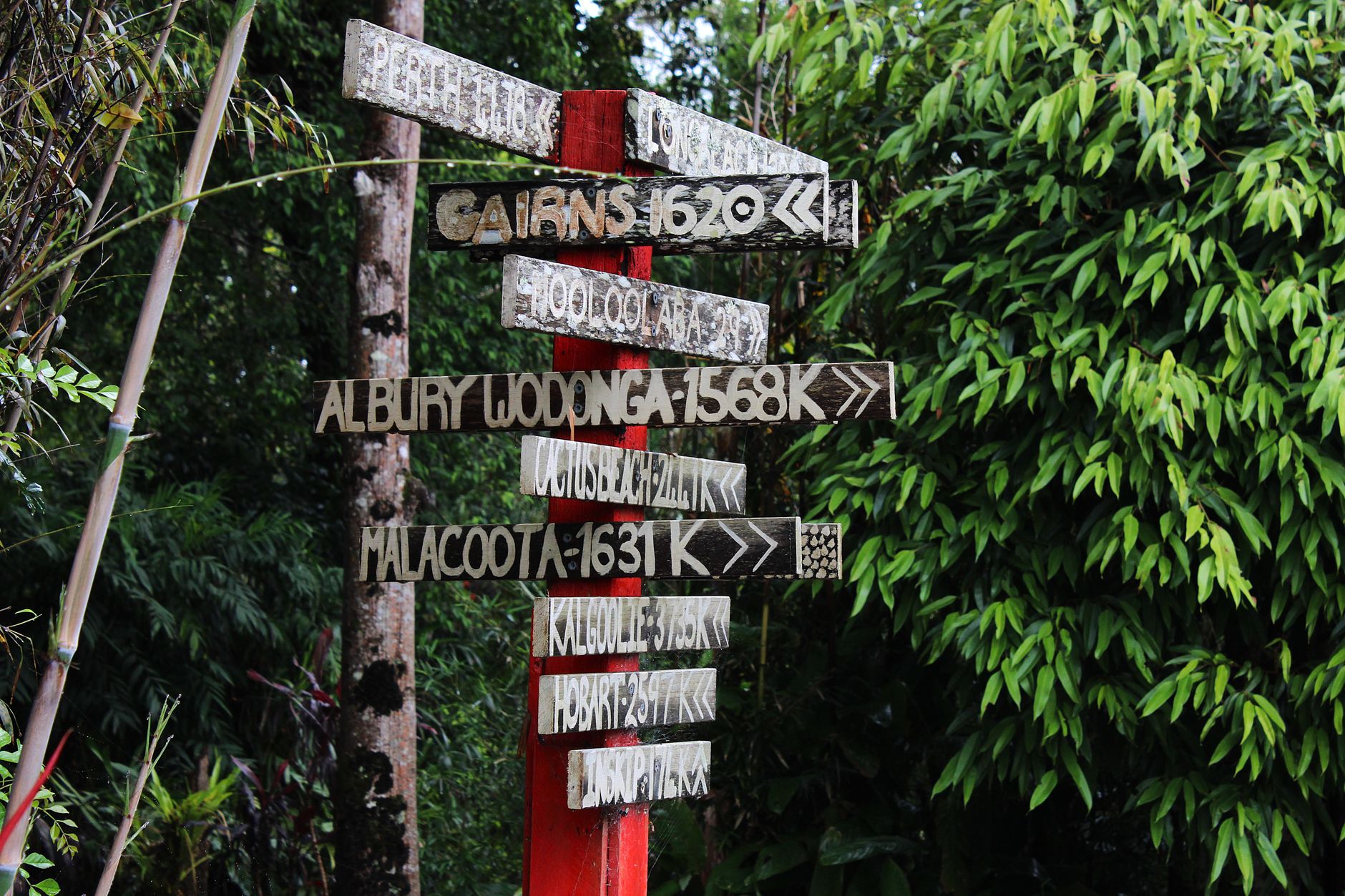
Ancient Words on Modern Roads
Drive across Australia and you move through a spoken archive. Highway signs, dam walls, and desert maps are etched with names that echo Aboriginal languages, even as trucks roar past and power lines hum.
Naming the Wide Open
Vast natural features still carry Aboriginal-derived names. The Tanami and Tirari Deserts, for example, show how Indigenous words mark some of the continent’s most remote and formidable landscapes.
Cave systems like Bungonia, Jenolan, and Yarrongobilly extend this pattern underground, their Aboriginal names tied to deep, hidden spaces.
Water infrastructure, too, bears these echoes: dams such as Burrinjuck, Burrendong, Eucumbene, Tantangara, and Wyangala all wear Aboriginal-derived names. Every time these reservoirs appear in weather reports or drought briefings, Indigenous words slip into national conversation.

The Kamilaroi Highway and Beyond
Then there are the roads that stitch the country together. Kamilaroi Highway invokes one of Australia’s major Aboriginal language groups. The Oodnadatta Track, Warrego Highway, and routes like Maroondah Highway, Namitjira Drive, and Tuggeranong Parkway carry Aboriginal words into the language of truckers, commuters, and GPS devices.
Even suburban arteries—Ballambur Street, Ginninderra Drive, Gungahlin Drive, Yamba Drive—keep older sounds alive in newer suburbs.
Everyday Encounters with Deep Time
Most people who say these names each day may not know their origins. Yet each utterance is a small act of continuity. Indigenous words, sometimes filtered through colonial ears, have become embedded in the way Australians describe distance, direction, and place.
In this way, the infrastructure of a modern nation doubles as a vast, unintentional monument to the languages that preceded it.