Not Everything That Sounds Aboriginal Is
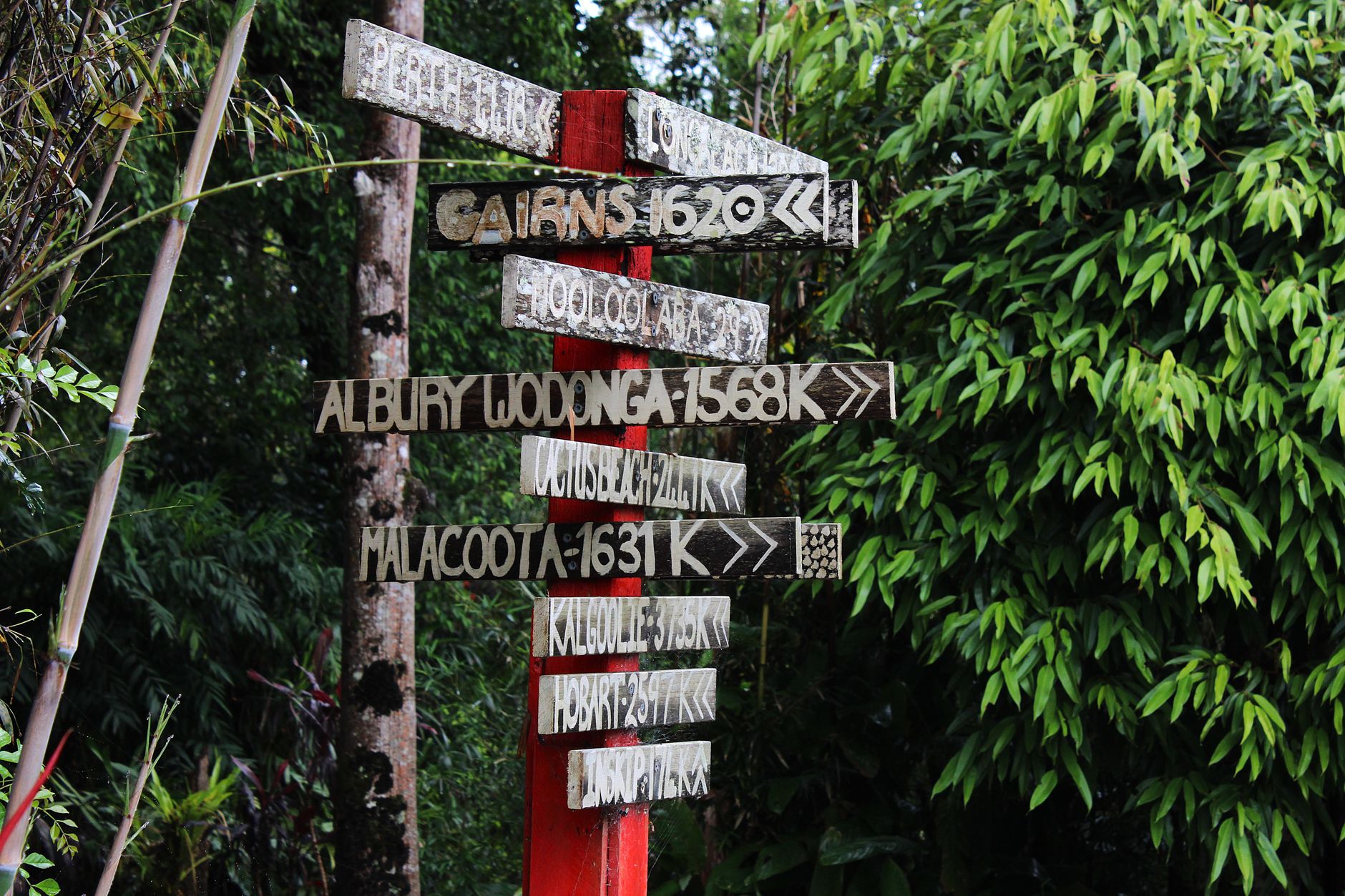
Across Australia, names that feel distinctly “Aboriginal” sometimes turn out to be anything but. The assumption is powerful: if it’s unusual and not obviously English, people often slot it into the Aboriginal basket.
The reality is messier—and more interesting.
Aramac, Bellingen, Wangara: Names with Double Lives
Take Aramac. It might sound like a word from local country, but it’s actually a corruption of the name Robert Ramsey Mackenzie, a premier of Queensland. His surname was gradually squeezed and reshaped until it looked like an Indigenous word.
Bellingen, another example, echoes three towns in Germany that share the same name. On Australian soil, though, many would instinctively file it under “Aboriginal place names” simply because it doesn’t resemble standard English.
Even Wangara is a linguistic hybrid, formed from parts of Wanneroo and Gnangara—European administrative logic disguised in Aboriginal‑sounding syllables.
When Origins Get Blurry
Other names sit in a fog of uncertainty. Watanobbi might come from the Japanese surname Watanabe or from a description of a hill. Bruthen appears in Celtic and Cornish contexts, meaning “striped,” “checked,” or “freckled,” yet its Australian usage invites people to read it as Indigenous.
Add to that names like Bodalla (“boat alley”), Narrabeen (“narrow bean”), and Ulladulla (“holey dollar”), which are believed to be corruptions rather than pure Aboriginal words.
Why the Confusion Matters
These misattributions are more than trivia. They show how national stories about Aboriginal presence can be inflated or distorted by guesswork. To really honour Indigenous languages, it isn’t enough for a name to merely sound Aboriginal. Its history has to be known, checked, and told honestly.