More Than a Postcode
In many Aboriginal societies around Sydney at the time of first contact, country didn’t just describe where you lived. It helped define who you were.
Watkin Tench noticed that tribal names were often built directly from the names of place. Cemeeragal, he explained, meant “the men who reside in the bay of Cameera.” Cadigal described those from the bay of Cadi. The link between land and people was so tight that geography functioned almost like a family name.
Names as Living Maps
Place names such as Parramatta, Gweea, Cameera, Cadi, and Memel weren’t mere labels on a map. They were anchors for relationships, responsibilities, and histories. When you spoke a tribal name, you evoked water, wind, fishing grounds, and campsites—a whole web of life.
In this way, language turned the coastline into a series of living coordinates. Each name carried both a physical location and a community that belonged to and cared for that spot.

Identity, Compressed into a Word
For British newcomers used to surnames and titles, this way of naming might have seemed exotic. But it reveals a profoundly local sense of identity: to name the people by their country is to state that they and their land are inseparable.
What Survives on Today’s Signs
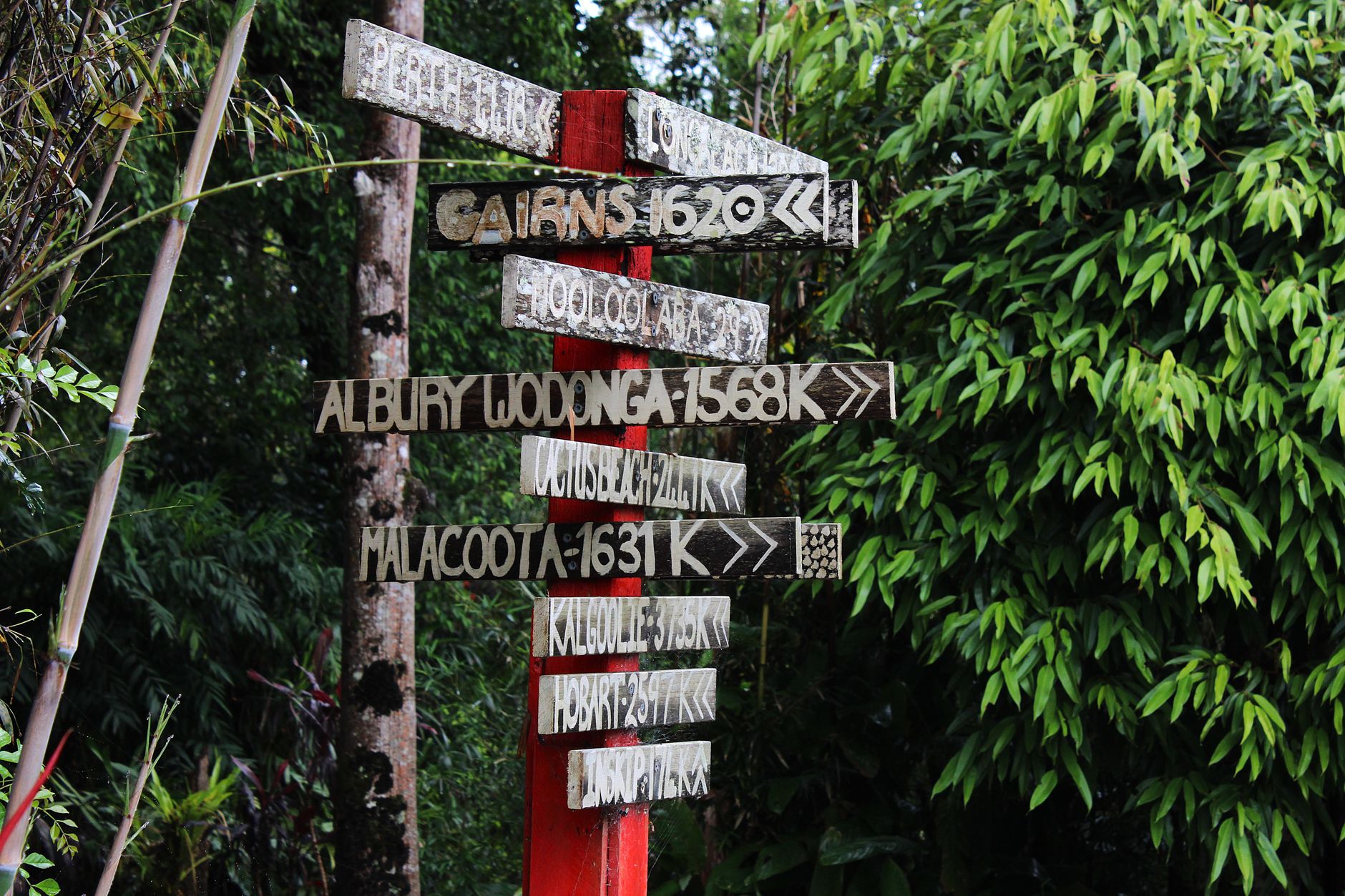
Modern Sydney still bears traces of these ancient ties in names echoing across suburbs, rivers, and headlands. While many original relationships to country were disrupted by colonisation, the logic behind those names—people defined through place—still whispers from every signpost that carries an old word into the present.