Wiki Summaries · List of Australian place names of Aboriginal origin

Mellifluous Words: Tench’s First Impressions of Language

An 18th‑century officer arrives in Sydney expecting harsh “barbarous” speech, only to be disarmed by the music and structure of Aboriginal names.

historyculture
XFacebook

A Surprising Earful in 1788

When the First Fleet dropped anchor in 1788, British officers carried more than soldiers and convicts to the shores of what is now Sydney. They also brought a host of assumptions—none more telling than what they expected Indigenous language to sound like.

Watkin Tench, one of those officers, admitted he and his peers were “at first inclined to stigmatise this language as harsh and barbarous.” The unfamiliar rhythms and combinations of sounds jarred against their expectations of what “civilised” speech should be.

From ‘Harsh’ to ‘Mellifluous’

Yet Tench’s judgment didn’t last. Listening more closely, he began to separate long strings of speech into individual words and names. The effect startled him. Stripped of his prejudice, the language revealed itself as rich in vowels and, in his own words, “sometimes mellifluous and sometimes sonorous.”

He lingered over people’s names: Colbee, Bereewan, Bondel, Imeerawanyee, Deedora, Wolarawaree, Baneelon; and women’s names such as Wereeweea, Gooreedeeana, Milba, Matilba. To his 18th‑century English ear, these no longer sounded rough but strikingly musical.

A Map of Names, A Map of People

Tench also noticed a deep link between places and people. Parramatta, Gweea, Cameera, Cadi, Memel—place names that, in turn, gave rise to tribal names. Cemeeragal: “the men who reside in the bay of Cameera.” Cadigal: those from the bay of Cadi.

To Tench, this was a linguistic curiosity. To the people around him, it was identity mapped onto country.

The Echo That Remains

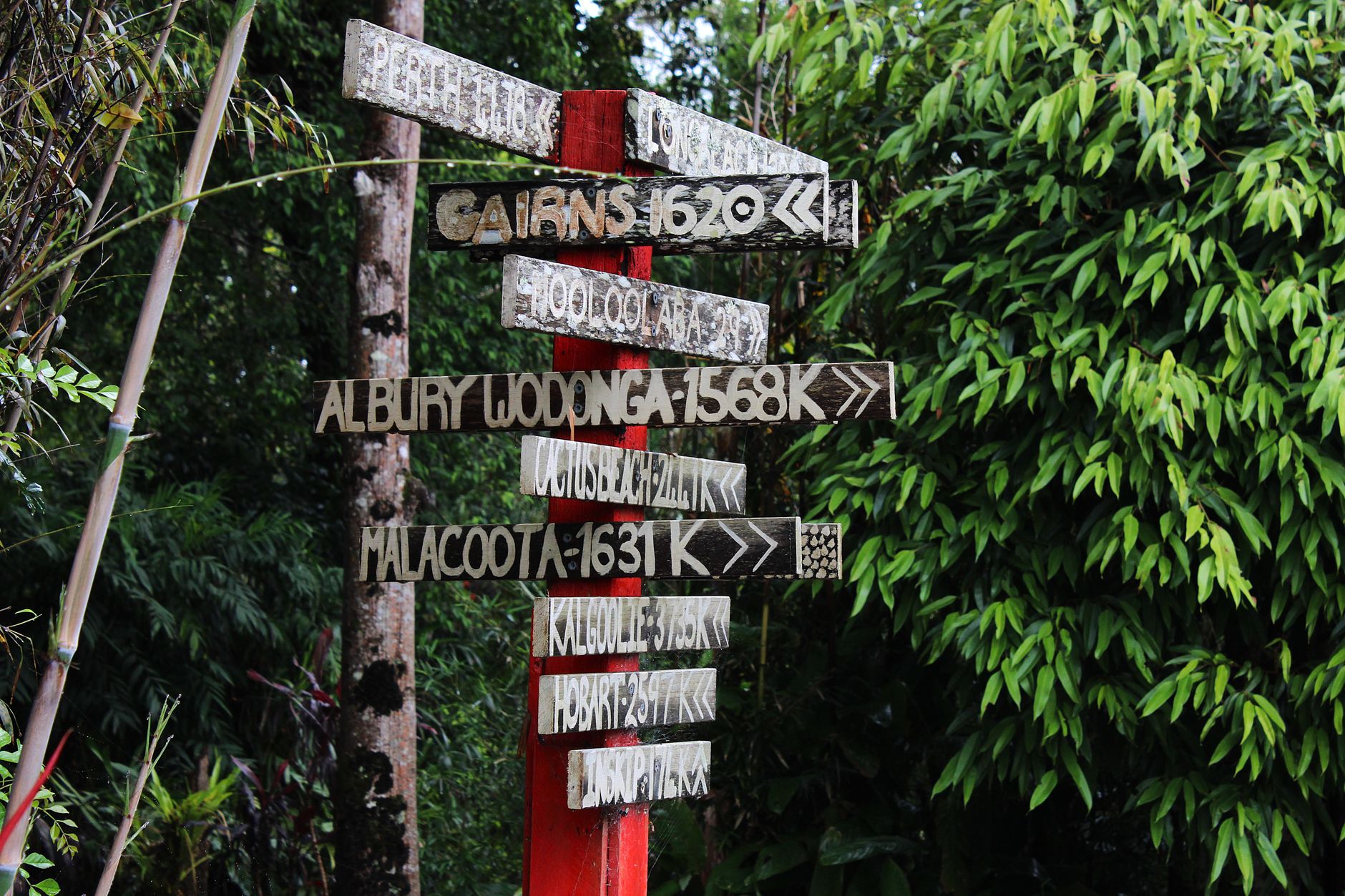
Today, many of these names still appear on maps and signs. Behind each is that moment of first contact, when a dismissive ear slowly learned to hear music instead of noise.
Based on List of Australian place names of Aboriginal origin on Wikipedia.

XFacebook

DeepSwipe Stories About List of Australian place names of Aboriginal origin

Australian Place Names of Aboriginal Origin

Australian Place Names of Aboriginal Origin

Summarize another article

More topics in List of Australian place names of Aboriginal origin

List of Australian place names of Aboriginal origin - 100 Word Summary

A concise overview of how Aboriginal languages have shaped Australian place names, from genuine Indigenous names to colonial misunderstandings.

historyculture
Read →

List of Australian place names of Aboriginal origin - 250 Word Summary

A fuller look at how Aboriginal words, colonial ears, and modern politics have intertwined to shape the Australian map, from rivers and deserts to highways and suburbs.

historyculture
Read →

Misheard Rivers and ‘Pretty Places’: Colonial Ears at Work

From the Yarra River to countless “resting places,” the colonial map of Australia is full of Aboriginal names that Europeans misunderstood or reshaped to fit their own fantasies.

historyculture
Read →

When Country Names the People: Place-Based Tribal Identities

In early Sydney, a person’s very identity was tied to the bay or headland they called home, turning geography into a living surname.

culturehistory
Read →

From Aranda to Tullamarine: Official Honours or Token Gestures?

As suburbs and districts are christened with Aboriginal names, the map becomes a canvas of recognition—raising questions about what kind of honour this really offers.

politicsculture
Read →

Maningrida and the Top End: Where Names Never Left

Far from the dense southern cities, communities like Maningrida show what happens when Aboriginal names stay rooted in country through generations of change.

culturehistory
Read →

Fake Aboriginal? The Curious Case of Misattributed Names

Some Australian towns sound Indigenous but secretly honour premiers, Germans, or Japanese surnames, revealing how easily myth can rewrite the map.

historyculture
Read →

Deserts, Dams and Highways: Aboriginal Echoes in Infrastructure

From the Tanami Desert to the Kamilaroi Highway, Australia’s built and natural landscapes carry Aboriginal words into the rumble of everyday life.

culturehistory
Read →

Romantic Translations: The Myth of the ‘Pretty Resting Place’

Why do so many supposed Aboriginal place names conveniently mean “pretty view” or “resting place”? The answer reveals more about Europeans than about the languages themselves.

culturehistory
Read →

Enjoy bite-sized learning? Try DeepSwipe.