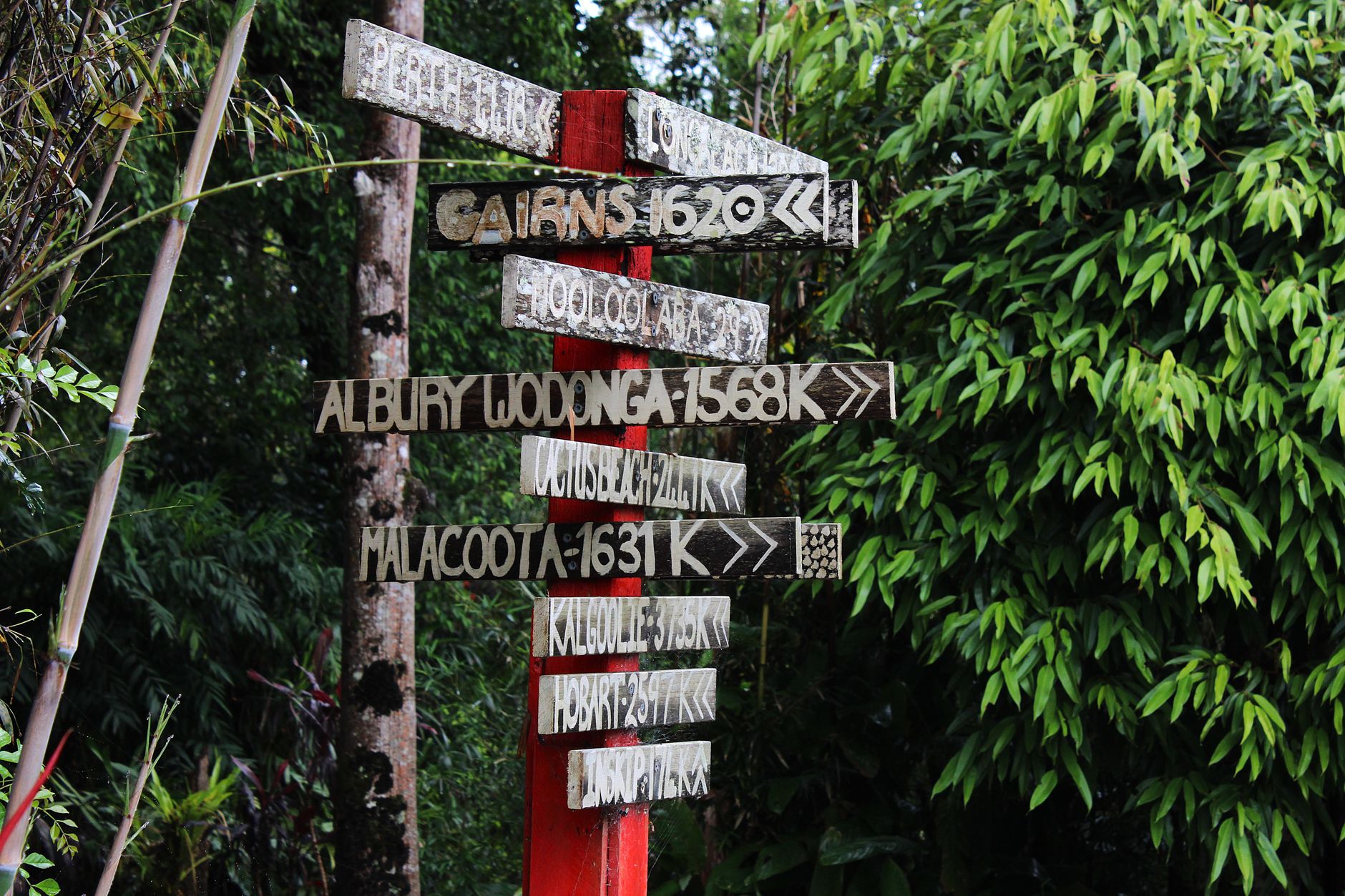
Many Australian place names trace back—directly or indirectly—to Aboriginal languages, but the stories behind them are far from simple. The article explains three main pathways: European explorers and surveyors often asked local Aboriginal people for place names, adopting what they heard, though language barriers led to misunderstandings, mispronunciations, and romanticised translations such as the suspiciously common “pretty” and “resting place.” Later, Australian governments deliberately named suburbs and other localities after Aboriginal people or language groups, like Aranda or Tullamarine, as a form of recognition. In some areas, particularly where non-Indigenous settlement remained sparse in Central Australia and the Top End, Aboriginal communities such as Maningrida retained their original names continuously.
An early witness, First Fleet officer Watkin Tench, described the Sydney-region languages as initially seeming harsh but, when examined word by word, rich in vowels and often mellifluous or sonorous. He listed personal and place names—like Parramatta and Memel—and explained that tribal names often meant “men who reside in” a particular bay or place.
The article then catalogs examples: deserts such as Tanami and Tirari; caves like Bungonia and Jenolan; dams such as Burrinjuck and Tantangara; and roads and highways including Kamilaroi Highway, Oodnadatta Track, and Warrego Highway. It notes nature reserves like Muogamarra and conservation areas like Whian Whian. Finally, it cautions that not all seemingly Aboriginal names are genuine: some, like Aramac or Bellingen, have European roots, while others are of uncertain or mixed origin, reflecting how myth, assumption, and linguistic confusion have shaped the modern Australian toponymic landscape.