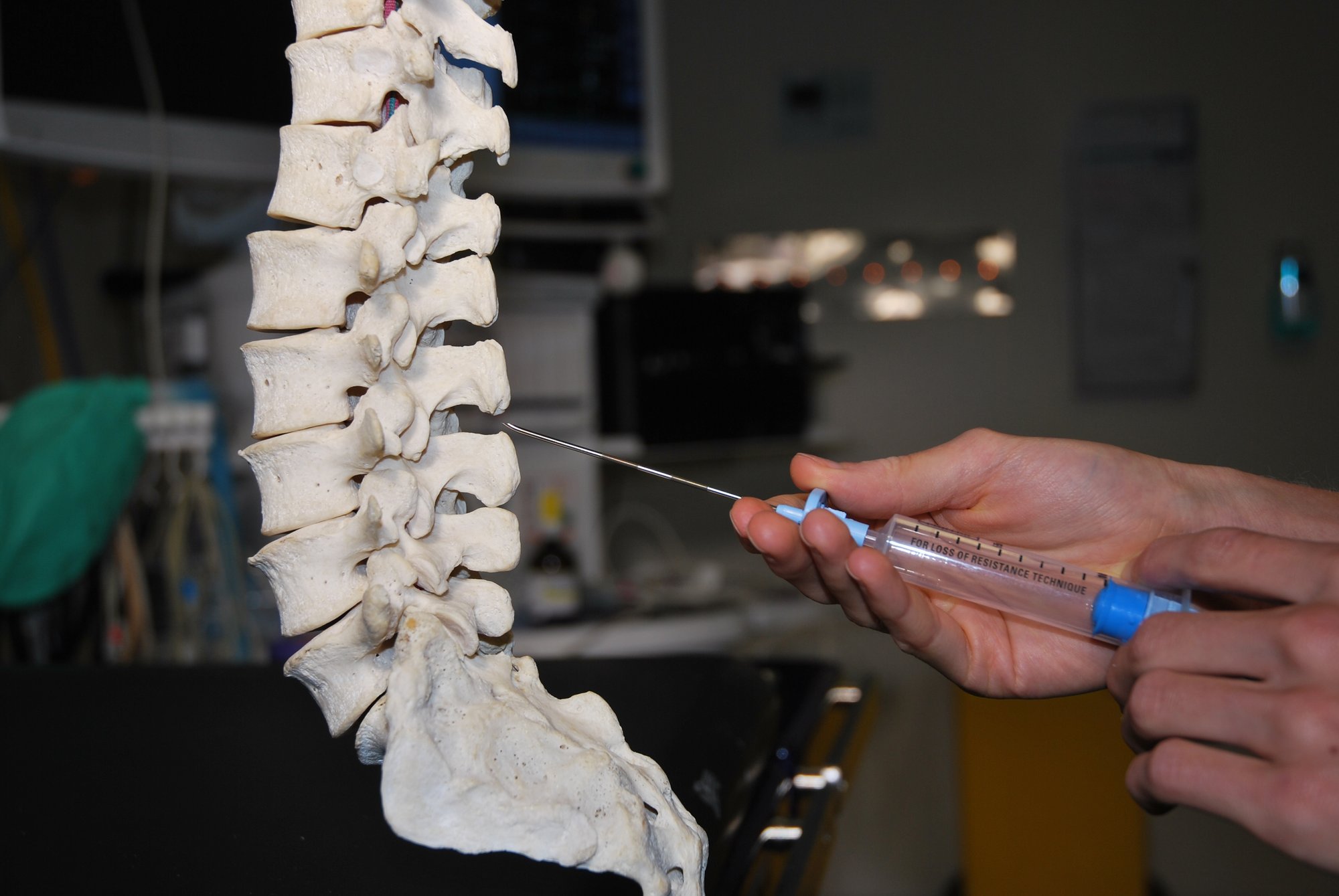
The Decision Before the Needle
Not everyone who wants an epidural can safely receive one. Long before the needle touches skin, clinicians scan for hidden dangers: bleeding risks, infections, heart problems, and fragile nerves.
The Red Flags
Epidurals are contraindicated—not advised—in several situations.
- Infection near the injection site, such as cellulitis, risks dragging bacteria directly into a protected space around the spine.
- Severe coagulopathy (serious clotting problems), low platelets, or concurrent anticoagulation therapy can turn a routine puncture into a dangerous bleed, potentially forming an epidural hematoma that compresses the spinal cord.
- Some heart conditions, especially aortic or mitral valve stenosis, and states of low blood pressure or hypovolemia, make the blood‑pressure‑lowering effects of epidural anesthesia particularly hazardous.
Epidurals may also be avoided in people with preexisting progressive neurologic disease, where any new symptom could be mistaken for disease progression—or vice versa—and in those with increased intracranial pressure or markedly reduced cardiac output.

Balancing Risk and Alternatives
When these red flags appear, anesthesiologists consider other options. Numerous fascial plane blocks—nerve blocks given in tissue planes away from the spine—can offer regional pain relief without entering the epidural space.
The decision is rarely black‑and‑white. Doctors must weigh the severity of pain or the surgical need for regional anesthesia against small but serious risks of bleeding, infection, or neurological damage.
The Takeaway
The epidural’s power lies not just in where the drug goes, but in when clinicians choose not to use it. Sometimes, the safest epidural is the one that never happens.