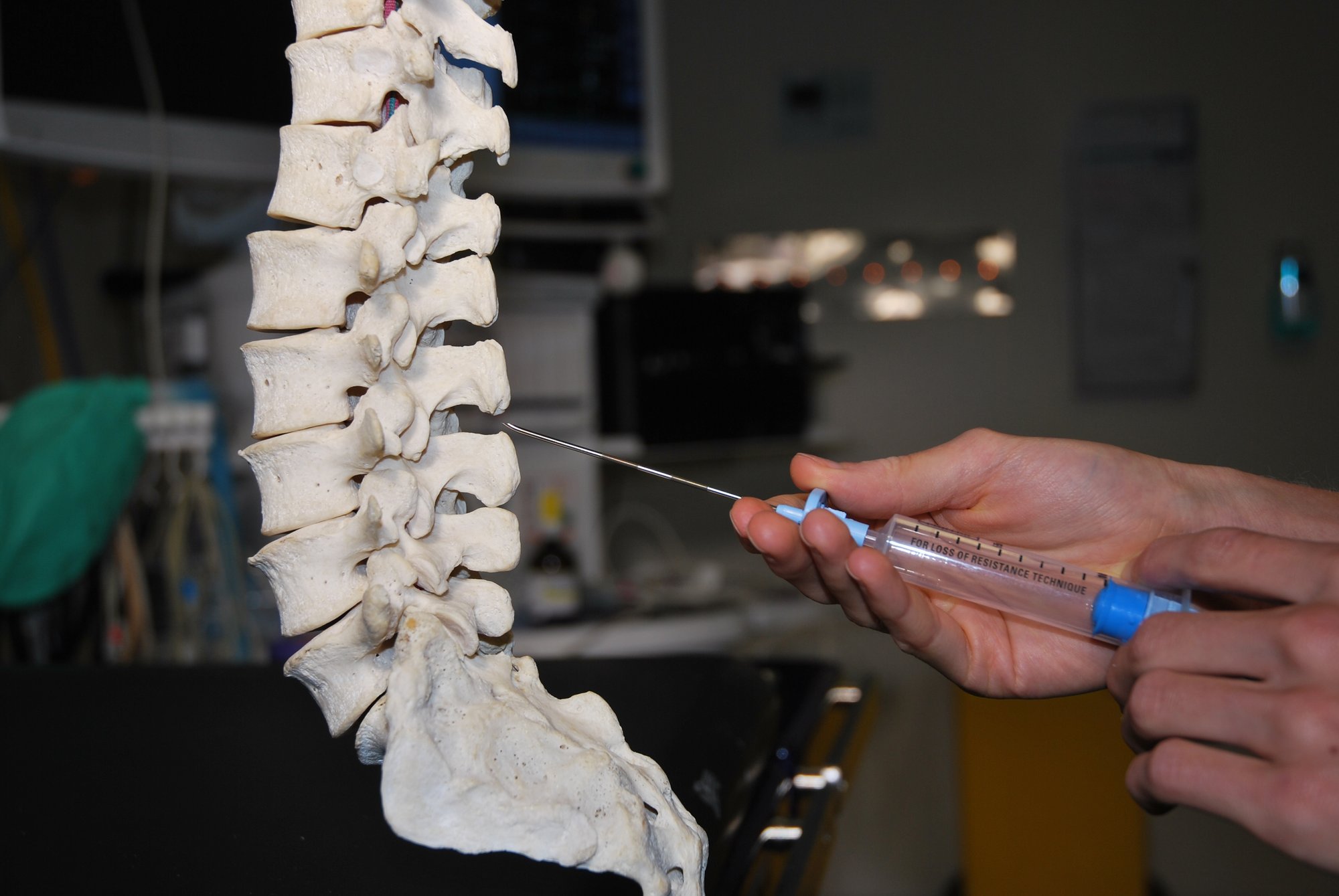
Not Just for Labor Wards
While many people first hear of epidurals during childbirth, anesthesiologists have turned the same technique into a versatile tool far beyond the delivery room. From open‑chest surgery to crushed spinal discs, epidural administration is changing the way patients hurt—and heal.
A Regional Shield After Surgery
After major operations, pain isn’t just miserable; it’s dangerous. It can impair breathing, raise heart strain, and slow recovery. Epidural analgesia offers a regional shield: by bathing spinal nerves in local anesthetics and opioids, it numbs the surgical area while sparing the rest of the body.
Compared with systemic opioids, epidurals:
- Decrease the need for oral and IV narcotics
- Reduce postoperative respiratory problems and chest infections
- Lower blood transfusion requirements
- Cut the risk of postoperative heart attacks
Unlike high‑dose systemic opioids, epidurals are less likely to paralyze intestinal movement, so the gut is less sluggish after surgery.
They are used in lower abdominal, lower limb, cardiac, and perineal surgeries, where precise targeting of nerve levels can match the “numb zone” to the surgeon’s field.

Steroids and the Inflamed Spine
For people with spinal disc herniation, degenerative disc disease, or spinal stenosis, epidural steroid injections target nerve root pain and inflammation. The risk of complications is low and usually minor. Side effects mirror those of steroids given by other routes, such as elevated blood sugar—especially in people with type 2 diabetes.
A Patch for Leaking Spinal Fluid
When a dural puncture causes cerebrospinal fluid to leak, patients can develop severe headaches. An epidural blood patch, made from a small injection of their own blood, clots and seals the leak, restoring CSF pressure and often bringing rapid relief.
The Takeaway
From ICU beds to pain clinics, the epidural isn’t a single procedure. It’s a delivery route, quietly adapted to solve very different problems along the spine.