The Moment the Pain Changes
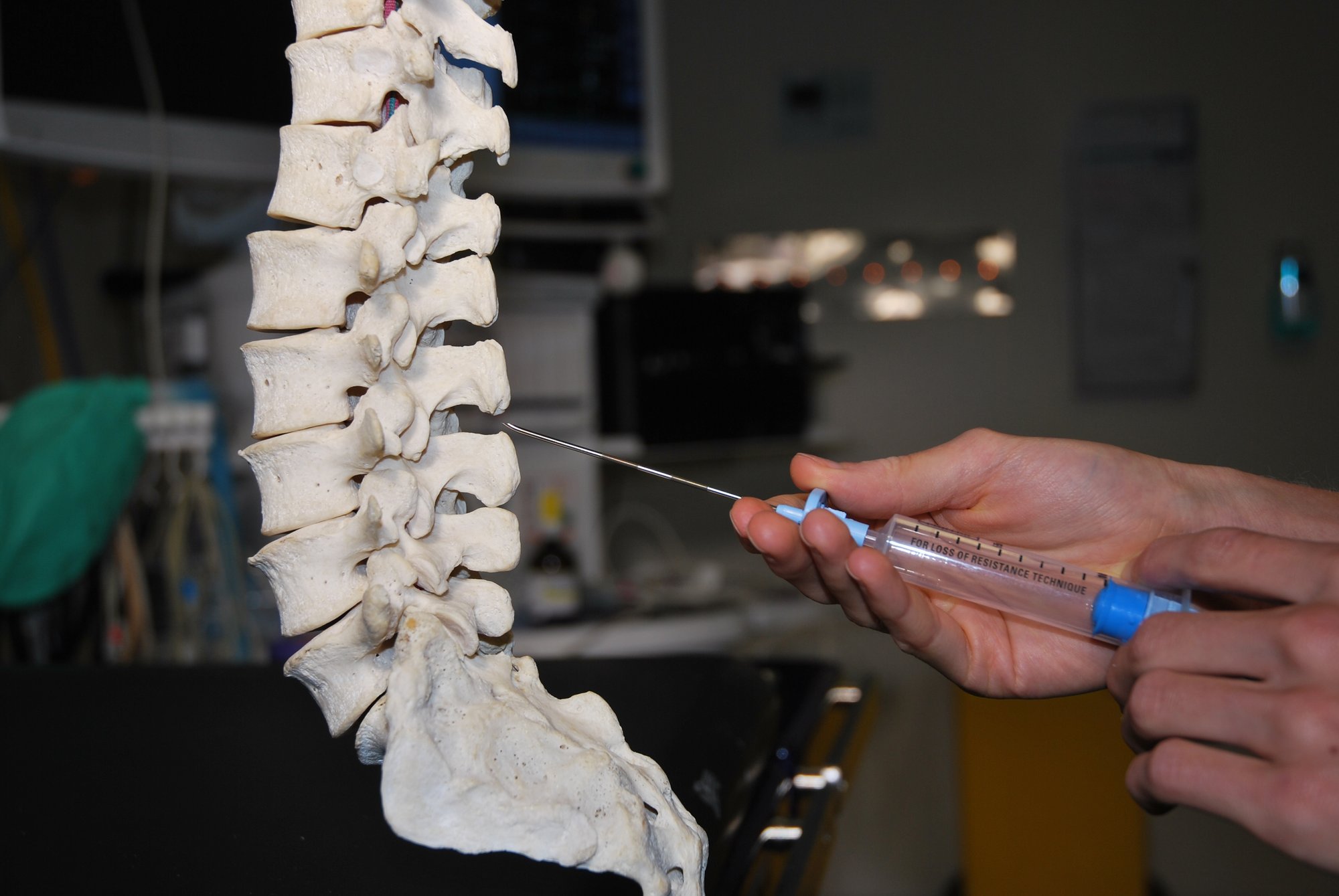
A woman grips the bed rails as another contraction crests. Her breathing quickens, her back arches—and then, minutes after a carefully placed injection into her spine, the pain that dominated the room dulls to pressure. She can still feel her baby descending, but the agony is gone. This is epidural analgesia in labor.
Why Epidurals Became the Gold Standard
Epidural injections of local anesthetics and opioids are more effective than oral or intravenous (IV) opioids at easing labor pain. They sharply reduce the need for drugs like naloxone in newborns and help prevent maternal hyperventilation. For many, they turn an overwhelming ordeal into something manageable.
Large reviews show that epidurals are safer and more effective than systemic painkillers, without increasing Caesarean section rates or harming the baby’s immediate health. Long‑term problems like chronic backache are no more common in women who choose an epidural.

The Hidden Costs
But the relief comes with trade‑offs. Epidurals can lengthen labor, especially the second stage, by about 15–30 minutes. They increase the need for oxytocin, a drug that stimulates contractions, and raise the risk of maternal fever, low blood pressure, and muscle weakness.
Most strikingly, they often limit movement. Except for special low‑dose “walking epidurals,” women may find it harder to change positions or walk—movements that can improve comfort and potentially reduce complications.
Babies may experience a slower heart rate, temperature regulation issues, and exposure to the drugs given to the mother, though overall outcomes remain similar.
Timing and Choice
Starting an epidural early or late in labor doesn’t change Caesarean rates, instrumented births, or Apgar scores. The real story is about preference and access: women balancing fear of pain with desire for control.
In the end, the epidural is less a magic bullet than a powerful option—one that shifts the experience of birth without rewriting its fundamental biology.