Wiki Summaries · Epidural administration

Epidural administration - 250 Word Summary

A fuller, 250-word tour of how epidurals are given, when they’re used, and how they’ve shaped modern pain control.

medicinehistory
XFacebook

Epidural administration is a technique in which medications are injected into the epidural space surrounding the spinal cord, often through a catheter that can remain for the duration of treatment. First deliberately described in 1921 by Spanish surgeon Fidel Pagés, epidurals are now central to modern anesthesia and pain management. They deliver local anesthetics, opioids, steroids, or diagnostic agents directly near spinal nerves, blocking pain signals from specific regions of the body while often preserving muscle control and consciousness.

Epidural analgesia is especially common in childbirth, where it offers more effective pain relief than oral or intravenous opioids and reduces the need for newborn resuscitation drugs like naloxone. It may modestly lengthen labor and increase the need for oxytocin, and can cause fever, low blood pressure, or muscle weakness, but does not increase Caesarean rates or harm long‑term maternal or neonatal health. Epidurals are also used after major surgeries to reduce systemic opioid use and complications such as respiratory problems, chest infections, and heart attacks. Steroid injections treat radicular pain from spinal disorders, and epidural blood patches seal dural leaks causing severe headaches.

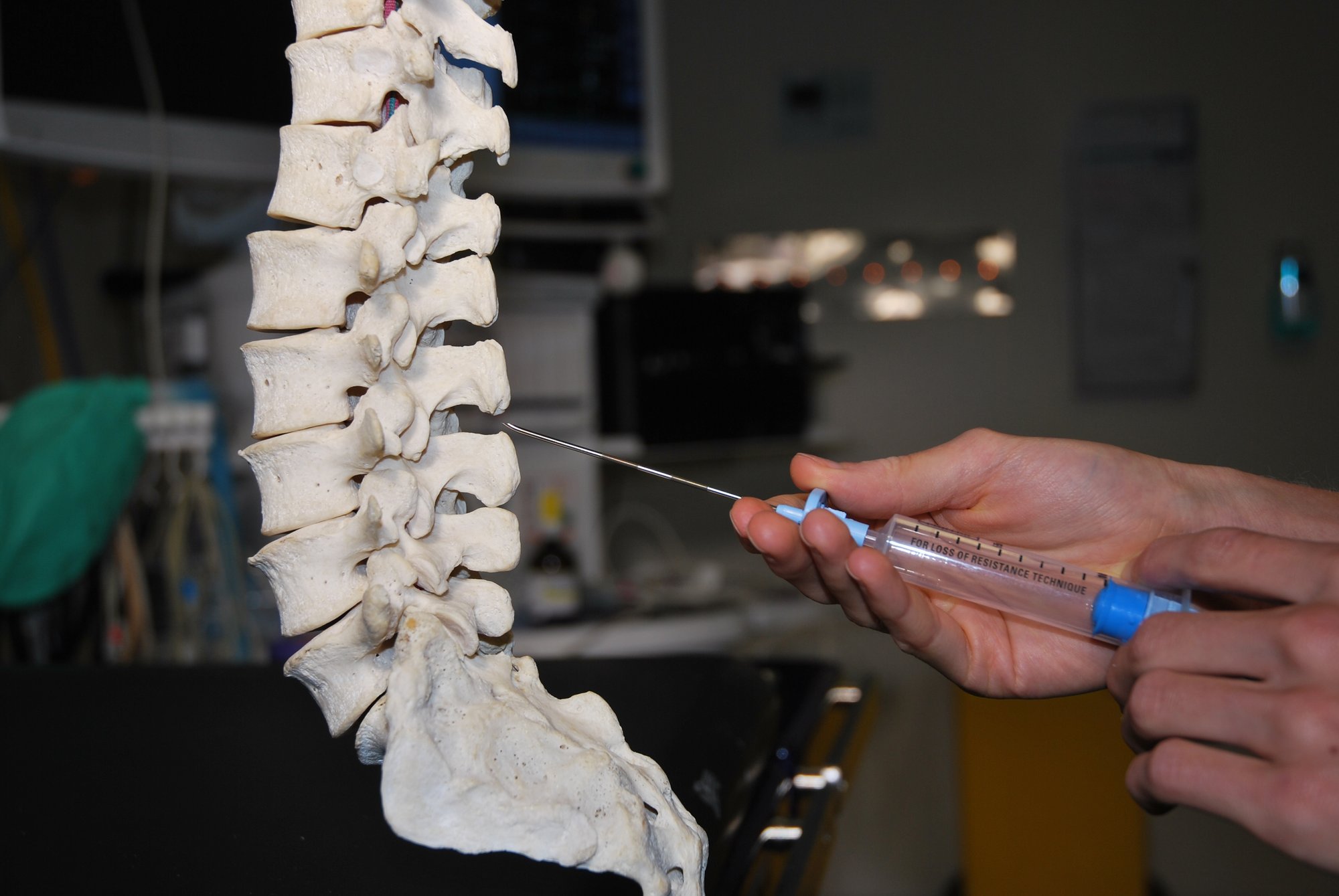
Contraindications include infection near the site, coagulopathy, some cardiac conditions, and progressive neurological disease. Complications range from post‑dural‑puncture headache and bloody tap to extremely rare abscess, hematoma, paraplegia, or death. Technique requires precise needle placement using anatomic landmarks, loss‑of‑resistance testing with air or saline, and sometimes imaging guidance. Since the late 19th century, refinements such as continuous catheters and combined spinal‑epidural methods have turned epidurals into a cornerstone of regional anesthesia worldwide, though access remains uneven across countries and social groups.
Based on Epidural administration on Wikipedia.

XFacebook

DeepSwipe Stories About Epidural administration

Childbirth Epidurals: What Changes and What Doesn't

Childbirth Epidurals: What Changes and What Doesn't

Summarize another article

More topics in Epidural administration

Epidural administration - 100 Word Summary

A concise overview of how epidurals work, what they’re used for, and their main benefits and risks in about 100 words.

medicinescience
Read →

Inside the Epidural: How Targeted Spine Anesthesia Works

Step into the narrow space around the spinal cord where a few millimeters decide between pain relief, paralysis, or nothing at all.

medicinescience
Read →

Epidurals in Childbirth: Power, Pain, and Trade‑Offs

Follow a woman in labor as an epidural transforms her experience, raising new questions about safety, timing, and control.

medicineculture
Read →

Beyond Birth: Epidurals in Major Surgery and Spine Pain

See how the same technique that eases labor pain quietly reshapes recovery after heart surgery and debilitating back disease.

medicinescience
Read →

When Not to Numb: Who Should Avoid an Epidural?

Enter the decision room where doctors weigh bleeding risks, heart disease, and brain pressure before ever opening an epidural kit.

medicine
Read →

Tiny Numbers, Big Stakes: Epidural Risks and Complications

Trace the rare but dramatic moments when an epidural goes wrong, from spinal headaches to total body numbness.

medicinescience
Read →

The Art of the Needle: How Clinicians Place an Epidural

Watch an anesthetist navigate bone, ligaments, and invisible spaces guided only by touch, pressure, and subtle clicks.

medicinescience
Read →

A Century of Innovation: The History of the Epidural

Travel from a risky cocaine injection in 1885 to the finely tuned labor epidurals of today.

historymedicine
Read →

Who Gets Pain Relief? Epidurals, Inequality, and Culture

Explore why a woman’s chances of getting an epidural can depend as much on her postcode and passport as on her pain.

culturemedicine
Read →

Enjoy bite-sized learning? Try DeepSwipe.