When the Sea Comes Indoors
Between autumn and early spring, Venice holds its breath. High tides, channeled up the Adriatic, can spill into the lagoon, turning piazzas into shallow lakes. Long before “climate change” entered headlines, Venetians coined a term for these events: acqua alta—high water.
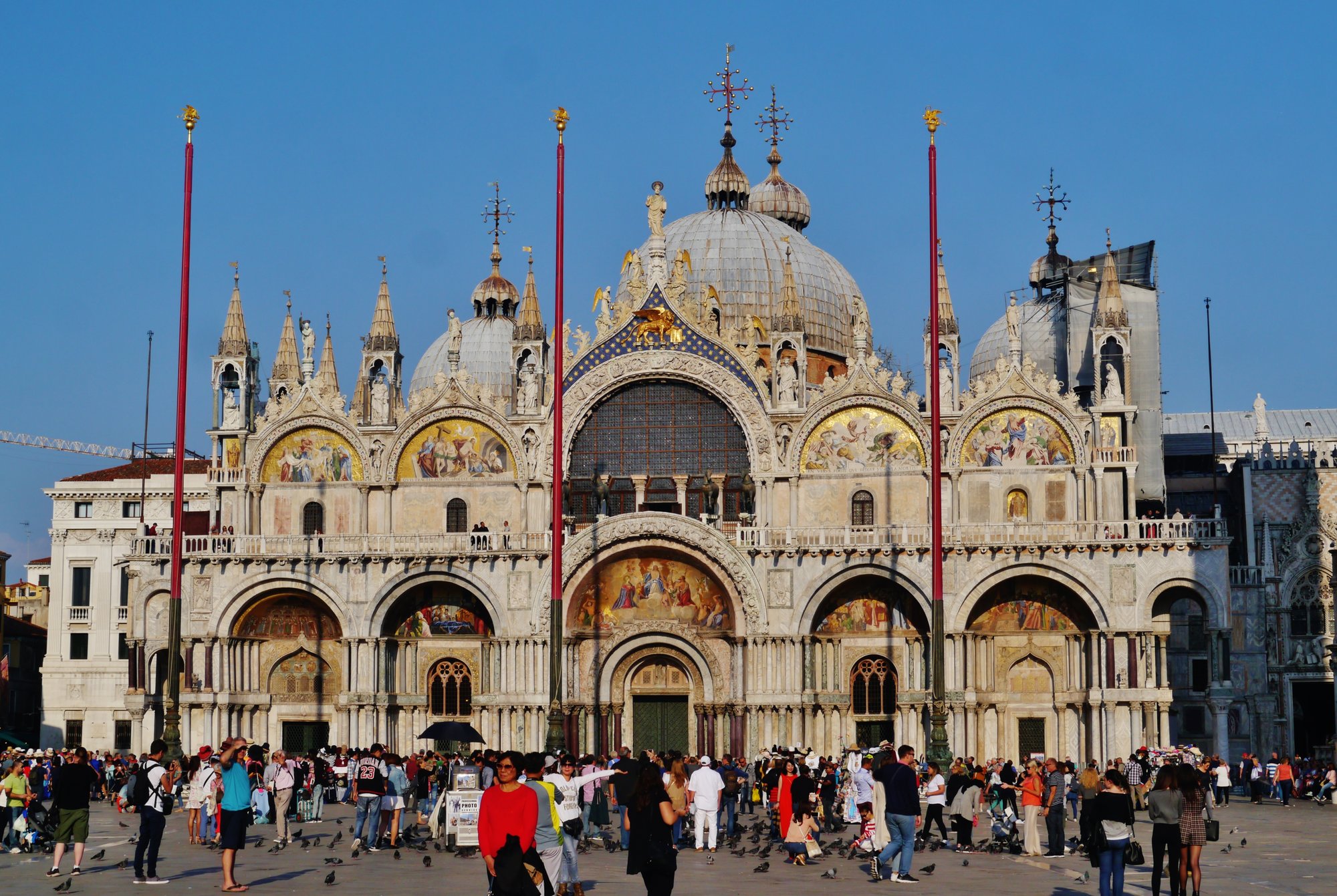
Once occasional, such floods have become more frequent and severe. On 13 November 2019, the tide reached 1.87 metres, the highest since 1966. Over 80 percent of the city lay under water; more than 50 churches were damaged; tourists canceled trips; ancient marble and mosaics soaked in corrosive salt.
Sinking Ground, Rising Sea
A Washington Post analysis notes that sea level has risen faster in Venice than in many other regions. At the same time, tectonic processes and human activity have caused the city to sink. Industrial extraction of groundwater in the 20th century accelerated subsidence until artesian wells were banned, but the land still lowers slowly by 1–2 millimetres a year.
Layered on top are climate-driven extremes—storm surges, shifting winds, and heavier rains—that squeeze water into the lagoon. Venice is caught in a pincer: the floor moves down; the sea edge creeps up.

MOSE: Grand Barrier, Grand Controversy
To defend the city, Italy is constructing the MOSE system, a line of 78 mobile barriers hinged to the seabed at the lagoon’s inlets. When forecasts predict tides above 110 centimetres, compressed air should raise the hollow gates, temporarily cutting off the lagoon from the Adriatic.
Conceived as a roughly €800 million project, MOSE ballooned to around €7 billion amid corruption scandals; investigators estimate some €2 billion lost to graft. Environmental groups and heritage advocates question whether the barriers will protect landmarks like St. Mark’s if closed too late or at thresholds set too high—or, if closed too often, whether they will damage lagoon ecology and shipping.
Still, in October 2020, MOSE’s first major deployment successfully prevented predicted flooding of low-lying areas, including Piazza San Marco. Supporters see proof that, with fine-tuning, the system can buy Venice crucial decades.
A Warning to the World
Venice’s mayor has directly linked catastrophic floods to climate change, while experts like Henk Ovink caution that inadequate infrastructure, mismanagement, and decades of delay share the blame. Italy’s government pledged emergency funds after the 2019 disaster, but the city’s UNESCO World Heritage status remains under scrutiny.
Venice’s struggle foreshadows choices many coastal cities will face: fortress-like defenses, managed retreat, or a combination of both. In its shimmering reflections, the world can glimpse not only a past of maritime glory but a future in which beloved places stand—or fall—with the rising tide.