Printing the Renaissance
In the late 15th century, as new presses clattered across Europe, Venice surged ahead. By 1500, some 417 printers operated in the city; roughly fifteen percent of all 15th‑century books came from its presses. Aldus Manutius led the way, founding the Aldine Press in 1494.
He published the first printed Aristotle in 1497, the exquisitely illustrated Hypnerotomachia Poliphili in 1499, and created compact “paperback” editions that could fit in a saddlebag. In doing so, he helped standardize punctuation, page layouts, and italic type—the very grammar of the modern book.
Colour and Canvas
Venetian painting developed a language of light and colour that differed from the line‑focused traditions of central Italy. Influenced by Paduan art and oil techniques from the Netherlandish Van Eyck brothers, artists like Giovanni Bellini, Giorgione, and Titian embraced colorito—a lush, atmospheric use of pigment.
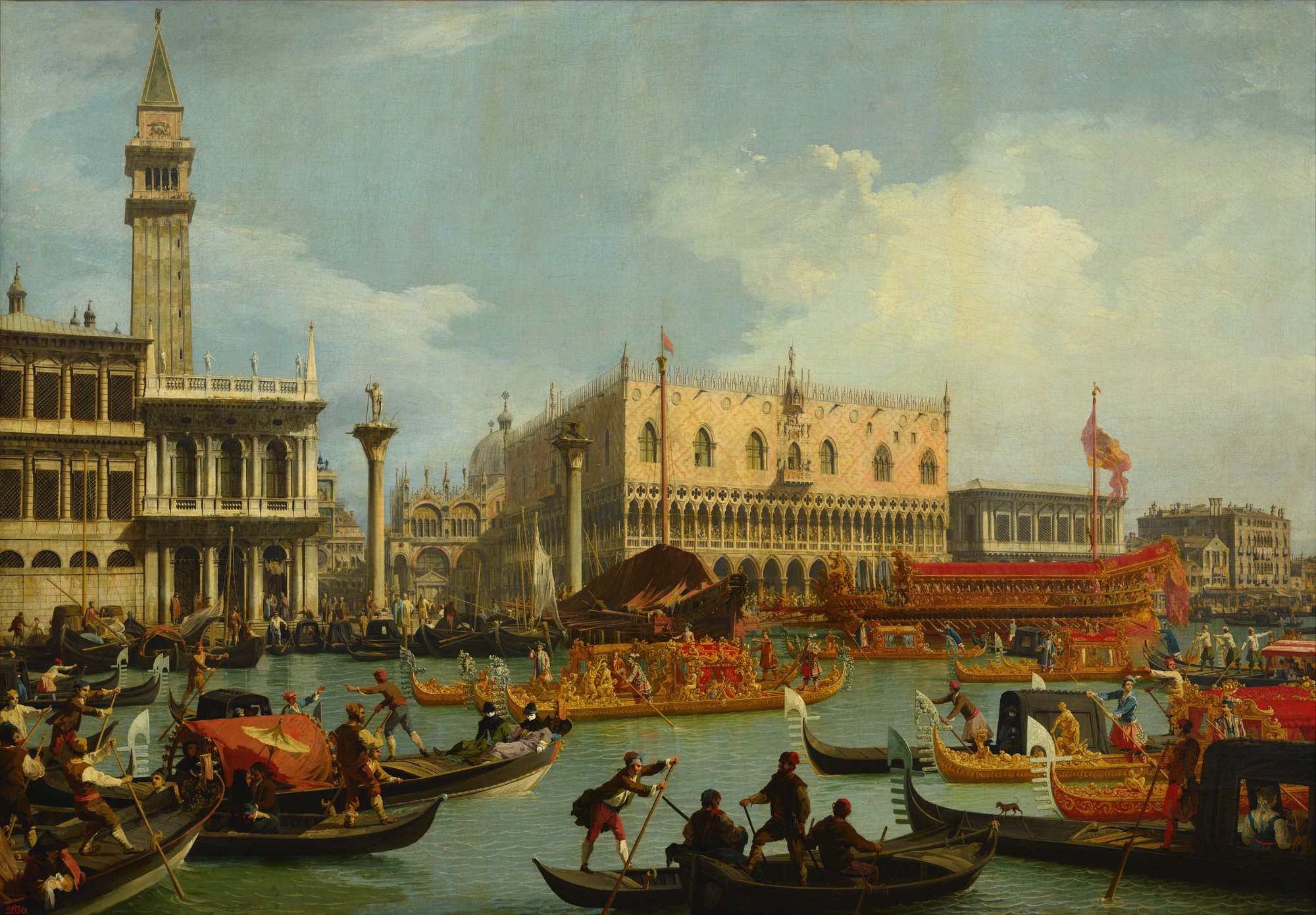
Later masters Tintoretto and Veronese filled vast canvases with dramatic light and pageantry, often for the city’s wealthy merchant families competing to adorn their palaces. Venice even gave the world the canvas itself as a standard painting support, practical for a city built on damp foundations and ideal for large works shipped abroad.

Architecture on the Water’s Edge
Architecturally, Venice fused East and West. Its signature Venetian Gothic style married tall, pointed arches with the sinuous curves of Byzantine and Islamic ornament. The Doge’s Palace and Ca’ d’Oro, laced with delicate stone tracery, embody this hybrid elegance.
Later, Renaissance and Baroque forms arrived, but Venetian taste remained conservative. Even as facades changed, the basic palazzo layout—optimized for water access and narrow plots—persisted, giving the Grand Canal a remarkable visual harmony across centuries.
The Republic of Music
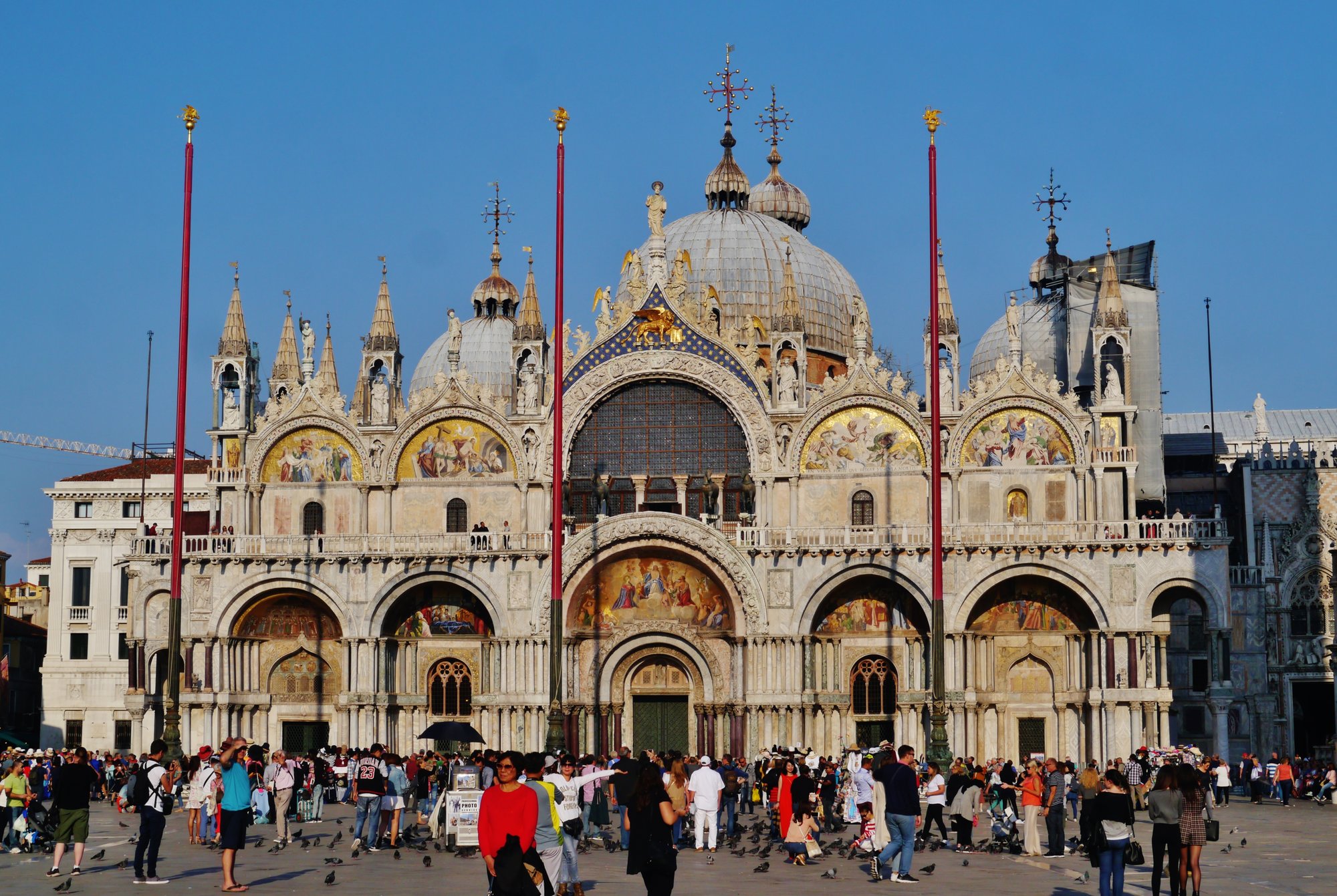
Sound was as crucial as sight. In the 16th century, Venice became one of Europe’s leading musical centres. At St. Mark’s Basilica, composers like Adrian Willaert and the Gabrieli family developed a rich polychoral style—multiple choirs and instrumental groups answering each other across the vast interior.
Venice pioneered music printing through Ottaviano Petrucci, attracting composers from across the continent. Later, Baroque figures such as Antonio Vivaldi and Tomaso Albinoni made the city synonymous with virtuosic concertos and operatic innovation.
In Venice, trade routes doubled as cultural arteries. Books, paintings, and music, like spices and silk, were exported worldwide, ensuring that this small lagoon city’s voice would echo far beyond its misty horizons.