A Republic under the Sign of St. Mark
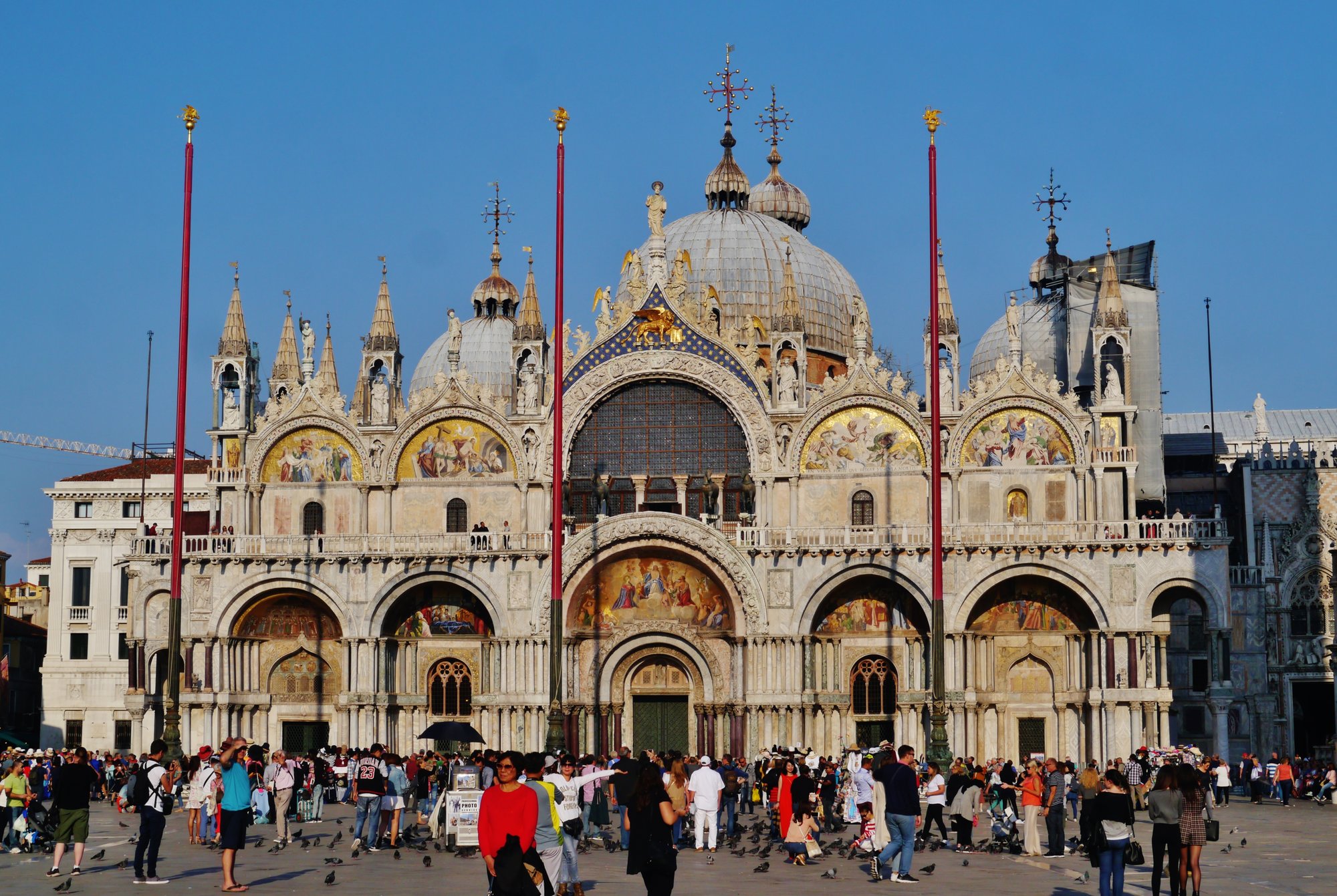
When Venice claimed the relics of St. Mark the Evangelist in 828 and enshrined them in its basilica, it made the saint—and his winged lion—the core of its identity. The city became formally Roman Catholic but kept a fiercely independent streak, regularly clashing with popes who tried to assert authority.
During the Counter-Reformation, when much of Europe burned alleged heretics, Venice was notable for its restraint: no one was executed there for religious heresy. That moderation, and its readiness to defy papal interdicts, made Venice a curious hybrid—devout yet politically stubborn.
Plague and Vows
Prosperity did not spare Venice from catastrophe. The Black Death arrived in 1348; later waves between 1575–1577 and again in 1629–31 are estimated to have killed tens of thousands, including a third of the city’s 150,000 people in the 1630 outbreak alone.
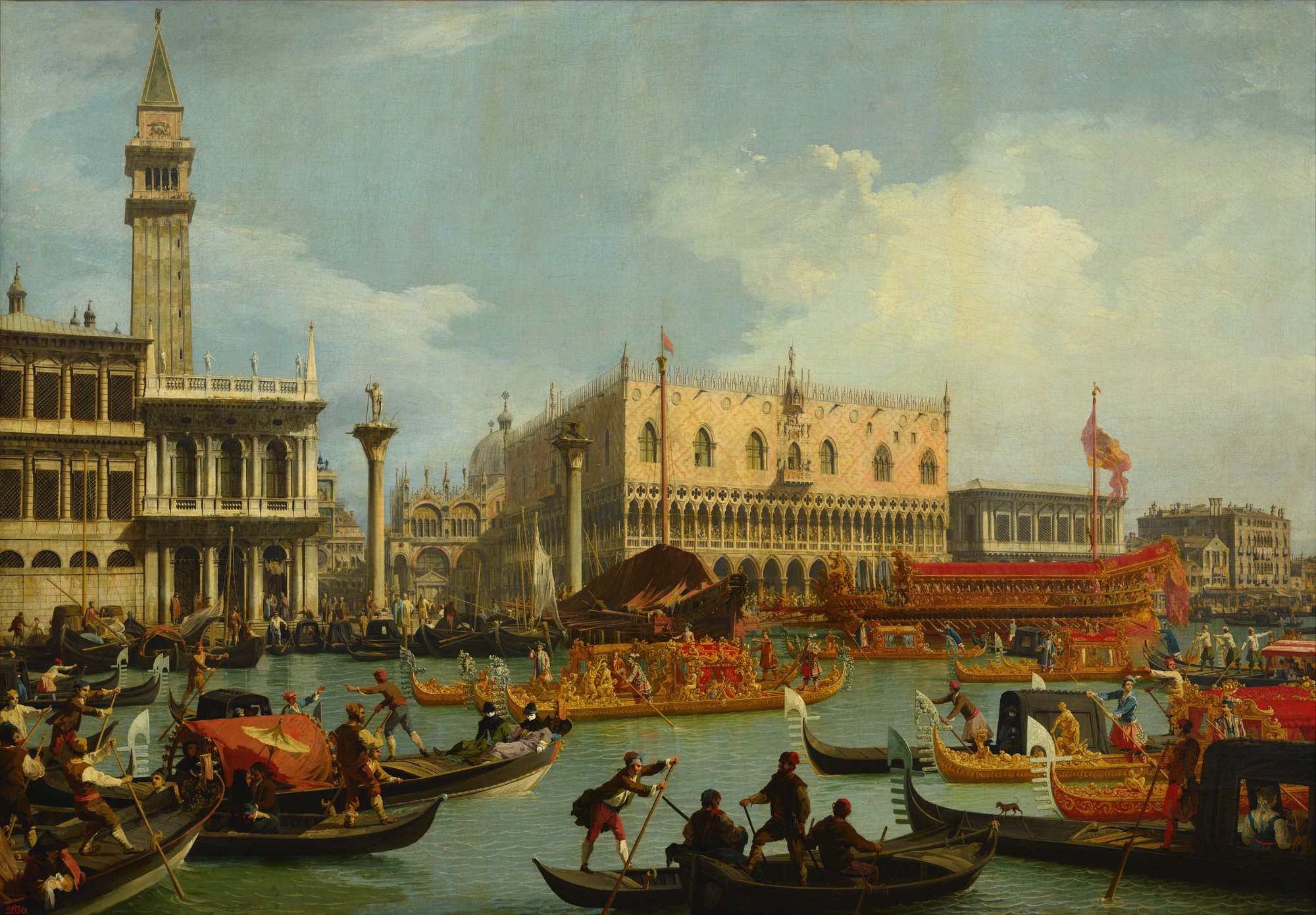
These traumas left stone memorials. The Church of the Redeemer, linked each year by a temporary bridge of barges during the Festa del Redentore, commemorates deliverance from plague. Fireworks and festivities light the lagoon even as the city remembers nights when death boats moved silently through its canals.

A City of Masks
Against this backdrop of piety and mortality rose another Venetian icon: the mask. The Carnival of Venice, revived in the 1980s but rooted in much older traditions, transforms the city each year into a living stage. For about two weeks until Shrove Tuesday, alleys and campos fill with figures in elaborate costumes, anonymous behind porcelain faces.
Masks once softened rigid social hierarchies, allowing nobles and commoners to mingle more freely, if only briefly. Today, they form a key part of Venice’s global image, echoing through literature, opera, and tourism posters—a reminder that this city has long understood the uses of mystery.
A Mosaic of Beliefs
Venice’s faith has never been monolithic. Its deep ties to Constantinople fostered an Orthodox presence; in 1991, the Church of San Giorgio dei Greci became the seat of the Greek Orthodox Archdiocese of Italy and Malta. The Venetian Ghetto, established under the republic, gave the world the very word “ghetto”; it once housed a thriving Jewish community that produced the first complete printed Talmud and inspired characters like Shakespeare’s Shylock.
Modern immigration has added Muslim, Hindu, and Buddhist communities to this religious tapestry. In Venice, saints, rabbis, imams, and masked revelers all share the same sinking stones, weaving devotion and disguise into the city’s enduring drama.