A City Everyone Wants—Until They Live There
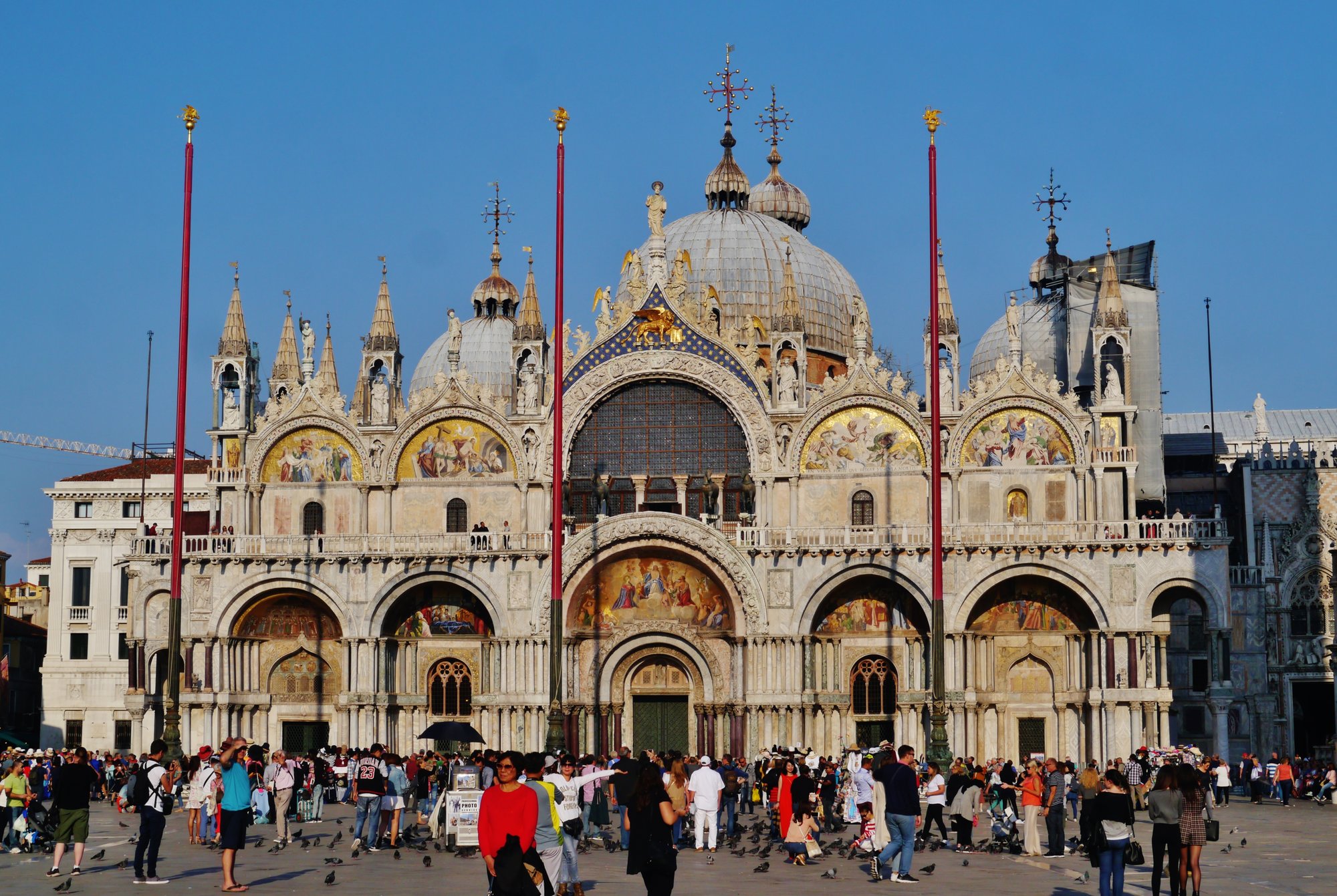
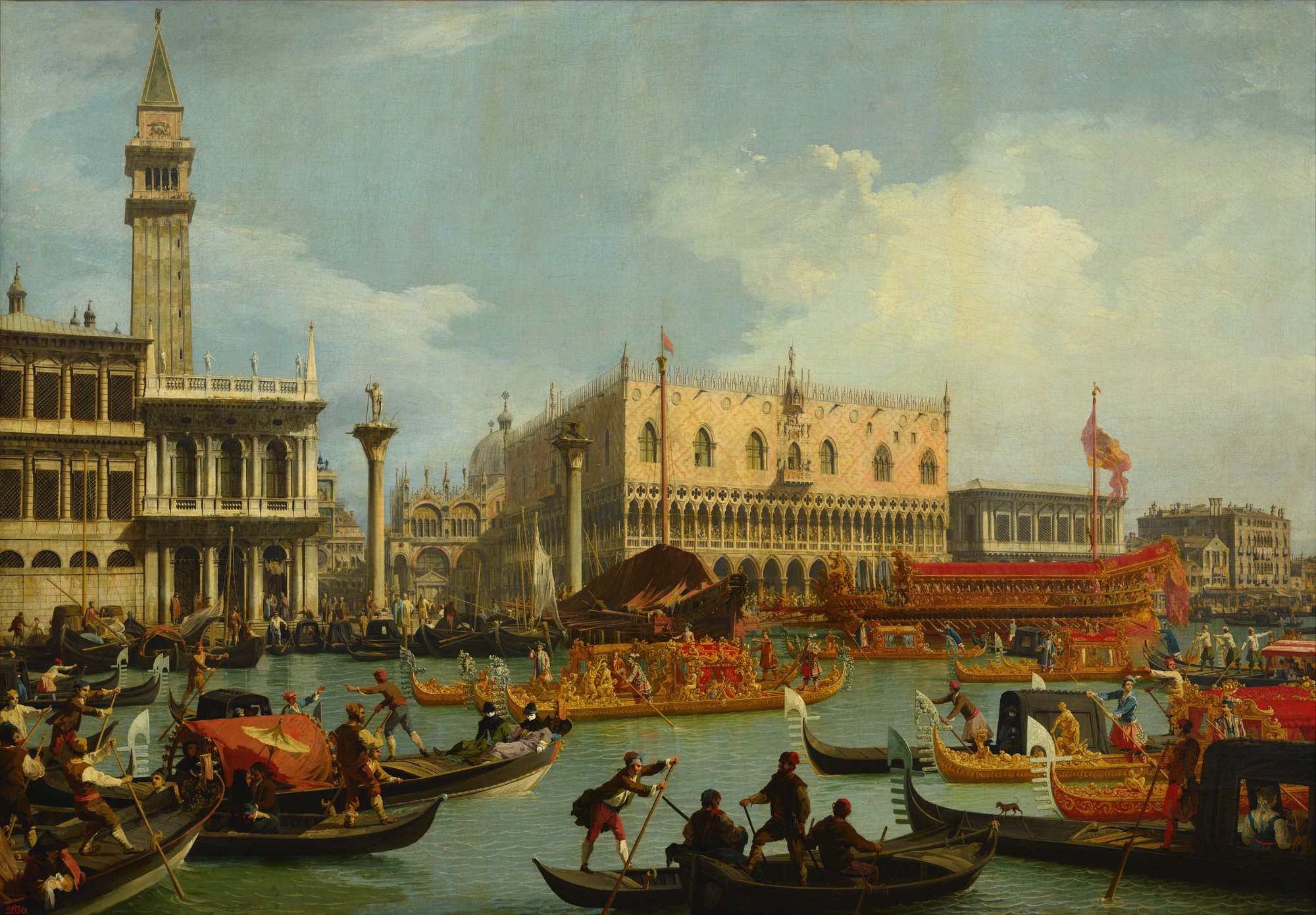
Venice’s reflections in the Grand Canal have drawn visitors since the days of the 18th‑century Grand Tour. Today, up to 60,000 tourists pour in on a busy day—more than the entire resident population of the historic centre. Estimates put annual visitor numbers between 22 and 30 million.
Yet as the world arrives, Venetians quietly leave. The old city’s population has slid from about 120,000 in 1980 to around 50,000 in 2021. Rising rents, driven in part by short‑term rentals, push locals out, leading some observers to warn that Venice risks becoming an “overpriced theme park.”
Cruise Ships and the “Eat and Flee” Economy
Cruise liners, once sailing dangerously close to the fragile heart of Venice, disgorged day-trippers who often stayed only a few hours. The Cruise Venice Committee estimated passengers spent more than €150 million a year, but officials complained that many ate on board and left little money onshore.
UNESCO has warned that these ships erode canal banks, pollute the lagoon, and visually dwarf historic buildings. Incidents like the 2019 collision of the MSC Opera with a smaller vessel on the Giudecca Canal intensified calls to reroute large ships. After years of delays, Italy began diverting heavy cruise traffic away from the Giudecca and St. Mark’s Basin, although debates over new terminals and dredged canals continue.

The Price of a Visit
Local authorities have experimented with ways to tame the flood. New hotels have been frozen, and additional fast‑food outlets banned in the historic core to preserve character. In 2019, the city approved an access fee for day-trippers—on top of an existing “stay” tax for overnight guests.
After pandemic delays, a €5 access charge began for non‑resident day visitors on peak days in 2024, with exemptions for locals, workers, students, and hotel guests. Cell phone data indicated more tourists, and higher-than-expected revenue, prompting talk of raising the fee and fine‑tuning the system.
By 2026, the scheme had grown more sophisticated: 60 high‑pressure days subject to fees, mandatory digital reservations for non-resident day-trippers, and tiered charges up to €10 for late registrants. Officials hope real-time data will let them cap arrivals and adjust prices in future seasons.
Critics argue the fee reinforces the notion that Venice is a theme park with an entrance ticket. Some residents report bewildered tourists asking, “Where is the exit?” and “What time does it close?”—questions that cut to the heart of Venice’s dilemma: how to remain a living city, not a picturesque queue.
The struggle over overtourism is no mere policy scuffle. It’s a fight over whether Venice’s soul belongs to those who visit for hours—or those who call it home.