A Republic Built on Water and Risk
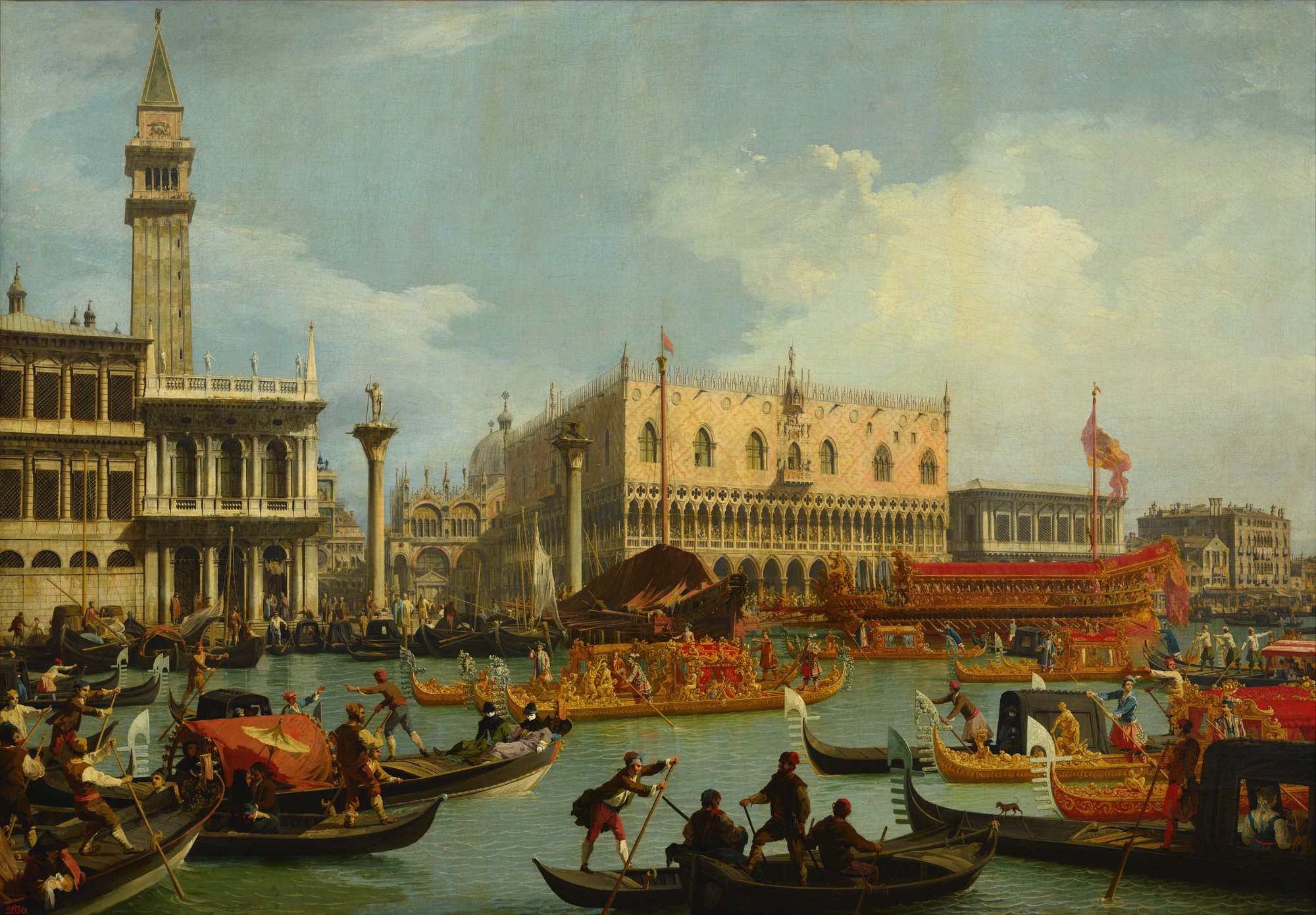
By the 9th century, Venice had embraced the sea not just as protection but as its main weapon. From its perch at the head of the Adriatic, the city evolved into a thalassocracy—a sea-borne empire whose lifeblood was trade. War, in Venetian eyes, was simply “commerce by other means.”
Cleaning Up the Adriatic—for a Price
Venetian convoys sailed under armed escort, while fleets hunted down pirates along the Dalmatian coast. The doge amassed titles like Duke of Dalmatia and Duke of Istria, justifying the seizure of ports that menaced Venetian shipping. Every anti-piracy campaign had a commercial logic: secure sea lanes, dominate salt and spice routes, and make Venice indispensable as Europe’s middleman with Byzantium and Asia.

Mainland and Islands: A Dual Strategy
On land, Venice gradually extended its Terraferma—mainland domains reaching to the Adda River. These territories provided a buffer against hostile neighbors, controlled Alpine trade routes, and, crucially, ensured grain supplies for a city that could not feed itself.
At sea, Venice stitched together a necklace of islands. It held most of the Aegean, including Crete, then Cyprus, turning them into waystations and fortified storehouses on the long road to the Levant. Even towns like Bergamo, Brescia, and Verona, under Venetian rule, often rallied to defend the republic when invaders threatened, a testament to relatively “enlightened” administration for the era.
The Fourth Crusade: A Detour into Empire
The most dramatic expression of Venice’s realpolitik came with the Fourth Crusade. What began as a mission to the Holy Land veered, under Venetian influence and calculation, toward Constantinople itself. In 1204, crusaders and Venetians captured and sacked the great Byzantine capital.
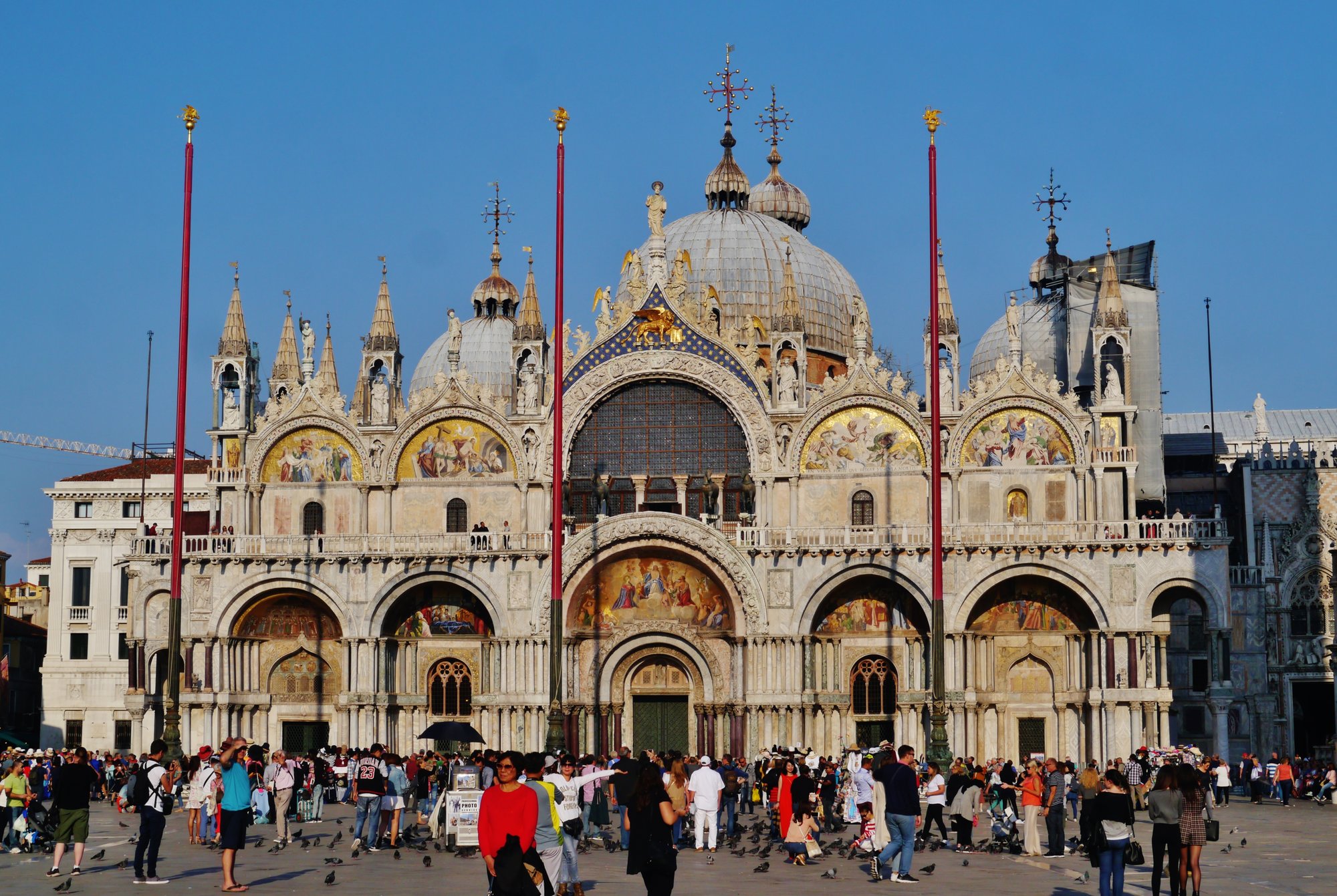
From the ruins, Venice hauled back vast plunder—most famously the gilt bronze horses that once crowned the Hippodrome and then St. Mark’s Basilica. The old Eastern Roman Empire was partitioned; Venice claimed islands, ports, and the Duchy of the Archipelago. Byzantium never fully recovered, limping on until its final fall in 1453.
Governance as Risk Management
At home, Venice built a political machine as intricate as its trade networks. The Great Council of nobles elected a Senate and the all-powerful Council of Ten, which ran security and much of administration. The doge, chosen for life, became more symbol than autocrat, hemmed in by layers of councils designed to prevent any one family from seizing personal rule.
This oligarchic republic turned risk—storms, pirates, crusades, and shifting alliances—into profit for centuries, proving that a city on mud and piles could rule the waves through calculation as much as courage.