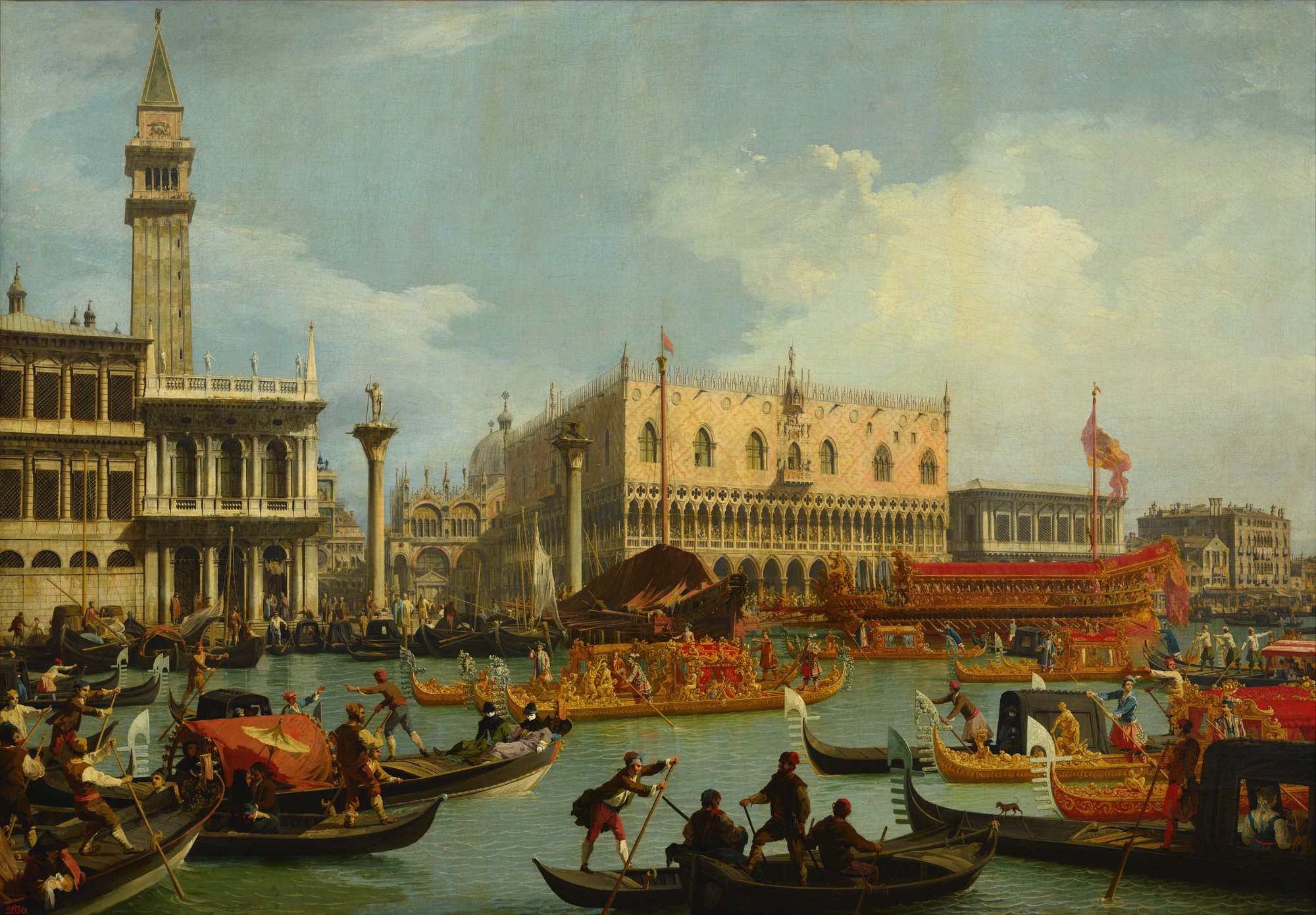
Venice is a city in northeastern Italy built on more than a hundred low islands in a shallow lagoon, laced with canals and linked by hundreds of bridges. Its origins lie in late Roman and early medieval refugees fleeing Germanic and Hun invasions to the marshy islands, where they gradually organized under tribunes and then doges, semi-independent Byzantine dukes turned republican leaders. From the 9th to the 15th century Venice became a thalassocracy—a sea-based empire—controlling Dalmatian and Italian mainland territories, Aegean islands, Crete, Cyprus, and crucial trade with Byzantium and Asia. It helped divert the Fourth Crusade to sack Constantinople, amassed immense plunder, and pioneered stable currency and sophisticated finance, making it perhaps the first true international financial centre.
Venice also blossomed as a cultural capital: a printing powerhouse under Aldus Manutius, a cradle of Venetian Renaissance painting, and a musical republic that nurtured the polychoral style and Baroque composers like Vivaldi and Albinoni. Plague, Ottoman-Venetian wars, and the Atlantic shift in trade eroded its dominance. The republic finally fell to Napoleon in 1797, later passing between Austrian and Italian rule.
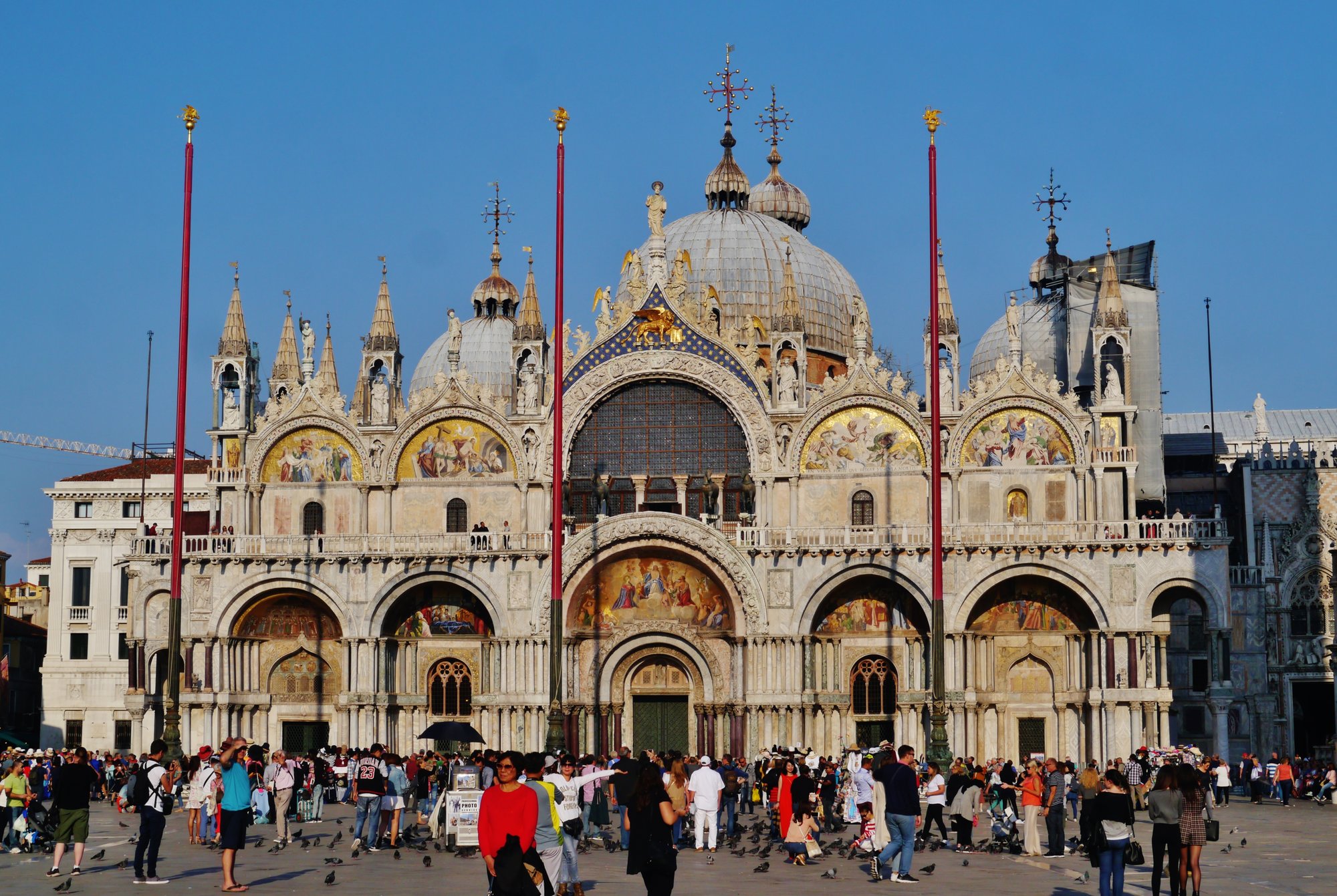
Today, Venice is a UNESCO World Heritage Site and a major tourist magnet famed for its architecture, festivals, and gondola-filled canals, yet it faces existential threats. Subsidence, sea-level rise, and more frequent “acqua alta” floods menace its fabric, prompting the controversial MOSE barrier project. Meanwhile, overtourism, cruise ships, and rising housing costs drive residents away, raising fears that Venice is becoming a “living museum” or theme park even as it struggles to remain a living city.