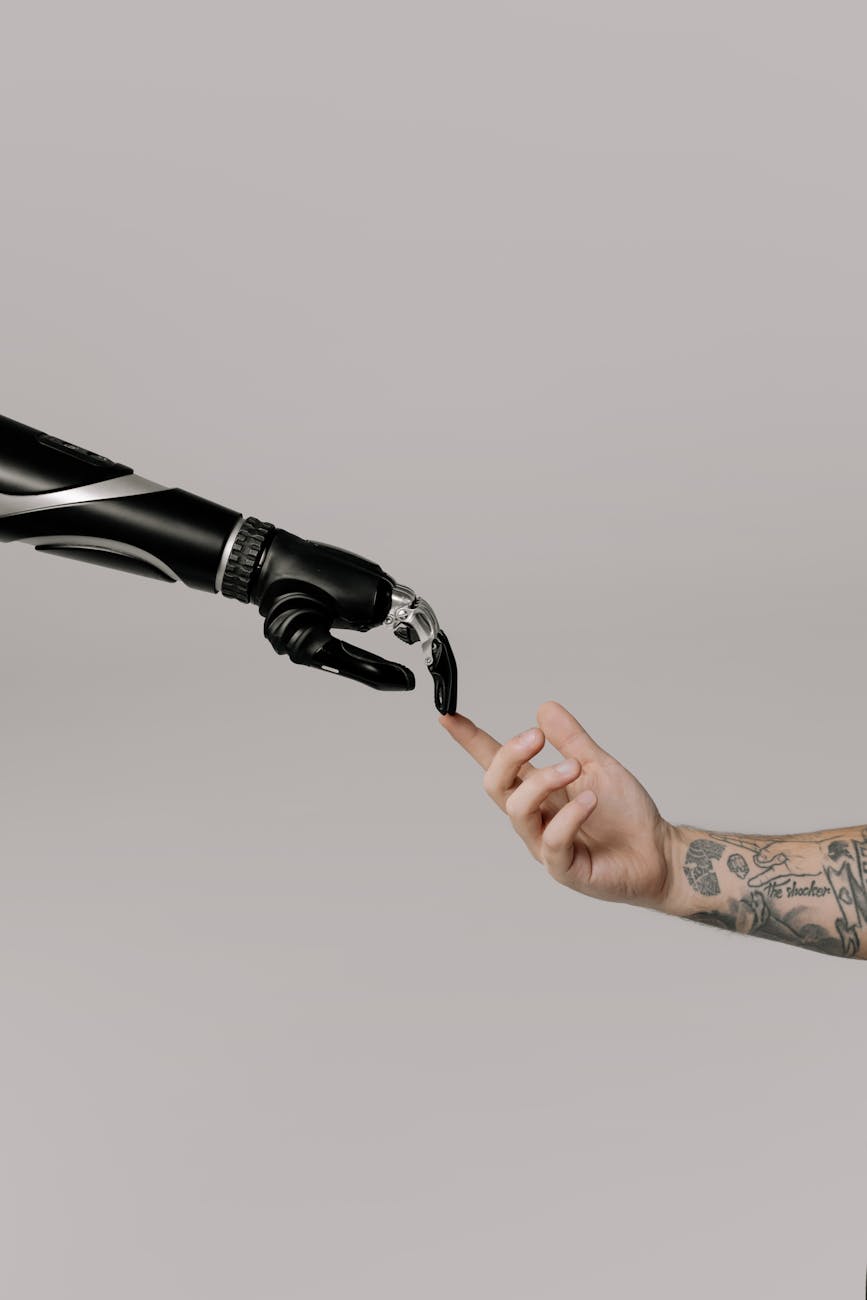
Automation’s New Frontier
Technological change has long displaced some jobs while creating others. Historically, total employment has tended to grow, even as particular roles vanished. With AI, many economists argue, we may be entering unfamiliar territory.
Unlike previous waves of automation, which primarily hit manual and routine tasks, AI reaches into cognitive and creative work. Systems can now draft legal memos, generate illustrations, write code, and analyze medical images—all tasks once thought safe in the white‑collar realm.
Diverging Risk Estimates
Predictions vary wildly. In the 2010s, researchers Michael Osborne and Carl Benedikt Frey estimated that 47% of US jobs were at "high risk" of automation. An OECD report, using a different methodology, put the figure at around 9%.
Other scholars criticize such exercises as speculative and methodologically fragile. They argue that unemployment is driven as much by social policy and labor markets as by technology itself, and warn against treating automation as a destiny rather than a choice.

Early Signs on the Ground
Nonetheless, concrete shocks are emerging. By April 2023, an estimated 70% of jobs for Chinese video game illustrators had been eliminated by generative AI, which can produce stylized art on demand. Early‑career workers in several AI‑exposed occupations have already seen declining employment rates.
Economists worry that many middle‑class professions may be hollowed out, echoing The Economist’s warning that AI could do to white‑collar roles what steam power once did to blue‑collar work. Jobs at high risk span paralegals, fast‑food cooks, basic administrative staff, and some categories of creative production.
At the same time, demand is likely to rise in professions emphasizing human care, presence, and moral judgment—ranging from healthcare aides to clergy.
In 2025, Ford CEO Jim Farley predicted that AI would "replace literally half of all white‑collar workers in the U.S.", underscoring how seriously some corporate leaders take the technology’s disruptive potential.
Beyond Numbers: What Should We Automate?
From AI’s earliest days, thinkers like Joseph Weizenbaum have asked a deeper question: not just can a machine do a job, but should it? Some tasks involve more than information processing. They require empathy, moral reasoning, or the kind of qualitative judgment we expect from a human being rather than a statistical model.
For example, even if an algorithm could reliably recommend prison sentences or terminate benefits, societies may decide that such life‑altering decisions must remain in human hands, with human accountability.
The Policy Choice Ahead
Economists broadly agree that AI could be a net benefit if productivity gains are shared—through shorter workweeks, social safety nets, or new forms of job creation. Without proactive policy, however, the gains may accrue primarily to owners of capital and top‑tier talent, worsening inequality and social tension.
Technological unemployment is not an inevitable law of nature, but it is a real risk in the absence of deliberate choices about education, labor protections, and redistribution.
Takeaway
AI’s impact on work won’t be a simple story of robots versus humans. It will be shaped by politics, institutions, and our collective decisions about which tasks to automate and how to share the resulting wealth—and by whether we value human judgment in certain roles more than pure efficiency.