Watch the story on DeepSwipe
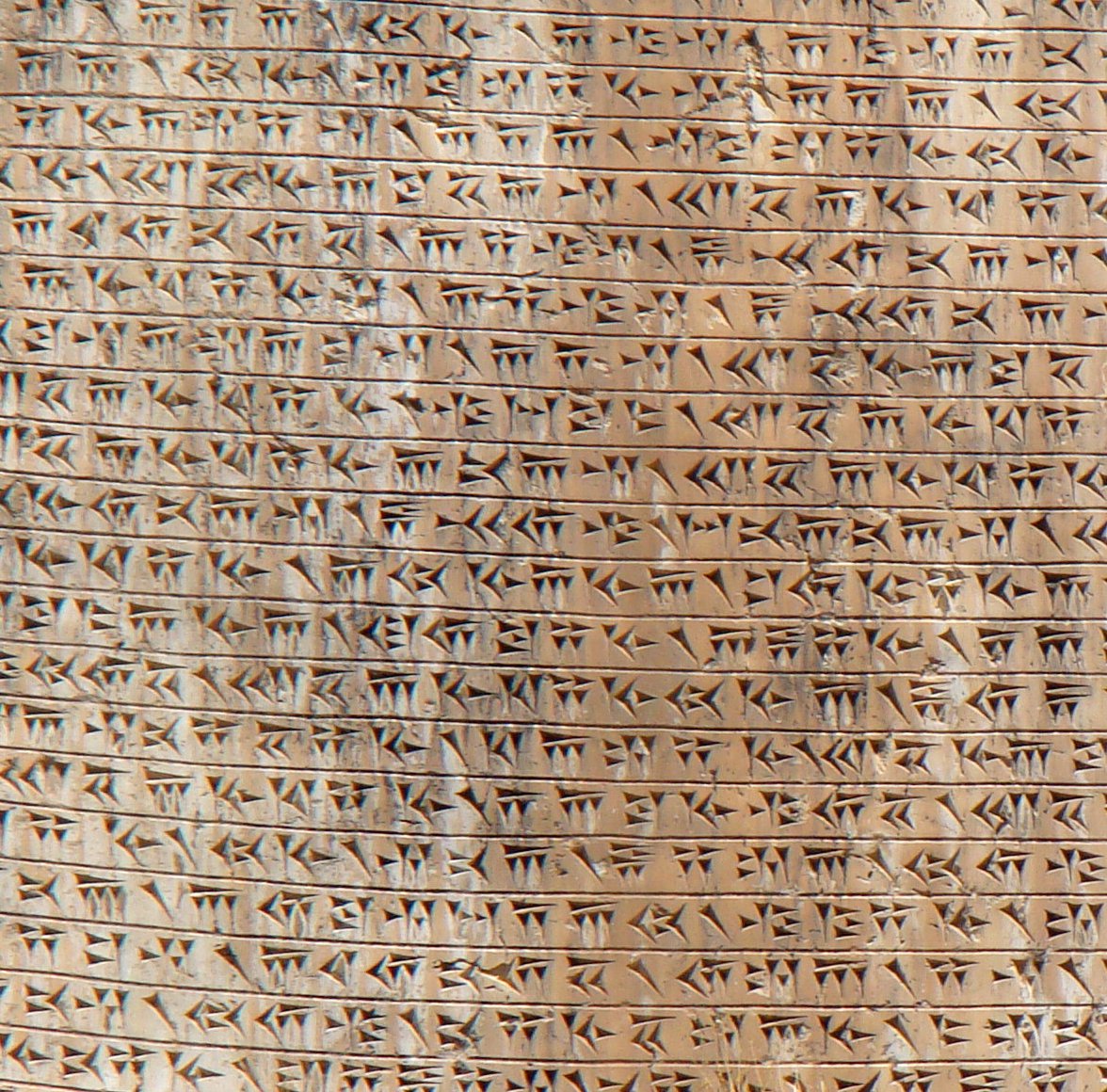
When growing societies needed more than memory
For most of human history, people lived without writing. Early humans lived as hunter-gatherers, generally moving from place to place, and passed knowledge along through speech, practice, art, and memory. But as human societies changed after the Neolithic Revolution, memory alone was no longer enough.
Beginning around 10,000 BCE, agriculture transformed daily life. As people domesticated plants and animals and settled in permanent communities, populations became denser. Food surpluses made it possible for some people to specialize in work other than farming. Cities emerged as centers of trade, manufacturing, and political power, tied closely to the surrounding countryside. With that new complexity came practical problems: how do you record grain, livestock, labor, tribute, or trade goods across a large and growing society?
That pressure helps explain why systems of accounting and writing became so important. Writing was not just a cultural achievement. It was a tool for organizing civilization.
Writing was invented more than once
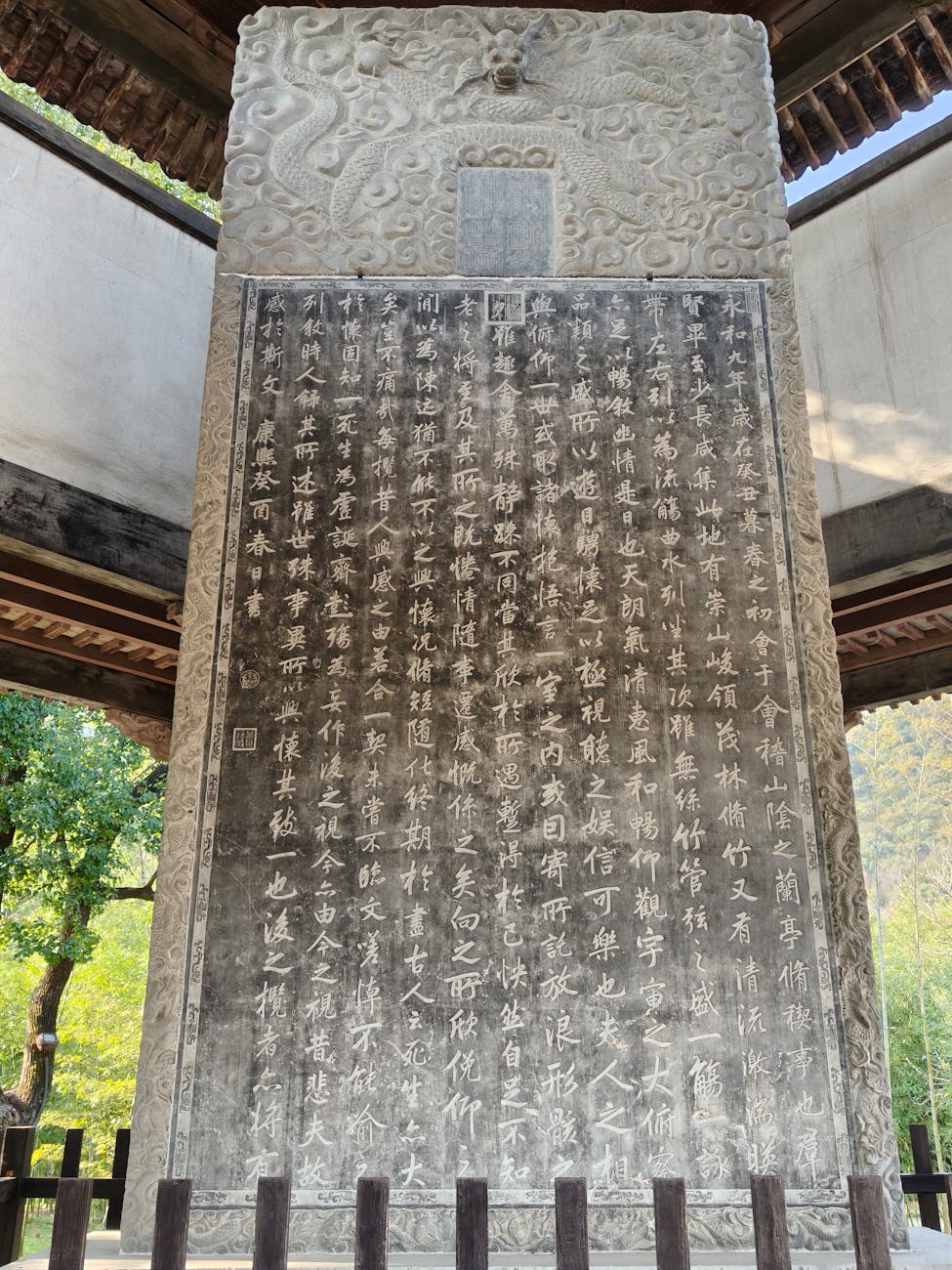
One of the most remarkable things about writing is that it did not arise in only one place and spread everywhere from a single source. It developed independently in at least four ancient civilizations.
The earliest known writing system appeared in Mesopotamia around 3300 BCE. Egypt developed writing around 3250 BCE. In China, writing is attested by 1200 BCE and was first used during the Shang dynasty. In lowland Mesoamerica, writing had developed by 650 BCE.
This repeated invention matters. It suggests that once societies reached a certain level of administrative and social complexity, writing became extraordinarily useful. Different peoples, in different regions, facing different local conditions, arrived at the same basic solution: visible signs that could store information outside the human mind.
From pictures to symbols: how cuneiform changed

The earliest Mesopotamian writing system was cuneiform script. “Cuneiform” refers to the wedge-shaped marks used in the script. It began as a system of pictographs, meaning signs that visually represented things. Over time, those pictorial forms became simplified and more abstract.
That shift from picture to sign was a huge leap. A picture can show an object, but an abstract sign system can do far more. It can standardize records, make repeated notation easier, and support administration over time. In a world of expanding cities, trade networks, and political authority, that was revolutionary.
Mesopotamia was one of the earliest cradles of civilization, developing along the Tigris and Euphrates rivers. Like other early civilizations, it had a central government, a complex economy and social structure, and systems for keeping records. Writing fit naturally into that world. It helped cities function and states endure.
Egypt, China, and Mesoamerica followed their own paths

Egyptian hieroglyphs were another influential early writing system, appearing around 3250 BCE. Egyptian civilization arose along the Nile River and, like Mesopotamia, developed monumental architecture, central government, and organized religion. In that context, writing supported administration, preservation of information, and the expression of ideas.
In China, writing first appears during the Shang dynasty, dated here as 1766–1045 BCE, with the broader evidence for Chinese writing given at 1200 BCE. Chinese civilization developed along the Yangtze and Yellow Rivers, and writing became part of a society marked by political organization and long-term cultural continuity.
Lowland Mesoamerica developed writing by 650 BCE. This is especially striking because it shows that writing also emerged in the Americas without dependence on the Old World traditions of Mesopotamia, Egypt, or China. Mesoamerica later saw major civilizations such as the Olmecs, Maya, and Teotihuacan. The Maya, in particular, developed a writing system and also used the concept of zero in their mathematics.
Why writing spread: taxes, trade, power, and ideas
Writing endured because it solved real problems.
As cities grew, rulers needed ways to administer territory and resources. Civilizations were developing central governments, complex economies, and layered social structures. Record-keeping helped organize labor, manage stored goods, and support political authority. In practical terms, writing made it easier to govern.
Trade also encouraged writing. Ancient urban societies exchanged manufactured goods for raw materials from distant lands, creating vast commercial networks. Waterways and seas fostered the exchange of goods, ideas, and inventions, and long-distance trade expanded across regions. In that environment, a reliable record of goods, obligations, and transactions had obvious value.
Writing also did something less material but just as important: it preserved ideas. It allowed information to outlast the memory of any individual speaker. Once ideas could be recorded, they could be transmitted across generations with greater stability. That changed religion, government, philosophy, and culture.
Writing helped build states and civilizations
The rise of writing is closely tied to the rise of early civilization itself. The Bronze Age saw the development of cities and civilizations in Mesopotamia, Egypt, Peru, the Indus Valley, and China. These societies shared several traits: central government, complex economies, social hierarchy, record-keeping, and often writing.
Writing facilitated the administration of cities, the expression of ideas, and the preservation of information. Those three functions are simple to state, but together they were transformative.
Administration meant rulers and officials could manage larger populations and more resources. Expression meant ideas could be formulated and communicated in durable form. Preservation meant knowledge could accumulate instead of being continually lost and relearned.
This accumulation of knowledge helped shape later history. Philosophical and religious systems that emerged in the ancient world could be sustained and transmitted more effectively in literate societies. The ancient period provided fertile ground for transformative traditions, including Hinduism, Buddhism, Confucianism, Greek philosophy, Judaism, Taoism, and Zoroastrianism. Later, Christianity emerged as an offshoot of Judaism. Writing was not the sole cause of these developments, but it was a powerful medium for preserving and spreading them.
Why writing appears after agriculture, not before
It is no accident that writing arose after the Neolithic Revolution rather than during the long era of nomadic hunting and gathering. For Paleolithic societies, oral communication, artistic expression, and shared memory were sufficient for life in relatively small, mobile groups. Early humans already had language, symbolic behavior, burial practices, jewelry, cave painting, and musical instruments long before writing.
But agriculture changed scale. Surpluses supported denser populations and allowed the formation of the first cities and states. Once societies became larger, more stratified, and more economically specialized, they needed more dependable systems of keeping track of things. Accounting and writing emerged from that need.
So the invention of writing was not simply a brilliant idea appearing out of nowhere. It was a response to a new kind of world: settled, populous, unequal, organized, and increasingly interconnected.
More than marks on a surface
It is easy to think of writing as merely a way to record speech, but historically it was also a technology of storage, coordination, and continuity. It allowed a society to remember beyond the limits of living memory.
That made it possible for states to tax, for traders to track goods, and for institutions to keep durable records. It also made it easier for cultures to preserve stories, beliefs, and knowledge over centuries. In that sense, writing was one of the key foundations of history itself. Once information could be recorded and preserved, the human past became easier to administer, interpret, and transmit.
The story of writing is therefore not just about symbols. It is about the moment human societies became complex enough to need external memory—and inventive enough to create it.
A turning point in human history
From Mesopotamian cuneiform to Egyptian hieroglyphs, from Shang-era writing in China to the scripts of lowland Mesoamerica, writing emerged wherever growing civilizations needed a more durable way to manage life.
It helped cities run, states expand, trade networks operate, and ideas survive. In a deep sense, writing turned fleeting thought into something that could travel across distance and endure across time.
When memory moved to clay, stone, and other surfaces, human history changed forever.