Manufacturing and the Rise of Metals

Long before factories, assembly lines, or machine tools, manufacturing was already changing human life. At its core, manufacturing is the making of goods using labor, tools, equipment, and processes that transform raw materials into useful products. One of the biggest turning points in that long story came when people learned not just to shape stone, bone, and wood, but to extract and work metals.

The rise of metals did not happen all at once. It unfolded through breakthroughs in heat, materials, and technique. Copper, bronze, iron, and steel each changed what people could build, how strong their tools could be, and even how ships were held together. This was more than a materials upgrade. It was a major manufacturing revolution.

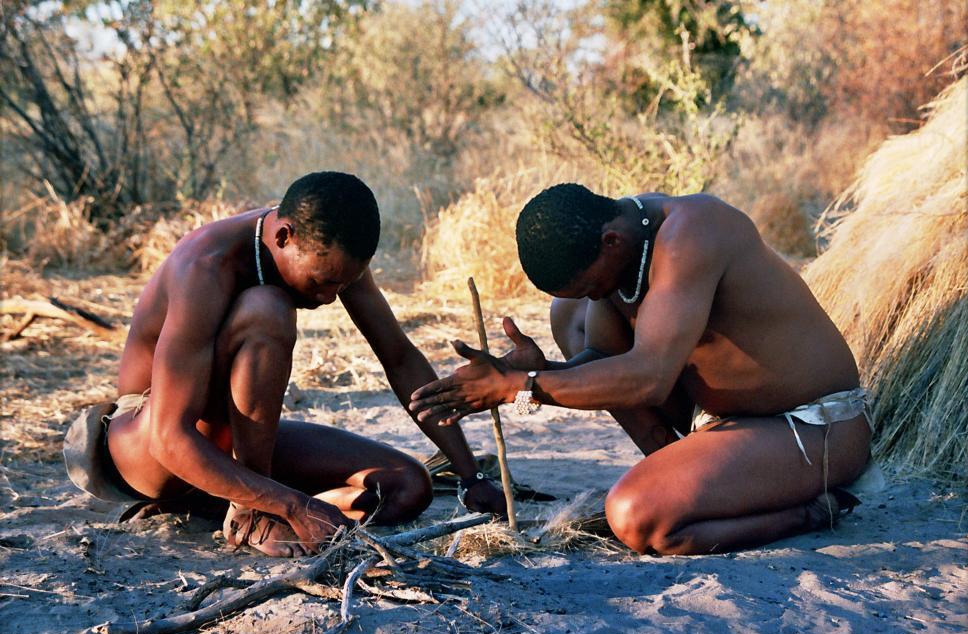
Humans had been manufacturing objects for an incredibly long time before metalworking appeared. Early toolmakers shaped hard stone by striking a stone core with a hammerstone to create sharp edges. These edges became choppers and scrapers, tools that helped people survive as hunter-gatherers and also allowed them to make other tools from softer materials like bone and wood.

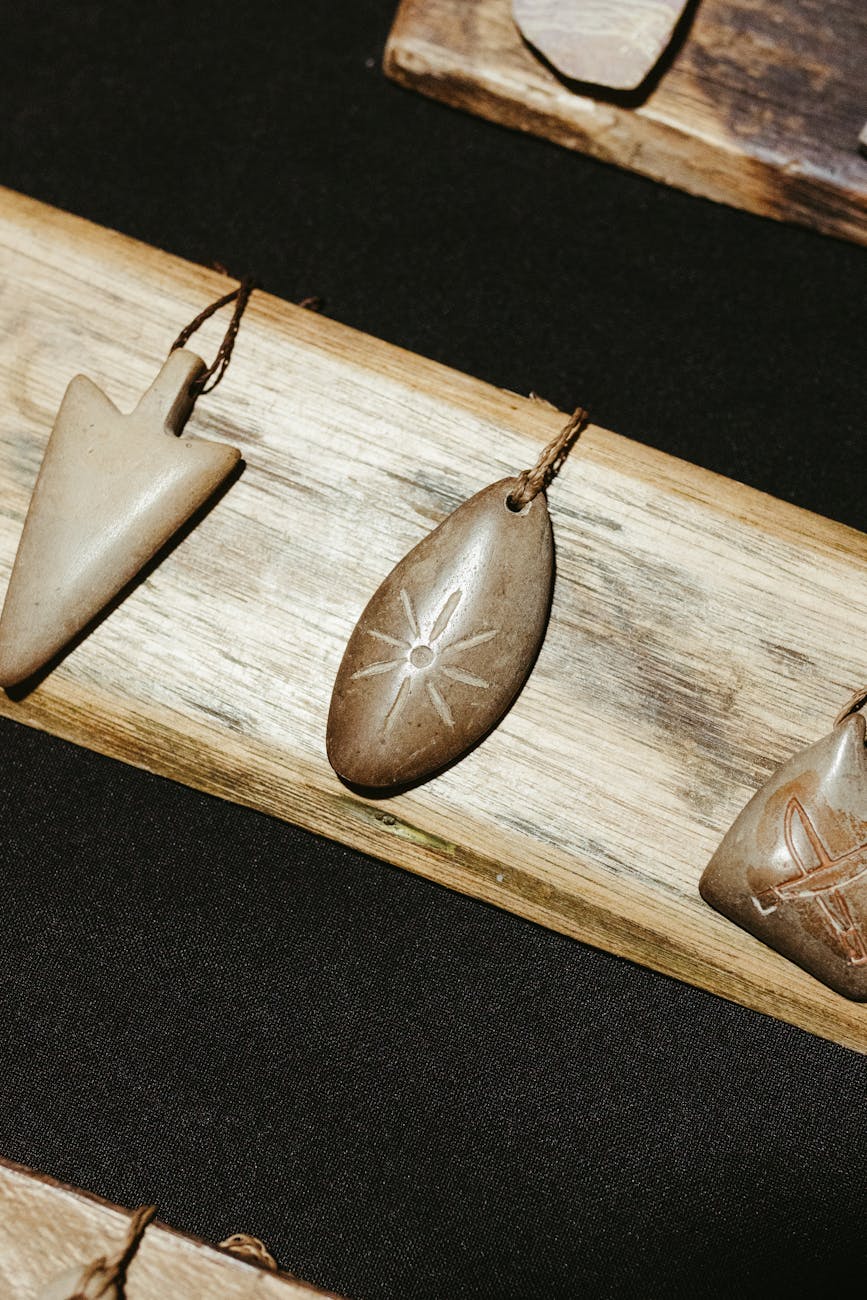
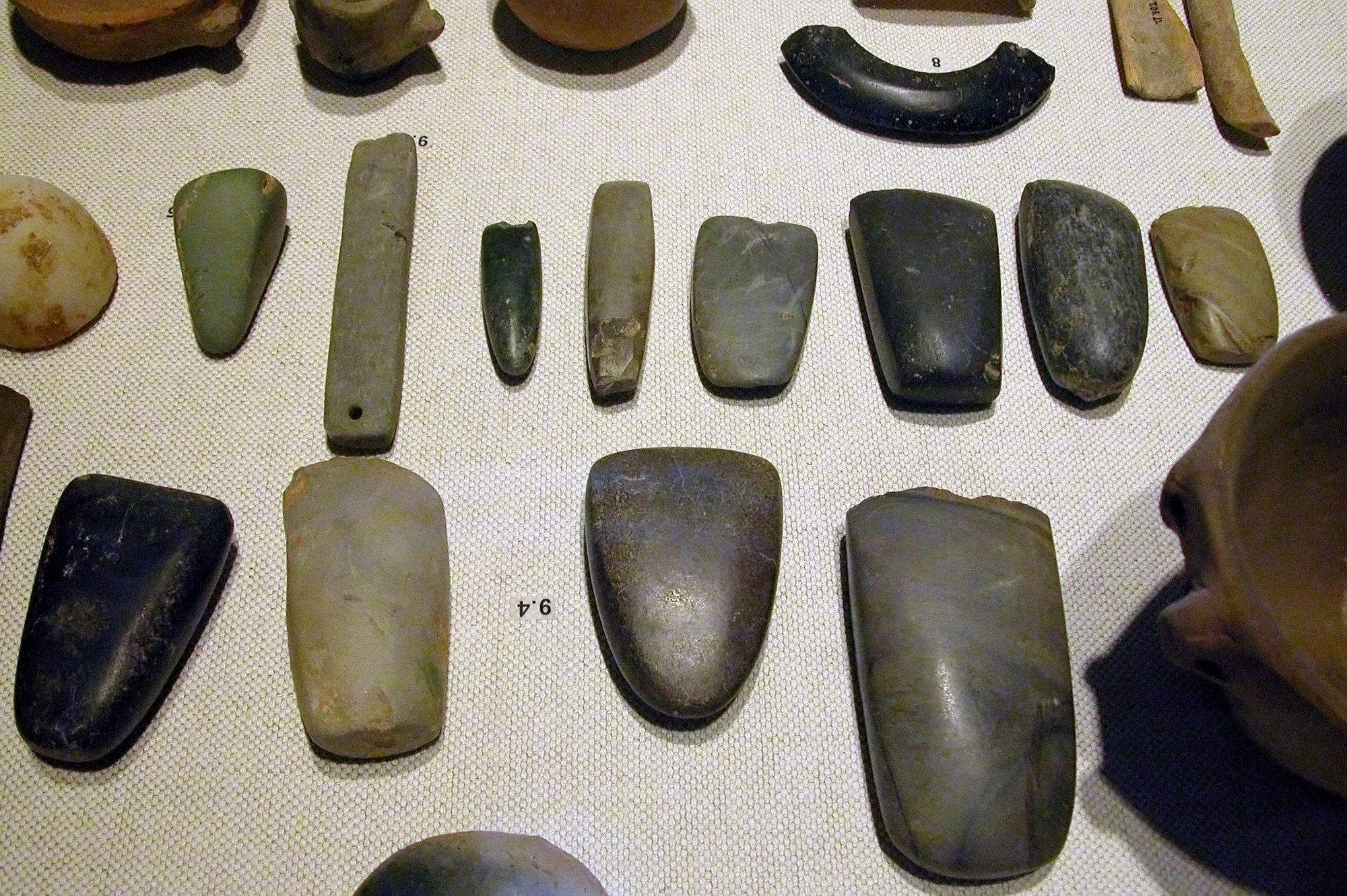
Over time, these methods became more advanced. In the Middle Paleolithic, the prepared-core technique allowed multiple blades to be made from a single core stone. Later, during the Upper Paleolithic, pressure flaking made it possible to shape stone more finely using wood, bone, or antler tools. In the Neolithic period, polished stone tools were made from hard rocks such as flint, jade, jadeite, and greenstone.

That earlier history matters because metalworking did not replace manufacturing from scratch. It built on an existing tradition of material knowledge, tool design, and process improvement.

DeepSwipe app banner

Fire unlocked copper smelting

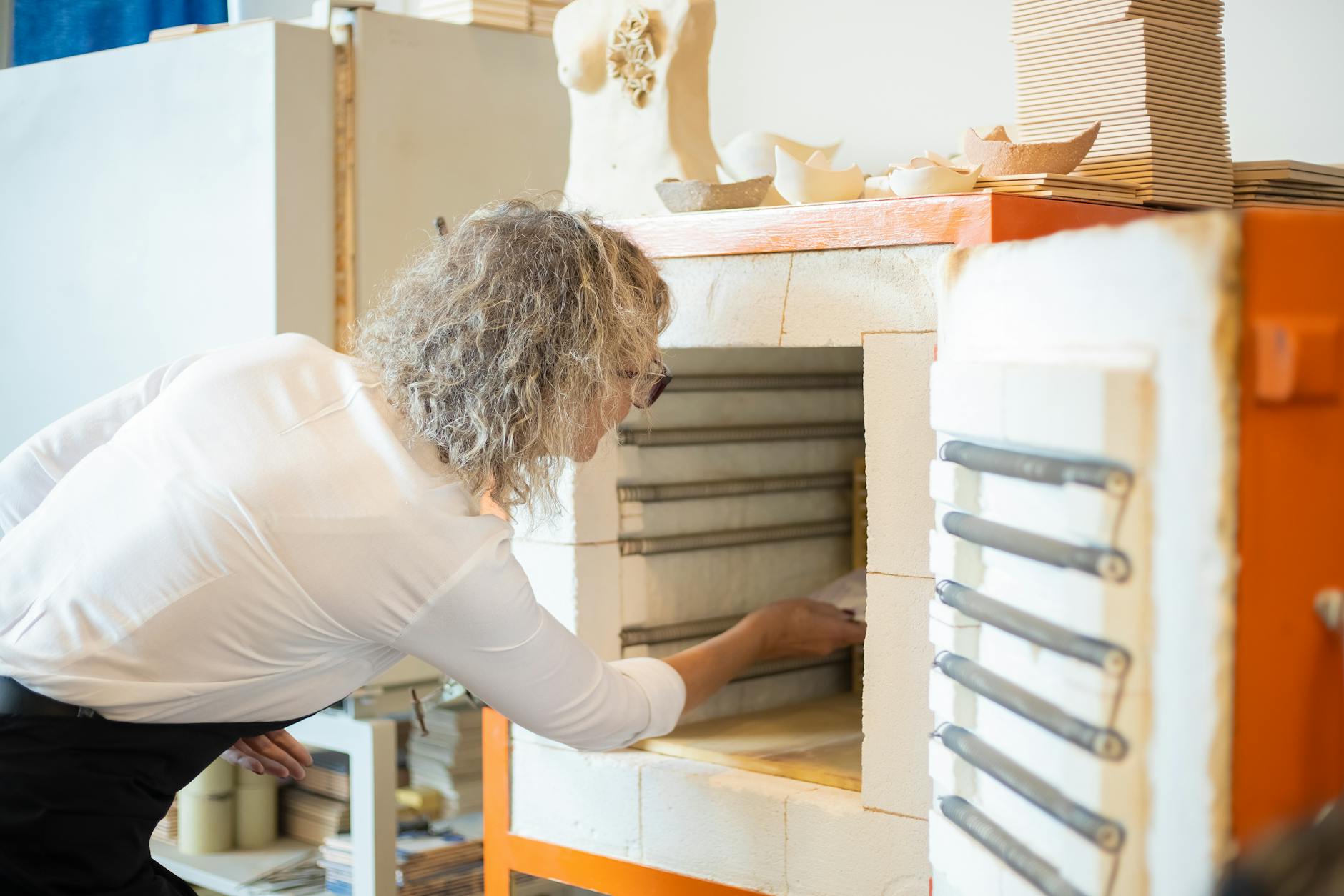
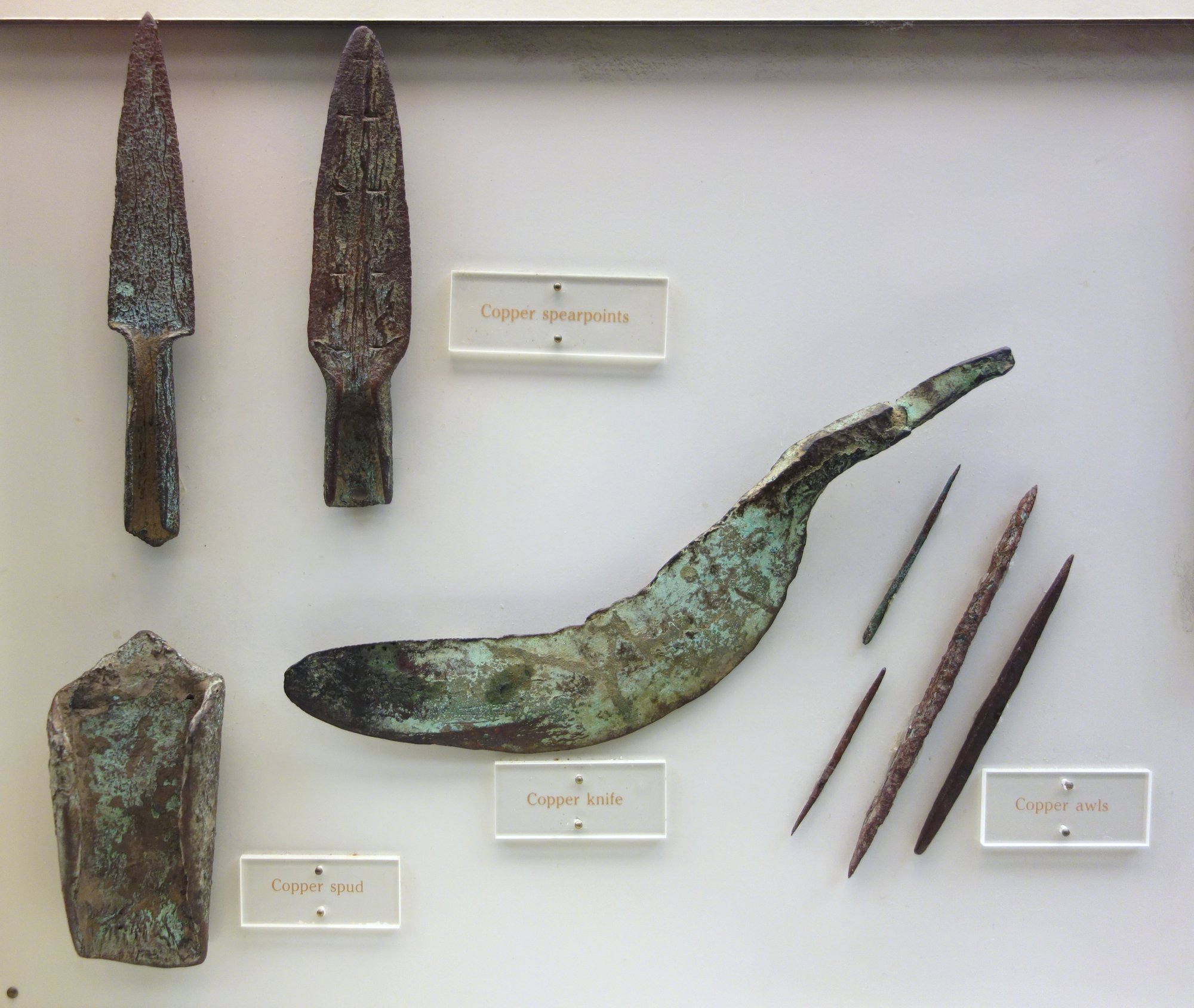
A crucial step toward metal manufacturing was copper smelting. Smelting is the process of heating rock or ore so that the metal inside can be separated out. According to the historical record, copper smelting is believed to have originated when pottery kiln technology reached temperatures high enough to make that possible.

That link between pottery and metallurgy is one of the most fascinating moments in manufacturing history. A kiln is essentially a high-temperature oven used for firing pottery. Once people could reliably produce greater heat, they were no longer limited to baking clay. They could begin transforming ore into metal.

Some copper ores also contained arsenic, and because the concentration of certain elements increases with depth in copper deposits, smelting these ores could produce arsenical bronze. This material could be work-hardened enough to be suitable for making tools. Work-hardening means a material becomes harder through mechanical working, such as hammering or shaping.

In simple terms, better heat control opened the door to entirely new kinds of manufacturing.

Why bronze was such a leap forward

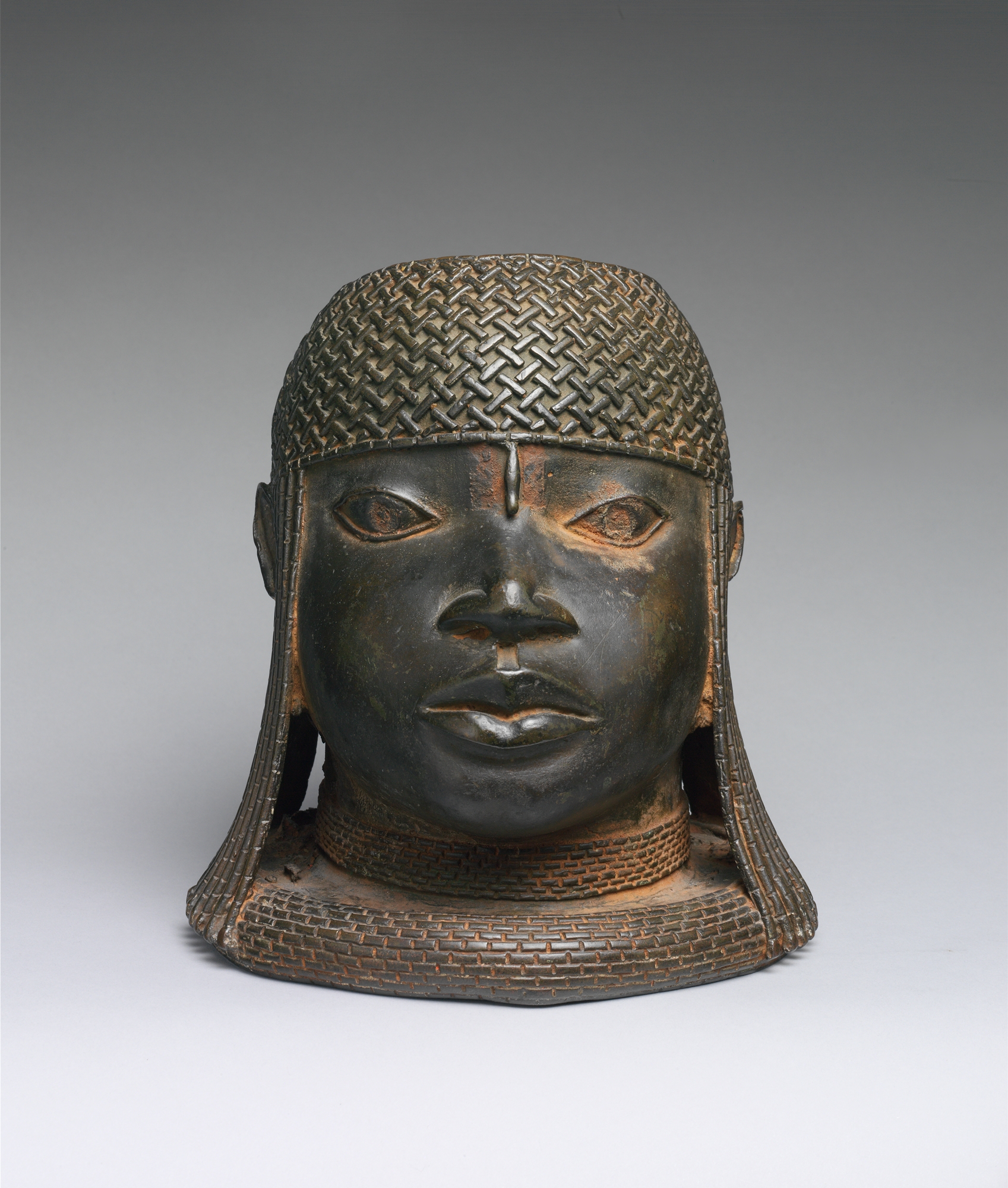
Bronze was a major improvement over stone for making tools. Bronze is an alloy, meaning a material made by combining metals, in this case copper with tin. True tin bronze did not become widespread immediately because tin was found in relatively few deposits around the world. Even so, once bronze manufacturing expanded, it had huge consequences.

Why was bronze so important? The answer lies in its properties. The historical record highlights both strength and ductility. Strength made bronze useful for durable tools. Ductility means a material can bend or be shaped without breaking, which made bronze easier to form into useful objects.

Bronze could also be cast in molds. Casting means pouring heated metal into a shaped container so it cools into a desired form. This allowed more intricate shapes than many stone tools could achieve. Instead of simply chipping or grinding a tool into shape, manufacturers could produce carefully formed objects with greater consistency.

This was an early example of a powerful manufacturing principle that still matters today: when a material is easier to shape and repeat, design possibilities expand.

Bronze transformed shipbuilding too

It is easy to think of ancient metalworking mainly in terms of weapons or hand tools, but bronze also changed large-scale construction and transport. Shipbuilding is a great example.

Bronze significantly advanced shipbuilding technology through better tools and bronze nails. Those nails replaced an older method of fastening boards in a ship’s hull using cord woven through drilled holes. A hull is the main body of a ship, and its boards must be securely joined if the vessel is to stay strong in water.

This change may sound small, but it was a hidden upgrade with major importance. Better fastening methods affect durability, reliability, and the ability to build more robust vessels. In manufacturing terms, a better component can improve an entire system.

The Iron Age raised the stakes

After bronze came another major shift: the widespread manufacturing of weapons and tools using iron and steel. This transition is what defines the Iron Age.

But iron was not simply a better bronze. It brought new challenges. Iron smelting was more difficult than smelting tin and copper. Smelted iron required hot-working, meaning it had to be shaped while still hot rather than simply melted and poured in the same way as easier-casting metals. The article also notes that iron could only be melted in specially designed furnaces.

That made iron a tougher manufacturing problem. Producing useful iron objects required not only access to ore and heat, but also more demanding furnace design and working methods. In other words, the material was stubborn, and manufacturers had to become more sophisticated to handle it.

Even the origins of iron smelting remain uncertain. The place and time of its discovery are not known, partly because it is difficult to distinguish iron extracted from ore from meteoritic iron that had been hot-worked. That uncertainty underlines just how technically challenging this transition was.

Manufacturing progress has always been about process

The story of metals is really a story about process innovation. Modern manufacturing engineering focuses on designing and optimizing the steps that turn raw materials into final products. Ancient manufacturing did not use that modern vocabulary, but the same basic idea was already there.

Pottery kilns had to become hotter. Smelting had to separate metal from ore. Bronze had to be cast into molds. Iron had to be worked while hot and handled in specially designed furnaces. Each step demanded better control over materials and methods.

This is one reason metalworking marks such an important point in manufacturing history. It was not just about discovering new substances. It was about mastering sequences of production.

From hand production to industrial systems

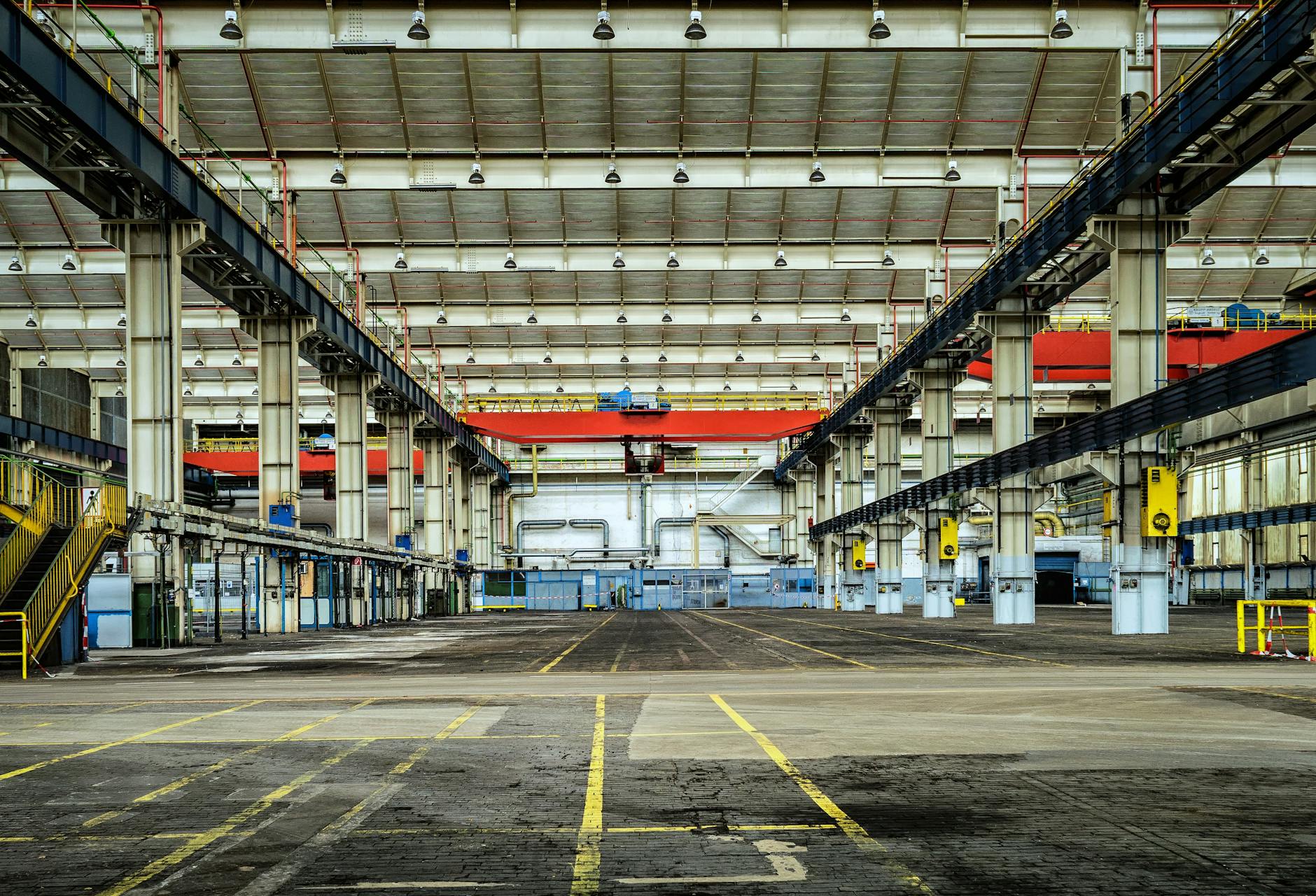
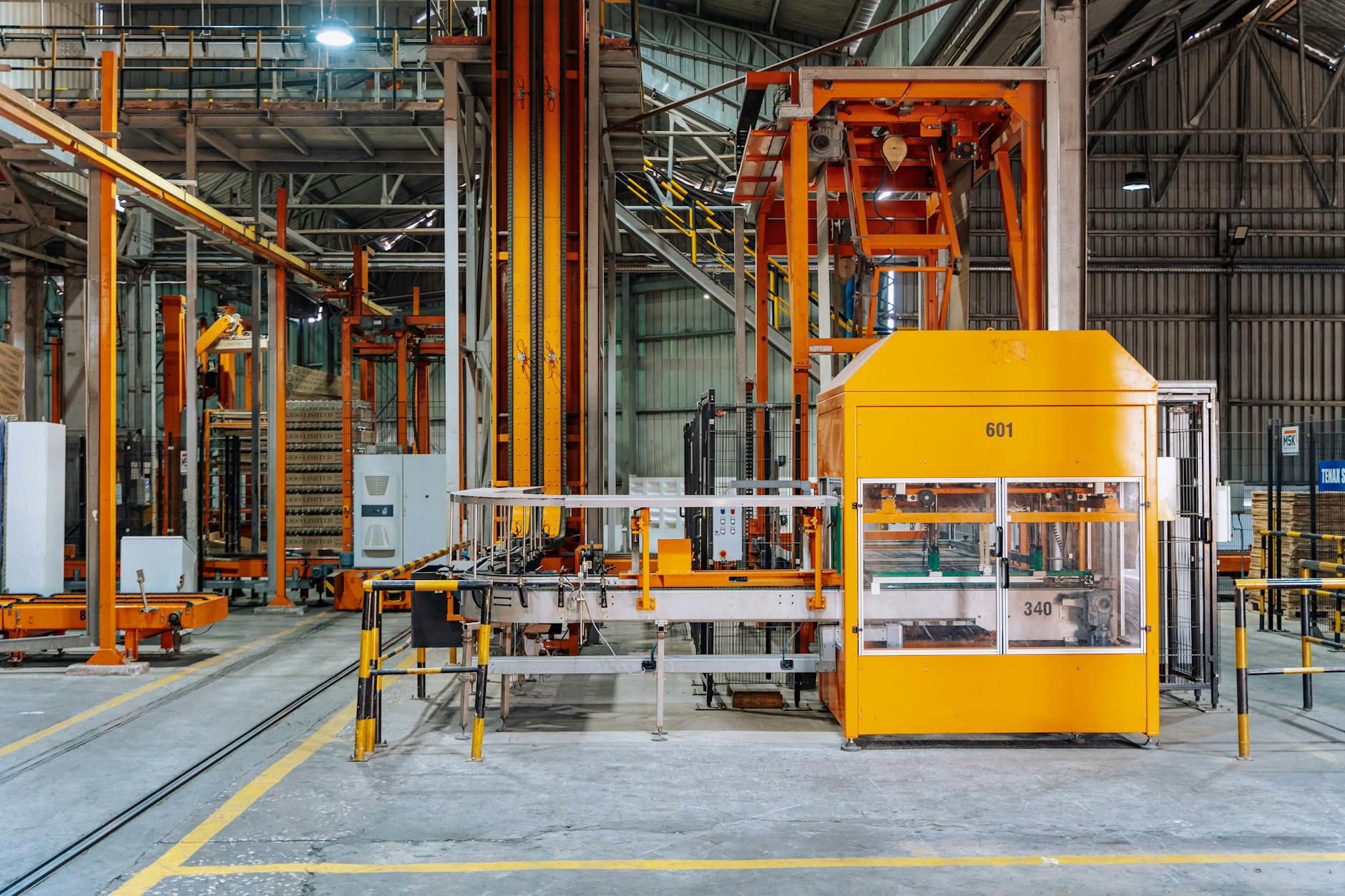
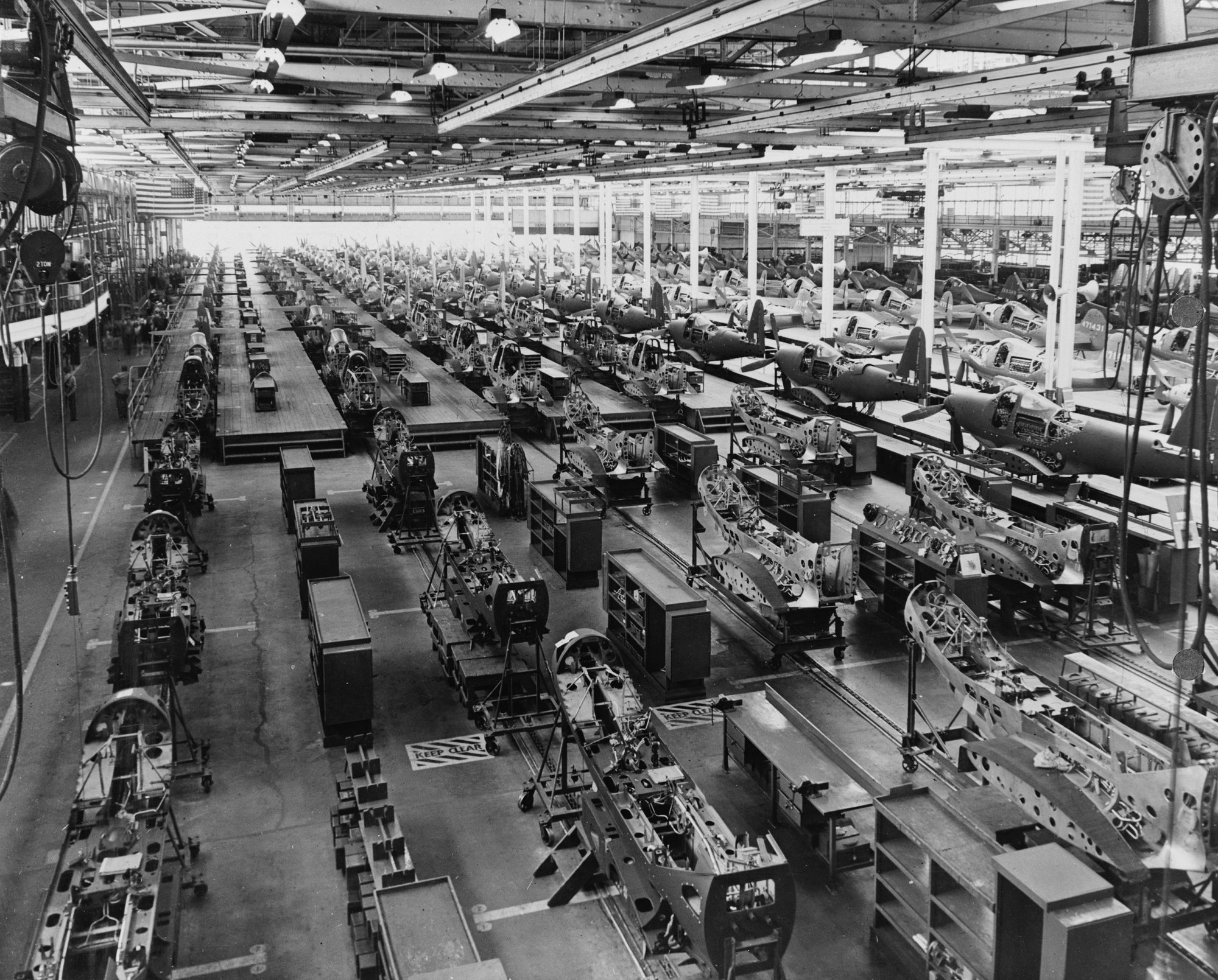
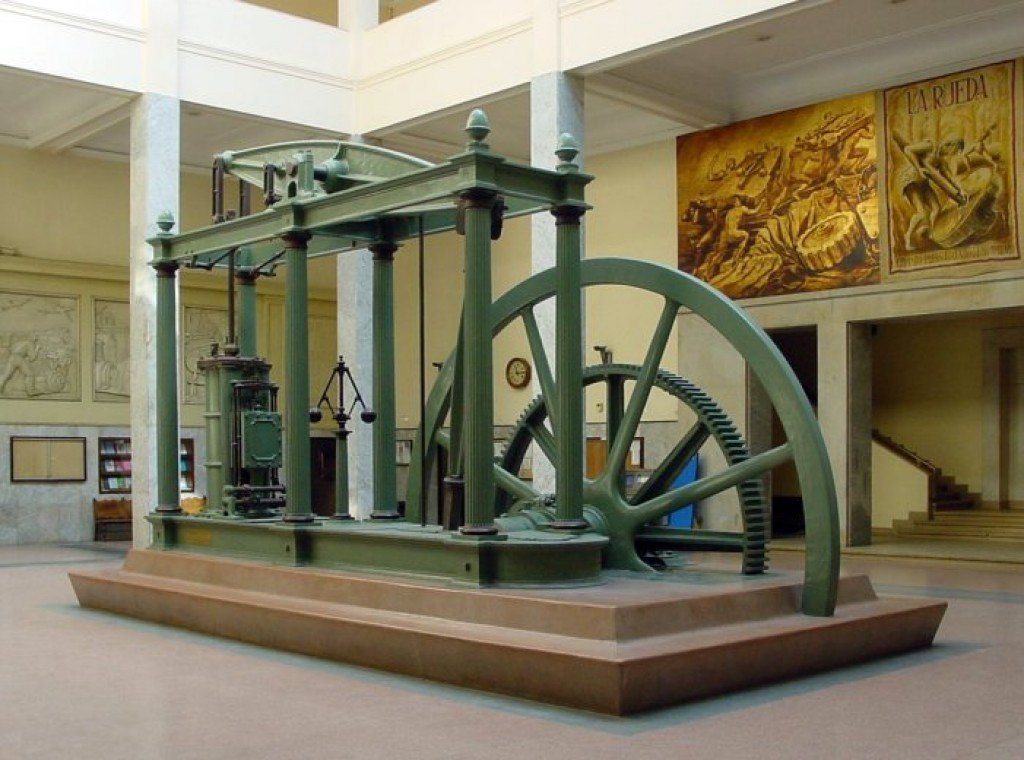
The rise of metals belongs to the ancient world, but it also foreshadows later manufacturing revolutions. The Industrial Revolution brought a transition from hand production methods to machines, new chemical manufacturing processes, and mechanized factory systems. Later, the Second Industrial Revolution introduced new steel-making processes, mass production, assembly lines, electrical grid systems, and advanced machinery.

Seen in that long view, ancient metallurgy was an early manufacturing breakthrough of the same broad type: a new material plus a new process changed what society could make.

Copper smelting depended on thermal technology. Bronze depended on alloying and casting. Iron depended on furnace design and hot-working. Much later, industrial manufacturing would depend on steam power, electrification, machine tools, and mass production. Different eras, same pattern: process capability reshapes the world.

Why the rise of metals still matters

The development from stone to copper, bronze, iron, and steel was one of the clearest demonstrations that manufacturing drives civilization forward. Better materials produced stronger tools. Stronger tools enabled better building, transport, and production. Improved production methods then made even more advances possible.

That chain reaction is still familiar today. Manufacturing remains the transformation of raw materials into finished goods, whether by hand, machine, chemical processing, or complex industrial systems. The ancient move into metallurgy shows how deeply that transformation can alter everyday life.

A hotter kiln may seem like a narrow technical achievement. In reality, it helped unlock one of humanity’s greatest manufacturing leaps: the age of metals.

Stories About Manufacturing

Manufacturing Before Factories

Manufacturing Before Factories

Manufacturing and the Industrial Revolution

Manufacturing and the Industrial Revolution

How Electricity Transformed Manufacturing

How Electricity Transformed Manufacturing

Ford and the Rise of Mass Production

Ford and the Rise of Mass Production

Lean Manufacturing and Just-in-Time

Lean Manufacturing and Just-in-Time

The Hidden Costs of Manufacturing

The Hidden Costs of Manufacturing

Which Countries Lead Manufacturing Today

Which Countries Lead Manufacturing Today

Otehr Stories like this

Copper Age and Bronze Age Prehistory

Copper Age and Bronze Age Prehistory

Bronze Age and Iron Age: How Prehistory Ends Differently

Bronze Age and Iron Age: How Prehistory Ends Differently

Human History: Bronze, Boats, and the First Global Networks

Human History: Bronze, Boats, and the First Global Networks

Human History: The Industrial Revolution—The Second Great T

Human History: The Industrial Revolution—The Second Great T

The Wheel: Ancient Technology That Transformed Energy

The Wheel: Ancient Technology That Transformed Energy

Fire and the Cooking Hypothesis in Human Technology

Fire and the Cooking Hypothesis in Human Technology

Human History: Printing, Gunpowder, and the Spread of Power

Human History: Printing, Gunpowder, and the Spread of Power

How Chemistry Emerged from Alchemy

How Chemistry Emerged from Alchemy

Society: Why We Trade

Society: Why We Trade

Communication: The Technologies That Rewired Human Life

Communication: The Technologies That Rewired Human Life

Paleolithic Prehistory and the First Human Breakthroughs

Paleolithic Prehistory and the First Human Breakthroughs

How Innovation Happens: Serendipity vs Science in Technology

How Innovation Happens: Serendipity vs Science in Technology

From bronze nails to modern know-how, great ideas are forged step by step — download DeepSwipe and keep smelting raw facts into sharp knowledge.

Manufacturing and the Rise of Metals | DeepSwipe